Future Fuels Rebuilding Livelihoods in Haiti

 
$793
$59,207
Raised
Remaining
Feb 16, 2011

Update: Biomass Briquettes for a Sustainable Haiti

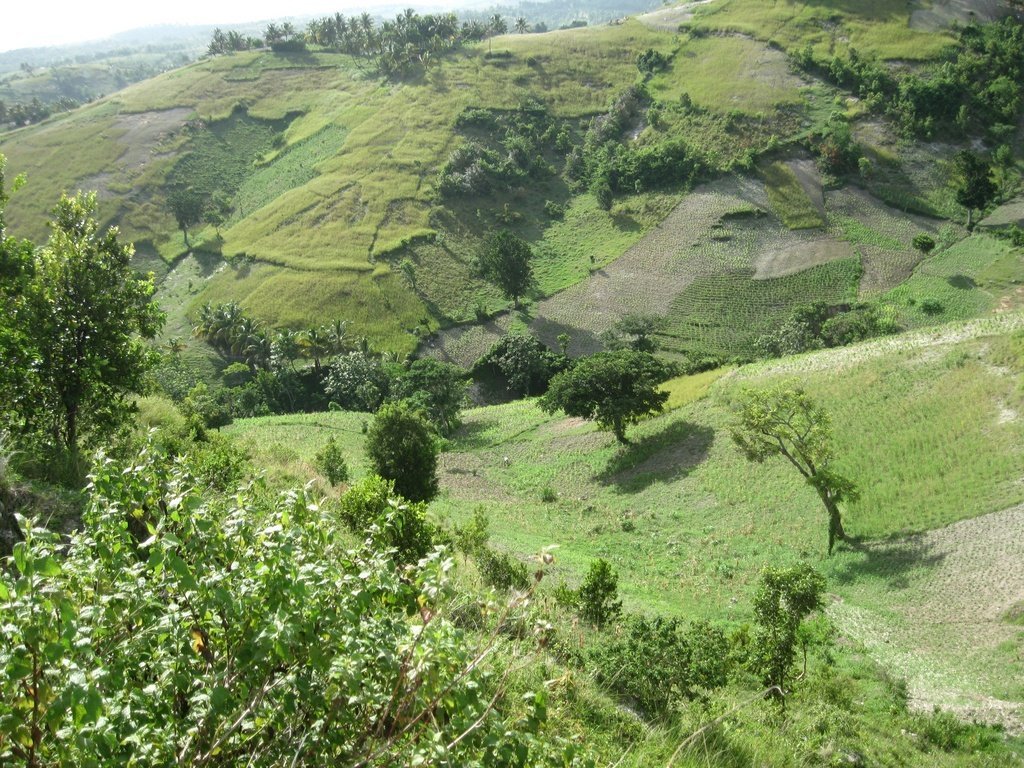
The Haiti Sustainable Vetiver Initiative utilizes a market-based facilitation and training approach to support the environmental, economic, and community security and development needs of farmers in the Vetiver growing areas of the South of Haiti.  EVI builds the capacity, through technical assistance and training, for farmers and distillers of Vetiver oil to  adopt sustainable practices and then acquire certifications, such as organic, and recognition for sustainable practices which facilitate access to new markets and international premiums for environmentally and socially positive essential oils.  These efforts incorporate environmental and social value directly into the Vetiver Oil Value Chain.  The environmental and social added value includes: 

  1. Increasing incomes of essential oil crop farmers from market premiums for certified sustainable products
  2. Addressing the effects of climate change, such as increased storm surges, through enhanced watershed management, reforestation, and soil erosion control
  3. Developing alternative, clean energy fuel sources to abate deforestation and provide alternative income sources for farmers through the growth of alternative fuel microenterprises

Beginning in Summer 2009, EVI utilized donor support to travel to Haiti and engage multinational companies in the beauty products and cosmetics industry to encourage increased purchasing of Vetiver from Haiti and to incentivize sustainable practices within the sector, particularly regarding sustainable harvesting. EVI also examined possible income generating supplements for Vetiver farmers through the growth of the sector. This includes the development of biomass briquette technology, which is used as an alternative fuel in the distillation process of Vetiver oil. 

In December 2009, EVI visited Haiti to engage with a private sector distiller to facilitate the adoption of organic practices and record keeping systems. This resulted in organic certification for the distiller and its network of over 25,000 growers. The outcome of this technical assistance was increased access to new markets through organic certification and higher incomes based on the organic premium.

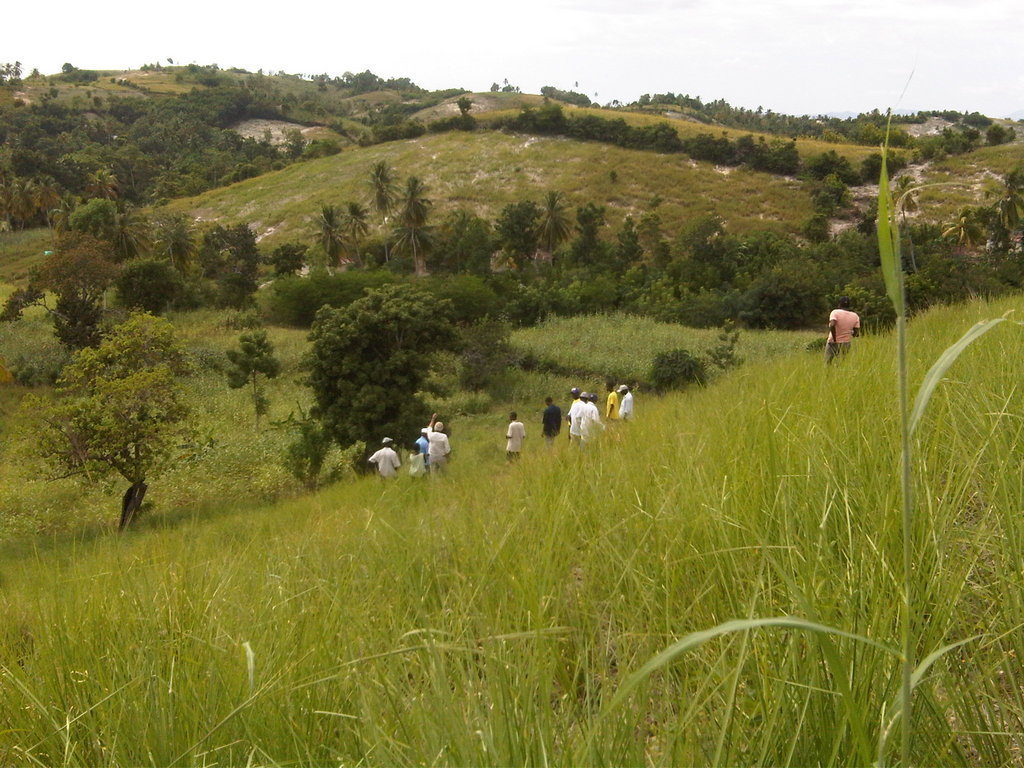
After the January 2010 earthquake, EVI's work  in the south of Haiti focused on supporting the recovery and sustainable development of Vetiver Essential Oils, and in so doing, revitalizing and expanding an industry that provides livelihoods to so many.  In 2010, EVI utilized donor funds to conduct an impact assessment of the earthquake on Vetiver growing areas.  This assessment has helped to identify the four key areas that the Haiti Sustainable Vetiver Initiative will focus on:

  1. Food aid and distribution to rural areas impacted by mass migration from urban areas impacted by the January earthquake.
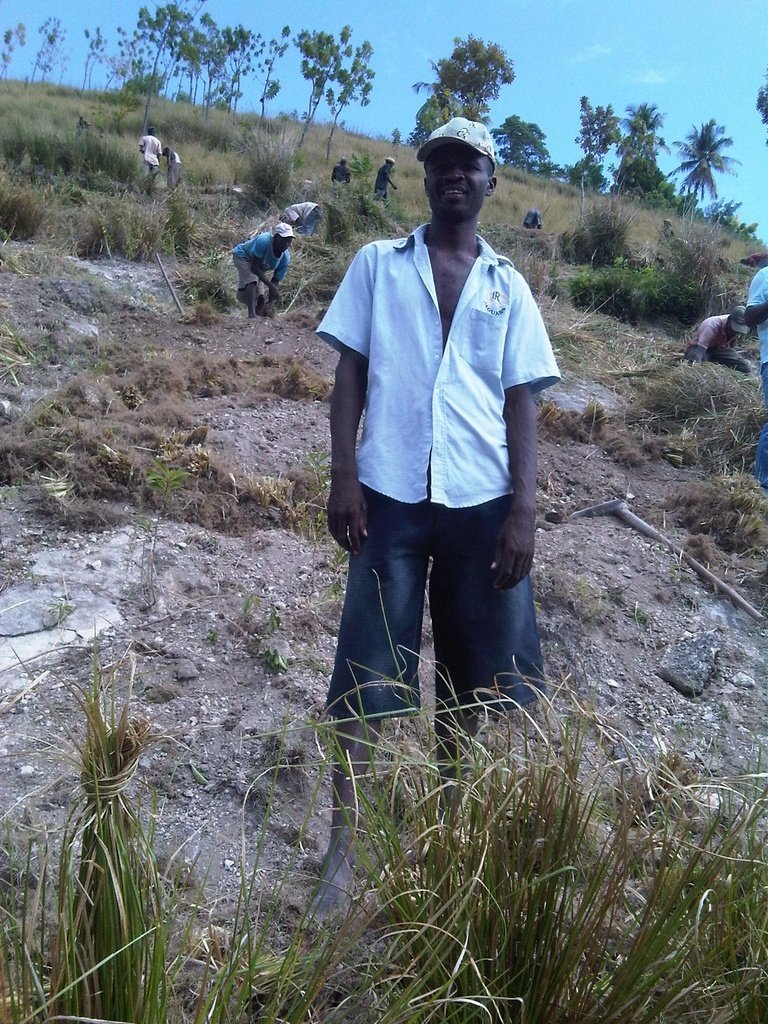
  2. Adoption of sustainable land management and harvesting practices by farmers in the south for the purpose of soil erosion control, increased water access, increased soil fertility, and disaster management and prevention
  3. Increased incomes for farmers through the diversification of economic activities
  4. Promotion of alternative fuel sources to prevent further deforestation and avoid health risks associated with the use of wood and charcoal cooking fuel

EVI’s 2011 activities focus on the development of a Business Model and Financing Strategy for sustainable biomass fuel briquettes. EVI’s team has dedicated significant time building this social enterprise model to increase the production and sale of biomass briquettes to household and private sector markets in Haiti. The anticipated outcome will be the decreased use of petroleum fuel in the Vetiver distillation process – a climate mitigation strategy, cost savings for Vetiver distillers – supporting the overall growth of the sector, an additional income source for Vetiver farmers through the production and sale of briquettes, and decreased deforestation as biomass briquettes lessen the need for charcoal collection. 

If you would like additional information, please email Lauren@eco-ventures.org 

Nov 23, 2010

Partner Update Two: Mouvman Moum Mango (3M)

John O’Malley Burns, a retired organic certification inspector who leads the 3M initiative, is currently working to slow the rapid spread of cholera in Haiti by teaching growers to make homemade oral rehydration salts (ORS) which are not currently available in the marketplace. ORS rehydrate individuals who have lost dangerous amounts of water due to severe illness. In Haiti, providing the knowledge to make ORS at home in extreme situations heightened most recently by Hurricane Tomas, which hit the island last week, is key to saving lives. In this difficult time, we ask for your thoughts and support as 3M continues its efforts to rebuild a stronger, more sustainable Haiti.  

Sep 2, 2010

Partner Update: Mouvman Moum Mango (3M)

Organic Inspection
Organic Inspection

Mouvman Moum Mango (3M), Haiti

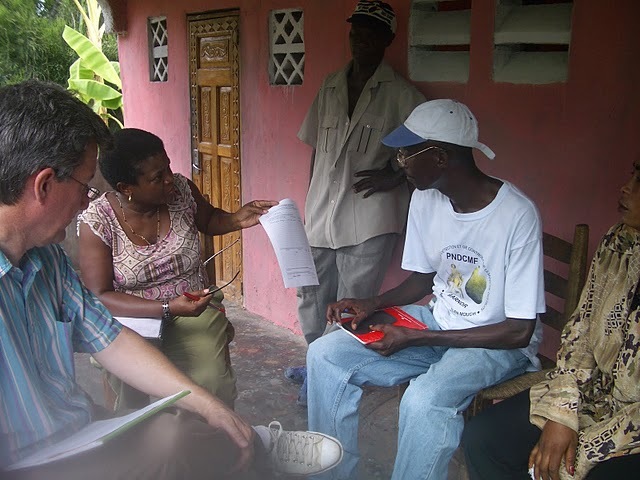
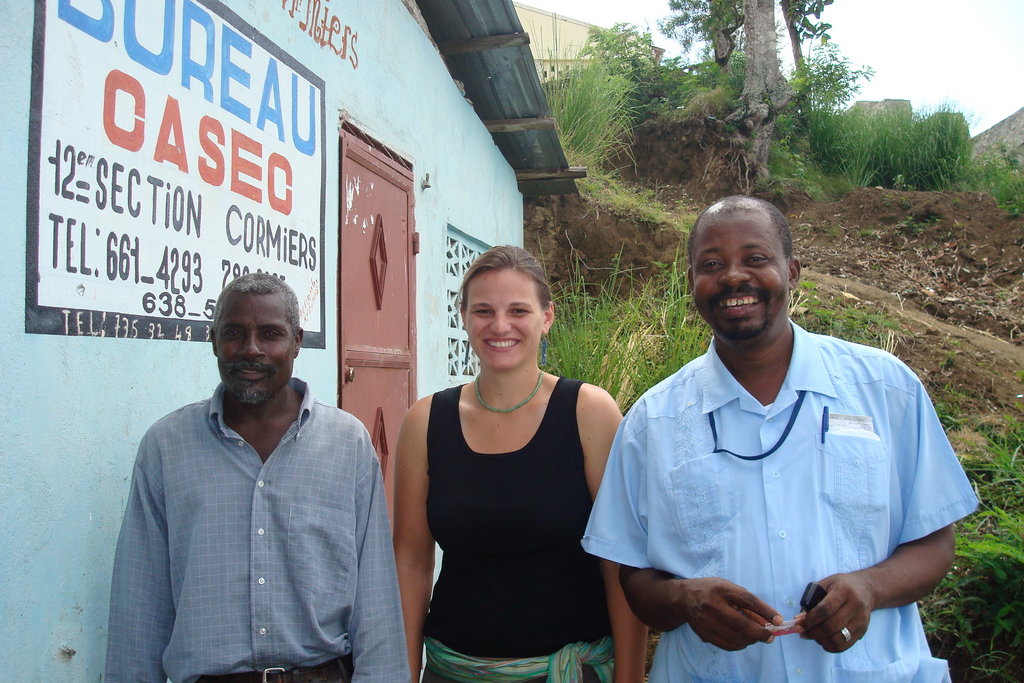
Mouvman Moun Mango, or Movement of Mango People, is a volunteer organization lead by retired organic inspector John O’Malley Burns. 3M organizes and works directly with small mango growers in ten regions by assisting communities to attain and maintain organic and fair trade certifications, allowing growers to receive a higher price for their mangoes.

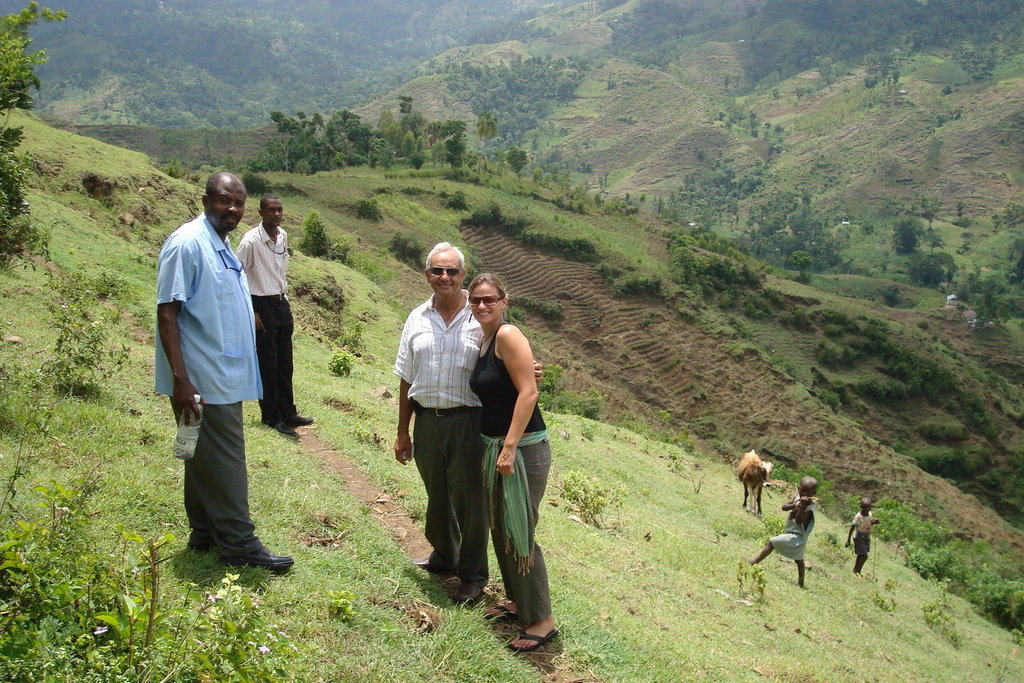
In partnership, EVI and 3M support sustainable farming practices including training and technical assistance to farmers who are pursuing new methods of growing and processing agricultural goods. This encourages farmers to pursue added-value practices such as certification and crop diversification which increases a products market value and benefits the environment.

Through organic certification and sales of Fair Trade Certified™ mangoes to Whole Foods Market in the U.S., farmers groups in five rural regions have been able to receive a reliable and value-added income for their product and have thus, seen their profits rise by approximately 100%. John O’Malley Burns from 3M: “There is an extraordinary opportunity here to bring this economically and socially fractured country together around the common and uniting goal of rebuilding after the quake. How can we make the coming change a lasting change to get the country back to better than it was?”

About Project Reports

Project Reports on GlobalGiving are posted directly to globalgiving.org by Project Leaders as they are completed, generally every 3-4 months. To protect the integrity of these documents, GlobalGiving does not alter them; therefore you may find some language or formatting issues.

If you donate to this project or have donated to this project, you will get an e-mail when this project posts a report. You can also subscribe for reports via e-mail without donating or by subscribing to this project's RSS feed.

Retired Project

This project is no longer accepting donations.

Still want to help?
Support another project run by EcoVentures International that needs your help, such as:

Organization

EcoVentures International

Project Leader

Lauren Frederic

Washington, D.C. United States

Where is this project located?

Map of Future Fuels Rebuilding Livelihoods in Haiti