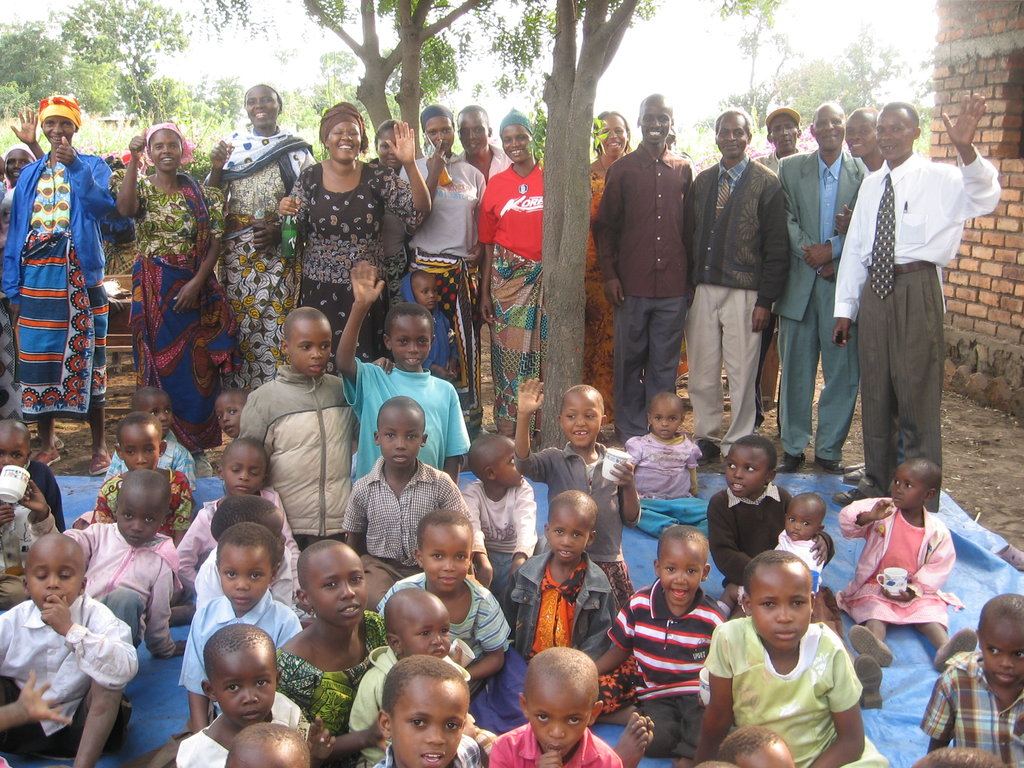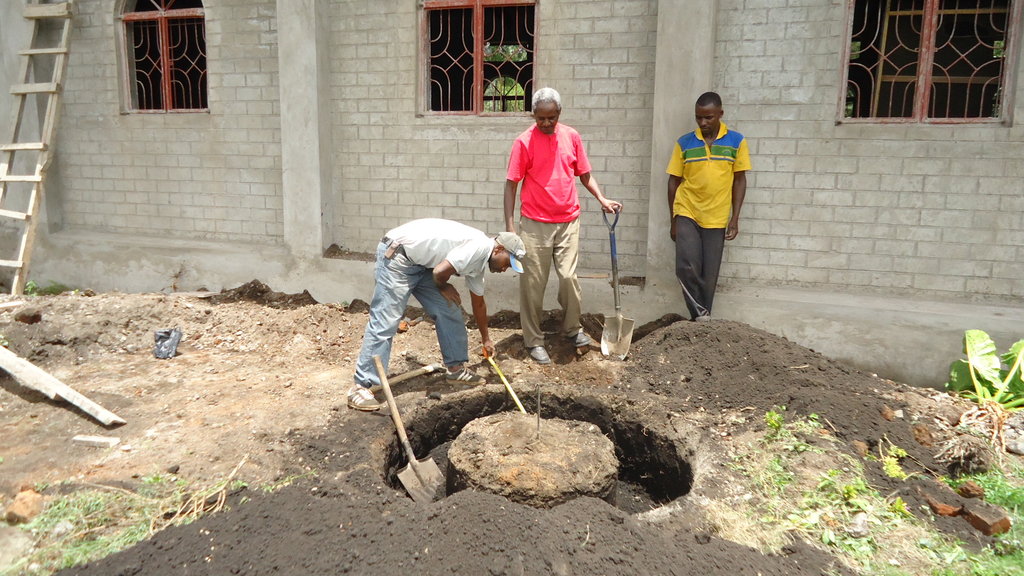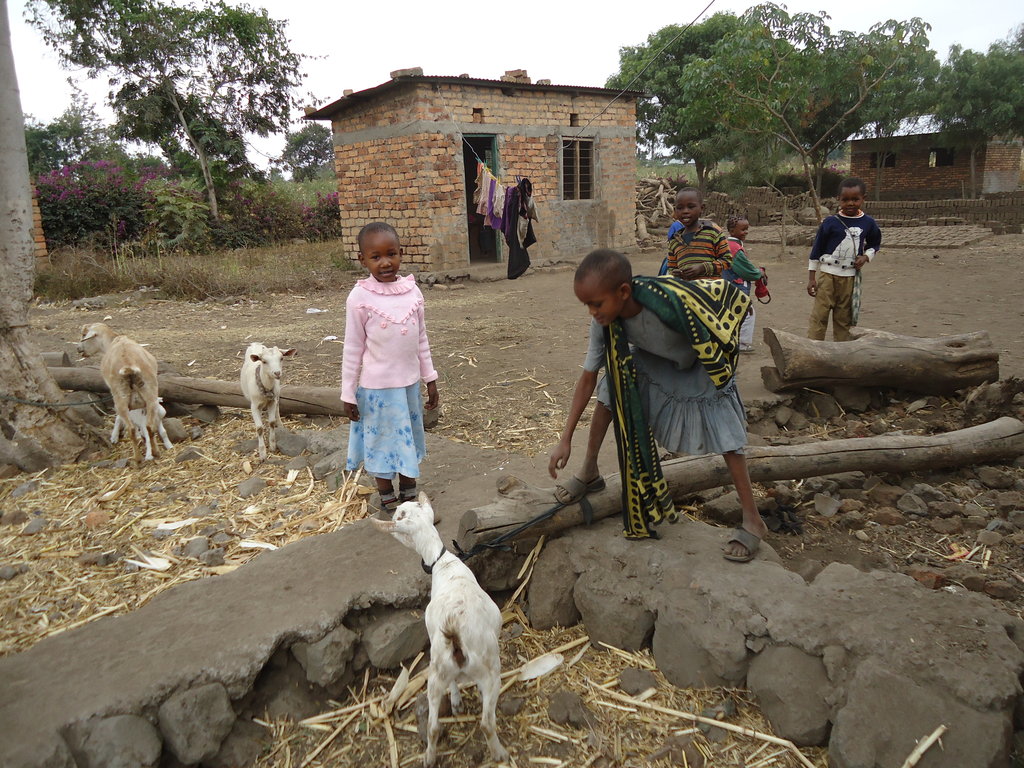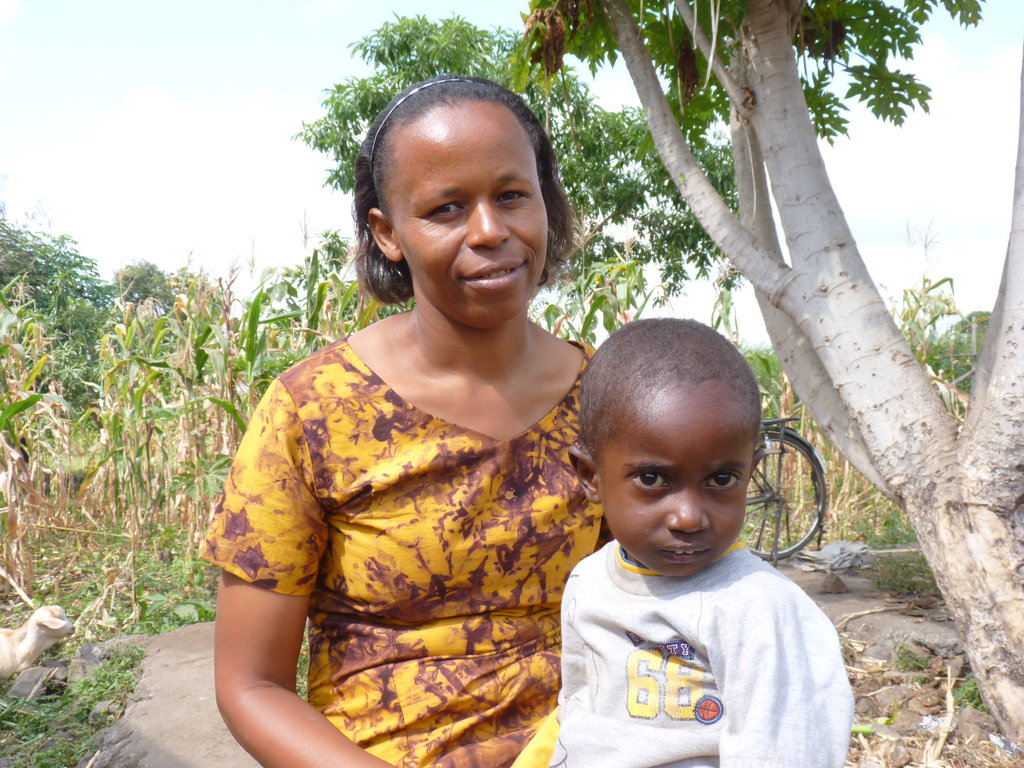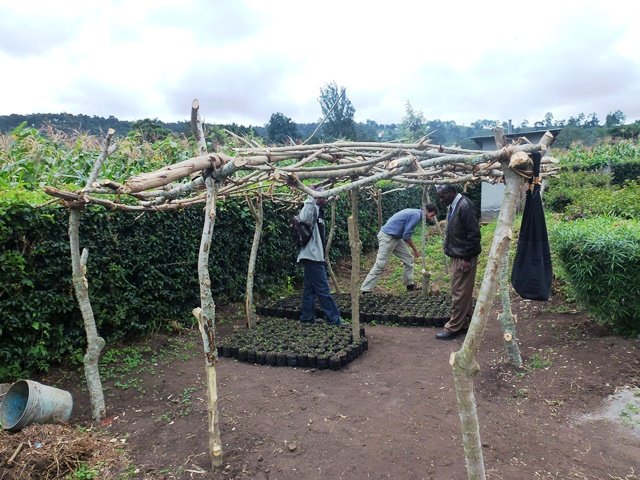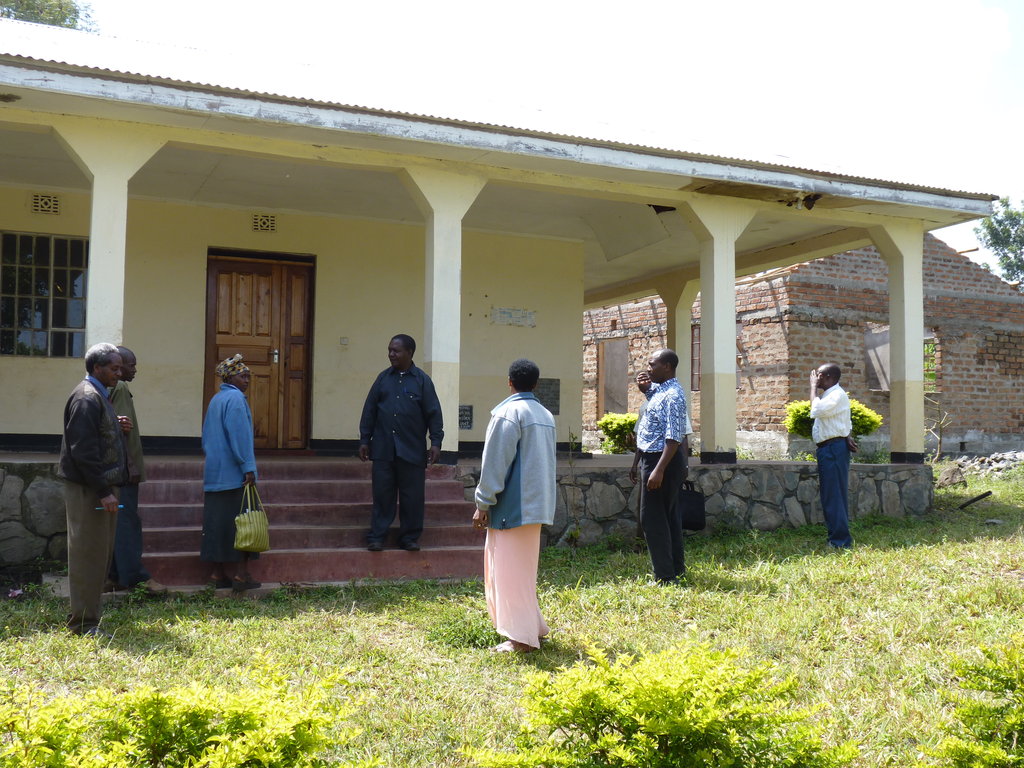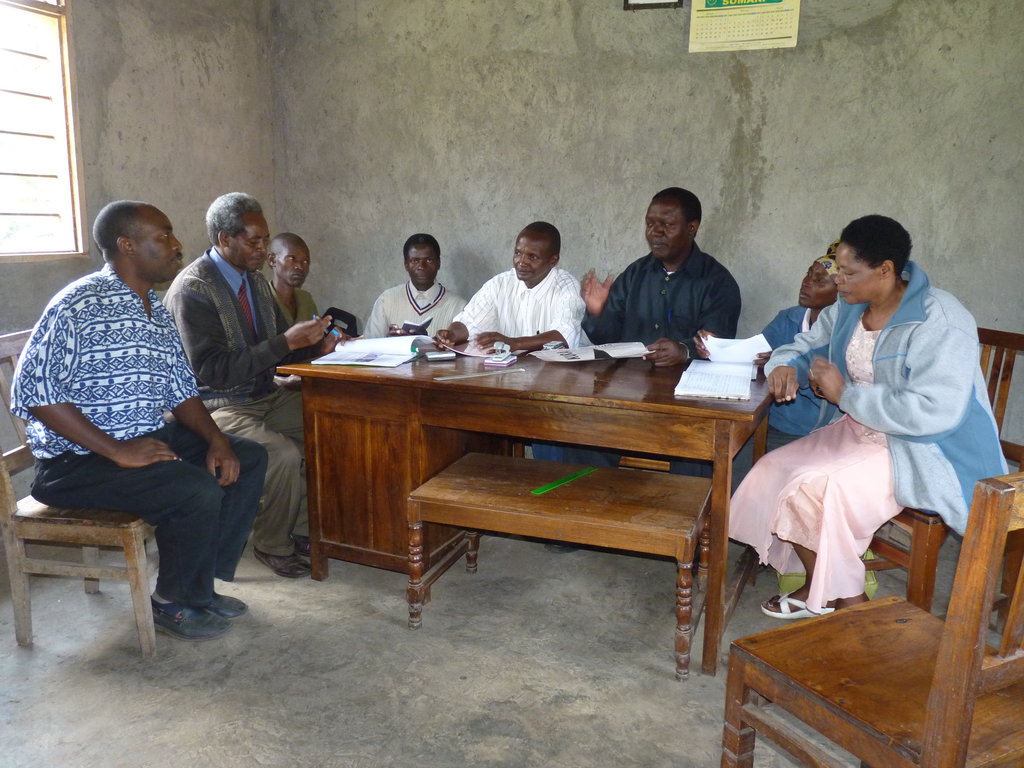
The project intends to provide clean-safe drinking water and better hygiene for 5,000 Ngyeku villagers in Arusha region-Tanzania. This will be achieved through sinking of a borehole of 150m deep, water analysis to test the quality of water, Construction of a water distribution tank of 135,000 litres, Pump house, Installation of the pump, digging trenches and laying pipes to different water points involving Primary school, Secondary school, Rural community health centre and other 5 public areas.
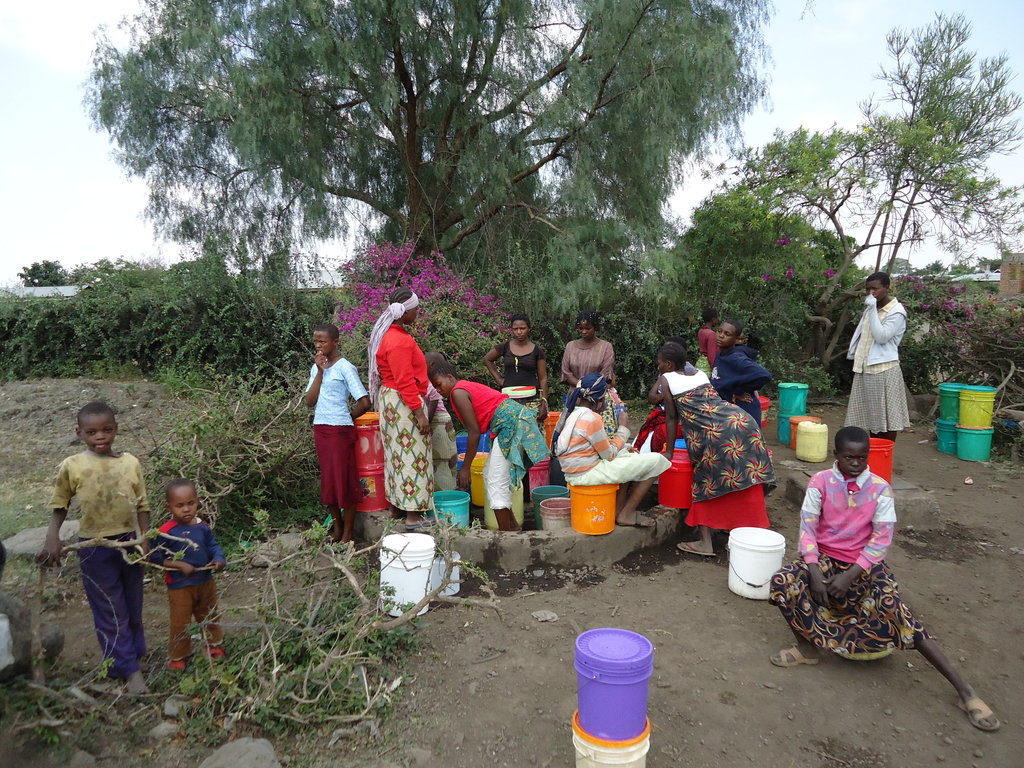
Evidence of water stress and access problems is apparent among the 5,000 Ngyeku villlagers. They depend on water from unprotected shallow wells to meet their needs involving domestic uses, livestock keeping and farming practices. Women and children, especially the girl-child have to walk 1-6 km twice a day to get water from the natural spring or shallow wells, making children to have less time to concentrate on their school work and for women less time to do other social activities.
The project fund will be used to sink a borehole, install a submersible pump and construct a 135,000 litres water tank, a water purification unit, the requisite piping and standpipes. It will ensure that people have access to continuous supplies of safe water, therefore reducing walking distances for many women and children who walk for 1-6 kilometers looking for water. The rural community health centre will have access to clean safe water - at present they have no guaranteed source of water.
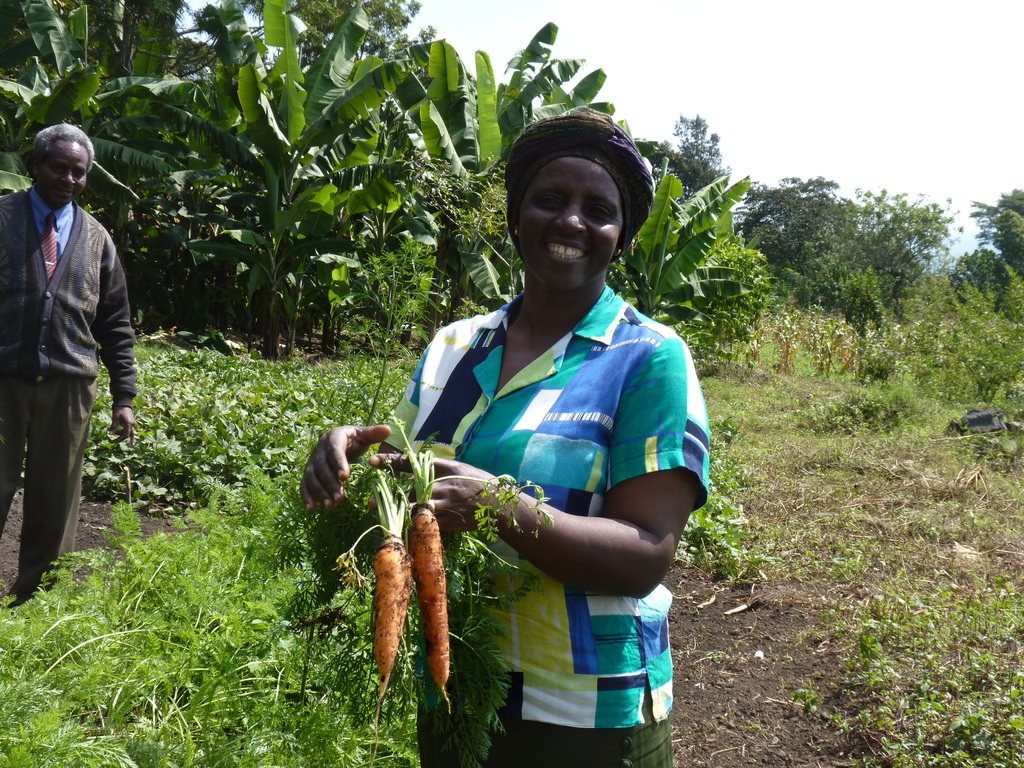
We will have enabled women to embark on other sustainable income generating projects, given that they and their children will spend less time fetching water. Children will be able to attend school instead of fetching water so enhancing their prospects in life. Enhanced use of groundwater and rainwater harvesting for 5,000 Ngyeku villagers, to deal with the increased extremes, highs and lows, which are expected as result of climate change. The rate of water related diseases will be reduce.
This project has provided additional documentation in a Microsoft Word file (projdoc.doc).