Peace Education Programs for Afghan Children

 
$2,271
$27,728
Raised
Remaining
Dec 22, 2010

Afghan parents reinforce peace values in the home

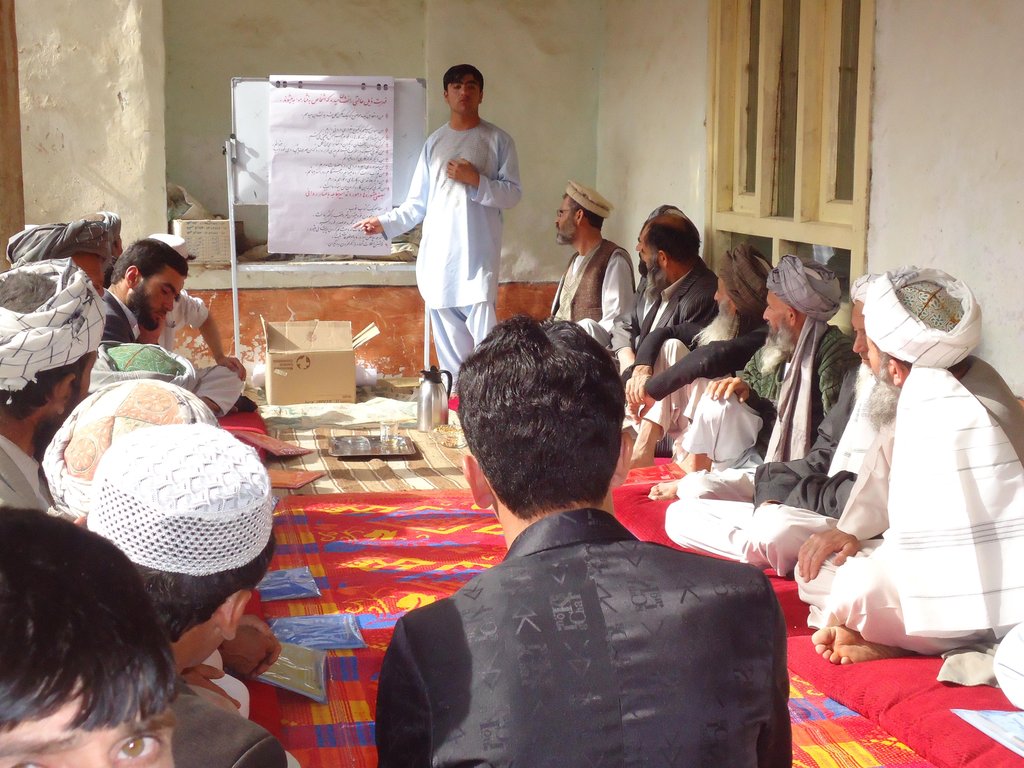
The future of Afghanistan lies in the hands of its children, but the road to a peaceful Afghanistan is long and difficult. Simply teaching peace education in Afghan schools is not enough.  Children need the wisdom, kindness and courage of their parents to navigate this rocky road.  That is why HTAC's peace education program extends beyond the classroom and actively involves the parents of children.

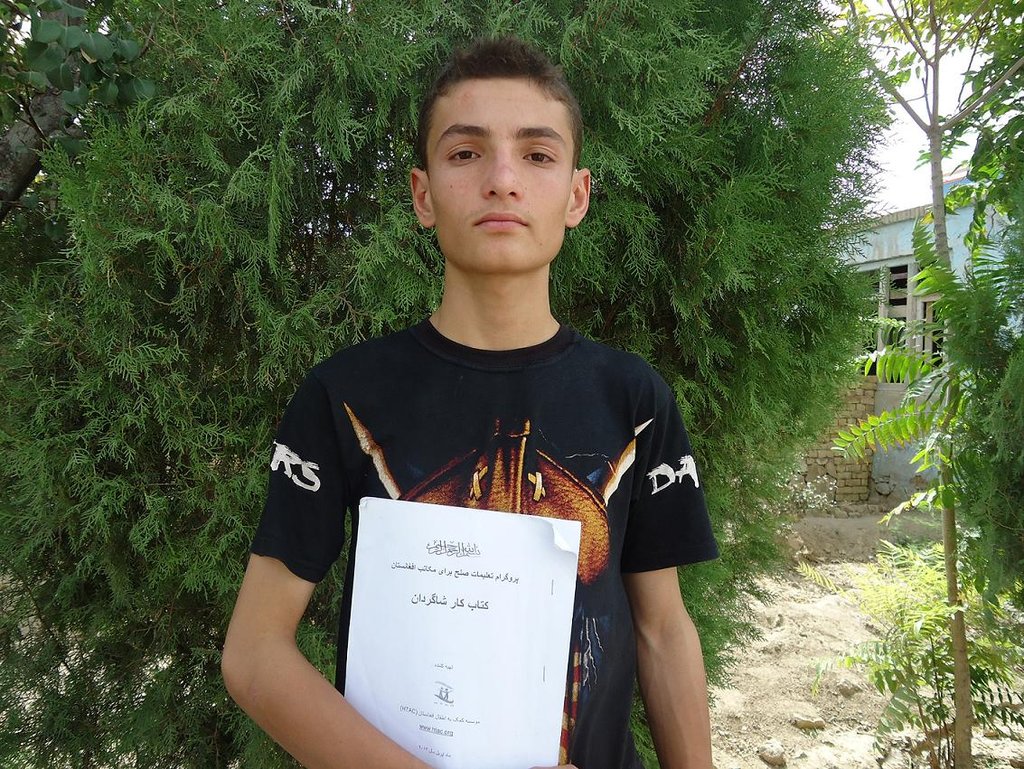
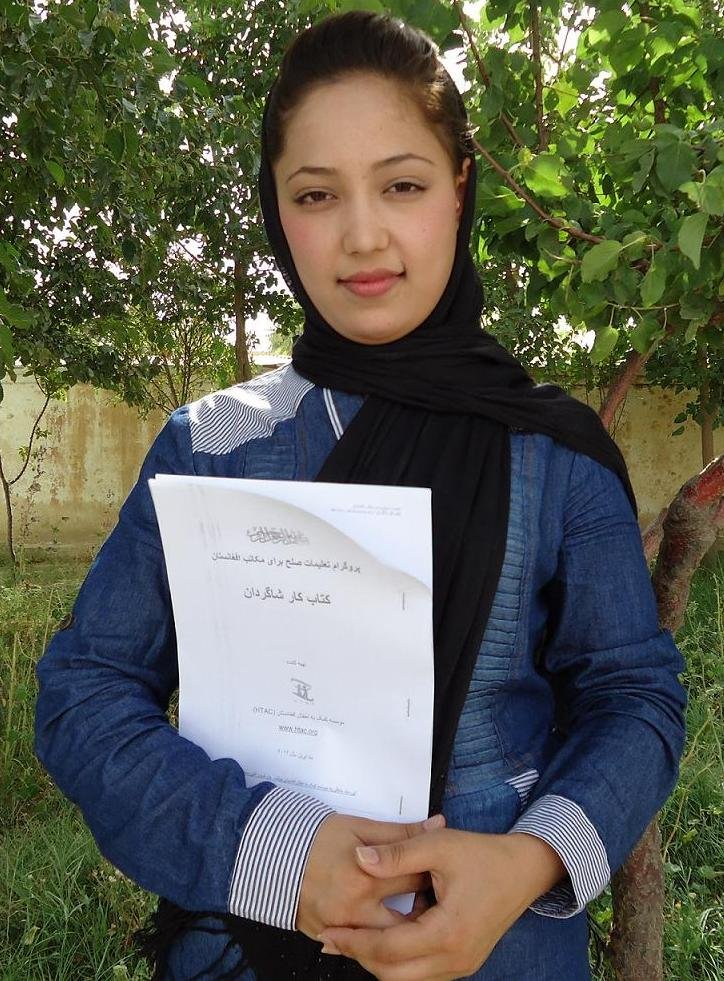
HTAC helps get parents involved in three special ways; 1) inviting parents to local schools (where we teach peace education) and provide them with an orientation about the program and what their children are learning about peace; 2) providing parental guides about special activities parents can do in their homes to reinforce the principles and values their children are taught in the classroom; and 3) giving parents opportunities to come to school and watch their children perform in mini peace theater mini-presentations.

Far too many Afghan children (at no fault of their own), have been emotionally traumatized due to the on-going war and conflict in their country, either by observing violence first-hand, learning about the death of a loved-one, or in some unfortunate cases, actually experiencing physical violence.  HTAC's peace education program is designed to address the root causes of violence and teach children how to cope with their fears and insecurities and develop positive, empowering behaviors that help them reject violence and live peaceful, productive lives.

In our program, parents are taught the same skills of coping with trauma that their children learn so they can be replicated in the home.  Parents also learn how to practice the same positive modeling skills (in front of their children) that teachers use in the classroom, especially the use of positive motivation and (conversely) avoid hitting or yelling at their children.  Over time, these lessons help children and parents better communicate with one another and establish a loving, trusting, nurturing home environment. 

Watching their children perform in peace-oriented mini-plays is oftentimes a magical experience for parents who not only express pride in seeing their child perform on stage, but reinforces the parents' commitment to integrate peace values into their child's everyday life- and in the process, helps fundamentally change parents' behavior for the better.  Collectively over time, an entire Afghan community learns how to embrace peace and reject violence.

Oct 3, 2010

Peace Education program is producing results!

Without the caring support and intervention of teachers, parents, and community members, far too many Afghan children, especially boys, who have been traumatized through exposure to violence, grow up believing that violence is the only solution to resolving their problems and they become an unwitting part of the country's never-ending cycle of war and terror.

HTAC's peace education program is now producing tangible results that demonstrate that Afghan children can indeed learn to embrace the principles of peaceful everyday living and reject violence.

In one of our largest studies to date involving 2,800 boys and girls at 7 targeted schools, HTAC's peace education team is beginning to see measurable changes in children's behavior once they have been exposed to our program.  In this study, aggressive conflicts between students has decreased by 52% over a 4 month period.  Conversely, 45% more students have been observed using non-violent conflict resolution techniques to prevent and/or resolve conflicts from escalating into fights.  Just as impressive, teachers are reporting that well over half (55%) of all their students are consistently role-modeling positive peace-related behaviors they have learned in the classroom.  Examples include- showing respect to other students, asking for help when frustrated, and seeking solutions with other students to common problems.

While there's much work to be done, many of these children (especially boys), are taking pride in becoming 'peace mediators' in their respective classrooms, oftentimes teaching younger children that fighting and harassment has no benefit in their lives; that there are other, more positive ways to gain respect among their peers and feel good about themselves.

Jul 1, 2010

Helping Children to Reject Violence

Far too many Afghan children have grown up in an environment where they have been physically and emotionally traumatized by violence. Left unattended, most of them will grow up believing that violence is the only way to resolve conflicts, thus perpetuating Afghanistan's 30 year cycle of internal war and terror.

HTAC's peace education program is dramatically changing the attitudes and behaviors of Afghan children by introducing and practicing various forms of positive behaviors that our trained teachers consistently role-model in the classroom and teach parents to reinforce in the home.

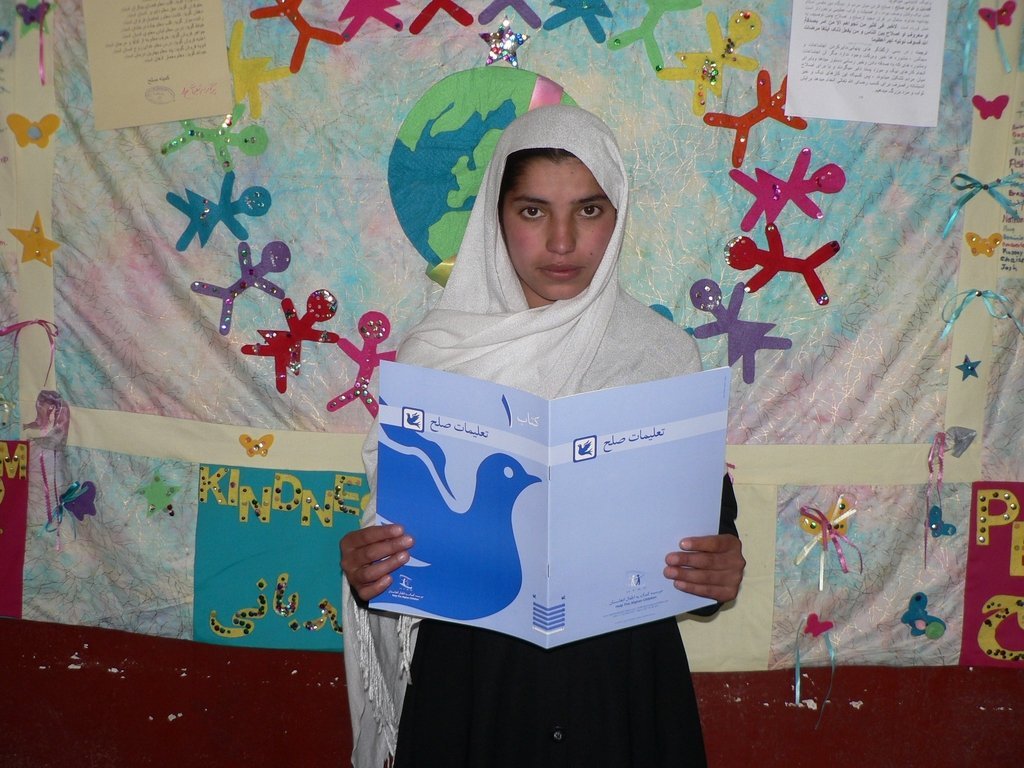
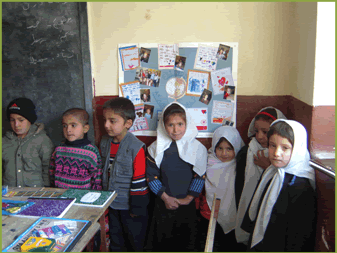
Under the guidance of their teachers, Afghan boys and girls learn to work with peace puppets in acting out their frustrations, anger, sadness, and fears. Using story themes from our 'Journey of Peace' illustrated storybooks, these students adopt different characters, creating mini-plays that are performed in front of their classmates, and later, their parents. Students learn that aggressive behaviors do not lead to successful, satisfying outcomes, but rather learning and incorporating positive behaviors such as patience, respect for others, cooperation, and seeking non-violent solutions to problems.

So far in 2010, HTAC's peace education program has been successfully implemented in 20 schools, directly benefiting 7,850 students.

Apr 16, 2010

Peace education program in Afghanistan

HTAC is proud to share the following testimonial on how our peace education program is impacting Afghan children. The letters come from paretns of enrolled children.

Dear Teacher, salaam, We are very thankful to the peace education program that is benefiting our daughter. Anahita Jan (their daughter) never took part in chores, never put her clothes in place, never helped her sisters and mother, and was always complaining. But after joining the peace education program she has changed completely. She now participates in chores around the house and knows how to keep everything clean and in its own place. She is very cooperative with her sisters and (instead of complaining), she is asking how she can be more helpful. When visitors come to our home she is cheerful and respectful. We are happy for the lessons that our daughter learned in class. She applies those lessons learned in her daily life. Regards, Anahita's parents

Hello to the peace education teacher, I am very thankful to the peace education program organizers because it has had a lot of positive effects on my son, Omar, and we are very happy that such a program is running in the school. The program has taught Omar to listen and be patient and not always fight and yell. He is much calmer now although he will still argue his point, but he does this in a respectful way. Most importantly, we see him smile more and be in a much happier mood. We think this program can help us have a good and peaceful family. Regards, Omar's father

May 6, 2009

Peace Education update

Afghanistan's future has always rested in the hands of each new generation of its most vulnerable citizens; its children. Yet, for almost 30 years, Afghan girls and boys have too often been the forgotten innocent victims of a never-ending cycle of violence, conflict, and terror.

The emotional trauma for children cannot be overestimated. Many Afghan children who were (and still are) exposed to violence in some way, have difficulty coping and are thus reluctant to seek the comfort from a trusting adult, including their own parents. This in turn affects their attitudes and abilities to develop positive behaviors and critical learning tools they will need if they are to become productive adults.

Help the Afghan Children (HTAC's) peace education curriculum is helping many of these children deal with the emotions and consequences of anger, fear, fighting, and sadness, while helping them embrace values such as patient, apologizing, bravery, sympathy, mediation, and mutual respect.

A new aspect of HTAC's curriculum has been the introduction of our "Journey of Peace" storybooks. Each of these 16 original, illustrated books are written in Dari, Pashto, and English. The books communicate the message of peace on a very personal level. They provide children with current, real-life examples of the challenges they often see for themselves; especially the underlying emotional trauma of witnessing or experiencing violence, while offering realistic actions children can take to help promote the healing process.

Introduced to over 1,500 students this school year, our storybooks are already beginning to help Afghan children, especially boys, better cope with their emotions, engage in positive behaviors with other students, and with the help of teachers (who also provide guidance to the parents of these children), facilitating a more trusting and nurturing home environment.

In a male-dominated society like Afghanistan, helping young boys incorporate the lessons of peace in their daily lives will go a long way in eventually moving Afghanistan away from war and violence as a country.


Attachments:

About Project Reports

Project Reports on GlobalGiving are posted directly to globalgiving.org by Project Leaders as they are completed, generally every 3-4 months. To protect the integrity of these documents, GlobalGiving does not alter them; therefore you may find some language or formatting issues.

If you donate to this project or have donated to this project, you will get an e-mail when this project posts a report. You can also subscribe for reports via e-mail without donating or by subscribing to this project's RSS feed.

An anonymous donor will match all new monthly recurring donations, but only if 75% of donors upgrade to a recurring donation today.
Terms and conditions apply.
Make a monthly recurring donation on your credit card. You can cancel at any time.
Make a donation in honor or memory of:
What kind of card would you like to send?
How much would you like to donate?
gift Make this donation a gift, in honor of, or in memory of someone?

Organization

Help The Afghan Children

Project Leader

Stephen Perlman

Consultant, HTAC
Fairfax, Virginia United States

Where is this project located?

Map of Peace Education Programs for Afghan Children