The importance of building and repairing latrines in schools
On a recent visit to Bonke Woreda in the Gamo Gofa region of southern Ethiopia, we witnessed first-hand the importance of improving the environment in the fight against avoidable blindness.
Bonke is a very remote part of southern Ethiopia which is not easily accessible, particularly during the rainy season. With a population of 167,000 people it is difficult to establish and maintain proper sanitation facilities. As a result, bacteria can spread quickly and trachoma infections are very common. Until recently, open field defecation around the periphery of the villages was a common phenomenon in the area. This caused a huge problem for local schools that typically have around 300 pupils or more.
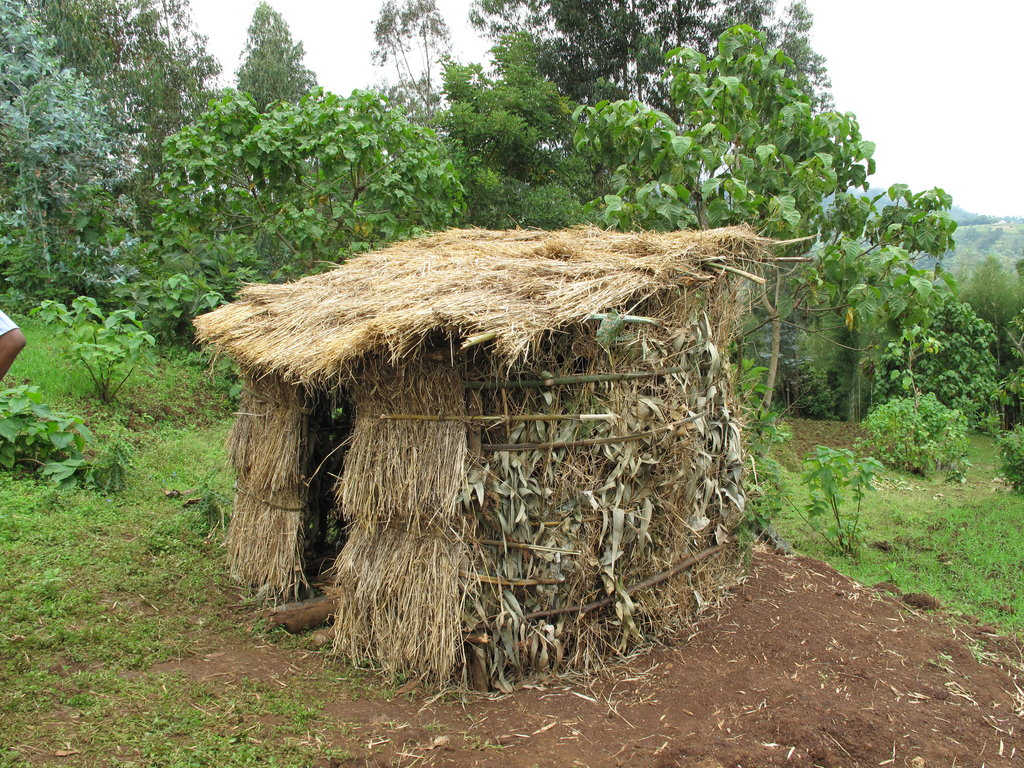
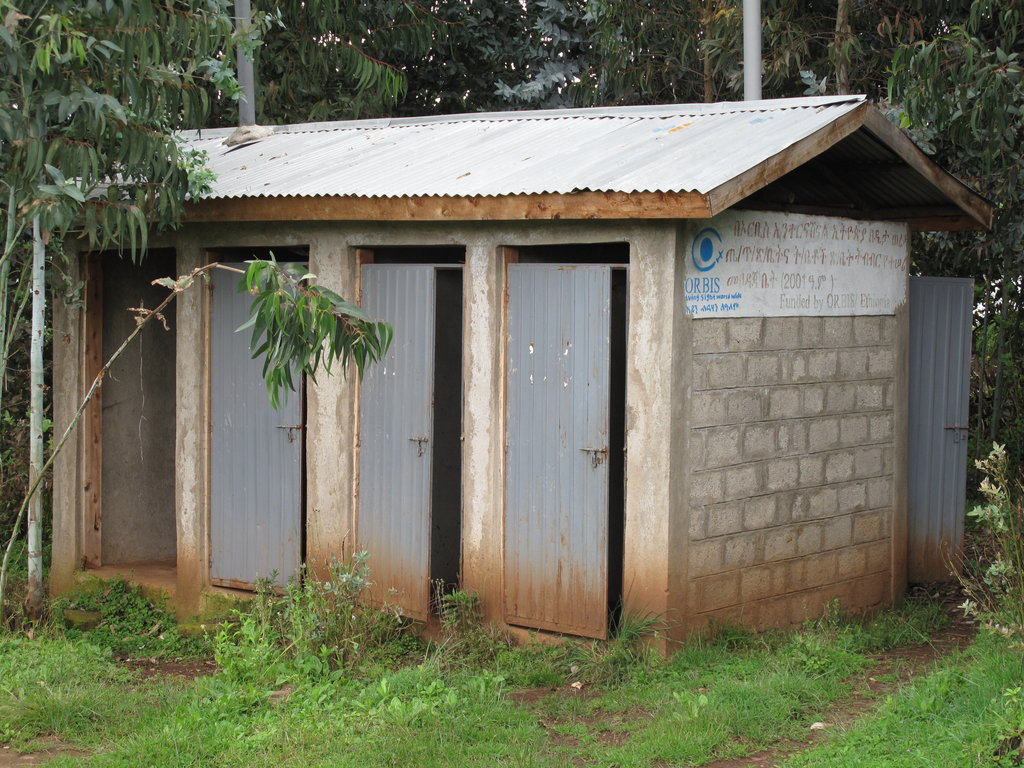
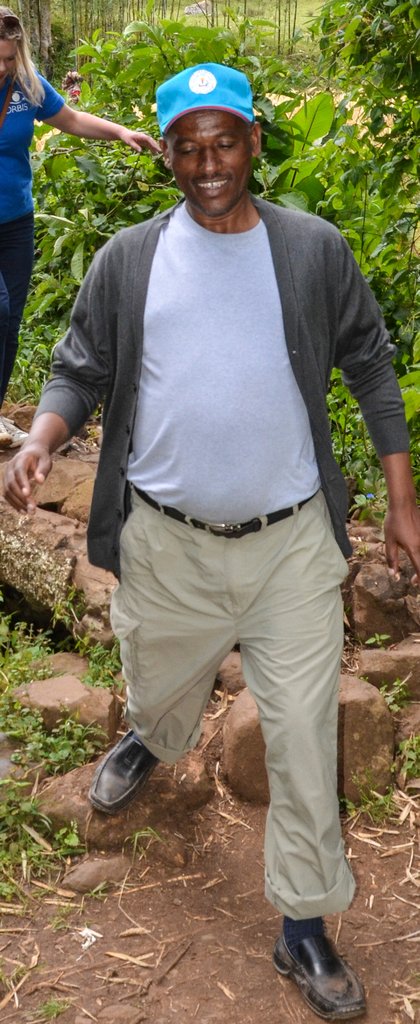
While in Bonke we visited a school nestled in the hills and surrounded by a number of small villages. We were shown an old latrine made out of reeds which had fallen down and decayed. This latrine was no longer being used by the children as it provided absolutely no privacy.
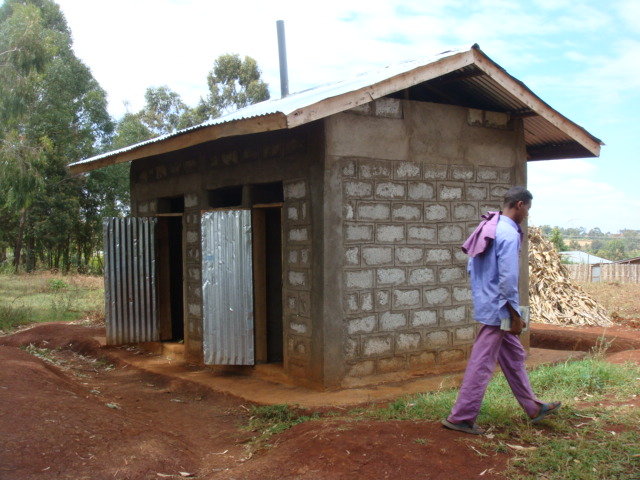
ORBIS recently built a latrine in the grounds of the school and this one was being used. However, the girls were objecting to using the same latrine as the boys so ORBIS was in the process of funding a second latrine in the school which was being built by a group of local men. The fact that demand exists for a second latrine within the school grounds reflects the changing attitudes amongst the children towards sanitation. This shows very positive progress in the fight against avoidable blindness.
As a result of ORBIS trained teachers and the construction of latrines in schools like the one we visited in Bonke, the practice of open field defecation is greatly reduced.
The changes in the attitudes and practices of the children are resulting in more and more people in the community realising the importance of good personal hygiene and sanitation. With your help ORBIS can fund the building of more latrines in schools and fight the spread of diseases like trachoma.
21st January 2013

Links:

The importance of improving sanitation and the environment in the fight against avoidable blindness
There are an estimated 9 million children in Ethiopia suffering from the blinding disease trachoma. On a recent visit to Dita in southern Ethiopia, I witnessed first-hand the importance of improving the environment in the fight against avoidable blindness.
ORBIS has adopted the four aspects of the World Health Organizations SAFE strategy. These are surgery to correct the advanced form of trachoma, distribution of antibiotics to treat the early stages, education with regard to the importance of face washing and personal hygiene and the improvement of the environment with regard to building latrines and providing access to clean water. In order to completely eradicate trachoma in southern Ethiopia, all four aspects of the SAFE strategy must be implemented at the same time.
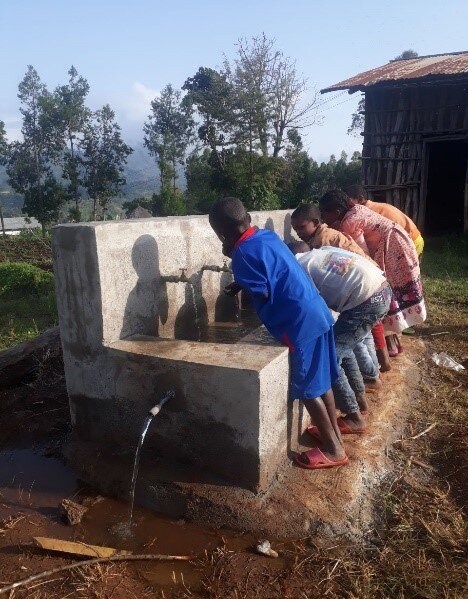
ORBIS is working alongside local communities to improve the surrounding environment through improving access to clean water and sanitation.
Dita is located in a very remote part of southern Ethiopia which is not easily accessible, particularly during the rainy season. With a population of 100,000 people it is difficult to establish and maintain proper sanitation facilities. As a result, bacteria can spread quickly and trachoma infections are very common. Until recently, open field defecation around the periphery of the villages was a common phenomenon in the area.
Health education through ORBIS trained teachers, health extension workers and integrated eye care workers; combined with the construction of model communal latrines has reduced the open field defecation practice.
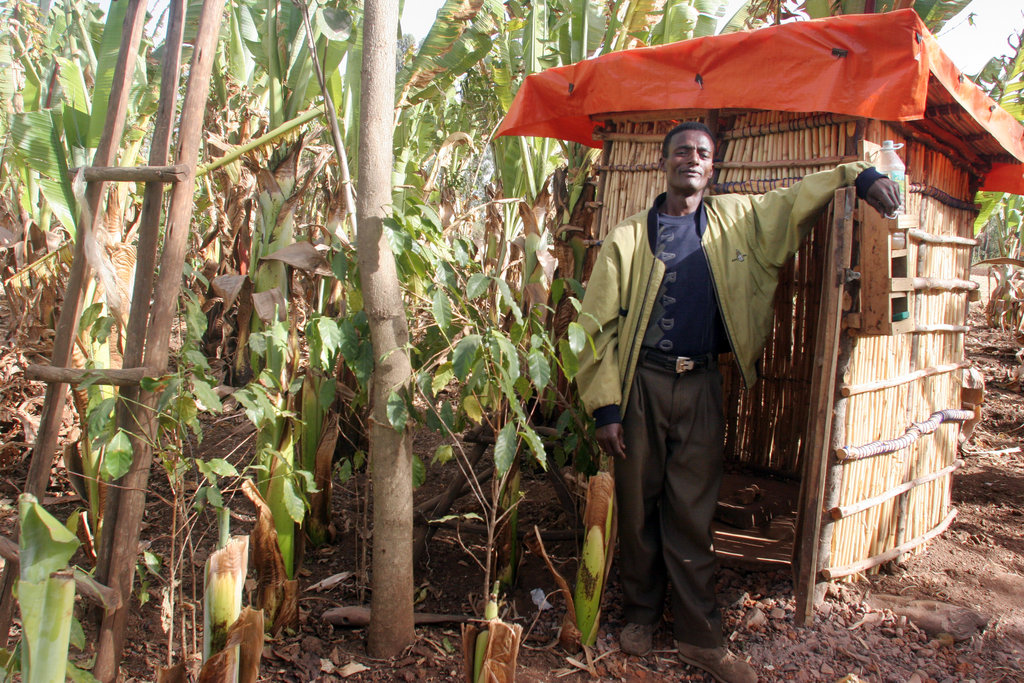
These changes in attitude in Dita are resulting in more and more locals realizing the importance of good personal hygiene and sanitation and they are also building their own household latrines using local materials.
The active involvement of communities is central to the complete eradication of trachoma and other bacterial infections. The construction of these latrines and the increased practice of using these facilities are central to the fight against avoidable blindness in the region.
9 November 2012
Links:
Trachoma is a major public health problem in many regions of southern Ethiopia. Scarcity of water, poor personal hygiene and environmental sanitation, overcrowding and lack of awareness on trachoma and eye care in general are commonplace in Konso. These conditions will inevitably give rise to trachoma infections.
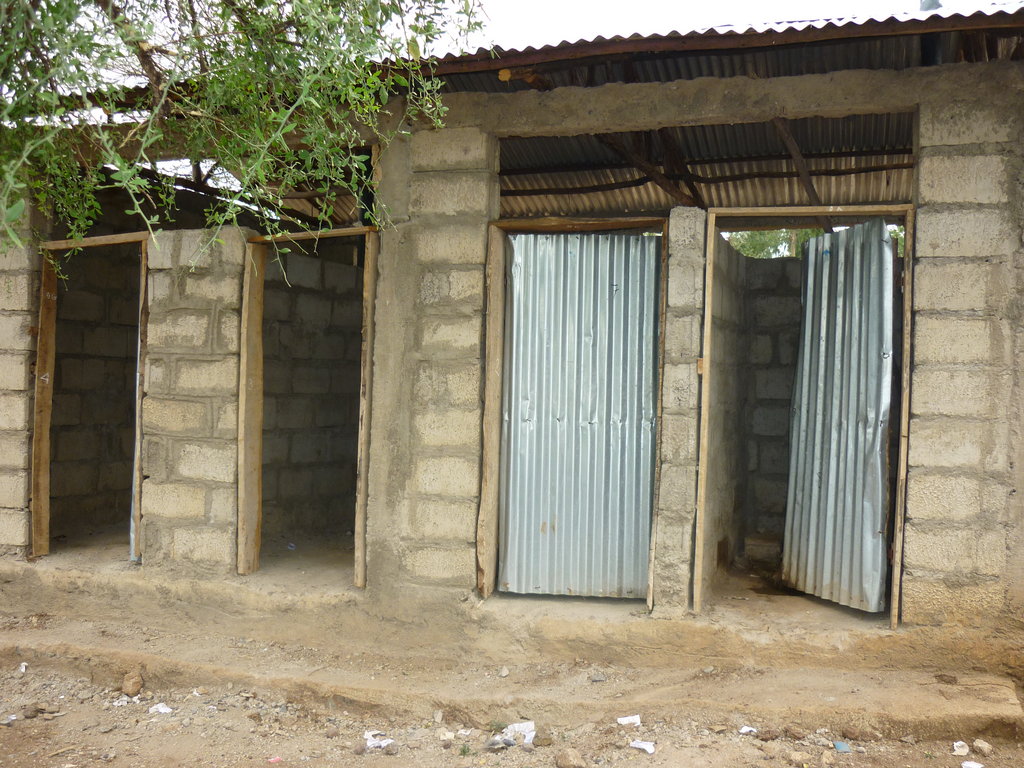
Konso is located 90km from Arbaminch in southern Ethiopia and has a population of 257,000. The Konso community is a dense, overpopulated area where it is difficult to establish and maintain proper sanitation facilities. These poor sanitary conditions mean that bacteria spread quickly and trachoma infections are common. Open field defecation around the periphery of the villages was a common phenomenon in the area until recently. Health education through trained teachers, health extension workers and integrated eye care workers, combined with the construction of model communal latrines has reduced the open field defecation practice.
Ato Temesgen Kabeto is the manager of this project and he works in collaboration with the Konso health office to plan, implement and follow-up the construction of the latrine until it is ready for use by the local communities. He had been working in the area as health officer and has experience in the public health aspect of the project. Construction of communal latrines starting from site selection up to the completion of the construction will take 2 to 4 months.
The average number of households using the communal latrine is about 80 which is approximately 480 individuals. The benefit that this improved sanitation has on the community in the long-term is significant. The active involvement of communities is central for the project to have a lasting impact. The construction of such latrines is to demonstrate to the local communities that the use of such facilities could reduce the disease transmission and maintain clean and healthy environment. Once communities understand the value and benefit of latrine use, they can then construct their own latrine from cheap local materials.
To reduce the episodes of trachoma ORBIS are desperately trying to transform this region. ORBIS aims to eliminate trachoma from this region through distributing the antibiotic zithromax (kindly donated by Pfizer), educating locals on the importance of personal hygiene and improving sanitation by providing clean water and building latrines. The community is now aware of the many benefits of having such latrines and there have been requests for additional latrines. By improving the surrounding environment and sanitation, the incidence of trachoma will be reduced significantly. With your support we can continue to work towards completely transforming this region so the next generation can grow up free of the threat of blindness.

I recently traveled to Dita in southern Ethiopia where trachoma is a major public health problem. This is largely due to a scarcity of clean water, poor personal hygiene and environmental sanitation. These conditions inevitably give rise to trachoma infections.
ORBIS works alongside the local communities to improve the surrounding environment through improving access to clean water and sanitation.
Dita is located in the highlands, where access and communication is extremely poor. With a population of just under 100,000 people it is difficult to establish and maintain proper sanitation facilities. These poor sanitary conditions mean that bacteria spread quickly and trachoma infections are common. Open field defecation around the periphery of the villages was a common phenomenon in the area until recently.
Health education through trained teachers, health extension workers and integrated eye care workers, combined with the construction of model communal latrines has reduced the open field defecation practice.
These changes in attitude in Dita are resulting in more and more locals realizing the importance of good personal hygiene and sanitation and they are building their own household latrines using local materials.
The active involvement of communities is central for the project to have a lasting impact. The construction of these latrines - both at a community and household level - will demonstrate that the use of such facilities could reduce the disease transmission and maintain clean and healthy environment.


Project Reports on GlobalGiving are posted directly to globalgiving.org by Project Leaders as they are completed, generally every 3-4 months. To protect the integrity of these documents, GlobalGiving does not alter them; therefore you may find some language or formatting issues.
If you donate to this project or have donated to this project, you will get an e-mail when this project posts a report. You can also subscribe for reports via e-mail without donating or by subscribing to this project's RSS feed.