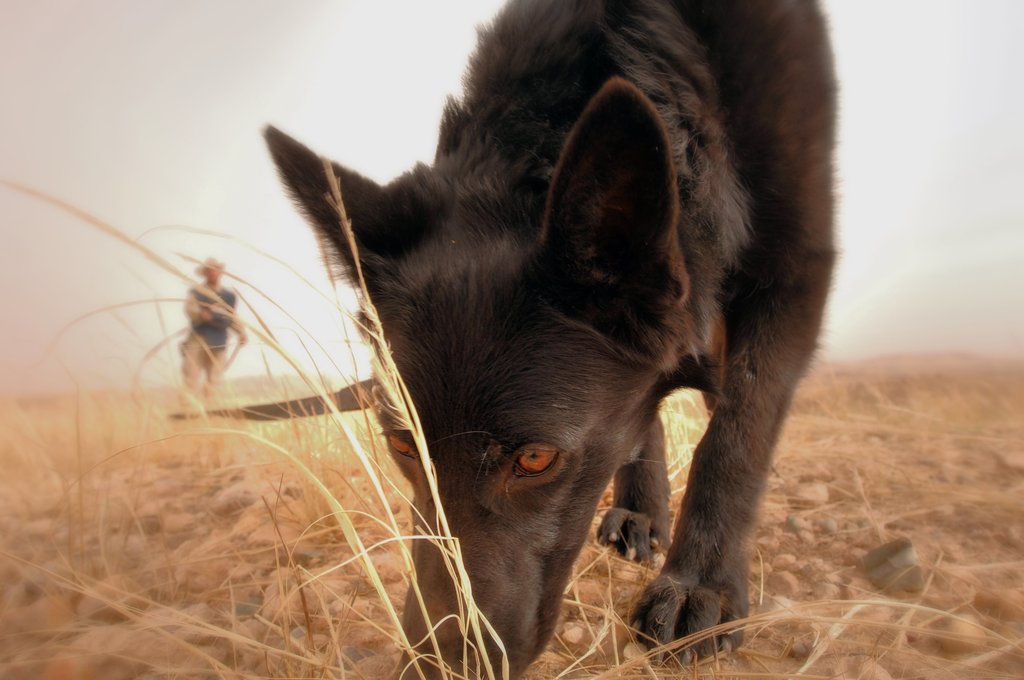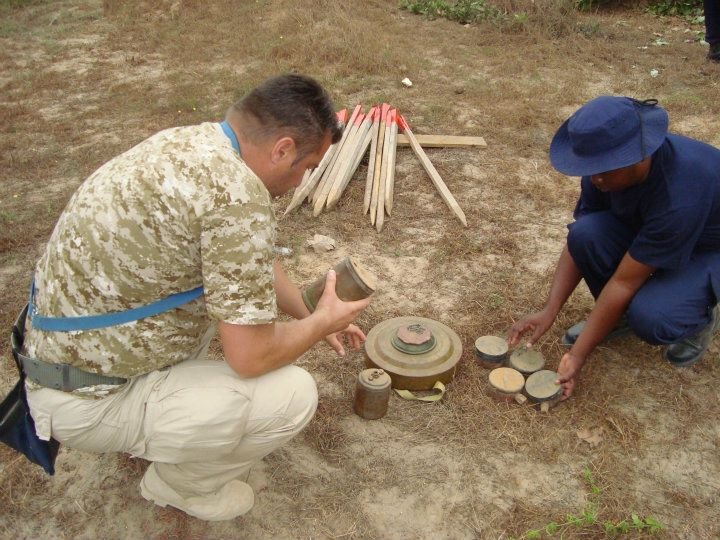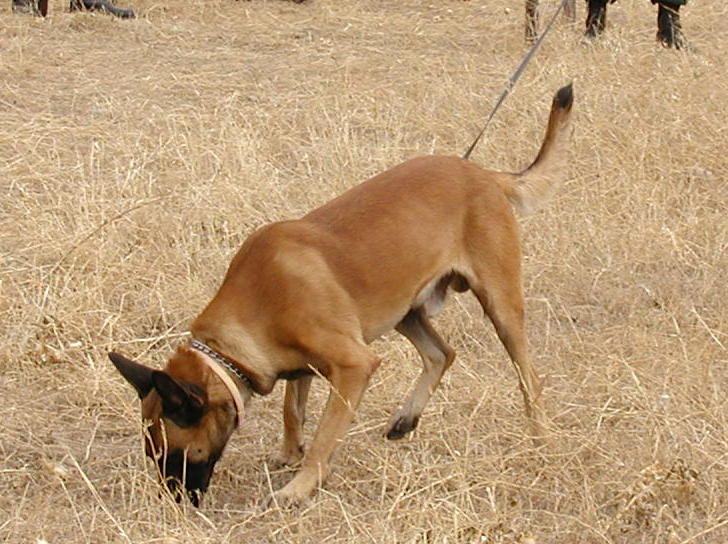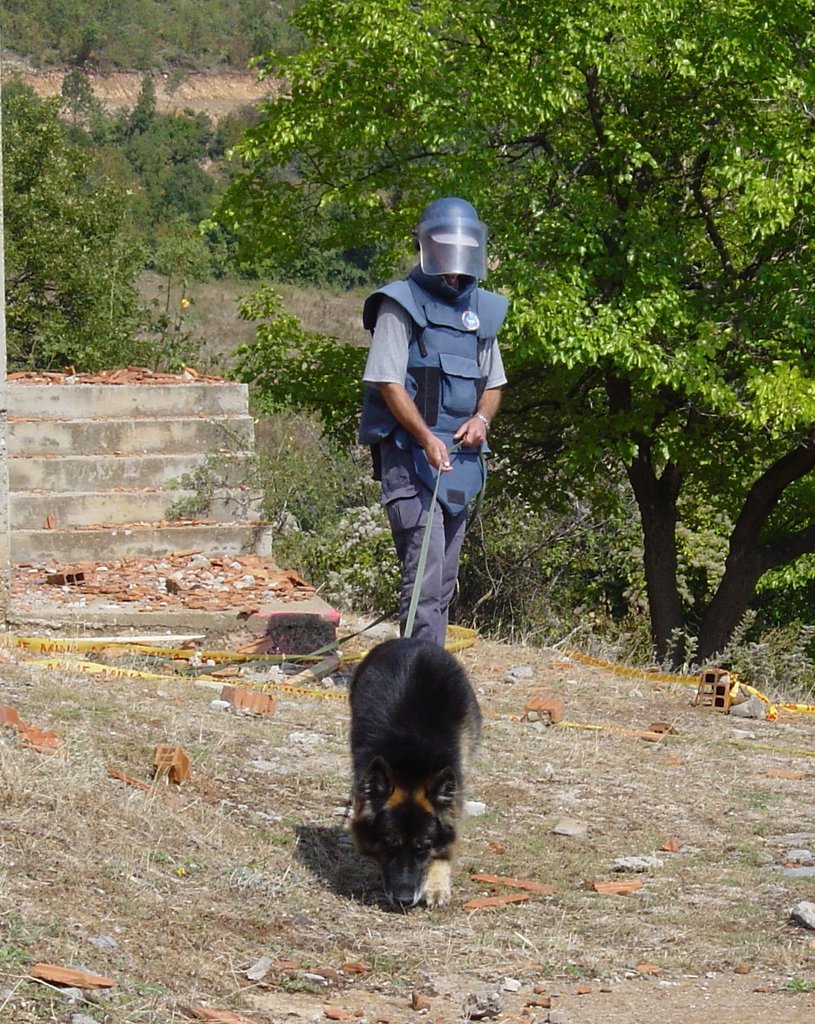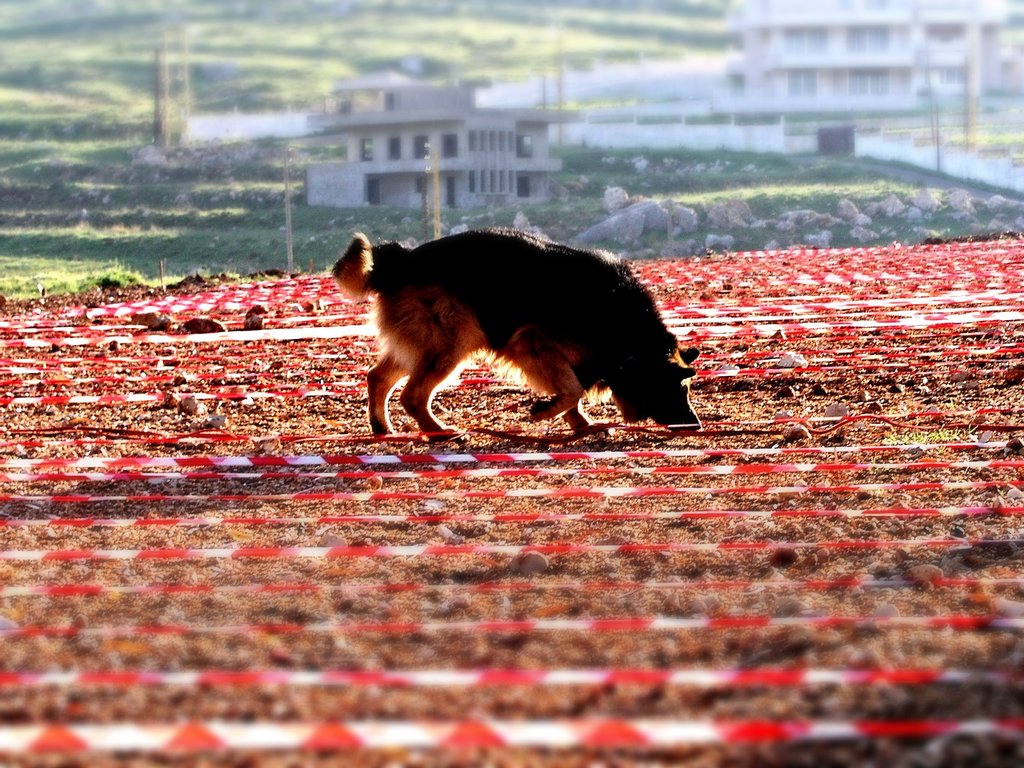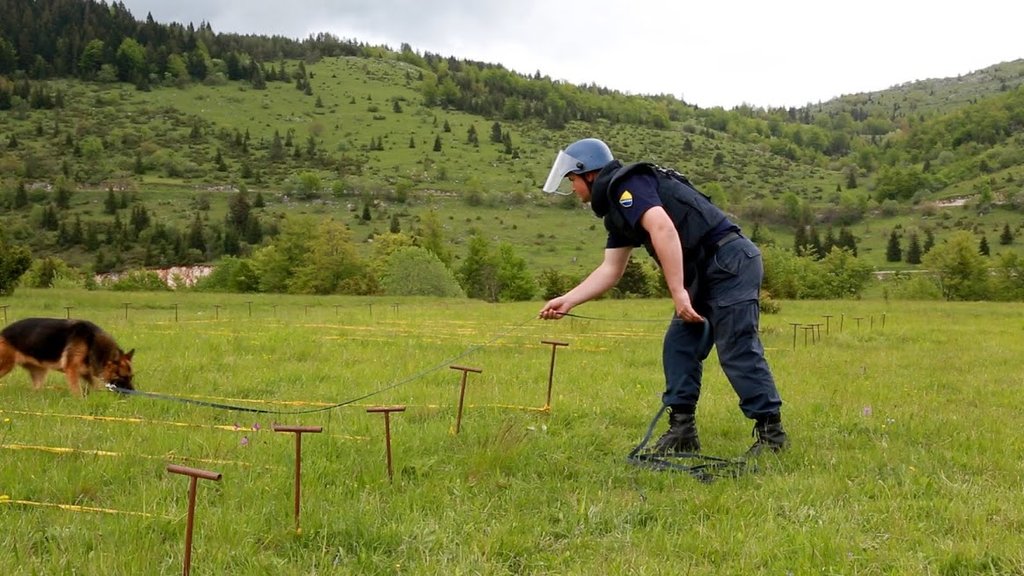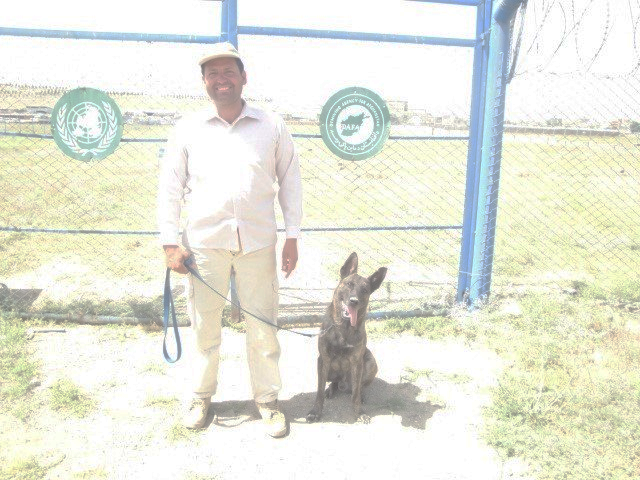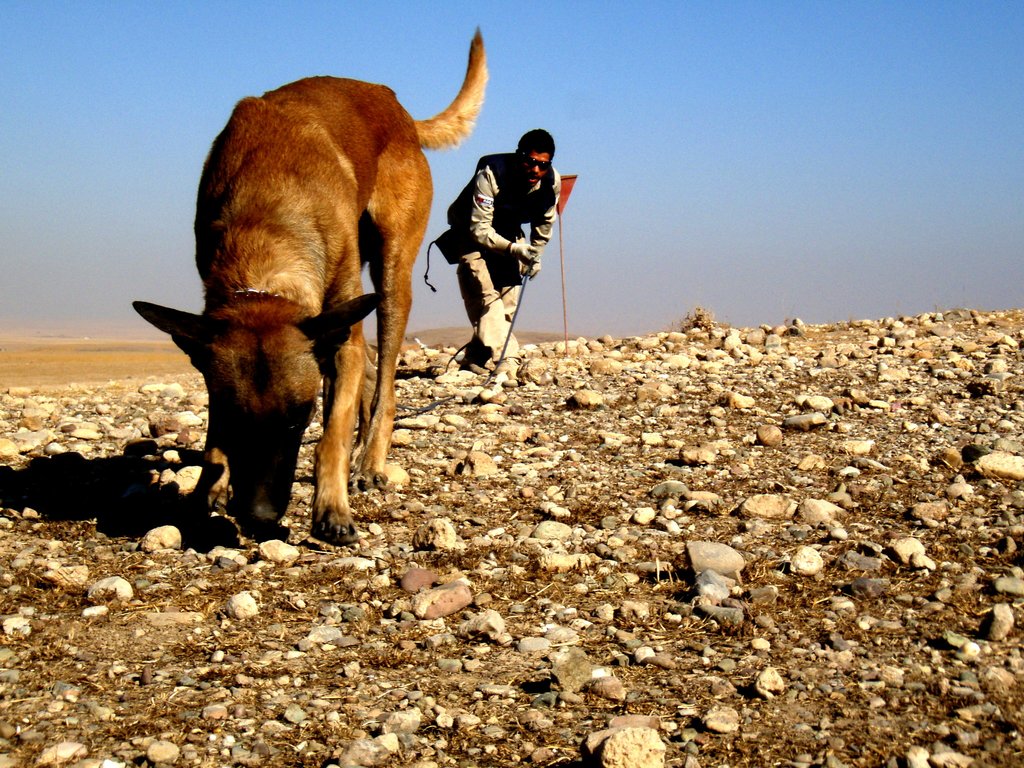
MLI has donated 183 Mine Detection Dogs to 11 war-torn countries around the world. Over the past five years, MLI has given 28 of these life-saving dogs to four indigenous demining organizations in Afghanistan, which has suffered from more than three decades of war and is one of the most heavily mine-affected countries in the world. In 2012, these amazing dogs searched more than 550 acres of land, impacting tens of thousands of lives, and saving countless people and animals from death or injury.
MLI's focus is on building practical, sustainable, indigenous programs, and so we always partner with local organizations when working in a mine-affected country. In Afghanistan, the demining organization, DAFA, has received nine of MLI's mine detection dogs. DAFA recently shared some stories they collected from a number of Afghan villagers who described how much the MDDs have impacted their lives. The villagers explained that in their district of Deh Sabz, the primary source of income for individuals is agriculture, but severe droughts often make that a difficult livelihood. Because of that, they had resorted to working for a low daily wage in a nearby market to supplement their income.
The surrounding mountains are filled with precious and semi-precious stones that could potentially be mined on a small scale by the villagers, which was a very tempting new source of income, but until recently, the entire area was heavily contaminated by landmines. Last year, DAFA and the dog teams were able to clear the area of the mines, enabling the villagers to immediately begin collecting some of the precious stones. They shared that they now have a "considerable monthly income compared to the daily wage work, and now 30 households are being supported through this new form of work." Among these workers, a man named Safiullah shared his personal tragedy, saying: "My elder brother was not aware of the mine threats in and around this mountain and unknowingly came here to attempt to gather some of the stones. But while he was walking, he accidentally set off a mine, causing an enormous explosion that killed him on the spot. My poor brother didn't know that he was looking for rocks at the cost of his life. Several other landmine accidents happened in this area after the death of my brother, including a young boy who stepped on a mine while collecting brush for fire, and many cattle who have been killed from explosions. With the clearance of this area, we get a sense of safety and can walk around freely. Now we are living a peaceful and prosperous life."


Links:
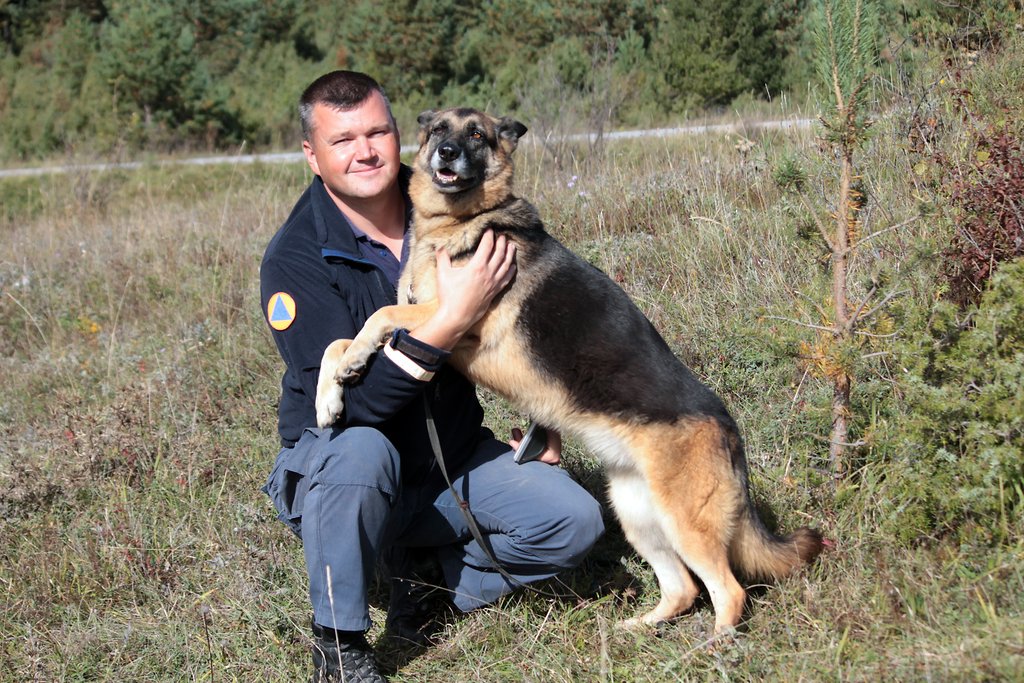
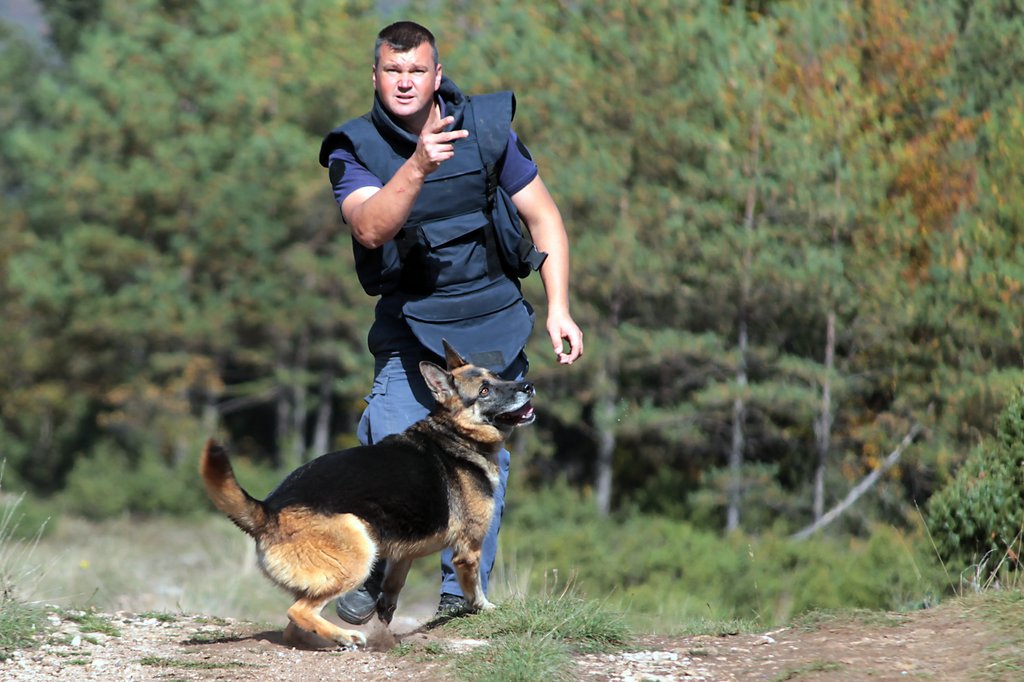
Ostoja, the elder brother, has been a dog handler and dog trainer for 13 years and has been MDD Granite's handler since 2009. Dragoslav became interested in dog handling and became a MDD handler in 2005, the same year that MDD Charlie was donated to EKO Dem. This dynamic duo have been together ever since and spend nearly all of their time together, exercising and playing.
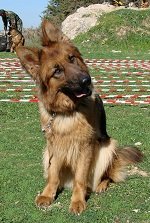
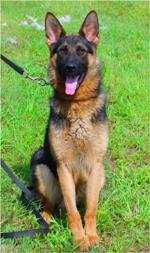
Dragoslav and Ostoja described both dogs as "excellent" with a keen desire to work, making them very focused, and exceedingly good mine detectors. Dragoslav added that MDD Charlie, who is a very large German Shepherd, has an extremely gentle personality, which is in contrast to his rather intimidating stature!
MLI extends our sincere thanks to all of our donors who support our Mine Detection Dog program, which enables MDDs like Charlie and Granite to save tens of thousands of lives in countries around the world. Thank you for your support!


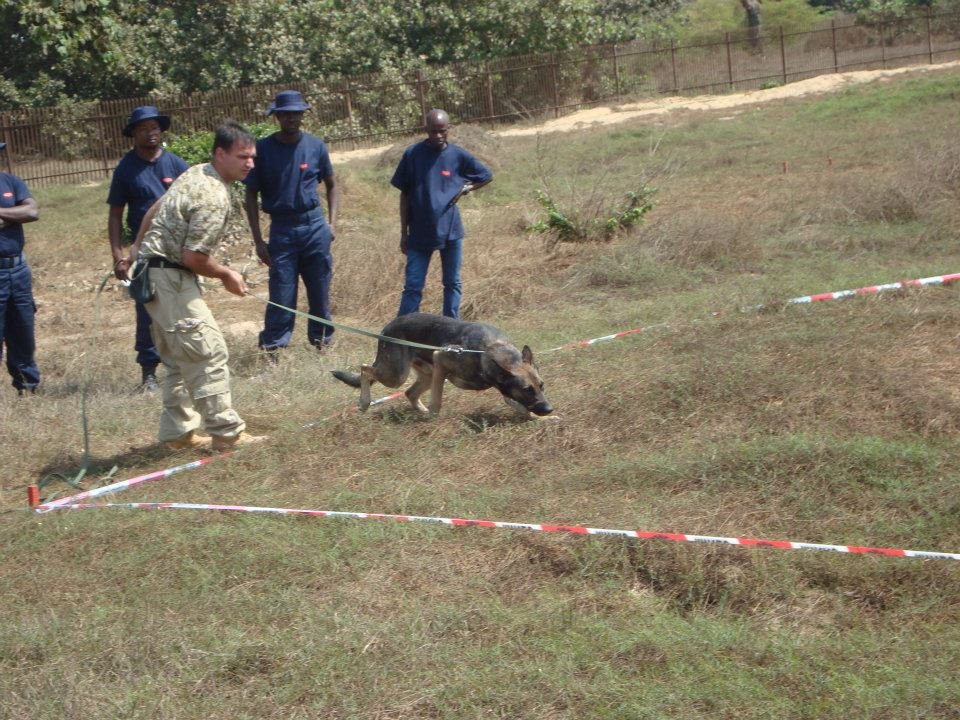
Thanks to your support and that of other caring, global citizens, on May 9, 2012, Angola's first six Mine Detection Dog (MDDs) teams successfully completed their training and were accredited to the International Mine Action Standards. All six MDD teams passed the test on their first attempt, demonstrating the excellent training and preparation they received during their eight months of intensive training. The testing consisted of two phases: theoretical and practical. During the first phase of testing, the dog handlers were tested on their knowledge of procedures; they were then asked to demonstrate the dogs’ obedience and their control over the dogs in front of the testing commission. The final, practical, part of the testing involved the dog teams searching 10x10 meter lanes and correctly marking the location of hidden explosives. During the testing, attention was particularly paid to the commands issued by the dog handlers to the dogs, the dogs' search pattern, and their pace of work. Each dog team searched two lanes, with three mines hidden in each lane. After each dog marked the presence of a mine, the testing commission and the dog handler checked to confirm the indications.
The six MDDs have been incredibly productive since their accreditation. Their first task was outside of a village in the Bengo-Caxito province, where landmines prohibited residents from using the roads to access a nearby river. Each of the MDDs searched an impressive 1,000 square meters of land each day. At that pace, the MDD component was able to finish searching more than 15,000 square meters in just three days!
After a short break, the MDD teams moved on to other tasks, ‘sniffing-out’ explosive substances along roads, railways, outside villages, and in an area that will be used to build a water-cleaning factory in Mexico province. By mid-June, the component had already searched over 60,000 square meters of land – the equivalent of nearly 15 acres of dangerous, landmine-contaminated land that can now safely be used for farming, traveling, and infrastructure.
Thank you for your support of the Marshall Legacy Institute's Mine Detection Dog Partnership Program and for helping these life-saving dogs "sniff out" landmines!

Links:

In 2011, MLI-donated dog teams searched & cleared 9 million square meters of land in some of the most heavily mine-infested countries of the world, thereby making the ground safe for people to work, children to play, and communities to grow. As we celebrated International Day for Mine Awareness on April 4th, MLI reflected on what still needs to be done to help mine-affected countries and we remain committed to promoting hope, growth, and stability by helping war-torn countries rid their land of mines.
In 2012, MLI is continuing to expand our programs to countries in need and our newest program in Angola began when the National Demining Commission of Angola (CNIDAH) specifically requested MLI’s assistance in building an MDD capacity within its National Institute of Demining (INAD). Angola continues to suffer horribly from landmines after 30 years of armed conflict that ended ten years ago. Every province remains contaminated by mines – affecting nearly 2.4 million people who are unable to use the land or travel freely because of the hidden killers. Barely three percent of arable land is being cultivated today because of the threat of mines and the UN estimates more than 70,000 landmine survivors. The country has vast natural resources, but trade is limited because of blocked transportation routes. Landmines inhibit access to roads, railways, and seaports, as well as land for housing, power lines, and fiber optic cables, thus significantly hindering economic reconstruction and the resettlement of refugees.
Ships in Angola’s central port in Luanda can wait for months before they are unloaded and plans for another port to be built nearby in Bengo are underway, but the proposed land is severely polluted with mines, rendering it unusable. Therefore, MLI's Mine Detection Dogs, which are currently finishing their training and are scheduled to be accredited by May 2012, will begin working in this region as early at June 2012. Clearing this area of landmines will have a dramatic impact on transportation, access to resources, and trade. By using Mine Detection Dogs, Angola will be able to clear the land up to 30 times more quickly, which will have a very positive impact on the country's socio-economic development.

Over the past year, with support from the Government of Angola, the Mine Detection Dog Center, the US Department of Defense and private, caring donors, MLI began a multi-phased program to provide Angola with 6 lifesaving dogs. The first dogs arrived on October 2, 2011 to begin the "Proof of Principle" phase of the project and to demonstrate that MDDs can be successfully integrated into Angola's demining program. Since the arrival of the rest of the "six pack" in November, the dogs have acclimated and are bonding well with their new handlers, who not only train with them, but are also responsible for all of the grooming, feeding, and exercising needs of their new canine companion. Not surprisingly, a strong bond is developing between the dogs and their handlers as they train on a daily basis.
MLI expects the dogs and Angolan handlers to complete their training over the next few months and to begin "sniffing out" landmines in the Summer of 2012!
Q. Why are dogs necessary for demining?
A. Currently, the most commonly used demining tools in the field include metal detectors and pointed probes to carefully check every potential indication of a buried landmine. Often, thousands of pieces of unrelated metal must be removed to find a single mine and it is increasingly common for landmines to be made out of plastic rather than metal, rendering metal detectors useless. It is, therefore, a slow, difficult, and expensive process to clear relatively small amounts of land.
In the mean time, people continue to be injured and killed, while critically needed farmland, water, and other social and economic resources remain unavailable to communities needing them the most. Remarkably, dogs have proven to be one of the most effective and efficient "tools" in mine clearance efforts, clearing land 30 times faster than manual deminers and greatly accelerating the pace in which land can be returned to the people.
Q. How are dogs used in humanitarian demining?
A. All landmines and other explosives emit an "off gas" that can be detected by dogs, even when the explosive is buried in the ground. Although there are technical efforts underway to replicate the capabilities of the dog’s nose, the canine remains 100 times more effective than the best mechanical technology.
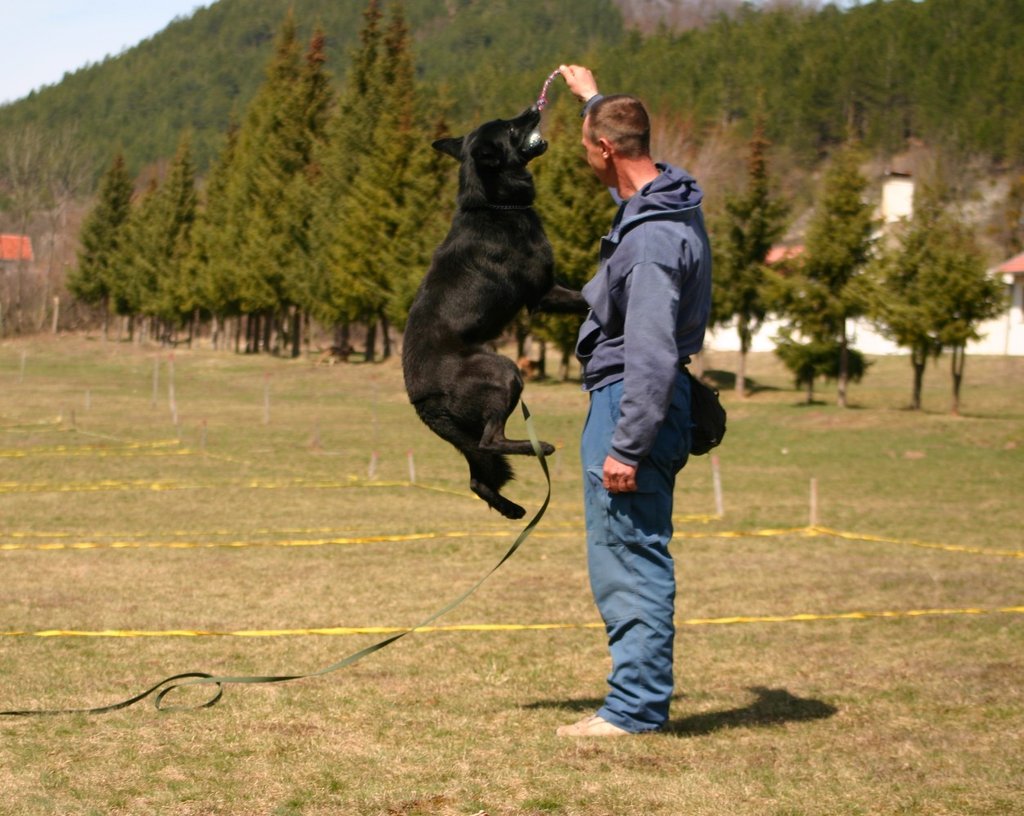
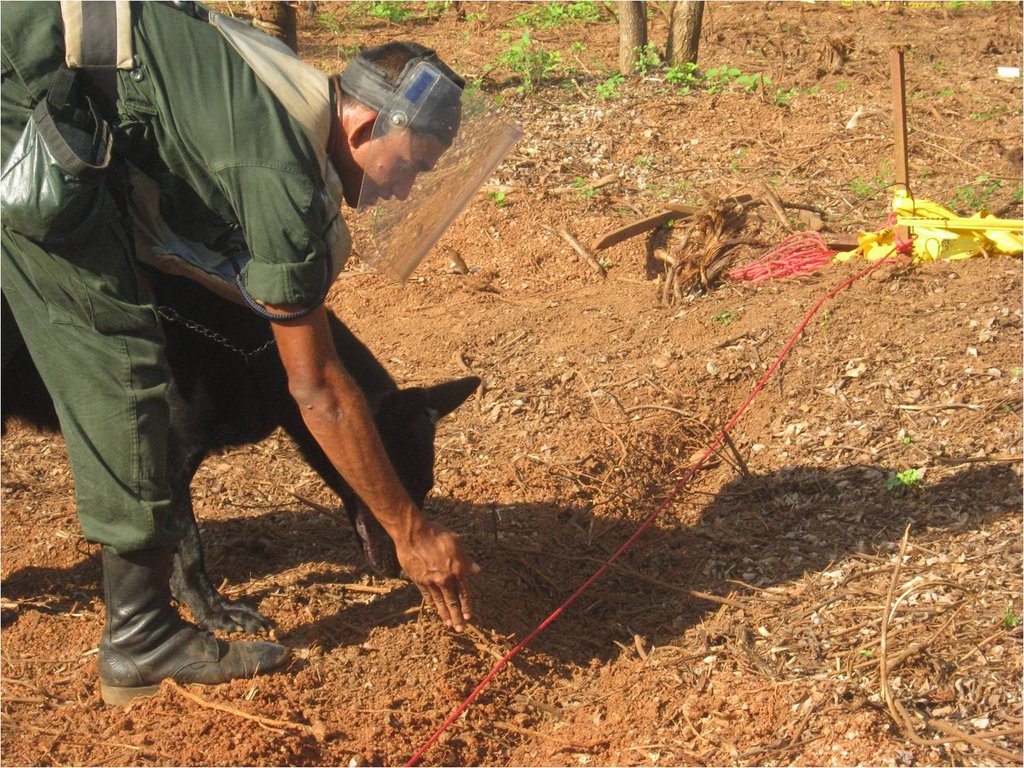
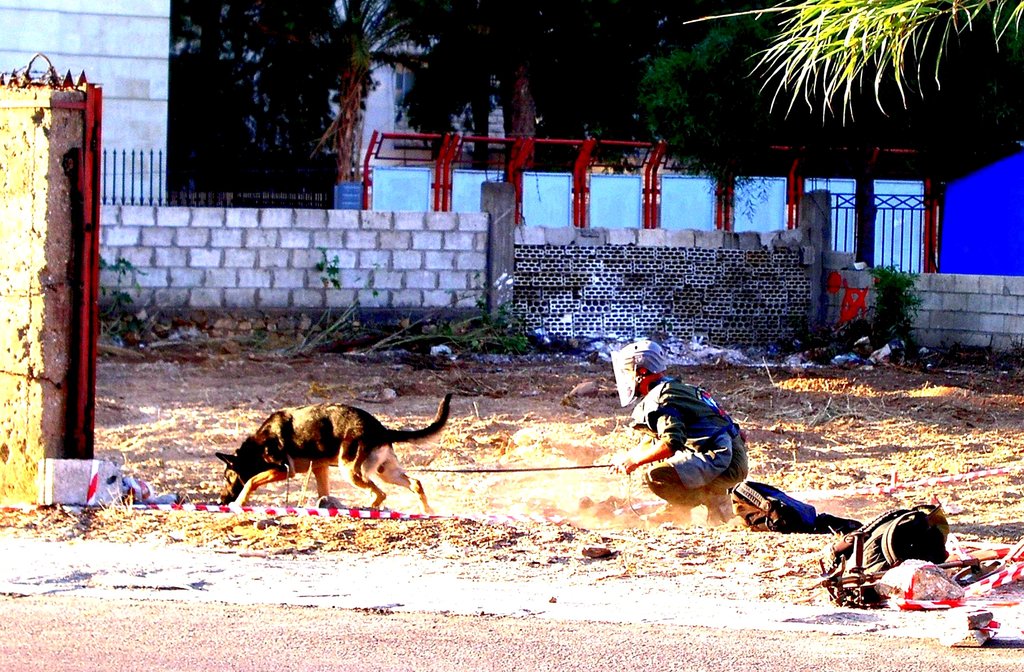
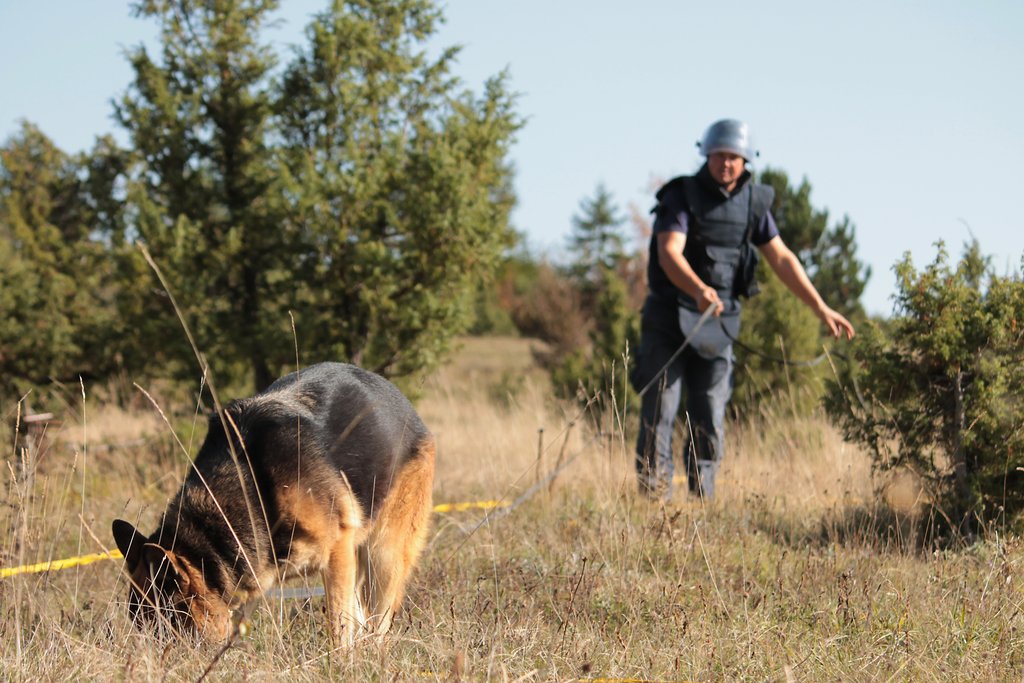
The dog is integrated into mine clearance efforts by teaming with a human partner to search designated areas for explosives. The team begins in a known safe area and then carefully advances into the suspected region. Upon sniffing explosives, the dog is taught to alert its handler to the location of the explosive by sitting down as soon as the scent of the mine is detected. Safety for the dog and handler is paramount. The handler then places markers triangulating the spot where the dog alerted before calling the dog back to a safe area. The dog is immediately rewarded and given a favorite toy to play with, thus reinforcing its desire to continue working. The landmine is then destroyed by a team of trained deminers.
Q. What are the characteristics of a good demining dog?
A. Dogs are motivated to do this kind of work because they develop a strong bond with their handler and because of the positive reenforcement they receive each time they find a mine. To the dog, this is a form of play between two partners. The dog must relate well with its handler, who should be patient, understanding, precise, alert, self-motivated and, of course, like dogs.
Choosing the right handler is every bit as important as choosing the right dog, and it is imperative for the two to have a positive relationship. The handler is responsible for encouraging, praising and rewarding the dog because when the work ceases to be fun, the dog will stop working effectively. The dog should possess excellent overall physical and mental characteristics, while also having a strong drive to hunt, and a curious, courageous, and playful personality.
Q. Are dogs at risk?
A. When dealing with explosives and weapons designed to maim and kill, there is danger to both man and dog, but statistics show that if trained properly, risks can be minimized. The Marshall Legacy Institute partners with the leading dog training centers in the world and is proud of the fact that NONE of our dogs have been injured or killed by a landmine.
There are several important reasons why this is the case:
The Humane Society of the United States is also a major supporter of MLI and mine detection dogs. They are a partner in the K9 Demining Corps Campaign and former HSUS President Paul Irwin sits on MLI’s Board of Directors.
Q. How are dogs treated when not at work?
A. The dogs are treated very well. Their health and well being is a critical issue for the company/country employing them, as it directly affects their work performance.
Kennels are clean and roomy. Dogs receive nutritious food, exercise, refresher training, good veterinary support and tender loving care. All of this is required for program success.
When dogs are transported, they normally ride with their handlers. When travelling over long distances, they generally travel by commercial air, as would a family pet.
Q. How are demining dogs treated in countries where animals/dogs are not traditionally treated well?
A. The considerable monetary investment and the amount of time it takes to train dogs in successful demining programs demand that they be well treated. In fact, the strong bond developed been the dog and handler, along with the impressive work of the effective dog team, often tends to change attitudes of the local populace in favor of dogs and other animals.
Most programs are based on the development of an indigenous, sustainable program in the host nation. This means that a local handler sees his canine companion in a different light than might previously have been the case. The local population then sees the team as a positive force bringing safety and stability back to the community.
Q. What does a dog program cost?
A. To purchase, train, transport and integrate a mine dog into demining operations costs approximately $20,000.
MLI conducted an extensive analysis to determine the most cost-effective methods of making this program work and considered the following factors as critical elements:
Q. What happens when a dog completes its useful demining service?
A. MLI believes that successful programs ensure that proper care is available to retired dogs and that they should be placed in good homes in appropriate recognition of their service. When MLI chooses a company or country for one of our dog programs, this is a critical and contracted element. The countries contractually agree not to euthanise the animals; when their working lives are over the dogs are either adopted locally or return to the U.S. to be adopted.


Project Reports on GlobalGiving are posted directly to globalgiving.org by Project Leaders as they are completed, generally every 3-4 months. To protect the integrity of these documents, GlobalGiving does not alter them; therefore you may find some language or formatting issues.
If you donate to this project or have donated to this project, you will get an e-mail when this project posts a report. You can also subscribe for reports via e-mail without donating or by subscribing to this project's RSS feed.
Arlington,
VA,
United States
http://www.marshall-legacy.org