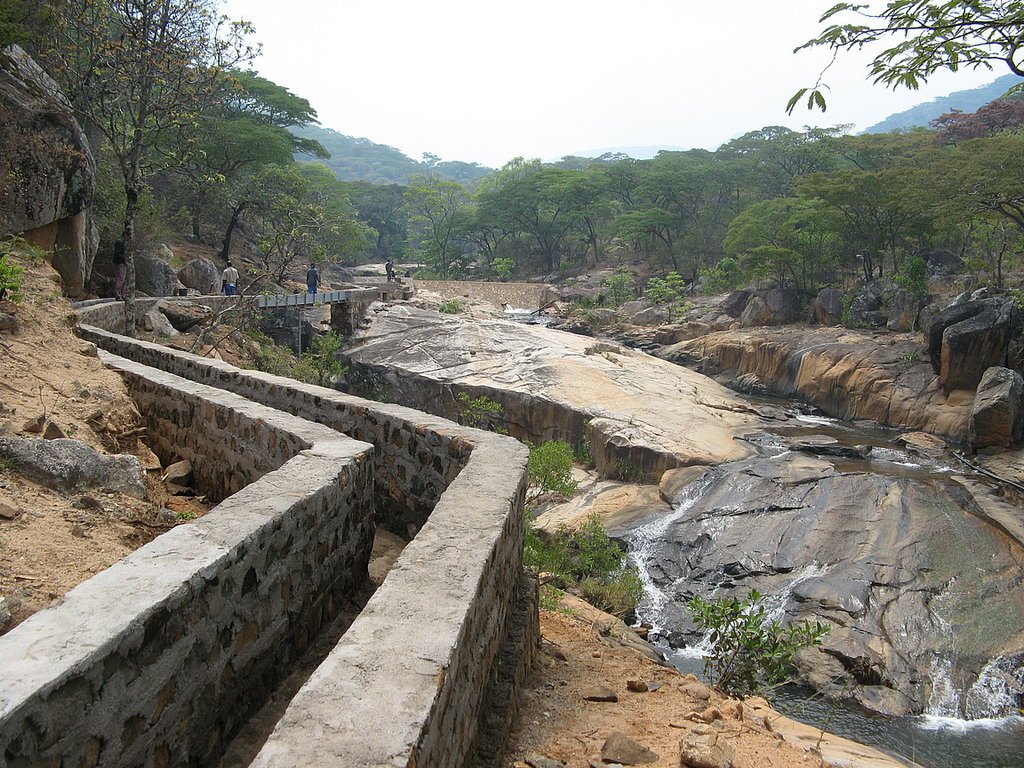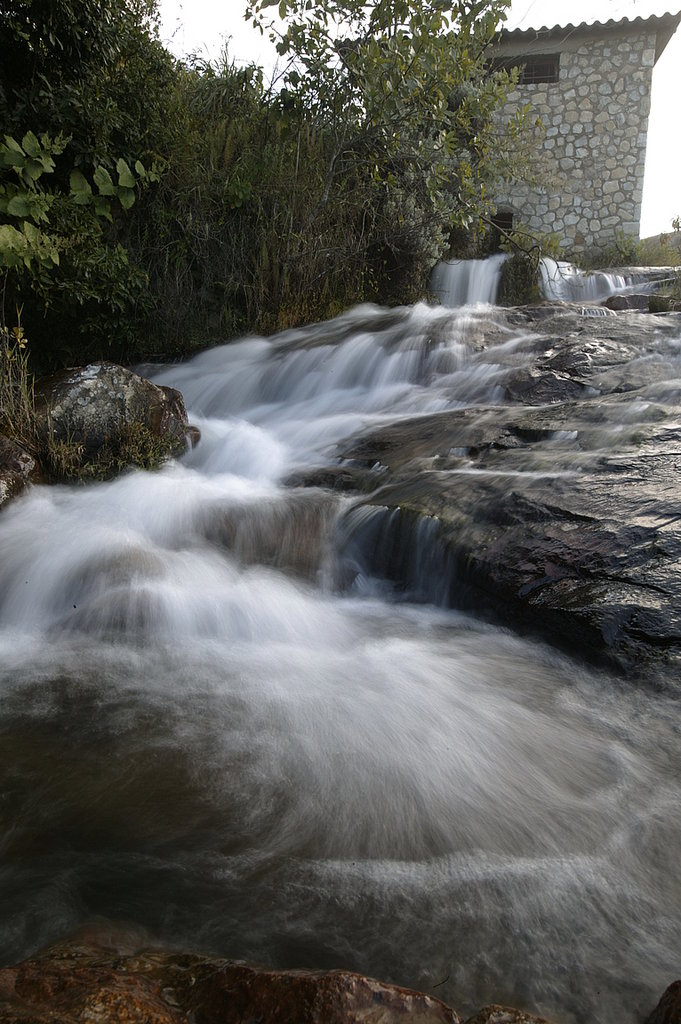
Practical Action is working with local women and men across southern Africa to introduce micro-hydro power schemes, which are managed and maintained by the communities themselves. This project will aim to provide 45,000 women, men and children with access to electricity, for the very first time.
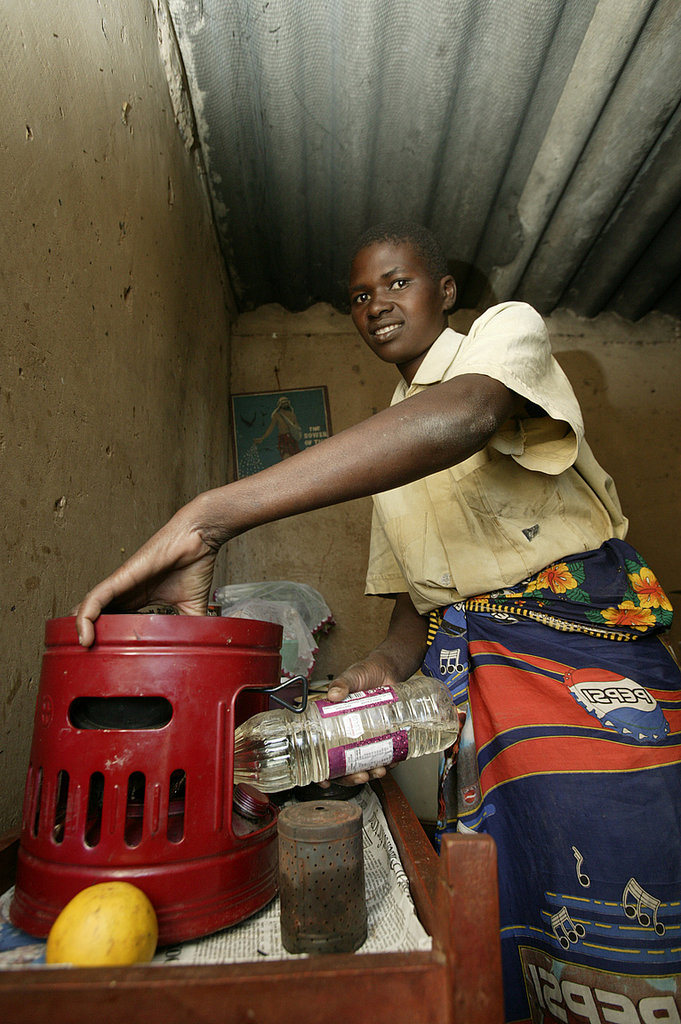
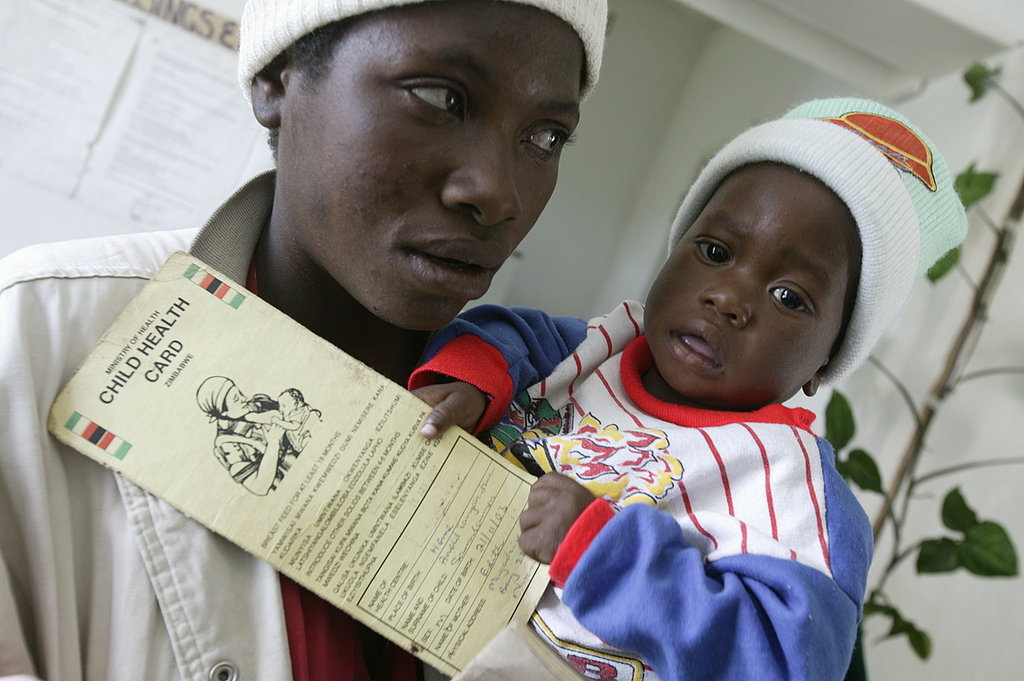
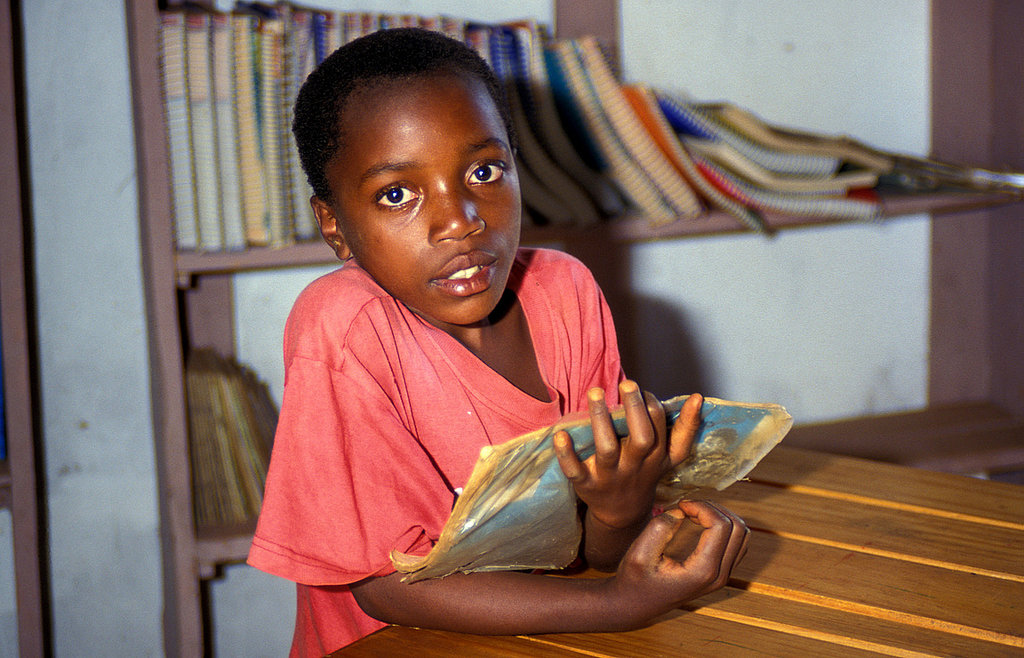
Across the globe, 1.5 billion people have no access to electricity – that’s nearly one third of the world’s population. This lack of access to electricity is a major obstacle to local development: health and education services are limited and opportunities to improve livelihoods are few. In rural areas, farming is the means by which most families survive and earn a meagre living. The lack of access to energy, though, prevents local people from supporting their family.
Micro-hydro schemes represent a simple, practical alternative: once installed, they can provide enough power to meet domestic, industrial and agricultural needs, and can have a life-changing impact on poor, isolated communities. A micro-hydro system works very simply, harnessing the power of water to provide a sustainable, environmentally-friendly and appropriate source of electricity. This project began in January 2008 and lasts until 2013.
Micro-hydro systems are designed to operate for a minimum of twenty years if they are properly looked after. That’s why we train local people to build and maintain their own system, and by making a small charge for use, communities can accumulate enough money to pay for the replacement of the unit at the end of its useful life. Once schemes are set up, they should continue to function indefinitely without any more external funding.
This project has provided additional documentation in a Microsoft Word file (projdoc.doc).