Medical Benefits for Children and the Elderly

 
$3,510
$54,490
Raised
Remaining
May 21, 2013

April-May 2013 - 4th Colloquium and New Services

Snapshot of the Newly-Enhanced IMCRA website

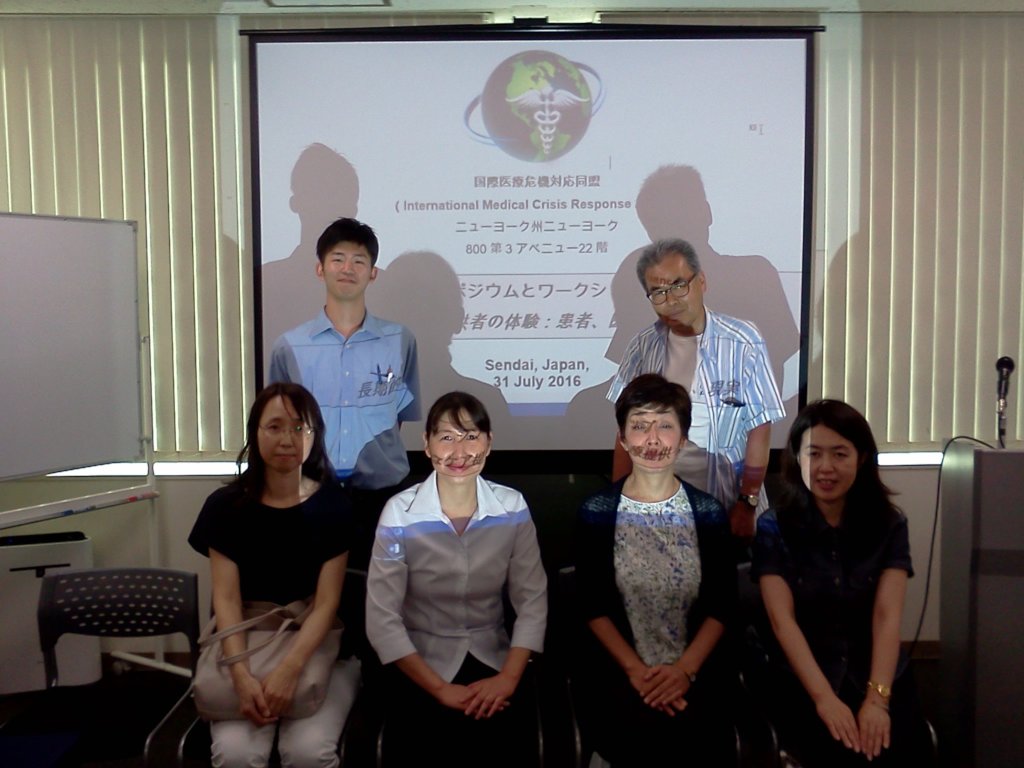
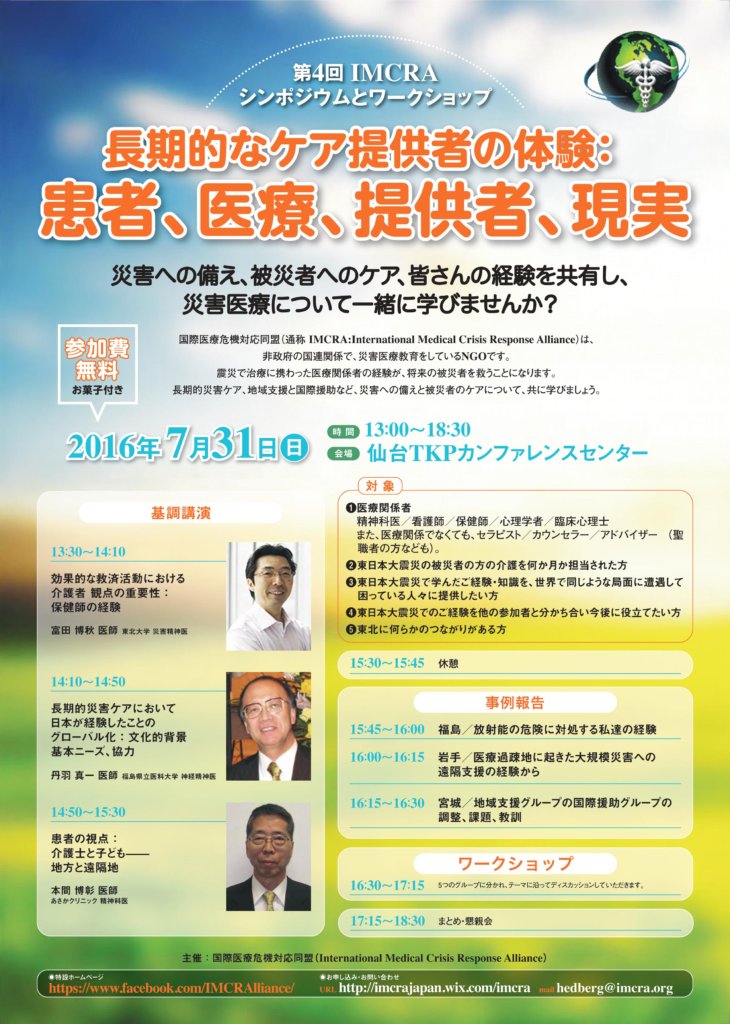
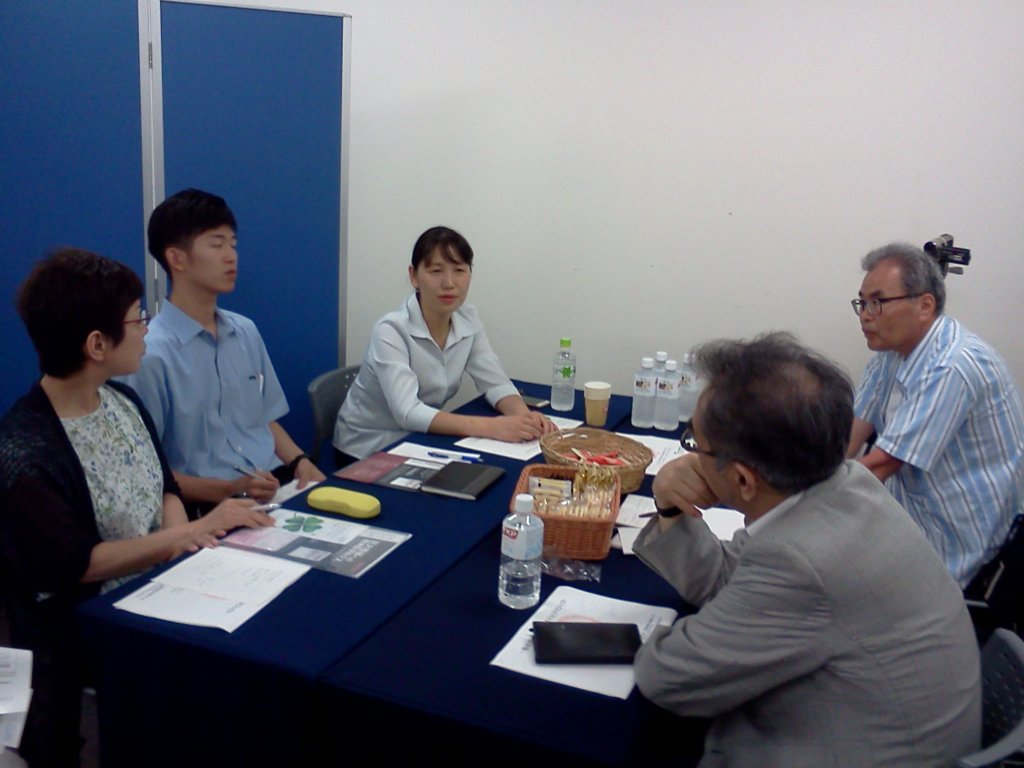
IMCRA's current initiative (Colloquium 4) is being organized to capture the voice of local healthcare service providers who want to share what they have learned and experienced in their interactions with survivors.  At our last conference in Sendai, during our work in Iwaki, and via recent correspondance it has become clear that this is a very important component of what we can document  from the overall 3-11-11 experience.  It is also critical archival information for those who may be facing similar challenges in future.

H
ealthcare providers  who have regularly been traveling to and serving the more isolated communities in Tohoku, (especially those in Iwate),
over the last two years have passed many of the same stresses and challenges as the people they serve.  Being involved over the long-term, they have had a better opportunity to build a more intimate relationship with the people they are personally interacting with.  This is critically valuable information both for Japan and the rest of the world.  There are many short-term approaches to trauma, but the months and years after a disaster can be particularly deadly - and here the personal knowledge of outreach staff is particularly vital.

We realize that in documenting these learnings we must be sensitive to the format in which
providers want to share their experiences.
  Thus, the 4th colloquium will also have the features of a workshop as well as of a more academic colloquium.

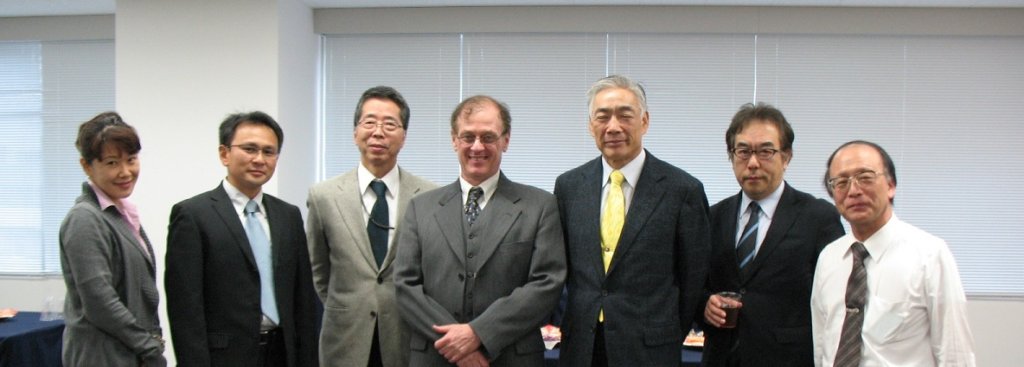
Our tentative date for this important event is late June, but the planning process has been underway since late February, because it involves the cooperation of multiple partners both in Japan and the US (i.e. the Red Cross, the National Defence Medical College in Saitama, Kentaro Hayashi's group etc.).  In bringing this about, one of our particular challenges has been coordinating all the providers who would like to share what they've learned for the future good of their medical colleagues.

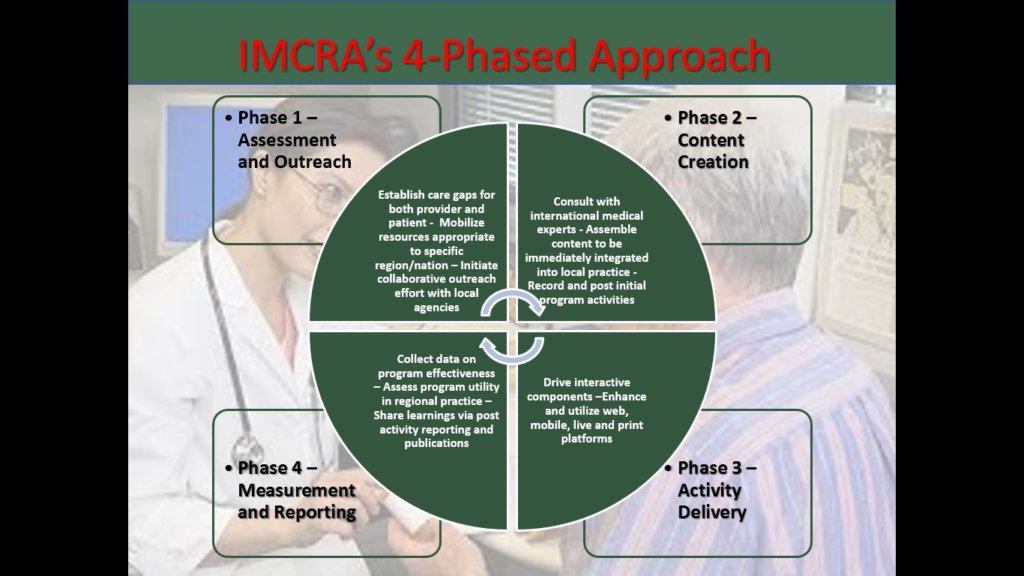
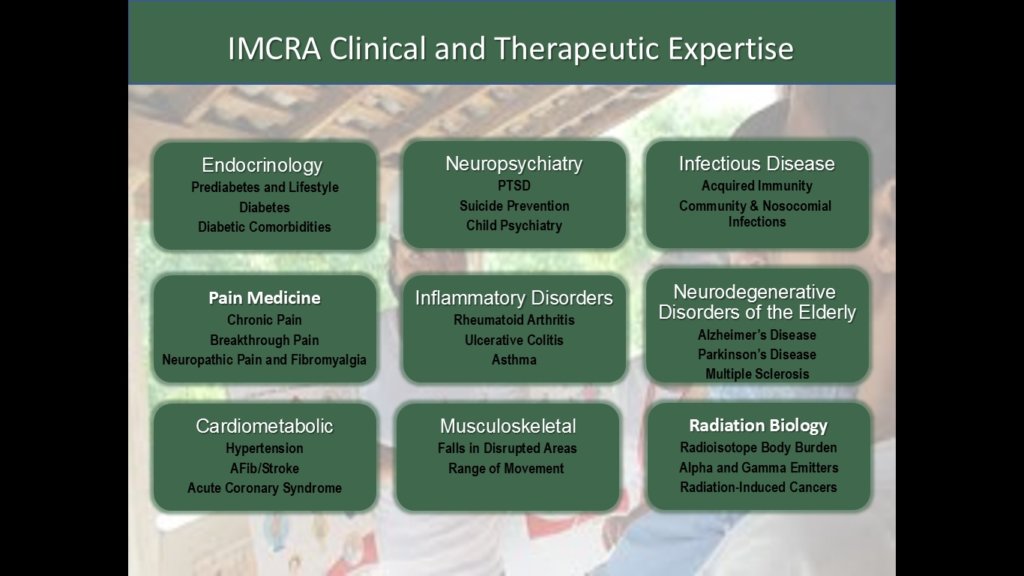
In addition to the 4th Colloquium, a great deal of work has been underway to re-organize and expand the IMCRA educational website, making it easier to access and use in the interactive mode.  We have acquired a new ISP as well as several highly enthusiastic partners.  Following our efforts in Japan in June we will be posting the unique material derived from these workshops on the new IMCRA site along with downloadable references and other supportive material.  After that time we will additionally pursue publication of this and past colloquia in a peer-reviewed journal.

Finally, in the US we've experienced some particularly bad local disasters recently some natural (Hurricane Sandy) some man-made, (The Boston bombing and the Newtown massacre of children).  In terms of PTSD and the long-term psychological and physical impact of life-altering negative experiences  the survivors in Tohoku, Boston and Newtown are share a common bond.  Following the 4th Colloquium, IMCRA will also reach out to the Boston and Newtown families applying some of what was learned in Japan to the greater global good.

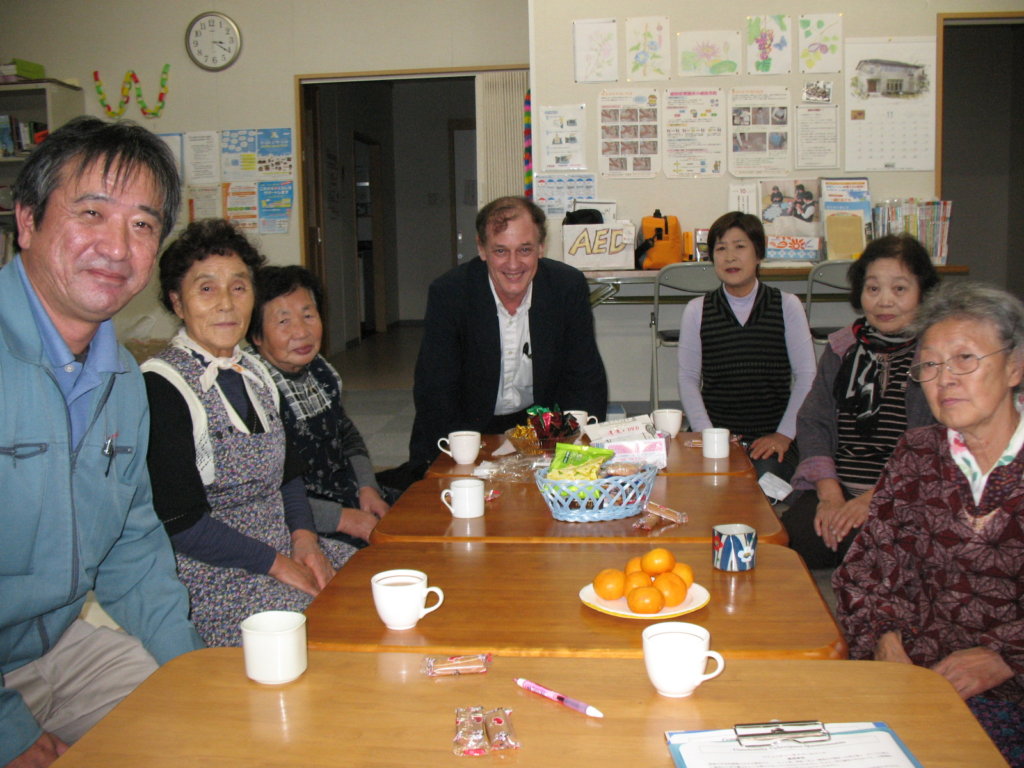
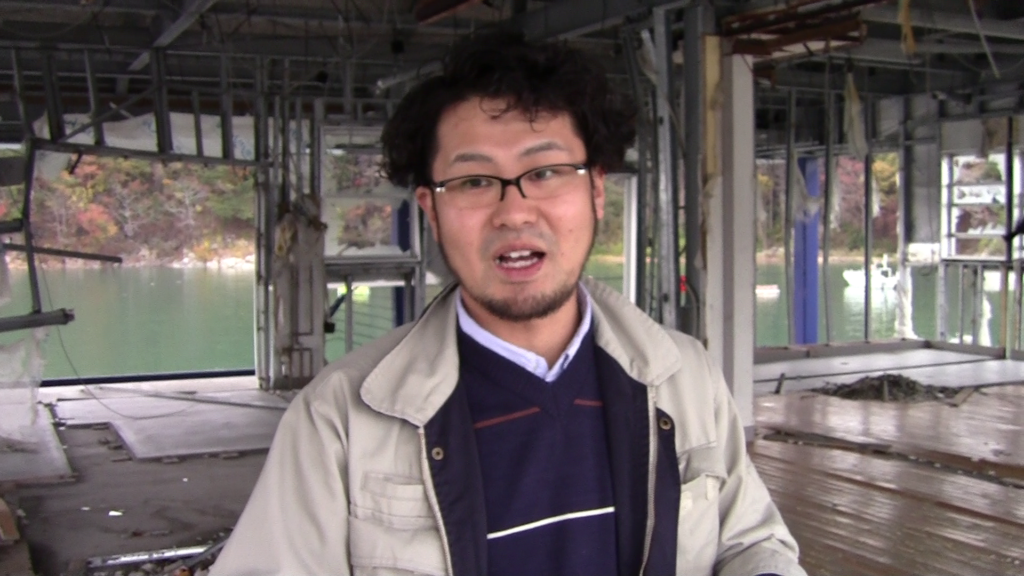
Volunteer Community Workers in Miyako
Snapshot of New Interactive IMCRA Access Portal

Links:

Feb 19, 2013

3rd IMCRA Colloquium - Children and the Elderly in Myagi - Long-term Health Issues

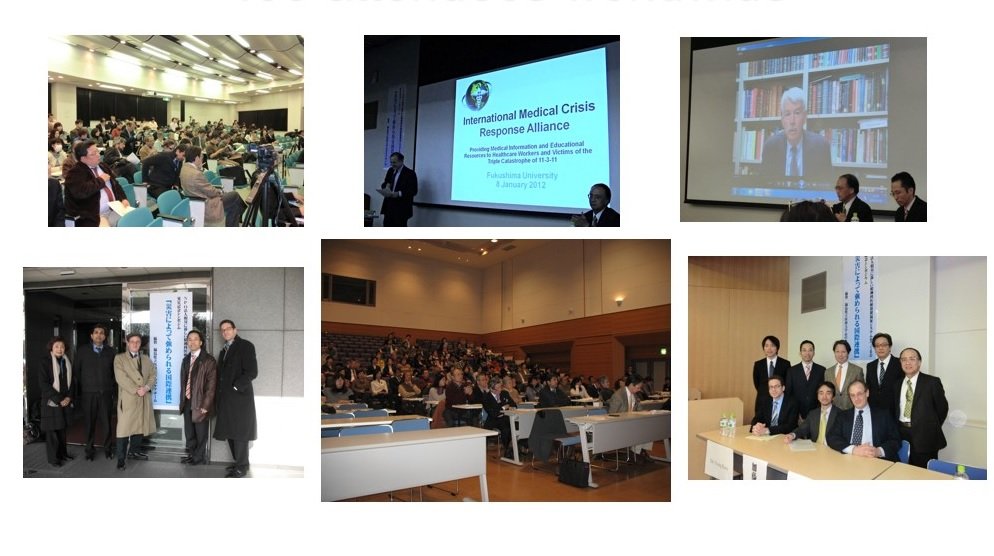
The IMCRA-sponsored international colloquia which have been conducted to date reflect considerable progress in enhancing medical services to the people of Tohoku.  There were three conferences held in 2012 and two more are being planned for 2013.  Onsite registrants have regularly self-identified as physicians, public health nurses, community services coordinators/teachers, and the general public, with the representation of each approximately 25%.
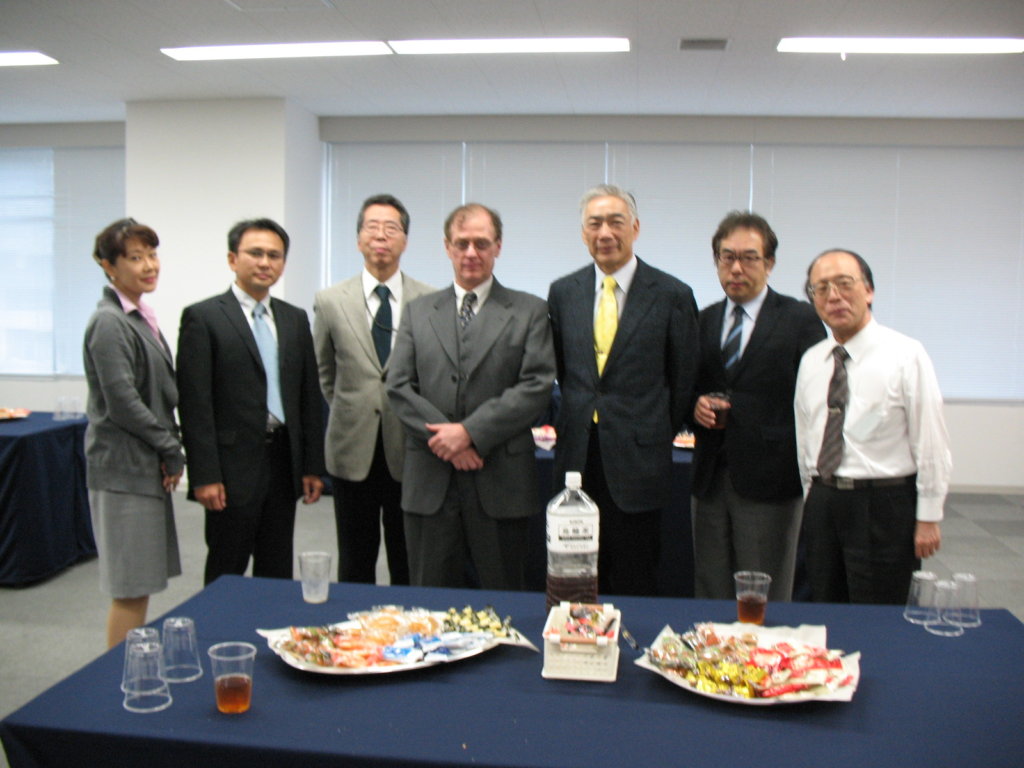
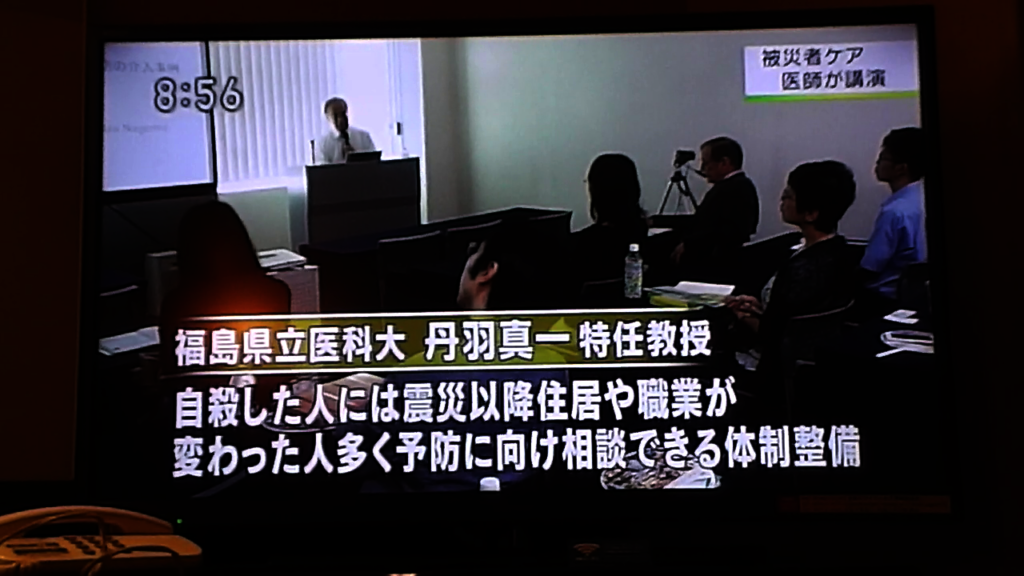
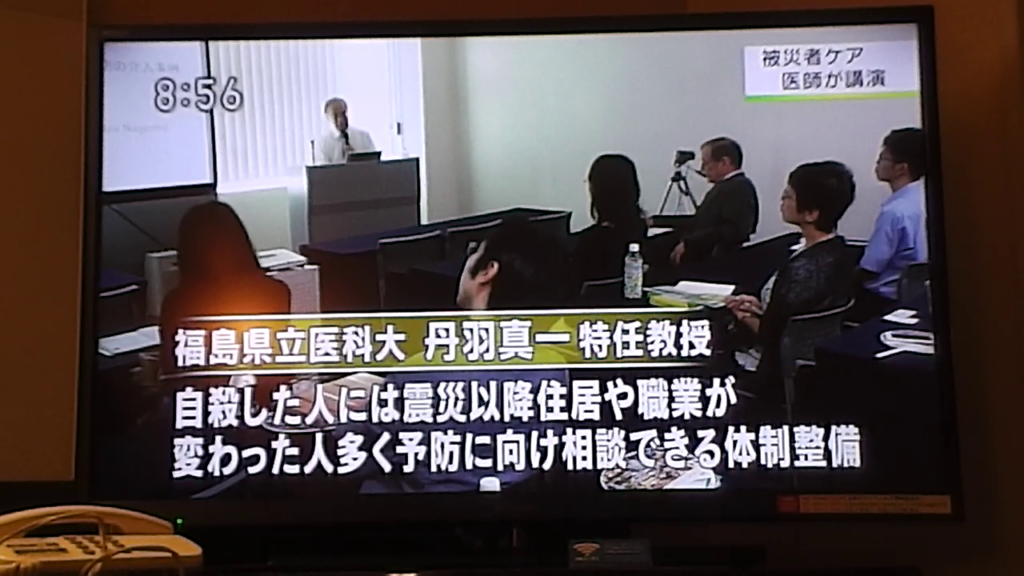
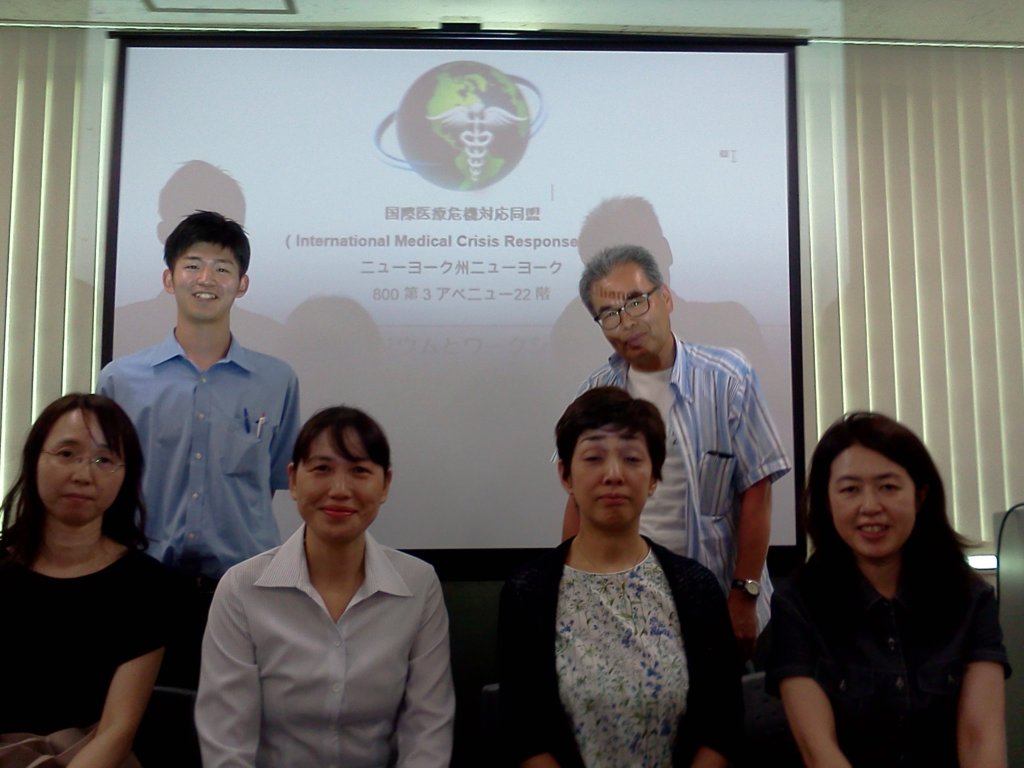
The first conference dealt with the challenges to international cooperation in providing general medical and psychological assistance to the people of Tohoku.  The second dealt specifically with radiation psychology and physiology throughout Japan.  The third dealt with long-term healthcare issues specific to the people of Miyagi prefecture.  Colloquia held to date have attracted in all, nearly 500 attendees, both onsite and via remote hookup.  The most recent conference was held under the auspices of and in coordination with the Nihon Sekijuji, or Japanese Red Cross.   Its International Director of Operations, Dr. Toshiharu Makishima delivered the keynote address.  An important accomplishment of this conference was recognition of a serious problem, called "kodokushi" in Japanese and one that is not unique to Japan, but which is increasingly seen a year or two after the event in populations living with the sequelae of life-changing cataclysms. 
Kodokushi is best translated as "The Lonely Death" and is a phenomenon, along with increased suicide, which seems to be endemic to elderly populations whose way of life has been utterly wiped out, and whose familiar surroundings have been replaced with temporary and makeshift facilities.   Despite the heroic efforts of those seeking both medical and psychological intervention in these populations, the death rate from depression, anxiety-related conditions and neglected physical ailments remains high.   Many elders go into a state of social withdrawal and can be monitored only with an exceptional degree of effort.
The third IMCRA colloquium explored these issues and presented some novel answers in the person of faculty like Dr. Harada of the visiting nurses association, Dr. Homma of the Miyagi Children's Center and Dr. Yonekura of the kokoro-no-care center in Fukushima.  A unique overall perspective was provided by Dr. Suzuki who spoke about the elderly phenomen on a Japan-wide basis.  Drs. Hedberg and Saito (who presented remotely via a videoconferencing connection) brought the statistical and demographic elements of the problem into focus.
The IMCRA site captures all the colloquia held to date, the interactions of discussants, the poster galleries from the meetings and associated educational materials.  The site  is currently being substantially enhanced to enable visitors to have the greatest latitude in accessing colloquium presentations as well as our baseline videos sorted by medical specialty.  A major reconstitution of the system is presently underway and should be completed by the end of January 2013.

Links:

Oct 16, 2012

Colloquium on Radiation Psychology and Physiology

Dr. Kato
Dr. Kato
The international colloquia conducted to date have been a major touchstone for the accomplishments of IMCRA in enhancing medical services to the people of Tohoku.  There have been two conferences in 2012.  The first dealt with general medical and psychological issues affecting the people of Tohoku.  The second dealt specifically with radiation psychology and physiology.  Both conferences were held onsite at Fukushima Medical University and attracted 179 and 203 attendees respectively, both onsite and via remote hookup.  The keynote address for the radiation conference, offered by Dr. Akashi of the National Radiological Institute, captured both the concerns of the exposed populations and the reality of the crisis they face on a daily basis.  Additional radiation exposure information provided by our guests from Oak Ridge in the U.S. brought the scientific underpinnings of the crisis into a sharper focus for all attendees.
Onsite registrants self-identified as physicians, public health nurses, community services coordinators/teachers, and the general public, with the representation of each approximately 25%.  This fit our anticipated goals in reaching those people who were involved in community interactions and would have the greatest impact on affected populations. Most  importantly, these events have been a major driving force behind enhancing the reach of the IMCRA system and improving networking with and between medical professionals in Tohoku.   At each conference we collected contact information for 30 or 40 attendees who went out of their way to show a strong interest in the system. Following each conference, we have used these contacts to advertise IMCRA’s services and resources to a progressively wider audience.  Registrants and attendees have represented displaced communities in Sendai, Minamisoma, Miyako, Fukushima, Morioka, Iwaki, Kesenuma, Soma, Ofunato and Kamaishi.
The IMCRA site itself has been enhanced to enable visitors to have the greatest latitude in accessing colloquium presentations as well as our baseline videos sorted by medical specialty.  A major reconstitution of the system is presently underway to facilitate this in line with our next symposium which will be held in association with the Japanese Red Cross in Sendai on the 10th and 11th of November 2012.  This upcoming conference will deal specifically with long-term medical issues facing children and the elderly in Myagi specifically.
Dr. Hedberg
Dr. Hedberg
Dr. Akashi
Dr. Akashi
IMCRA and Site Registration

Links:

About Project Reports

Project Reports on GlobalGiving are posted directly to globalgiving.org by Project Leaders as they are completed, generally every 3-4 months. To protect the integrity of these documents, GlobalGiving does not alter them; therefore you may find some language or formatting issues.

If you donate to this project or have donated to this project, you will get an e-mail when this project posts a report. You can also subscribe for reports via e-mail without donating or by subscribing to this project's RSS feed.

An anonymous donor will match all new monthly recurring donations, but only if 75% of donors upgrade to a recurring donation today.
Terms and conditions apply.
Make a monthly recurring donation on your credit card. You can cancel at any time.
Make a donation in honor or memory of:
What kind of card would you like to send?
How much would you like to donate?
gift Make this donation a gift, in honor of, or in memory of someone?

Organization

Project Leader

Dr. Thomas G. Hedberg

Executive Director
New York, NY United States

Where is this project located?

Map of Medical Benefits for Children and the Elderly