Project Report
| Sep 24, 2011
Solarstors and lights for a midwife
By Kristine Pearson | CEO, Lifeline Energy
![]()
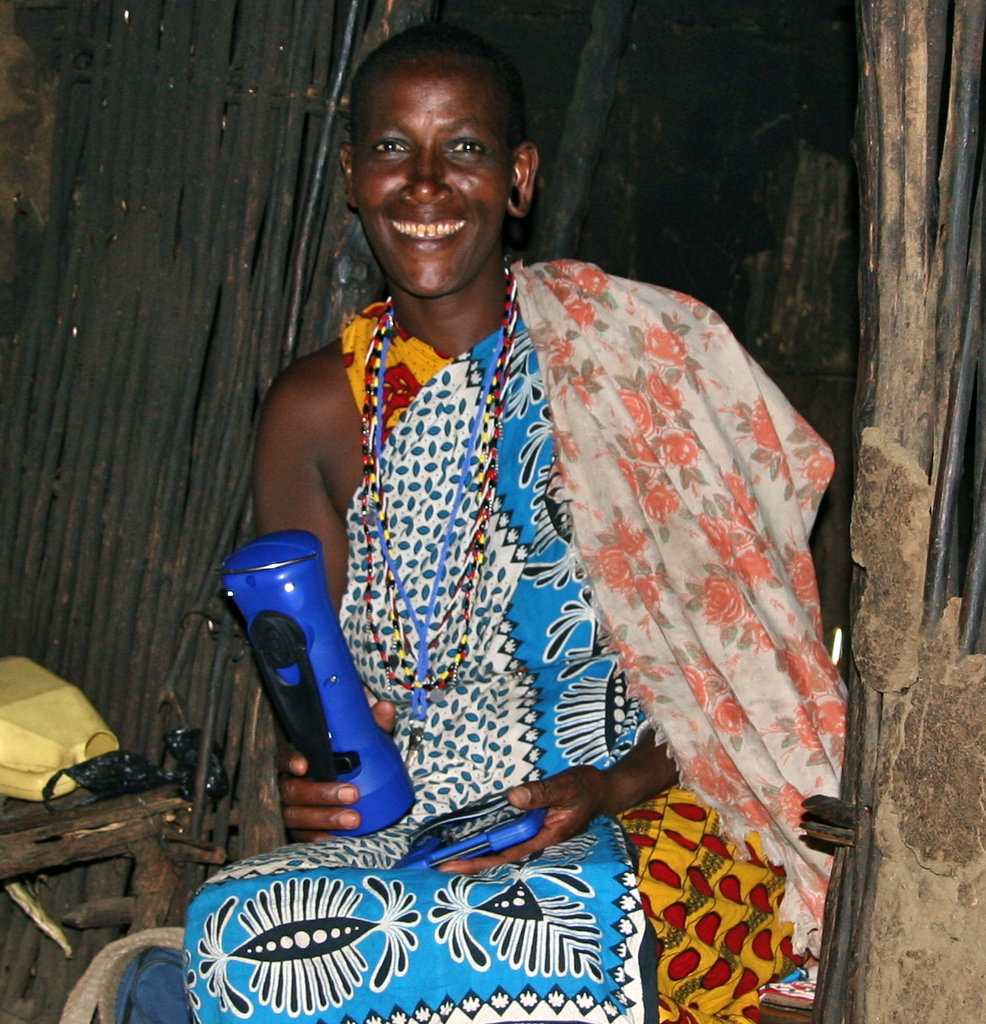
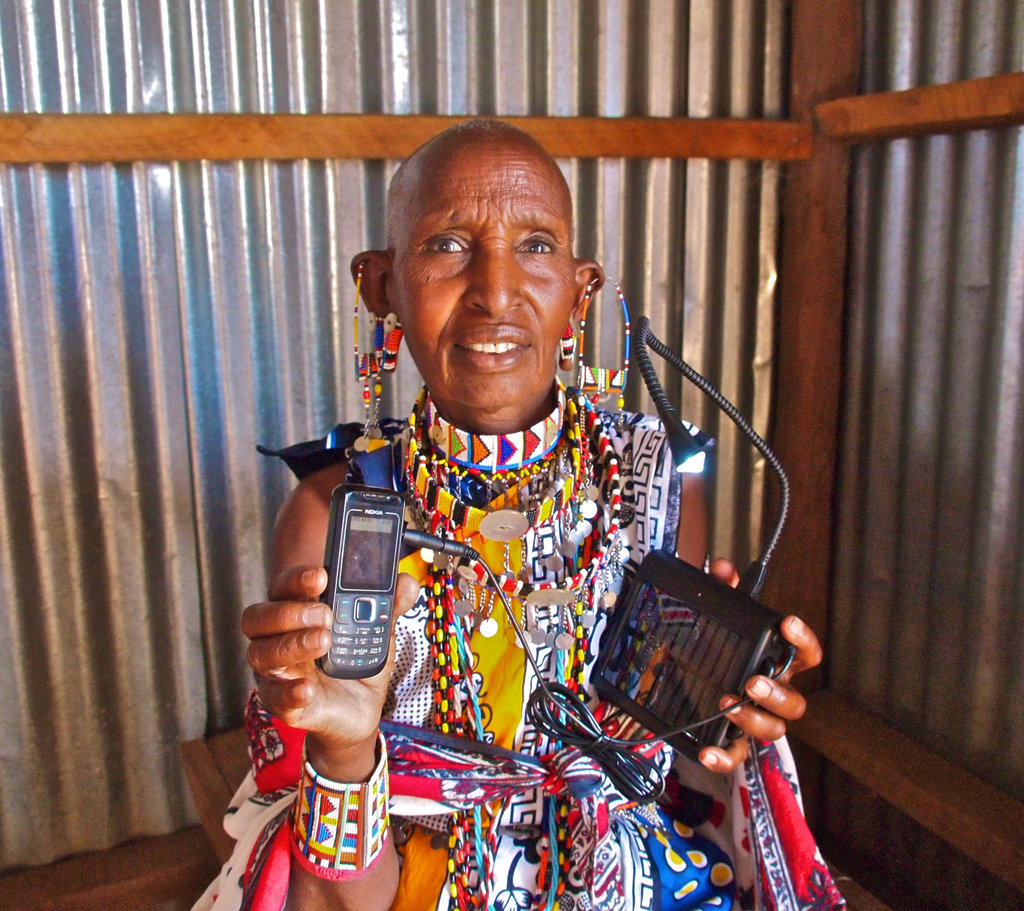
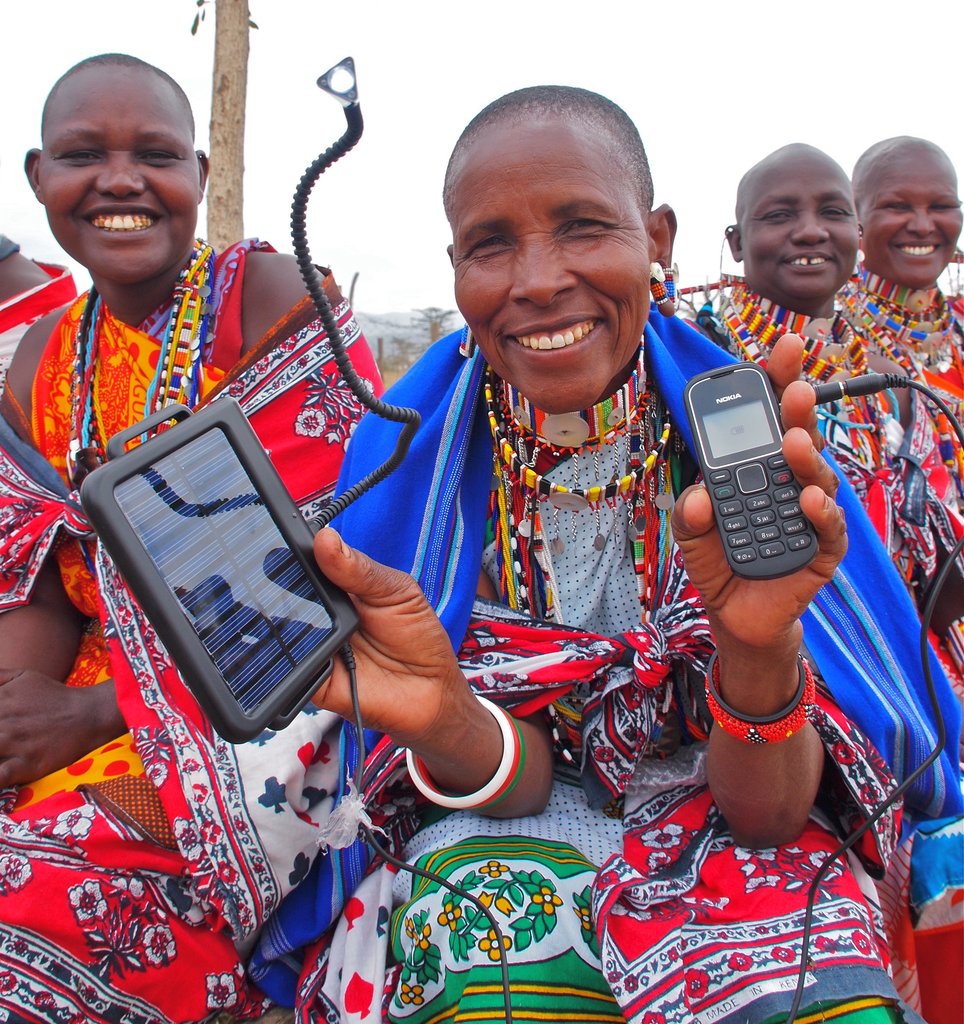
As a traditional birth attendant, or midwife, Nogota is on 24-hour duty. Accessing pregnant women became easier after receiving her first cell phone - her husband's hand-me-down Nokia -, however, as she lives in a deep rural area of the Great Rift Valley, Nogota struggles to keep her phone charged. The charging station is miles away at a trading post. In addition, she relies on kerosene tin lamps called a 'koroboi' for birthing. Her life changed after receiving Lifeline Energy’s Solarstor - a portable solar panel with an LED light.
At a recent distribution whereby Maasai women received Solarstor and Lifelights, Nogota said that she will charge her phone from home and she can use the light to aid in birthing. She'll save money on kerosene for her children's studies as well.
![Share on Twitter]()
![Share on Facebook]()
Feb 24, 2011
Diane and her light
By Kristine Pearson | CEO Lifeline Energy
![]()
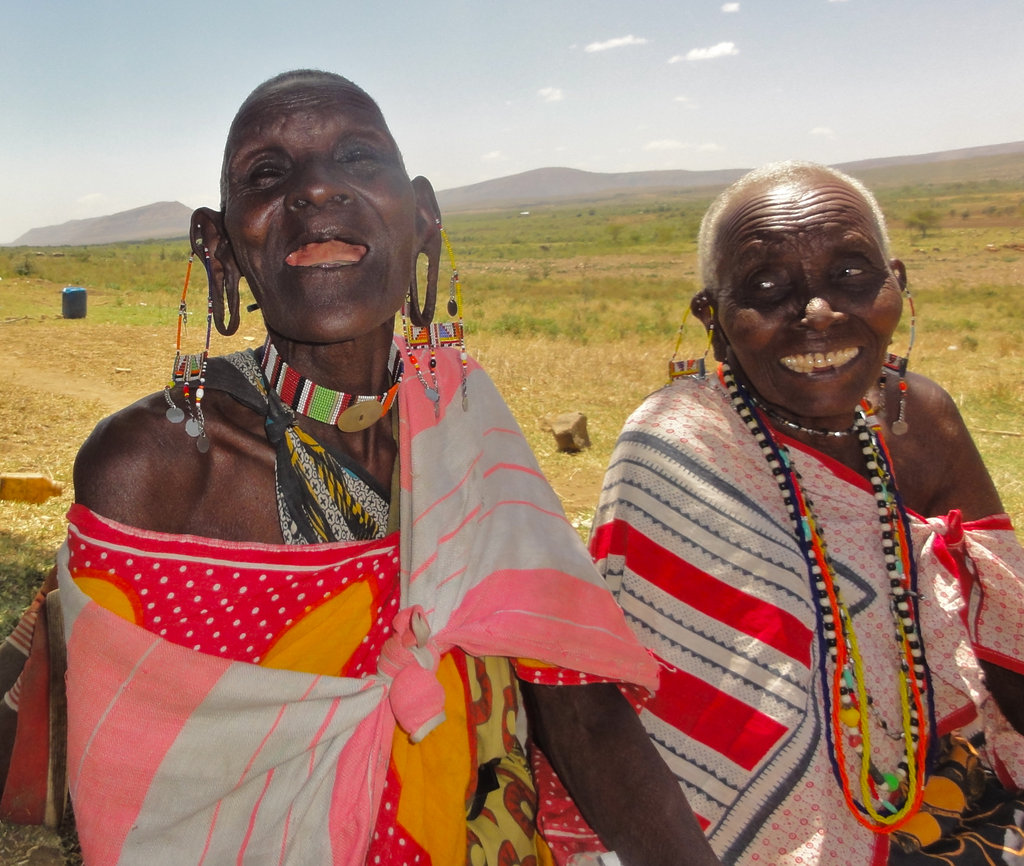
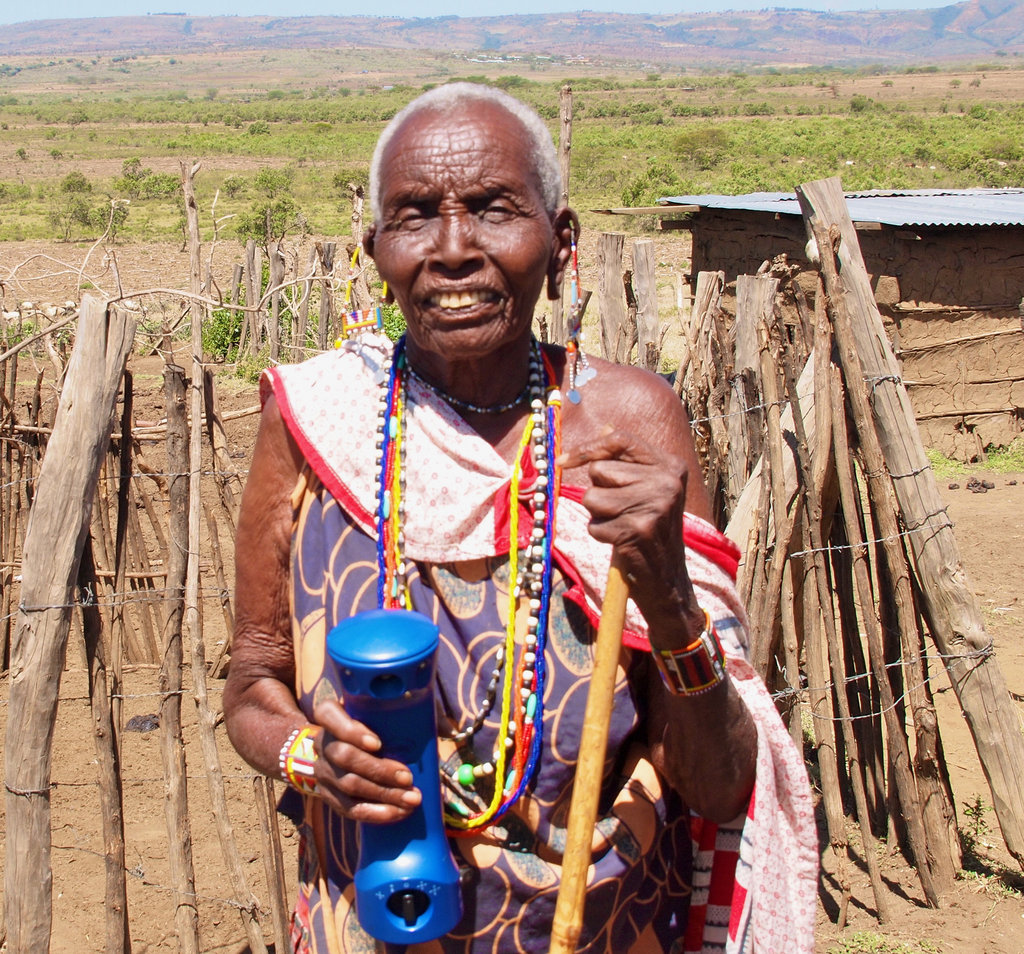
At 93, great-great-great grandmother Kisingingye (which means pure) never imagined that she would see at night again. Kisingingye, a Maasai, said that for the first time in many years she feels ‘useful’ at night and doesn’t just have to sit. After receiving Lifeline Energy’s solar-powered and wind-up light, she can finally see what is going on and take note of any perils like scorpions or snakes. The light has gifted her with a new sense of freedom.
Kisingingye added that she lends the light to the secondary school children to study, but that they must use the light in her house.
A widow for some years now, Kisingingye also outlived her late husband’s second wife. She lives in her own small house in a manyatta - a community with six or seven mud houses - with one of her sons and five of his six wives. It’s a small compound about two miles off the paved road between Suswa and Narok in the Rift Valley with several cows, a large herd of sheep, a few goats and a dozen chickens in the middle.
Having given birth to nine children, Kisingingye has roughly 200 grandchildren, 90 great grandchildren, but said she wasn’t quite sure how many great-great grandchildren she had now. Maasai tend to have large families and polygamy is normal. Both her own grandchildren and the grandchildren from the other wife respectfully call her ‘gogo’, which means grandmother in Maasai.
Kisingingye was one of several women over 80 that received lights during Kristine Pearson's trip this month.
Links:
![Share on Twitter]()
![Share on Facebook]()
Oct 14, 2010
Lifelights deleivered to grannies
By Kristine Pearson | CEO
![Gladys Kadogomoses and her children]()
Gladys Kadogomoses and her children
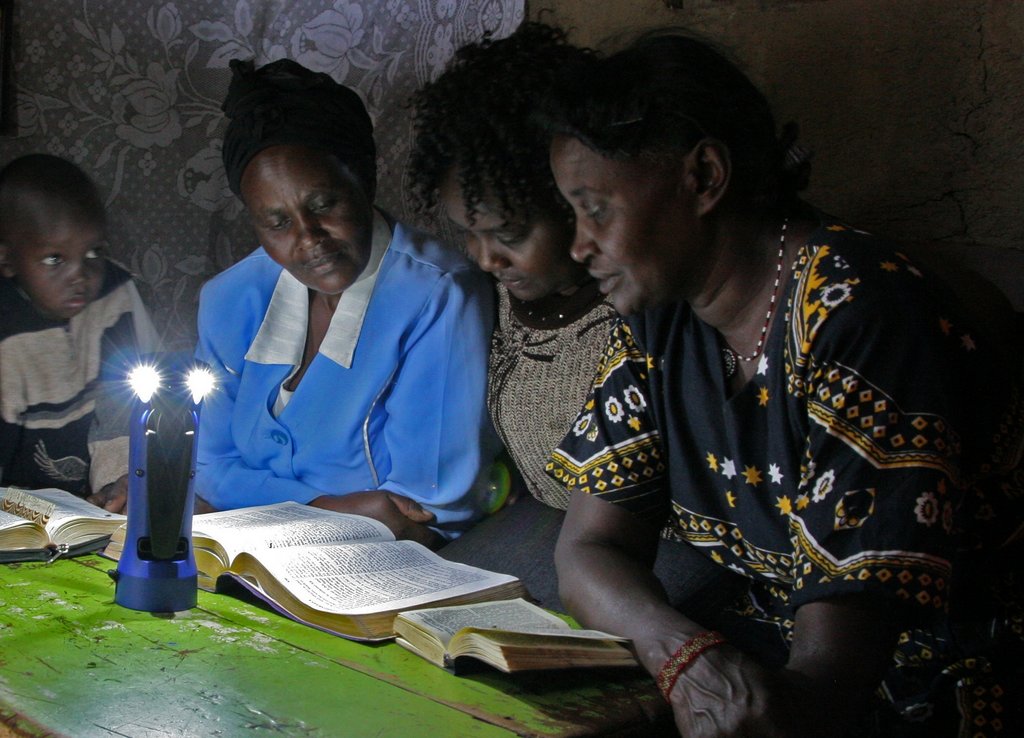
Kristine Pearson, CEO of Lifeline Energy, is in Kenya distributing Lifelights to women who normally use kerosene, candles or firewood to light their homes. These fuel-based lighting techniques are not only expensive (women spend up to 40% of their income on kerosene) but are also known to cause irreparable damage to the lungs and eyes.
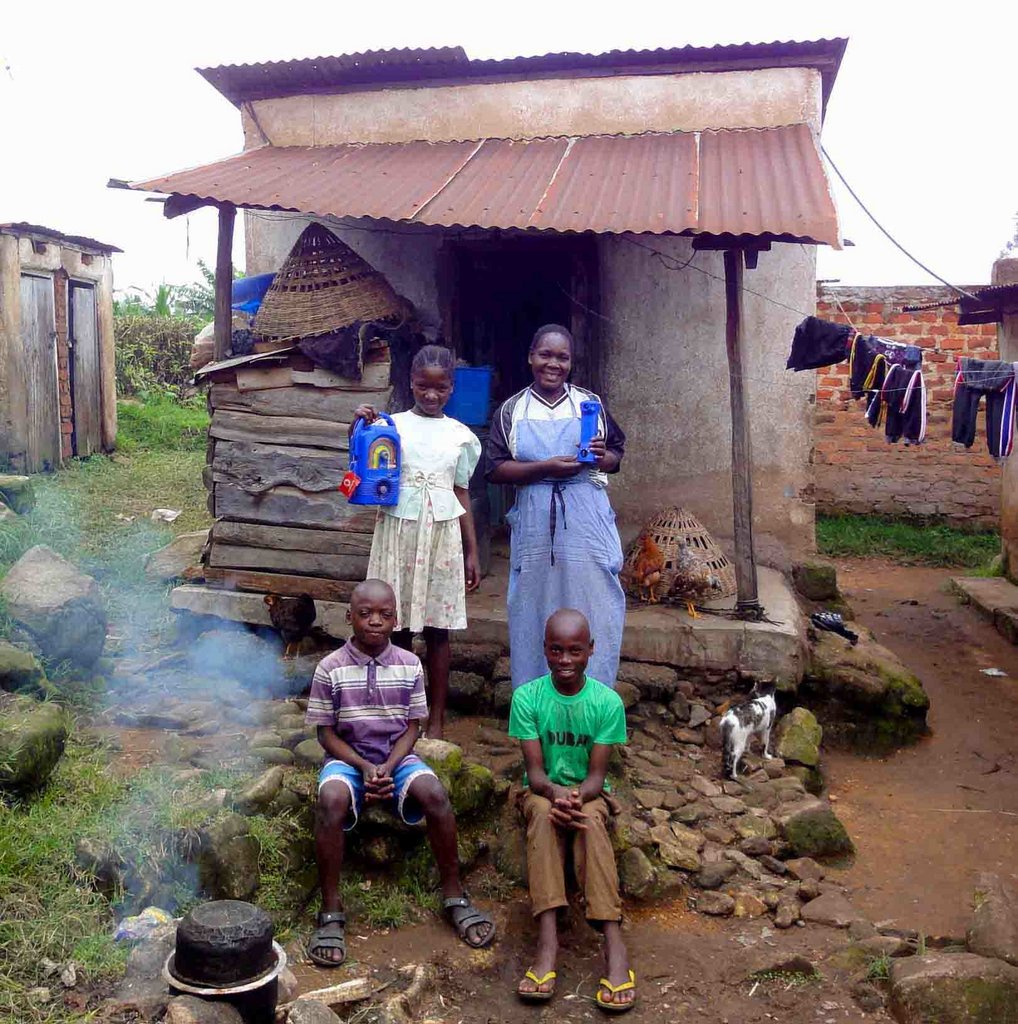
Gladys Kadogomoses – an HIV positive widow who was given a Lifelight during a recent distribution by Lifeline Energy – is just one example of how the Lifelight has brightened lives. During Kristine’s recent visit to Kakamega – where Gladys lives – the mother of three spoke about the positive impact the Lifelight has made for her family. Gladys said the Lifelight is making it possible for her children to study at night for the first time and for them to use the bathroom at night. She said: “Without this light, at night we are otherwise forced to use a small white bucket.”
She also spoke about the considerable savings she could make by using the Lifelight, instead of spending on kerosene. Like many other women in the area, Gladys spends roughly US$135 a year on kerosene – a staggering figure for single-mothers living in poverty.
Through your generous donations we are able to support hundreds of women like Gladys. Please continue to support this important cause.
You can find out more about Lifeline Energy’s Lighting Kenyan Women's Lives initiative or related projects by visiting our website http://www.lifelineenergy.org <http://www.lifelineenergy.org> .
Links:
![Share on Twitter]()
![Share on Facebook]()