Links:

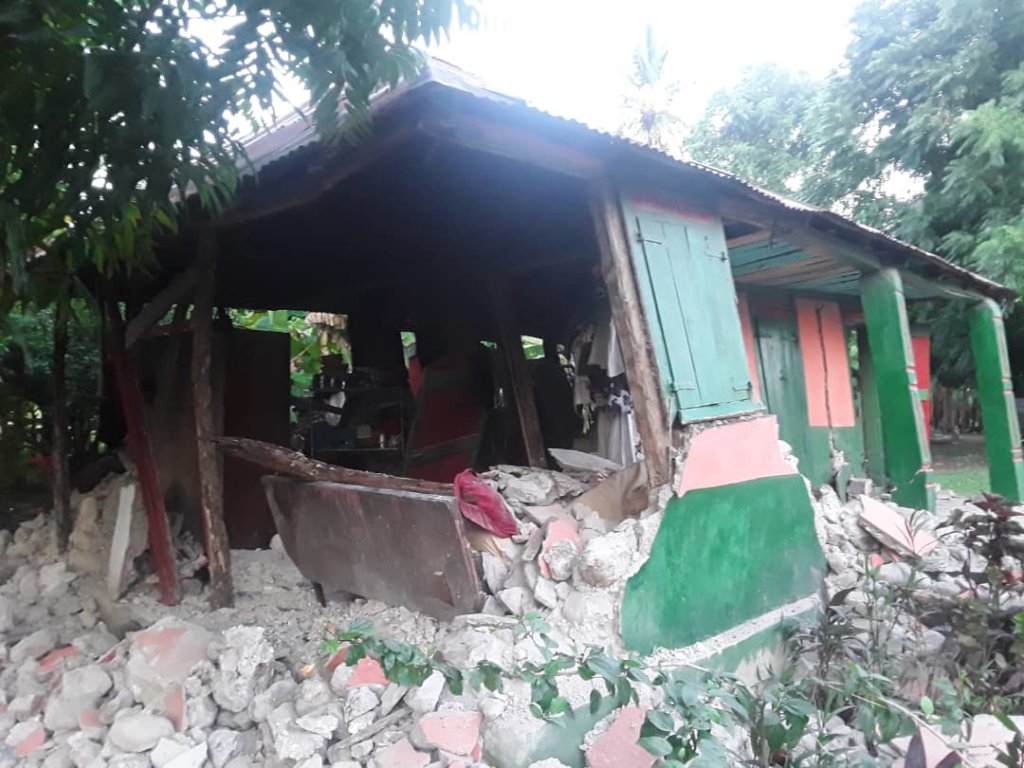
The Lambi Fund of Haiti just released its 2010 Annual Report. Your support on the project "Lambi Fund Emergency and Long Term Relief" played a pivotal role in our response after the earthquake. Click here to download the report to read how Lambi Fund mobilized grassroots organizations, pooled resources, and launched a strategic response post-earthquake to provide relief and to begin rebuilding in Haiti.
Be sure to take a look at the section titled "Looking Forward," which will give you a detailed description of Lambi Fund's strategy for rebuilding and looking towards the future in Haiti.
Most importantly, thank you for your kind generosity after the earthquake! Your support has helped communities throughout Haiti regain their footing.
Links:

It’s been just over a year and a half since the earthquake. This means that the Lambi Fund of Haiti has fully transitioned into long-term rebuilding mode. Eight new projects are starting throughout the country that will strengthen communities and create important means for sustainable incomes.
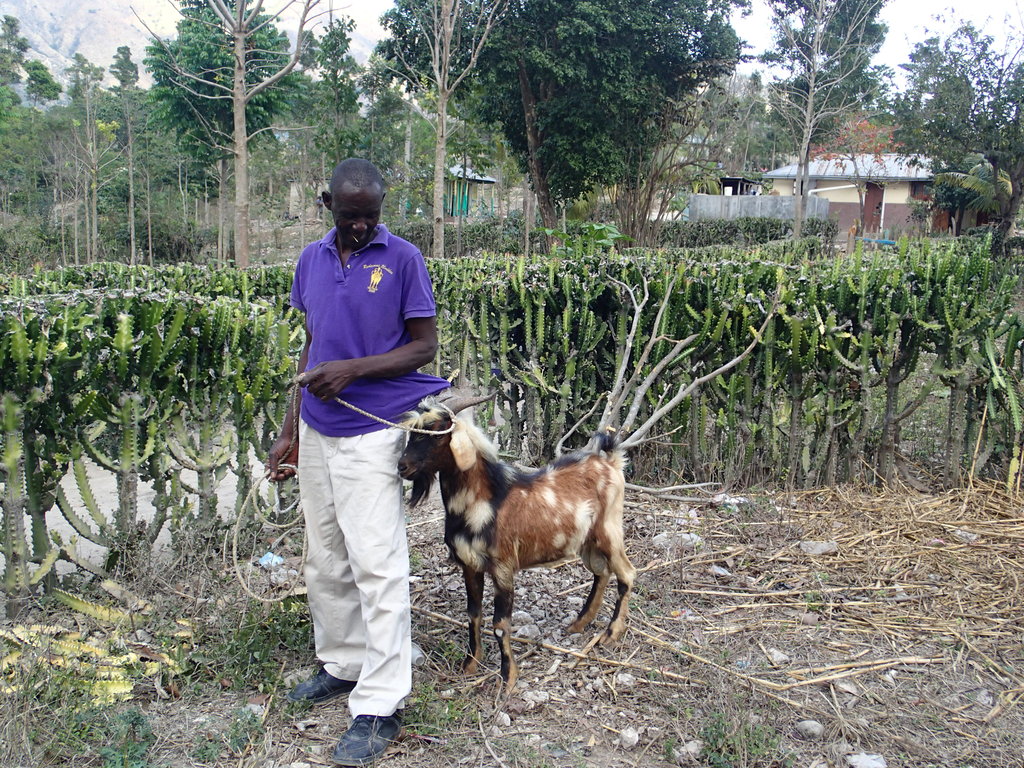
One such project is a sheep breeding project in Sothern Haiti. The Bedo Peasants Together organization (TKB) wants to raise and breed sheep in an effort to increase incomes for its members. In all 44 sheep will be purchased to start breeding. Training in sheep farming, veterinary care and on the importance of caring for the environment while raising animals will be provided in a series of workshops – which will ensure members are trained to manage the project for long-term success.
Your continued support for long-term rebuilding efforts in Haiti make small business enterprises like this one possible! The sheep will be purchased and sufficient training on sheep care and management will be administered thanks to donations like yours. An easy way to continue to make rebuilding in Haiti possible is to lend your support by sharing this project with friends and family members. The more we rally together, the more we can help a community organization like TKB get their development project off the ground.
Links:
It is an important time of year in Haiti – its planting season. Lambi Fund members throughout Haiti are gearing up to plant crops and maximize the use of their land. Thanks to invaluable support by donors like you, these Haitian farmers are ready to utilize numerous improve agriculture methods. For instance, ROJETAT is excited to utilize the use of ox-plows to cultivate and prepare their land. Newly purchased oxen and a plow will help these members plow their fields in a timely and efficient manner. Previous years’ planting seasons have been a stressful and back-breaking time for Haitians who were left to plow their fields by hand using hoes. The introduction of an ox-plow service is quickly making this tough reality a thing of the past!
Help continue to support Haitian peasants like members of ROJETAT as they strive for improved methods to cultivate their fields and increase crop outputs. Empowering entire communities towards greater self-sufficiency and food security is an investment well made.

Links:

Our recent visit to the Lambi Fund’s work outside of Gonaives on January 11, 2011, was my fist venture into the bush of Haiti. A few hours to the north of Port au Prince, their work was located near beautiful mountains and hills that I’m impressed our truck was able to navigate. We passed beautiful beaches, banana farms, and rice paddies, and we eventually came to the area outside of Gonaives where Lambi helps a community-based group operate an agricultural co-op. We first saw the organic plantain nursery they use to grow plants, which they share with a larger community group in somewhat of a credit and barter system. They do not charge for the pants, which take 8-10 months to grow fruit and sprout 40 plants from one bag/bulb, but rather they give them away to local community groups who plant them, use and/or sell them in turn, and return two new seeds to Lambi for them to cultivate and recycle back into the nursery system.
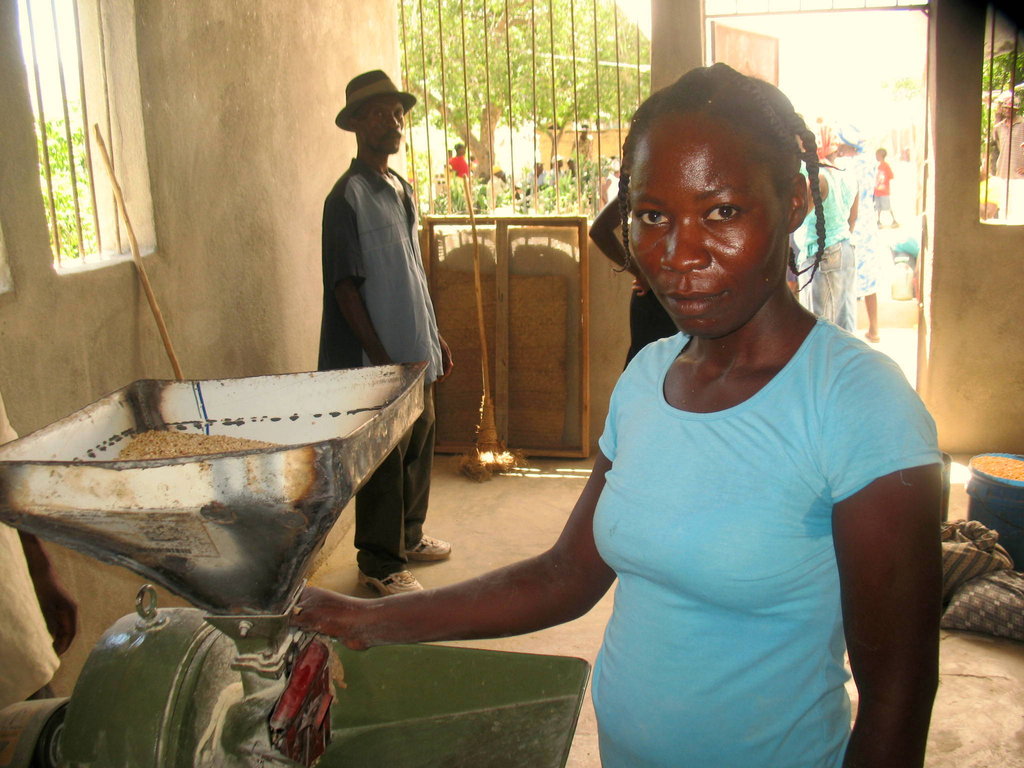
Not far down the road, we were greeted by roughly thirty members of the community group that benefits from this system. There were representatives from each of about a dozen local groups who participate in this co-op. In addition to bananas, they do cereal transformation using the engine they recently obtained to process grains, as well as other agriculture and livestock such as corn and goats. They hold monthly meetings, during which they determine their greatest needs, and they are currently focused on obtaining sufficient clean water for the community. Each family in the group is using a chlorine filtration system at present, but at a cost of 500 goudes per month, that has been cost-prohibitive for the group. Much of community members lost their livelihoods in the earthquake as well as many of their brightest hopes for the future in the form of local students who’d gone to Port au Prince for university but didn’t survive last January’s earthquake destruction.
Despite the obvious needs of the community, they couldn’t have been more welcoming or proud of the great work that Lambi has helped them achieve to date. They proudly introduced themselves to us – from the overall community group leader, Etienne Emario, to the women who take care of daily needs of the organization, Chrismene and Paulmimose. And we greatly benefited from their crops and farming, as Chrismene, Paulmimose, and other women of the group created a beautiful and delicious lunch feast for us. In addition to this delicious send-off, they provided us with a list of their most pressing office needs, which I have attached to this report for you to see as well.


Project Reports on GlobalGiving are posted directly to globalgiving.org by Project Leaders as they are completed, generally every 3-4 months. To protect the integrity of these documents, GlobalGiving does not alter them; therefore you may find some language or formatting issues.
If you donate to this project or have donated to this project, you will get an e-mail when this project posts a report. You can also subscribe for reports via e-mail without donating or by subscribing to this project's RSS feed.