By Ann Lolordo | Director, External Relations and Communications
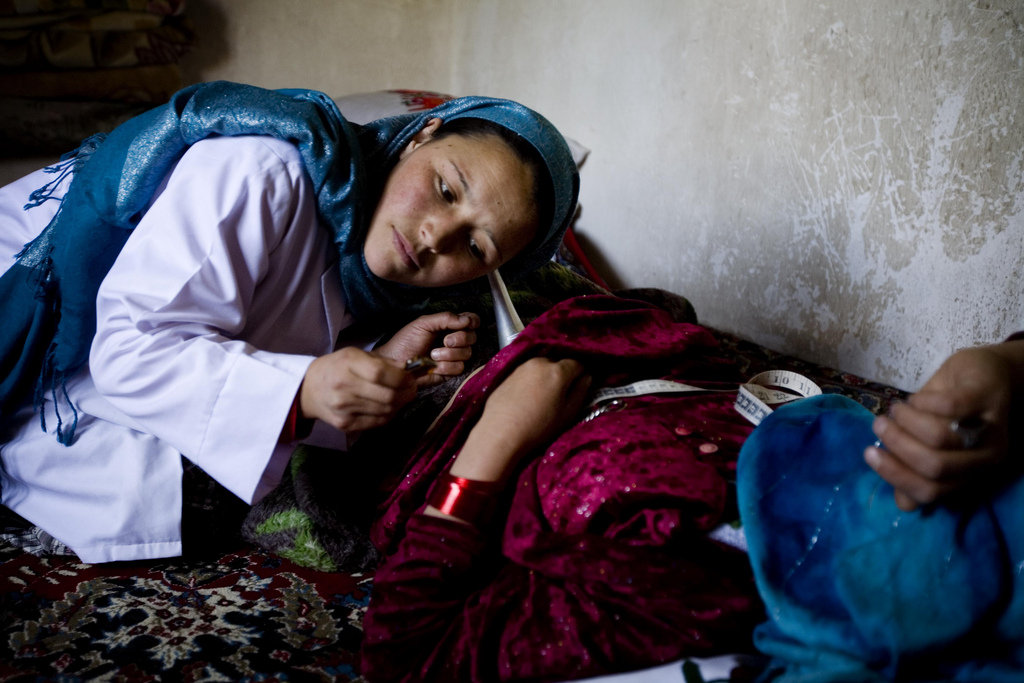
While working at a local hospital in mountainous Faryab Province in northern Afghanistan, Masoma, a midwife, encountered the case of a 13-year-old girl who had been repeatedly sexually assaulted by her 26-year-old husband.
Masoma had treated teenaged brides before—arranged marriages are common in culturally conservative Afghanistan and many Afghan girls are married off before they reach the legal age of 18. Marriage at such a young age, when girls are neither physically nor emotionally ready, make the wives vulnerable to sexual assault and violence. In the case of this young woman, because of her age, the girl’s father and the husband had agreed that although they were married, she would live at her parents’ house until she was 18. Although the girl’s husband and mother in-law initially agreed to this arrangement, soon after the wedding her husband took her against her will and sexually assaulted her.
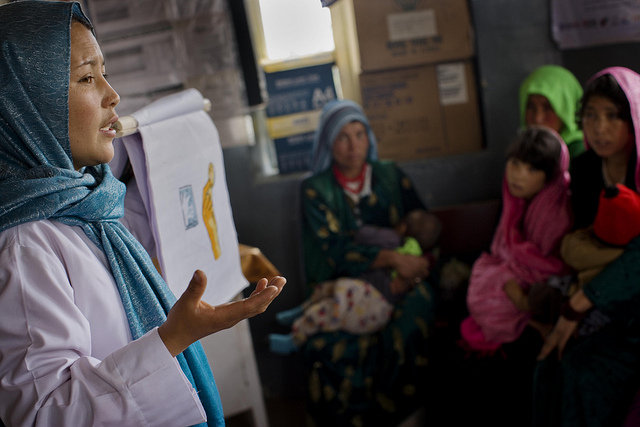
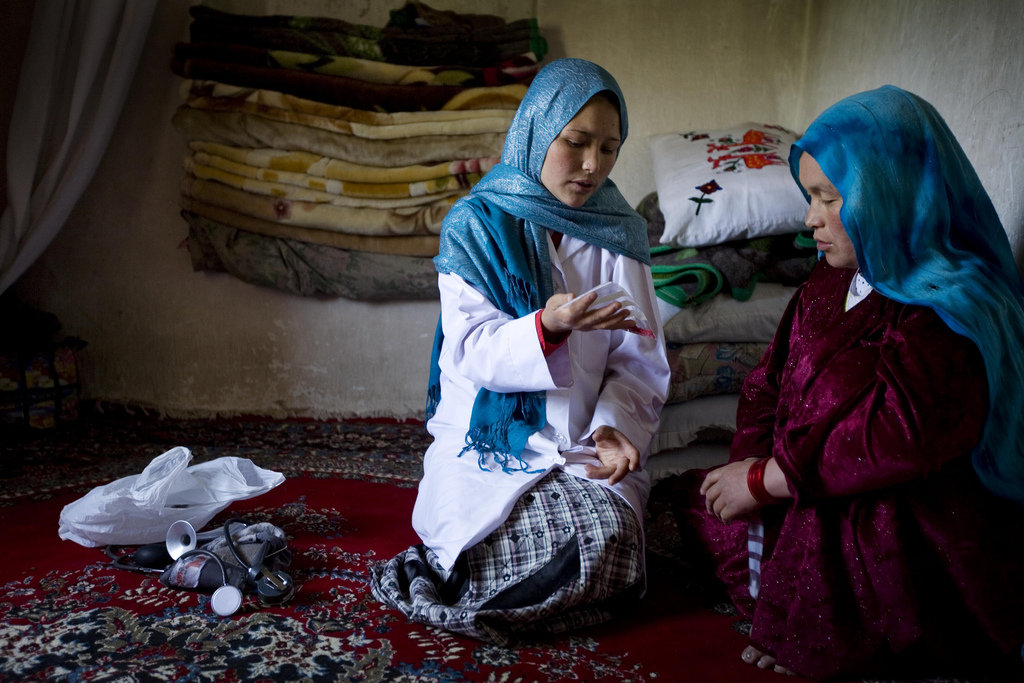
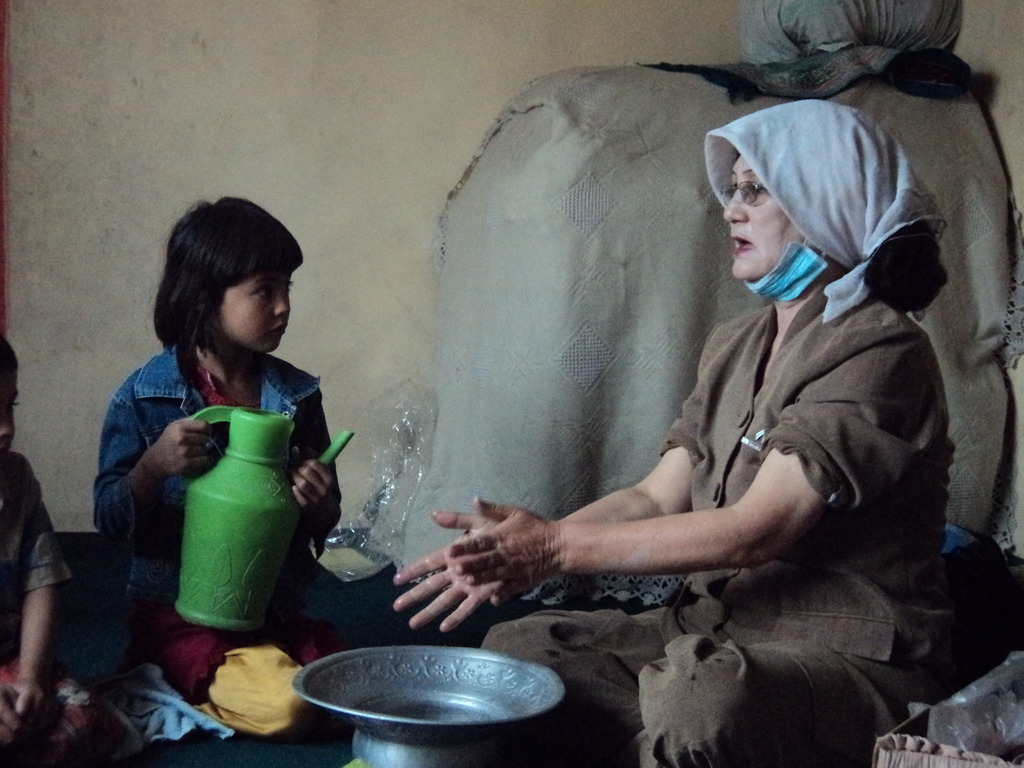
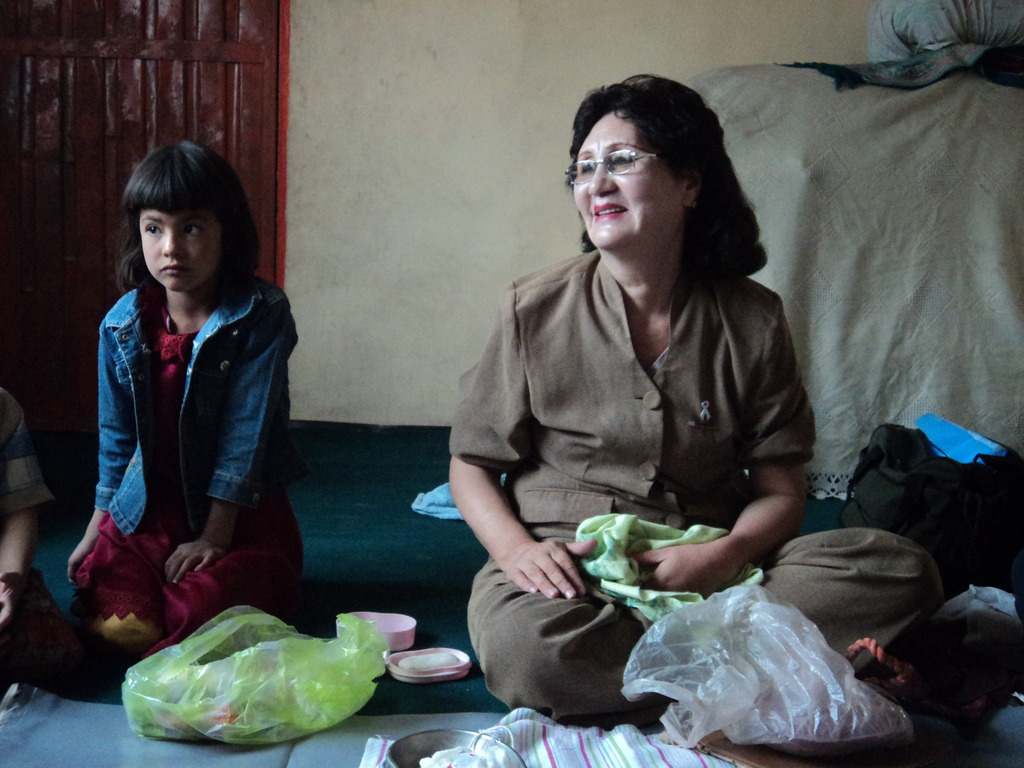
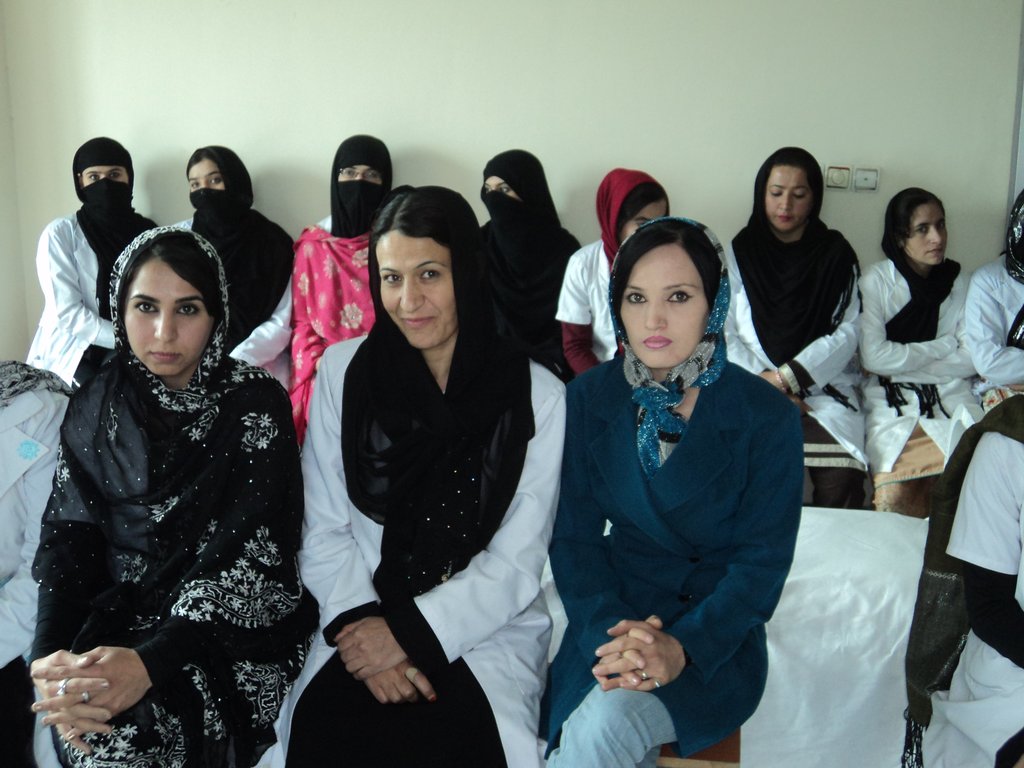
When this 13-year-old’s situation became known to Masoma, the midwife was ready to act. She is among 227 health care providers who participated in a gender-based violence training course sponsored by the Jhpiego-led Health Services Support Project (HSSP) with Futures Group as a partner. Through the training, funded by the U.S. Agency for International Development, Masoma learned how to address such situations and how best to advocate for the safety of women and girls.
“Based on what I learned from the training, and with the support of the hospital staff, I was able to convince her parents to take their daughter back to their home,” said Masoma. “I also spoke to her in-laws about the health consequence of this case. Fortunately, both families agreed to allow the daughter to live away from her husband until the age 18.”
“By participating in the HSSP gender-based training,” the midwife continues, “I learned how to advocate for women’s safety and am committed to sharing this knowledge with my community.“
In Afghanistan, as in many developing countries, women don’t always have the opportunity to access resources to protect their health. Because of cultural barriers, poor literacy and limited education, women are at a disadvantage in their ability to make informed decisions about their own health and well-being. The focus of the HSSP gender-based violence training is to raise awareness among health service providers in Afghanistan about the effects of violence on women’s health and the health of their families, and to encourage providers to be a voice of support on their behalf.
Gender-based violence is among the hardest topics to talk about in Afghanistan because the majority of victims are not willing to disclose their situation to health care providers or law enforcement authorities. They worry that their families will be dishonored if they report incidents of domestic abuse or sexual violence. In addition, providers who lack awareness about gender-based violence can end up judging patients rather than treating them.
To address these various barriers, HSSP has taken a systematic approach to integrate gender awareness into the delivery of basic health services as described by the government. The ultimate goal of addressing gender issues is to ensure that these interventions and services improve women’s access to and use of health services. HSSP interventions that integrate gender within service delivery include:
Masoma is clear on the benefits and continued need for gender-based violence training: “I hope this program expands to the rest of Afghanistan,” she says, “so that public awareness about gender and gender-based violence increases.”
By Ann Lolordo | Director, External Relations and Communications
By Ann LoLordo | Director, External Relations and Communications
Project reports on GlobalGiving are posted directly to globalgiving.org by Project Leaders as they are completed, generally every 3-4 months. To protect the integrity of these documents, GlobalGiving does not alter them; therefore you may find some language or formatting issues.
If you donate to this project or have donated to this project, you can receive an email when this project posts a report. You can also subscribe for reports without donating.