By Ann Lolordo | Director, External Relations and Communications
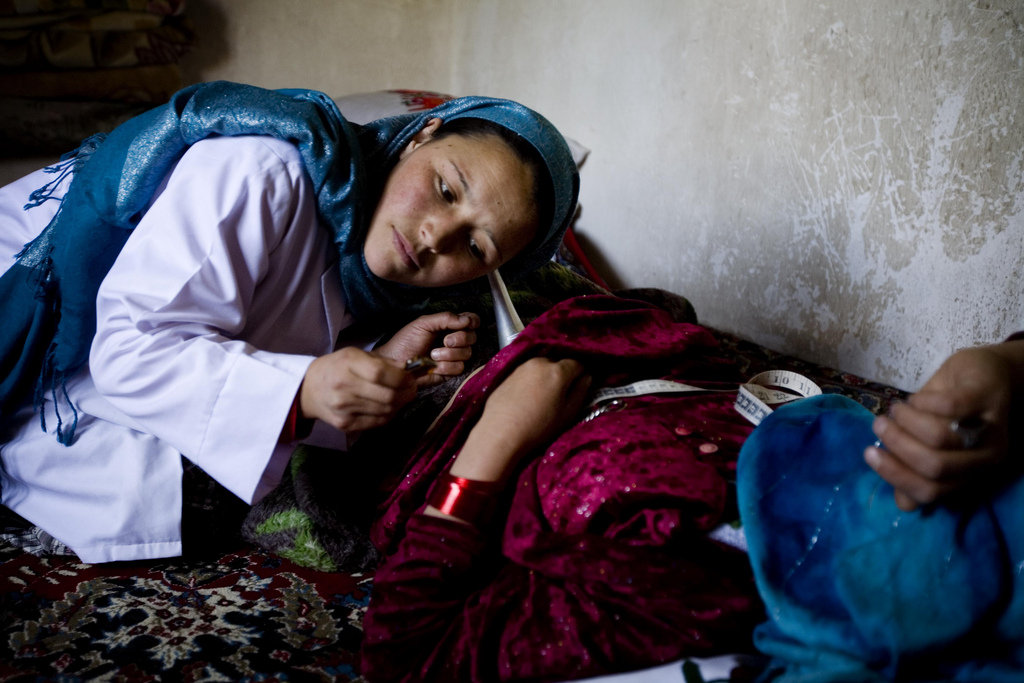
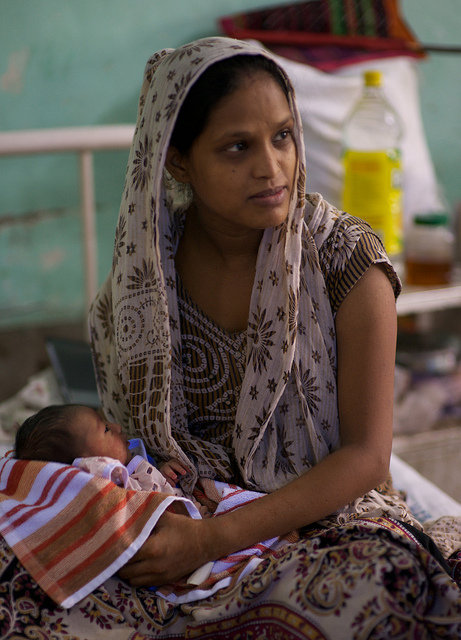
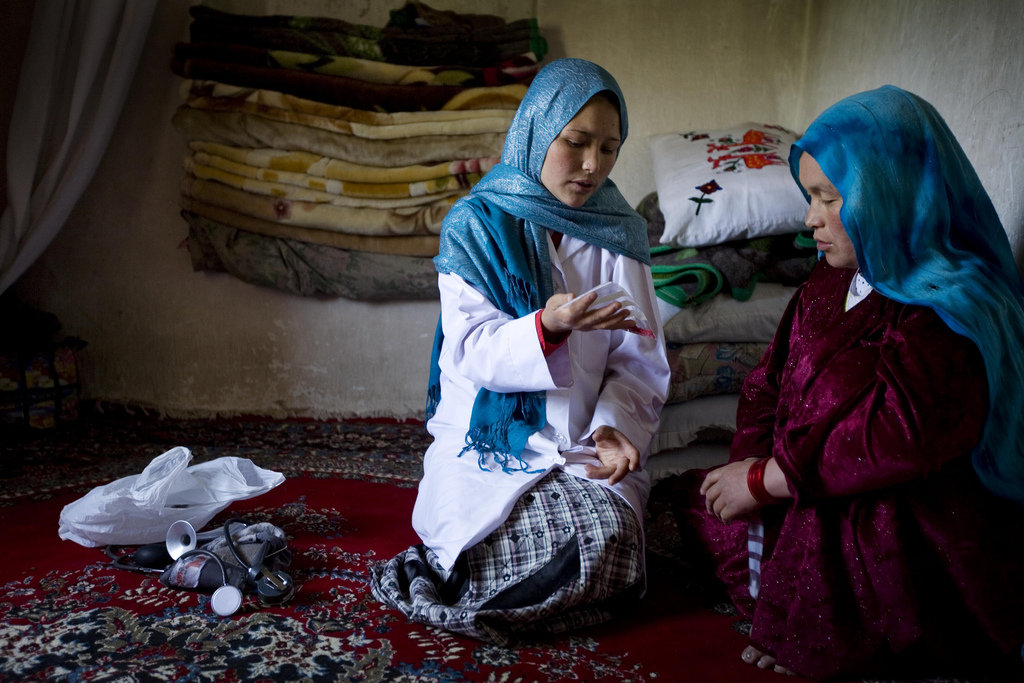
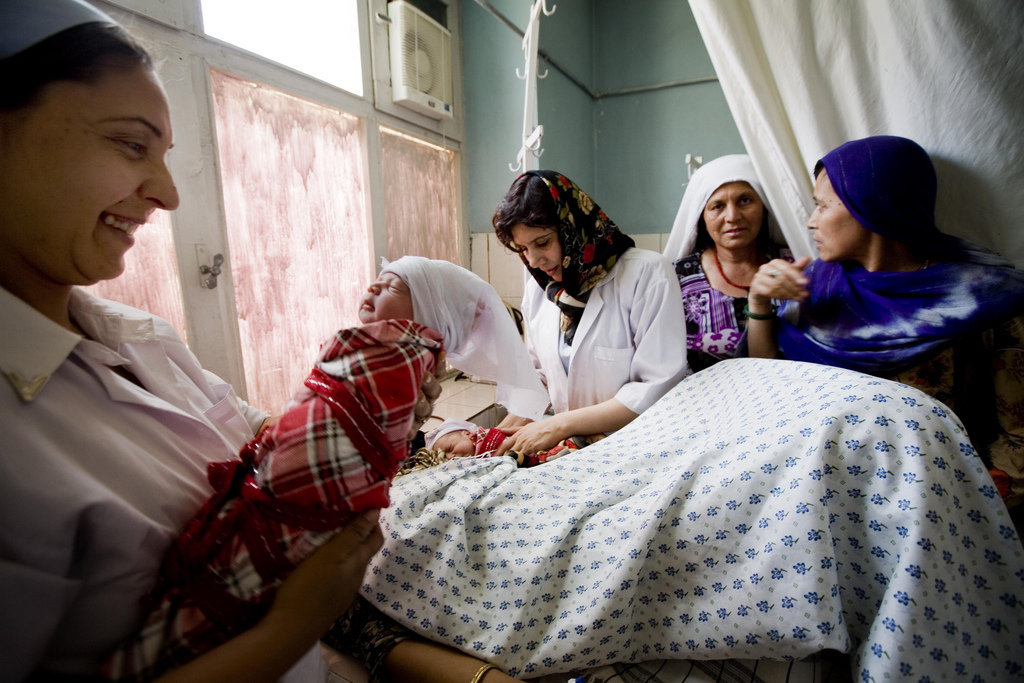
The number of midwives delivering skilled health care to women in Afghanistan has more than tripled under programs supported by Jhpiego and partners, leading to significantly more women surviving childbirth.
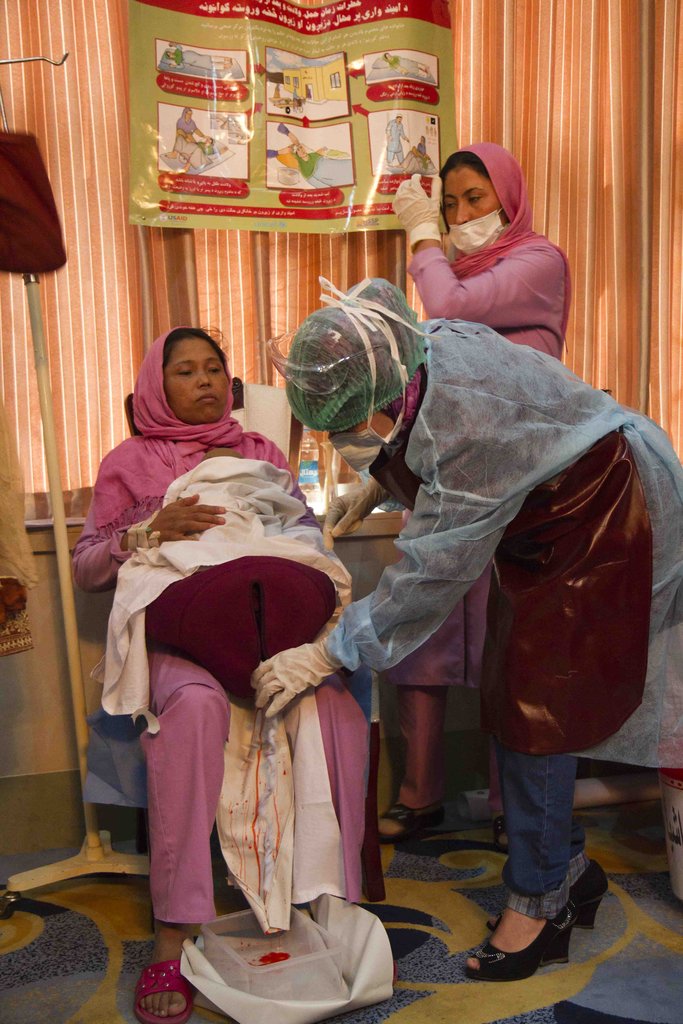
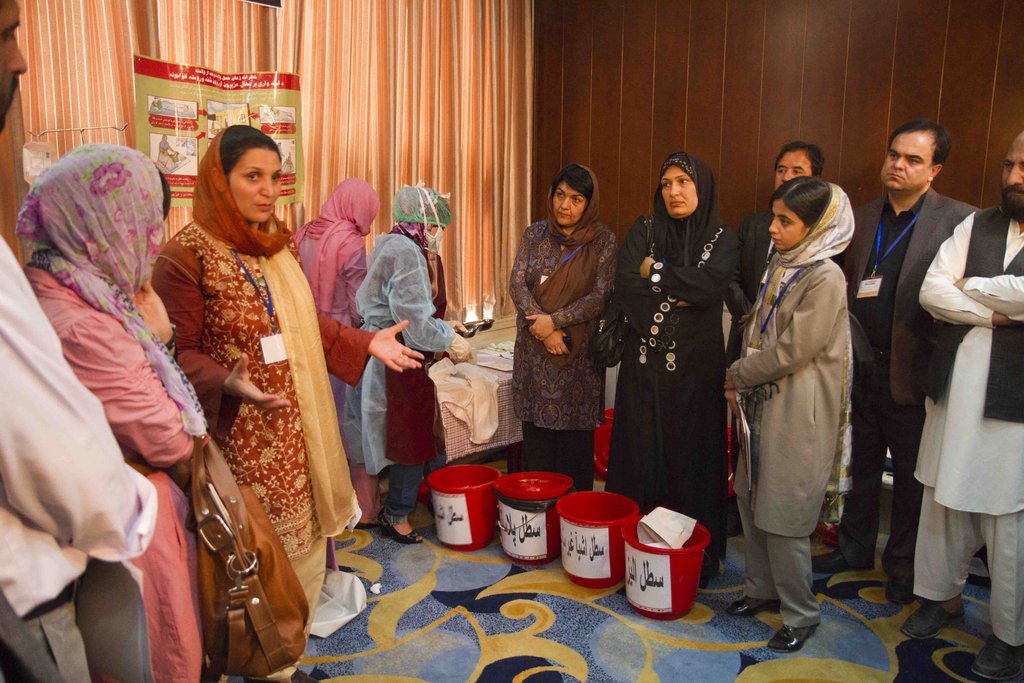
Jhpiego, an international health non-profit and affiliate of Johns Hopkins University, has been at the forefront of efforts to prevent childbirth-related deaths in Afghanistan since 2002. In partnership with the Afghan government and funded by the U.S. Agency for International Development, Jhpiego helped revitalize the Afghan midwifery workforce by developing a national education system to train midwives to provide competent skilled care to women during childbirth.
At the time the USAID-funded work began in 2003, Afghanistan’s maternal death rate was the second highest in the world. There were only 467 midwives in a country of 20 million, less than 8 percent of pregnant women gave birth with a skilled provider at her side, and only one province offered midwifery education.
Today, as a result of the USAID-funded Health Services Support Project (HSSP) and prior programs, the state of midwifery in Afghanistan is vastly improved:
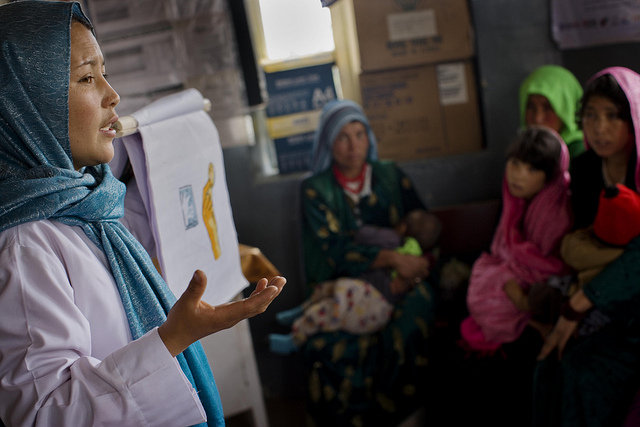
• More than 3,000 new midwives have graduated from a network of government-accredited schools whose curriculums and competency-based training were developed by Jhpiego in collaboration with the Afghan Ministry of Public Health and other partners;
• The percentage of women giving birth in a health facility has increased from 19 percent in 2005 to 32.4 percent in 2011;
• Midwifery programs have increased from 1 in 2002 to 30 today;
• 86 percent of graduates of community midwifery schools received jobs;
• A professional organization of midwives was organized and supported with the help of USAID; the association has more than 2,000 members across 33 out of 34 provinces;
The Afghanistan Mortality Study (AMS), which was released last year by the government, showed a significant reduction in women dying in childbirth. The study found that 327 Afghan women die for every 100,000 births. That compares to the World Health Organization rate of 1,400 for 100,000 births in 2008.
Dr. Leslie Mancuso, Jhpiego President and Chief Executive Officer, said Jhpiego’s innovative strategies to build the capacity of Afghan midwives and strengthen health facilities throughout the country have resulted in improved health services for women.
“The fact that more Afghan women are surviving childbirth is a testament to the newly-educated midwives who are working in their communities to prevent the needless deaths of women and families,” said Dr. Mancuso. “Jhpiego’s focus on skilled care and innovative strategies to prevent the deaths of women shows that continued investment in strengthening the Afghan health system will save lives.”
Project reports on GlobalGiving are posted directly to globalgiving.org by Project Leaders as they are completed, generally every 3-4 months. To protect the integrity of these documents, GlobalGiving does not alter them; therefore you may find some language or formatting issues.
If you donate to this project or have donated to this project, you can receive an email when this project posts a report. You can also subscribe for reports without donating.