Intercultural Education for Indigenous Youth

 
$10,115
$23,185
Raised
Remaining
Apr 23, 2013

Project Update Puerto Firmeza

Composting Latrines
Composting Latrines

We are continuing to make good progress in creating a new model for intercultural education at this pilot school project known as “Soi Sani” of 120 students in the indigenous Shipibo community of Puerto Firmeza in the heart of the Peruvian Amazon.

Thanks to the generosity of our donors, we have been able to advance on four significant fronts in the last few months:

  1. We completed the construction of six organic compost latrines during the school holidays at the start of this year. On return to their school in March, the students were taught how to use these toilets. Apart from providing a much better experience than the dirty, unhygienic toilets that previously existed, these toilets will also produce manure that can used in the permaculture project in the school grounds.
  2. We have begun the construction of a traditional kitchen and workshop area on the edge of the school grounds. This kitchen will be used by the nutritionist working with us to give classes on nutrition and cooking for 15 people at a time to 80 children at the school and 30 of their mothers.
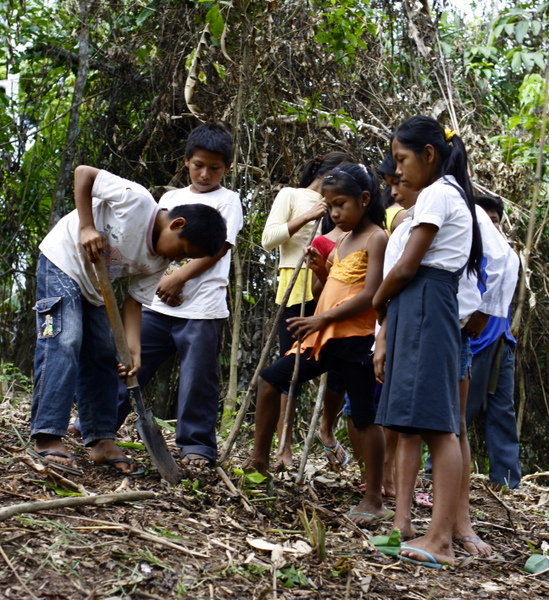
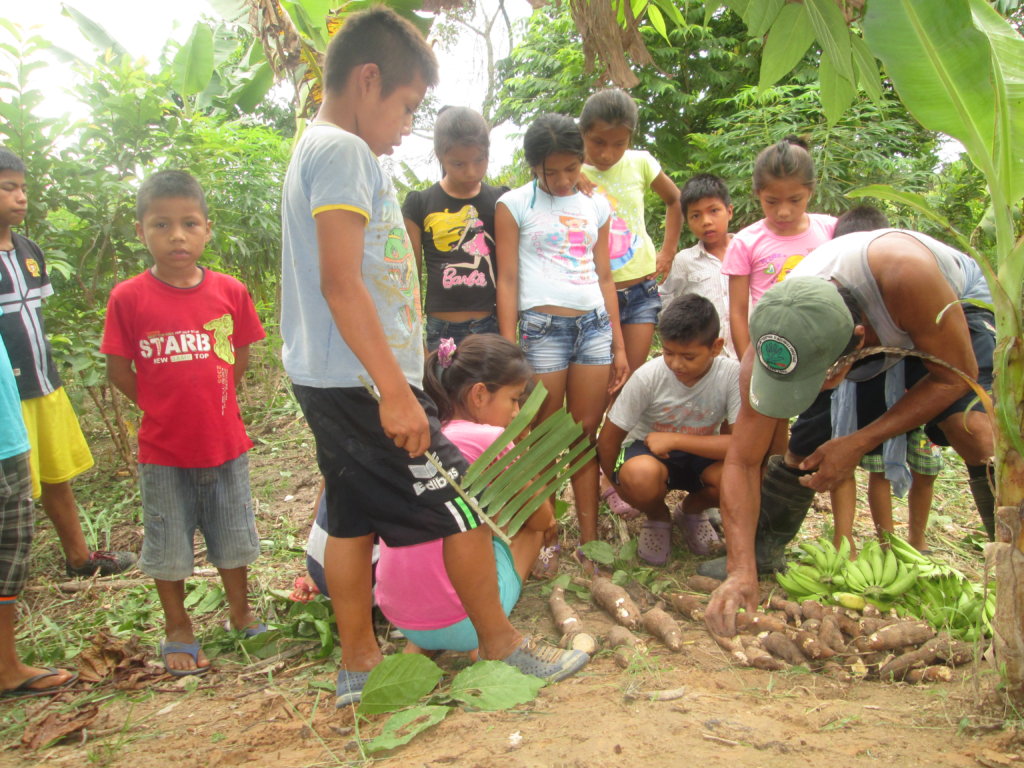
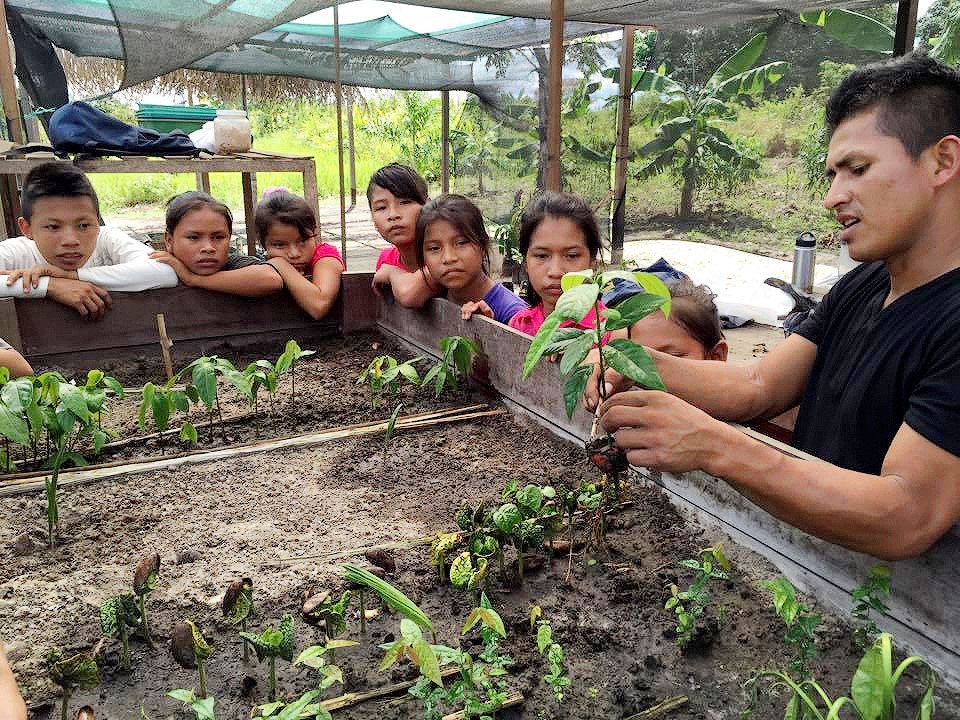
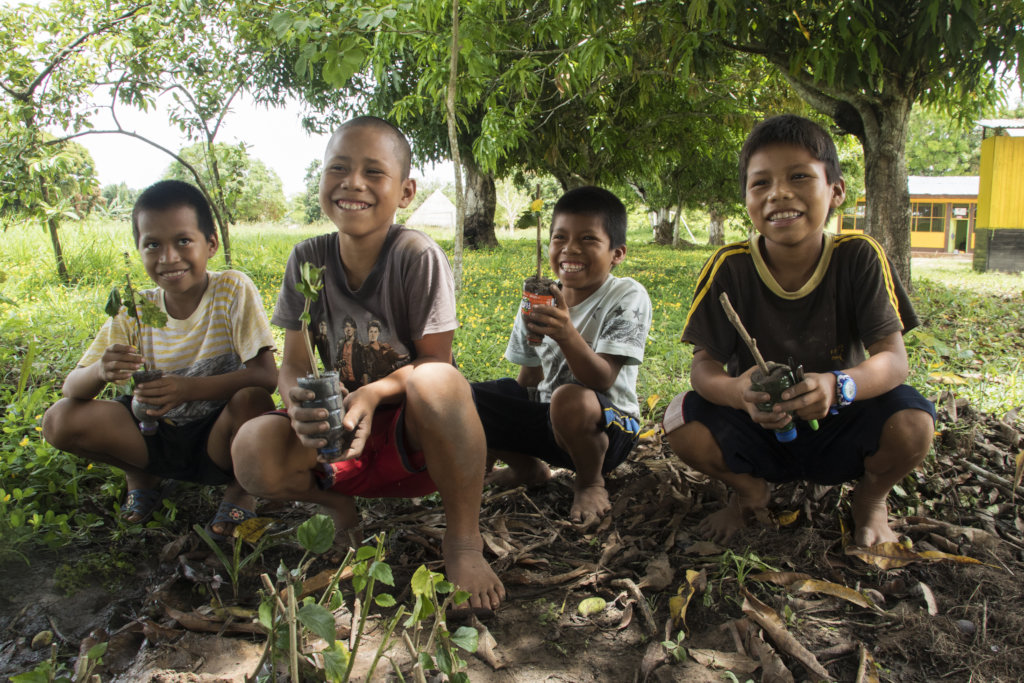
  3. We are planting vegetable crops such as carrots, onions, cabbage, spinach, lettuce and tomato to provide some of the basic ingredients for the cooking/nutrition classes. In addition, we will be running a three-day workshop to teach 15 members of the community how to plant and grow these crops for themselves.
  4. At the beginning of the new school year in March, we gave each one of the eight teachers at the school a small budget to enable them to purchase basic teaching materials such as pens and papers.

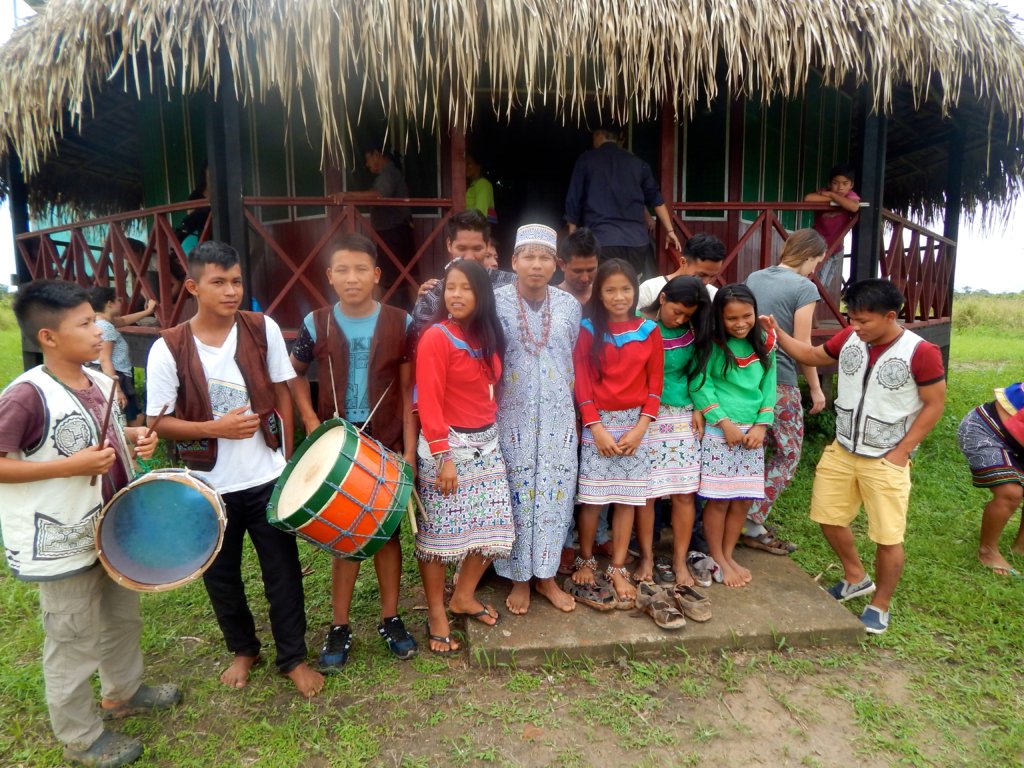
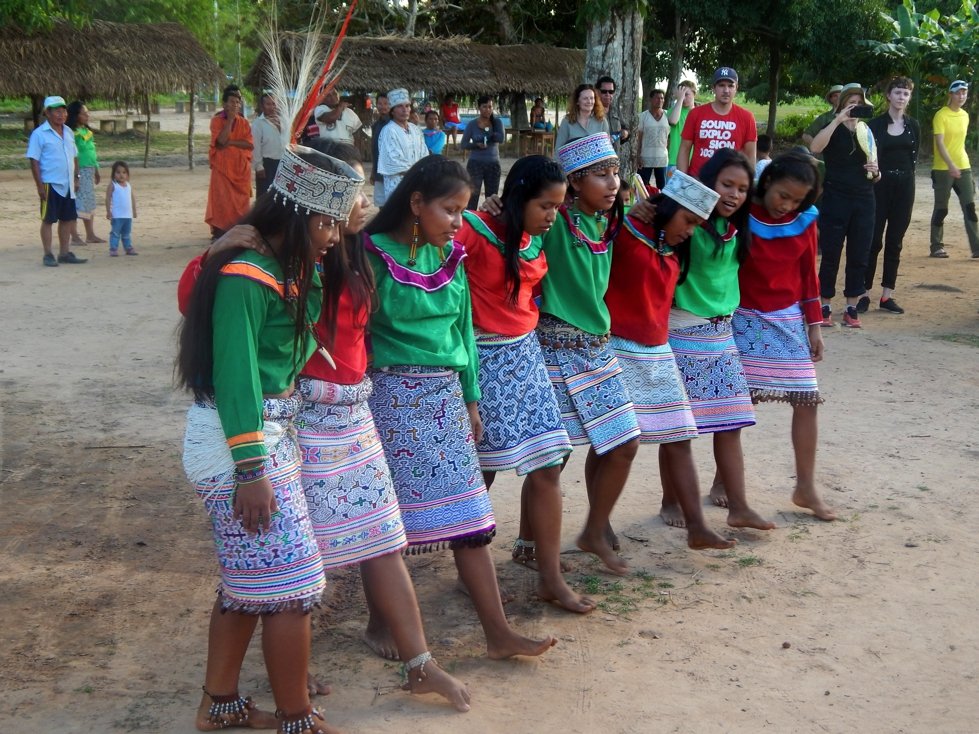
This new model of education is important as it combines the practical teaching of traditional agricultural practices based on permaculture principles with the Peruvian State education curriculum. By doing this, we are developing an innovative model of “productive education”. Additionally, the children will receive classes about the arts and crafts of their own culture and its cosmovision.

Many thanks to our donors who are enabling us to continue this important work, which helps preserve and strengthen a unique indigenous culture as well as help create food security and diminish malnutrition by developing the capacity of the students and their parents to grow their own nutritious food. And especial thanks to the donors who give monthly as this is invaluable in helping us plan ahead.

Jan 22, 2013

January Update

Many thanks to all our supporters who have generously donated via Global Giving. In total we have now raised $9,725 through this campaign.

This money has enabled us to do the following:

  • Begin work on building a fish farm, which is a key part of our strategy to provide nutritive food to the children at the school, many of whom are suffering from malnourishment.
  • Complete the building of an area to raise chickens. Each family has contributed one chicken. The children at the school will help rear these and, in time, apart from providing eggs and food for the school, two chickens will be returned to each family.
  • Support two students on the Agriculture Degree Course at the National Indigenous University of the Amazon to attend a ten-week course on permaculture at the school during their three month vacations.
  • Support the printing of material which is helping to introduce a new curriculum into the school closely linked to the Shipibo culture.
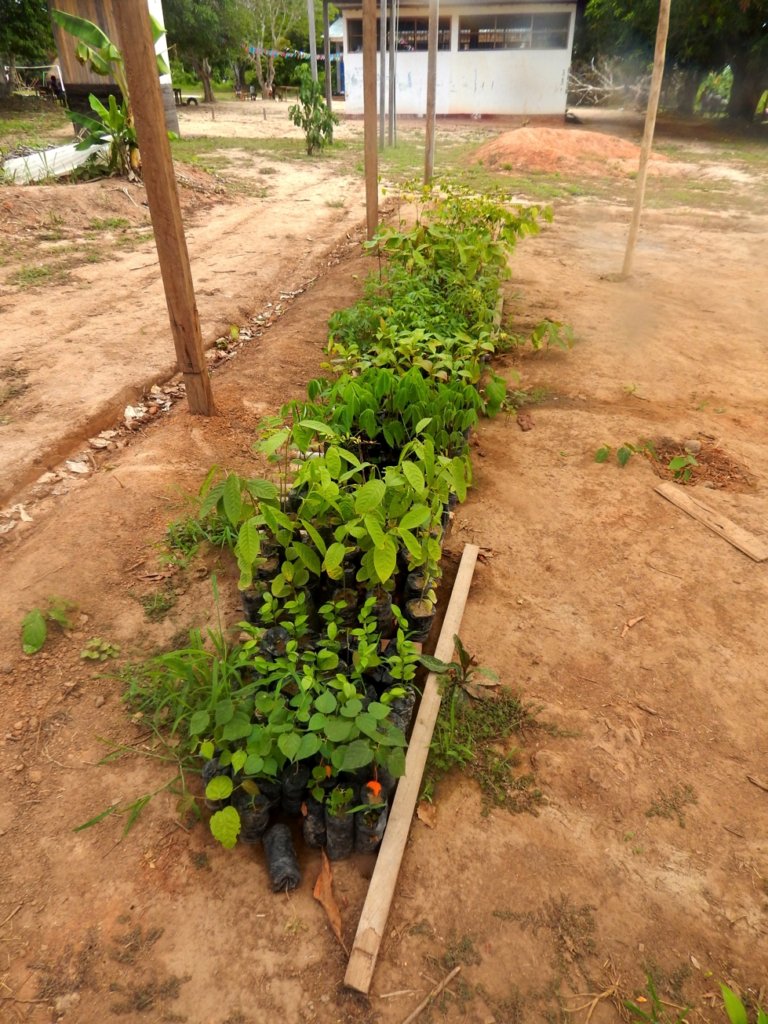
  • Plant an area of fruit trees - some of which are for human consumption and some of which will feed the fish in the fish farm.
  • Construct six new dry compost organic bathrooms for the school, which will provide manure for the cultivation of fruit, vegetables and medicinal plants.

Further donations will be used to:

  • Build a traditional kitchen, combined workshop area and dining room on the school premises where a nutritionist employed by Alianza Arkana will teach the children and parents about nutrition, based on food that will be grown at the school and within the community.
  • Begin to cultivate the additional three hectares the community have donated to the school with cotton that can be used to teach the children traditional weaving skills and further staple food crops such as yucca, platano and dale-dale.
Oct 25, 2012

Fish Farm Construction has Begun!

On September 20th, Alianza Arkana and the indigenous community of Puerto Firmeza held their first minga (community work day) to begin the construction of the school´s fish farm, an important next step towards creating a productive and intercultural education in the community. The fish farm will not only provide a nutrient rich food source for the children, but students will also learn how to maintain and take care of a fish farm as well as traditional skills of fishing using bows and arrows. The construction of the fish farm is made possible by our supporters, who just helped us raise nearly $10,000 in a recent fundraising effort, through Global Giving.

Alianza Arkana has been working with Puerto Firmeza since the beginning of 2011 to create a fully functioning new model of intercultural and ¨productive¨education, in which Shipibo students are not only provided a high-quality Western education, but also learn about their culture and cosmovision, as well as being directly involved in food production as part of their education.

The production of healthy food is extremely important, as a significant number of students suffer from malnourishment, as a result of environmental degradation in the community primarily caused by overfishing, illegal logging, and slash and burn agriculture. Children arrive to school in the morning not having eaten and therefore cannot concentrate in their classes. The ultimate aim of the school is to offer every student a breakfast and lunch every day.

Throughout 2011 and this year, Alianza Arkana has been helping build the basic infrastructure for the provision of food to the school based on permaculture principlesTraditional food crops and fruit trees have been planted, and recently, with the help of the local community, a chicken farm has been established.

In combination with the fruits and vegetables now planted, the chickens and eggs that will be ready by the middle of next year, the fish farm will provide an important source of food for the school students of high nutritional value.

The minga was attended by 50 adults and 30 older studnts. A series of 5 more mingas will be held during the next weeks to implement the basic infrastructure of the fish farm so that when the rainy season begins in Novemer, the land in front of the dam will fill with water to form a lake.

Once the dam is built and the area filled with water, 15,000 small fish called boca chica (literally translated "small mouth") will be introduced into the newly created lake. These will grow in size to reach nearly one kilogram each, until they are ready to be harvested in October 2013. Fruit trees that have been planted and other trees that already exist in the area will provide the food for the fish.

About Project Reports

Project Reports on GlobalGiving are posted directly to globalgiving.org by Project Leaders as they are completed, generally every 3-4 months. To protect the integrity of these documents, GlobalGiving does not alter them; therefore you may find some language or formatting issues.

If you donate to this project or have donated to this project, you will get an e-mail when this project posts a report. You can also subscribe for reports via e-mail without donating or by subscribing to this project's RSS feed.

An anonymous donor will match all new monthly recurring donations, but only if 75% of donors upgrade to a recurring donation today.
Terms and conditions apply.
Make a monthly recurring donation on your credit card. You can cancel at any time.
Make a donation in honor or memory of:
What kind of card would you like to send?
How much would you like to donate?
gift Make this donation a gift, in honor of, or in memory of someone?

Organization

Alianza Arkana

Yarinacocha, Ucayali, Peru

Project Leader

Matthew Watherston

Iquitos, Loreto Peru

Where is this project located?

Map of Intercultural Education for Indigenous Youth