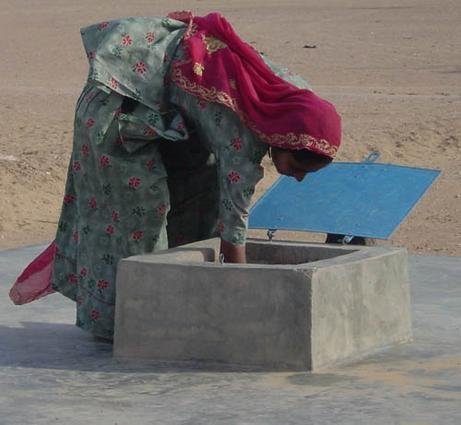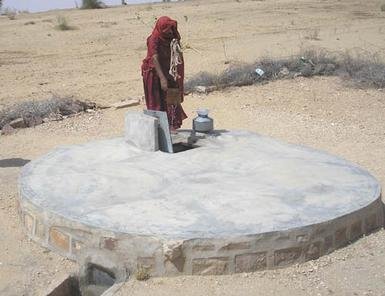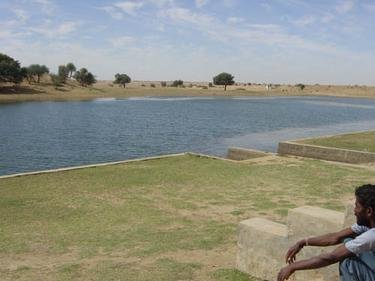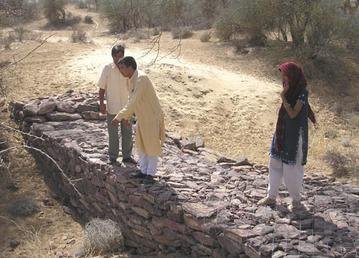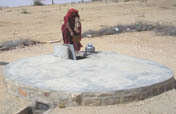
Increase the availability of drinking water and irrigation for crops, reduce incidence of water borne diseases, and ease everyday drudgery on women by promoting traditional water harvesting structures
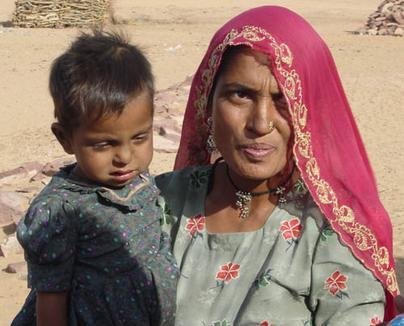
Lack of water and frequent droughts in the Thar Desert impacts the socio-economic status of the desert community. Shortage of drinking water poses severe health risks as manifested through water-borne diseases and severe dehydration. Socially, the biggest impact is on women. They spend hours each day walking miles in search of water under extremely hot and harsh conditions. Young girls, too, need to go and fetch water which deprives them from going to schools.
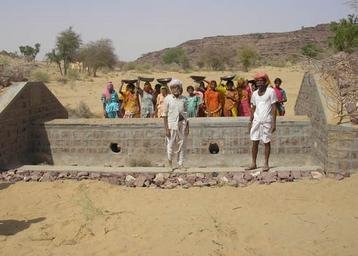
Develop drought-preparedness among desert communities through training and capacity building; constructing traditional water harvesting structures through community contribution (cash, kind, and labor); involving community in upkeep of structures.
The guarantee of safe, secure water removes the stress and worry that preoccupies residents of the Thar. The revival of traditional rain harvesting systems will bring safe drinking water, save time that women labor and help socio-economic stability
This project has provided additional documentation in a Microsoft Excel file (projdoc.xls).