By Lyndsay Booth | Online and Multimedia Coordinator
In our project updates we have shared with you the story of many women who are going through our training program in hopes of gaining skills to help them build better lives for themselves, their families and their communities. Now we want to share with you the story of why we began working in South Sudan, the challenges our program participants face and the impact we hope to have through our programs.
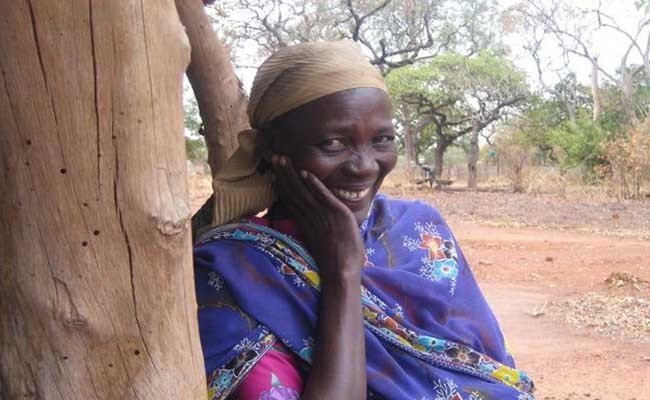
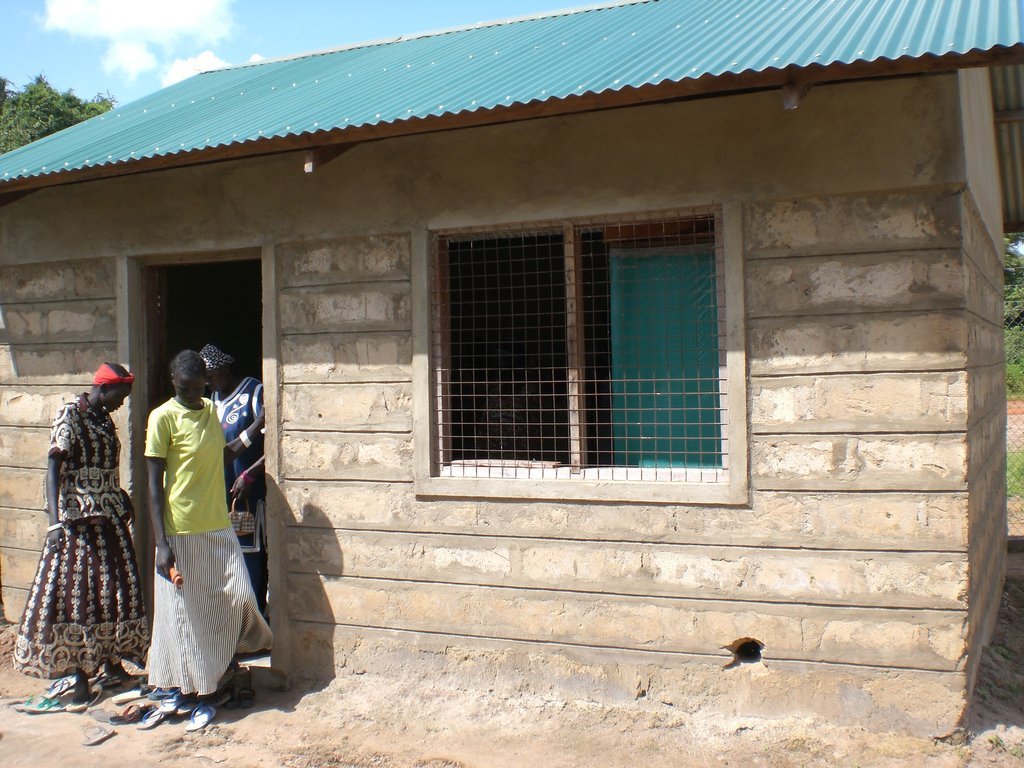
Women for Women International launched operations in South Sudan in 2005, before there was even an official South Sudan. Then the area was part of the country of Sudan. It is an area almost entirely without basic infrastructure, such as roads, health facilities or schools. It is expected that the war here displaced up to two million people. Women for Women International sent an assessment team to Sudan in July 2005 to evaluate the feasibility of helping the country's socially excluded women rebuild their lives, families and communities after conflict. What began as a two-week trip has turned into a long-term commitment to working in South Sudan. We witnessed Sudan's harsh realities firsthand. We found a vast country with a tangled and complex history of conflict that you can see on the faces of the women we serve.
During the 22-year-long civil war plauging the country:
- 4 million people have fled their homes
- 2 million people have died
Women and children in particular have felt the effects of war:
- 2 million women have been raped
- 1 in 7 women in South Sudan will die in childbirth
- 1 in 10 babies will die before their first birthday
We conducted extensive interviews with women at the grassroots level and met with representatives from the government and community based organizations (CBOs). We confirmed reports that women are bearing the brunt of the horror, suffering through unthinkable acts of gender-based violence and sexual slavery, trying to manage survival for them and their families in what were often subhuman living conditions. Amid the horror stories, we also found hope. We discovered a strong civil society and an organized women’s movement with clear optimism for the future of Sudan and keen insight into what is needed to make those hopes a reality. If the international community plans to assist with the country’s reconstruction in any meaningful way, it must seek the wisdom and counsel of Sudanese women.
The following issues are those most frequently mentioned by the women we interviewed as being critical to the country’s future: income generation and employment opportunities for women; girls’ education and illiteracy among women; access to resources, including water, electricity, housing and jobs; customary and family laws regarding early marriage, wife inheritance, ghost marriage and criminal ramifications of adultery, polygamy and divorce rights; gender-based violence; and women’s health, including HIV/AIDS, female genital cutting, reproductive health and maternal and infant mortality and morbidity.
We spoke with Sudanese women’s organizations that are deeply committed to these issues. These organizations are also in dire need of resources and support to build and sustain their organizational capacities. They identified the following primary needs: expand the reach and resources of CBOs through international partnerships; train women leaders in advocacy, coalition-building strategies and negotiation skills; launch a national advocacy program about the importance of including women in reconstruction and transitional development agendas at the local, regional and national levels; promote organizational and staff development with tools and financial resources that improve institutional capacity.
A critical window of opportunity exists for women’s participation in the development and reconstruction of South Sudan. During our assessment, we uncovered both a great need and a great desire for our services and resources, particularly in southern Sudan. Not only has the protracted civil war destroyed any semblance of infrastructure, but the area has some of the highest female illiteracy and malnutrition rates in the world.
- 95% of WfWI - South Sudan participants have no formal education
- 96% of WfWI - South Sudan participants can not read or write
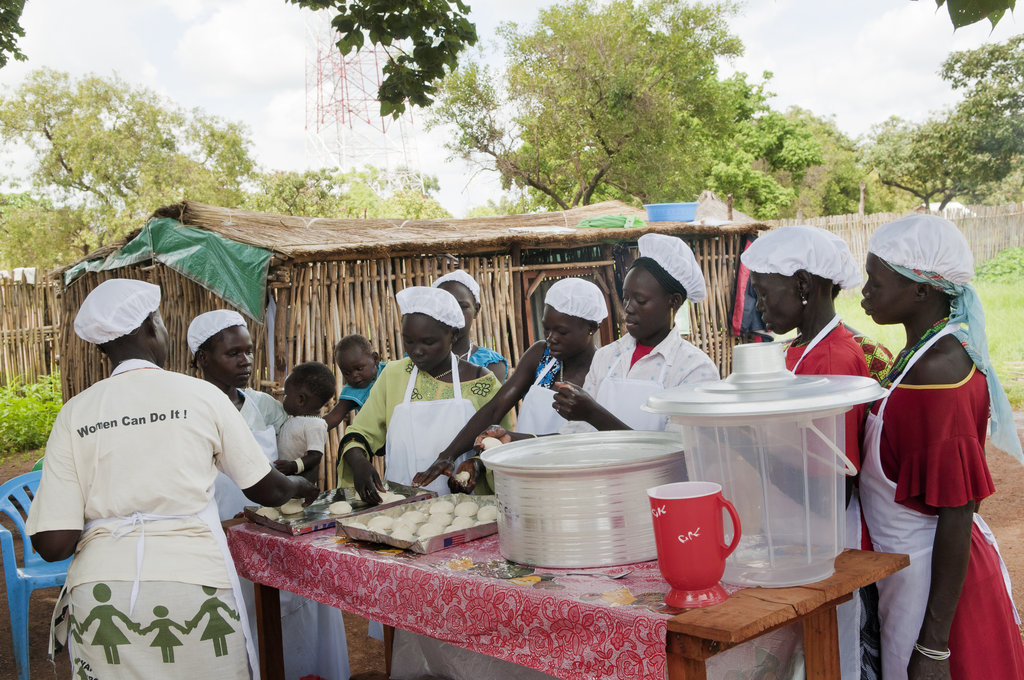
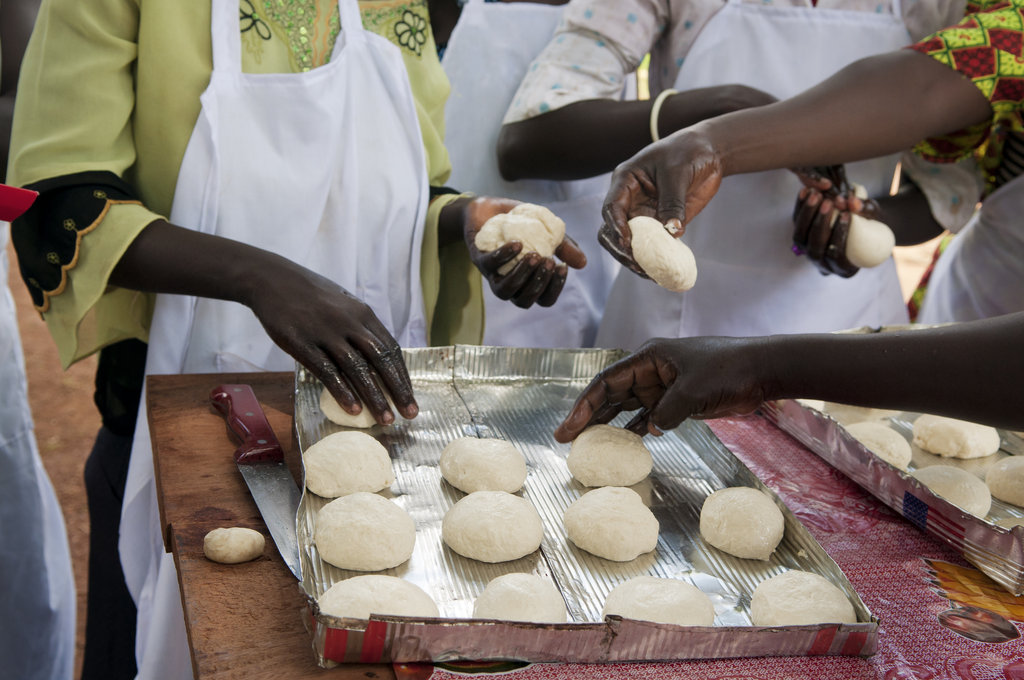
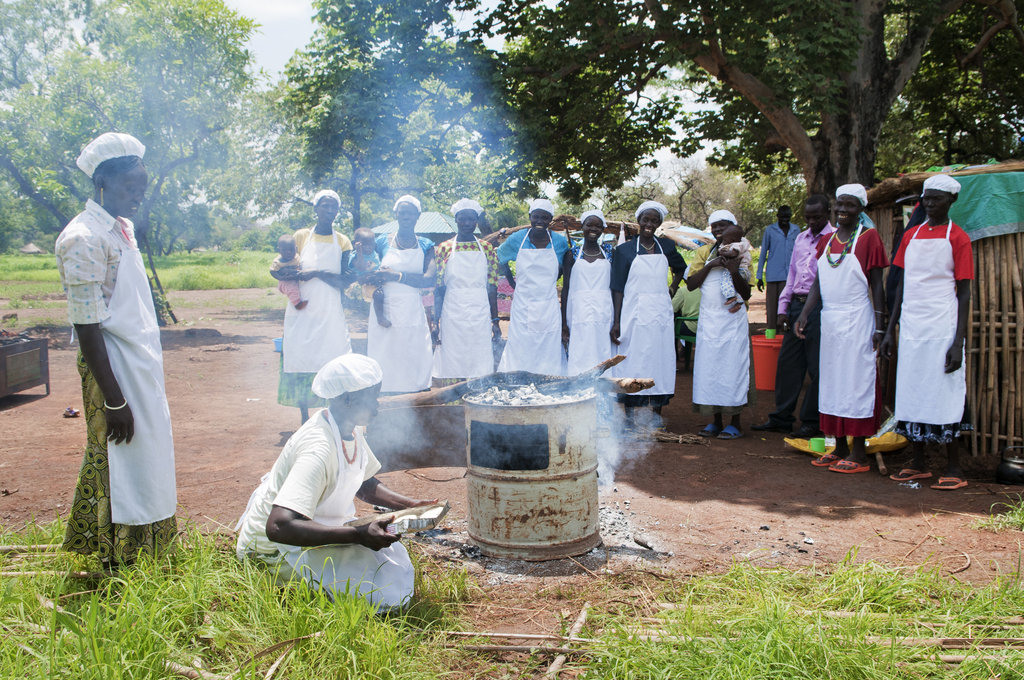
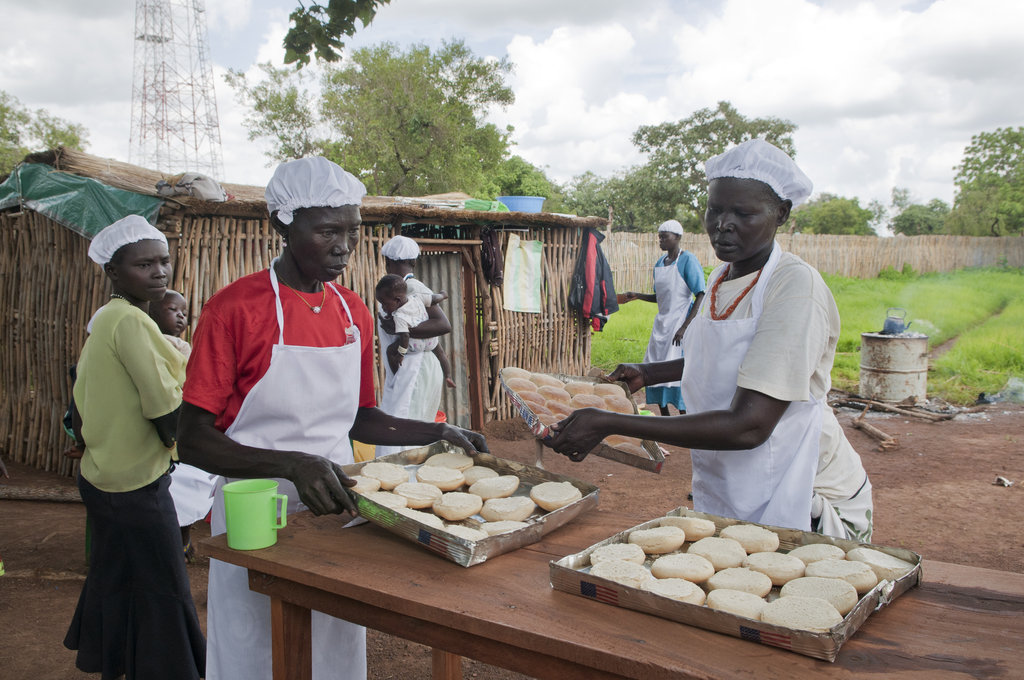
Economic opportunities for women, such as WfWI's bakery program, are vital in making sure that women are fully involved at all levels of society. Despite the devastation wrought by protracted conflict, the population, especially women, is eager and hopeful for change. Women for Women International aims to use our expertise with women and post-conflict societies to help integrate socially excluded women and women’s organizations in Sudan’s reconstruction and development.
By Lyndsay Booth | Digital Engagement Officer
By Lyndsay booth | Online and Multimedia Coordinator
Project reports on GlobalGiving are posted directly to globalgiving.org by Project Leaders as they are completed, generally every 3-4 months. To protect the integrity of these documents, GlobalGiving does not alter them; therefore you may find some language or formatting issues.
If you donate to this project or have donated to this project, you can receive an email when this project posts a report. You can also subscribe for reports without donating.