Help Stop Slash and Burn Farming in the Congo

 
$14,109
$5,891
Raised
Remaining
Mar 11, 2013

Agro-Forestry Team Continue Their Support Around the Okapi Wildlife Reserve

Distribution of School Supplies to Schools

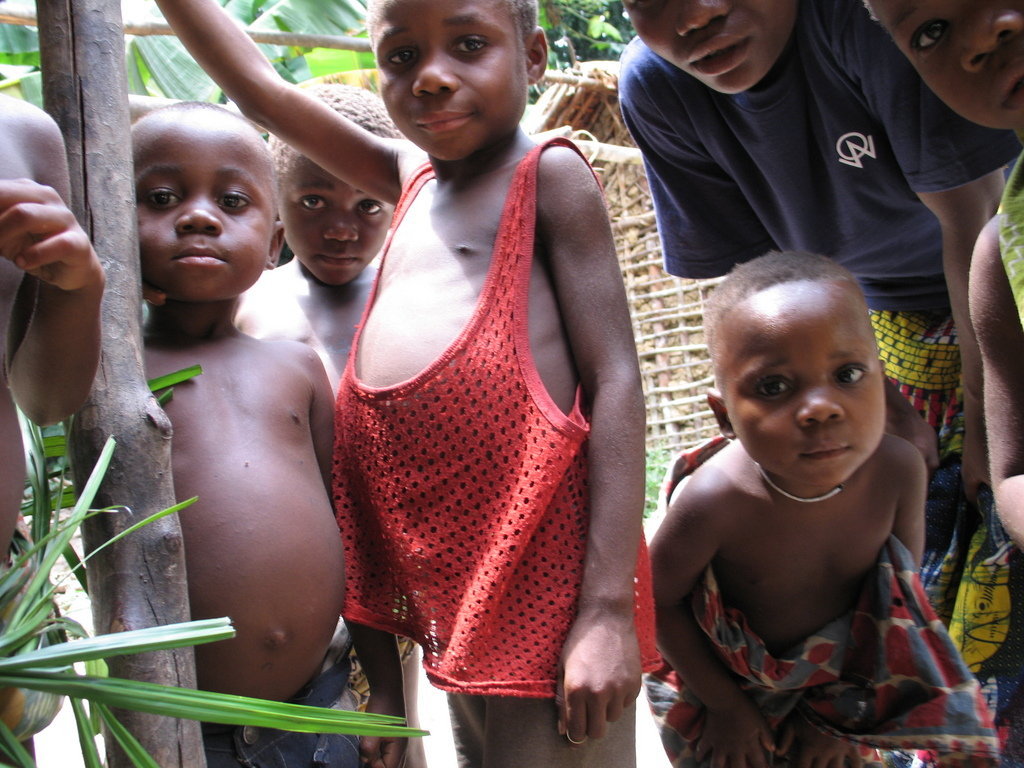
Education and community support has never been more important for the protection of the forest resources in the DR Congo. During the past few months the Okapi Conservation Project staff has distributed educational material and school supplies to nearly all of the 106 schools around the Reserve, which serve over 27,000 students, with the remaining schools scheduled to receive their supplies over the next couple of weeks. Additionally, a campaign to distribute posters illustrating the various protected animals of the region will begin next month, and target government offices, schools and clinics around the Reserve.

  
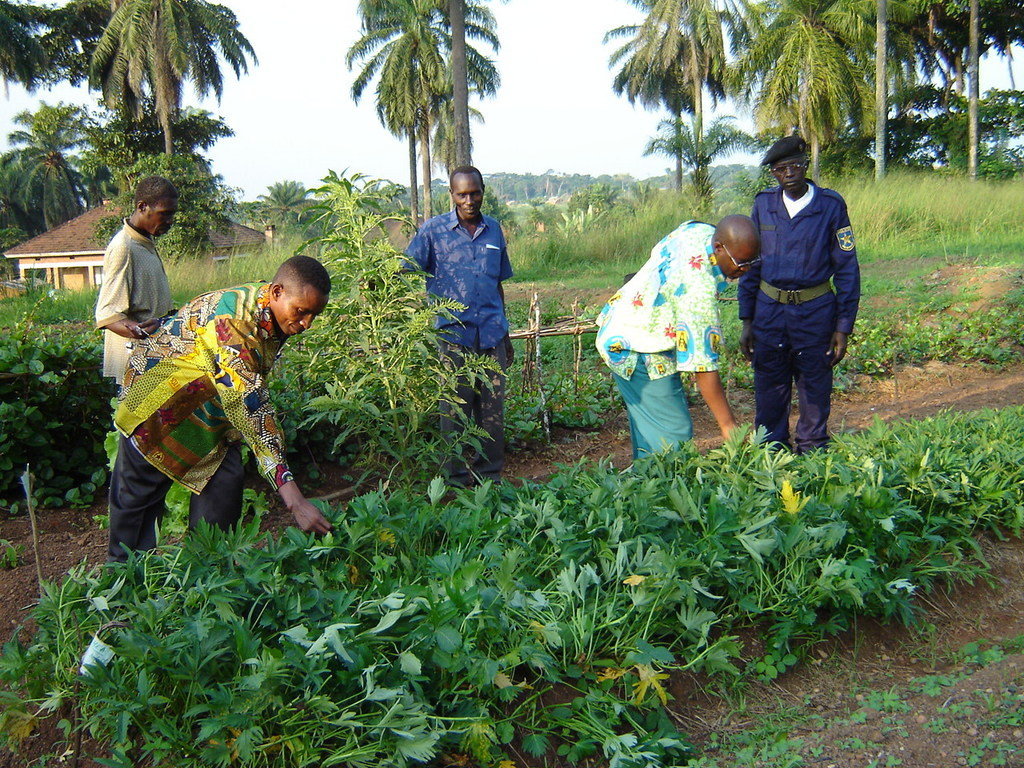
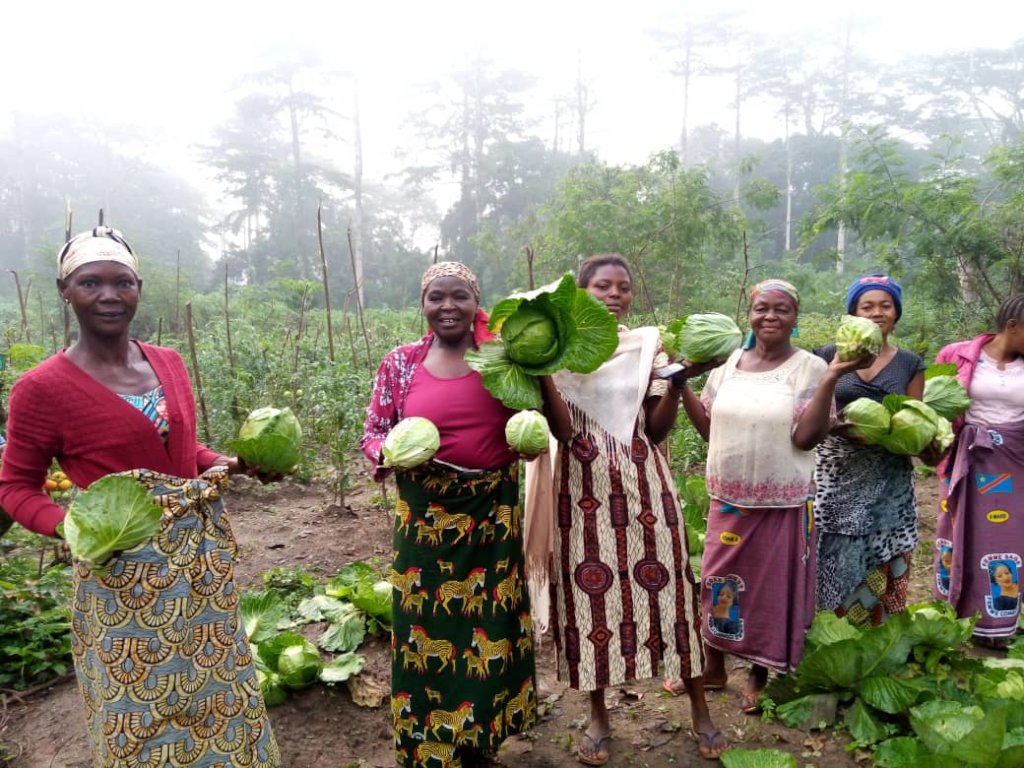
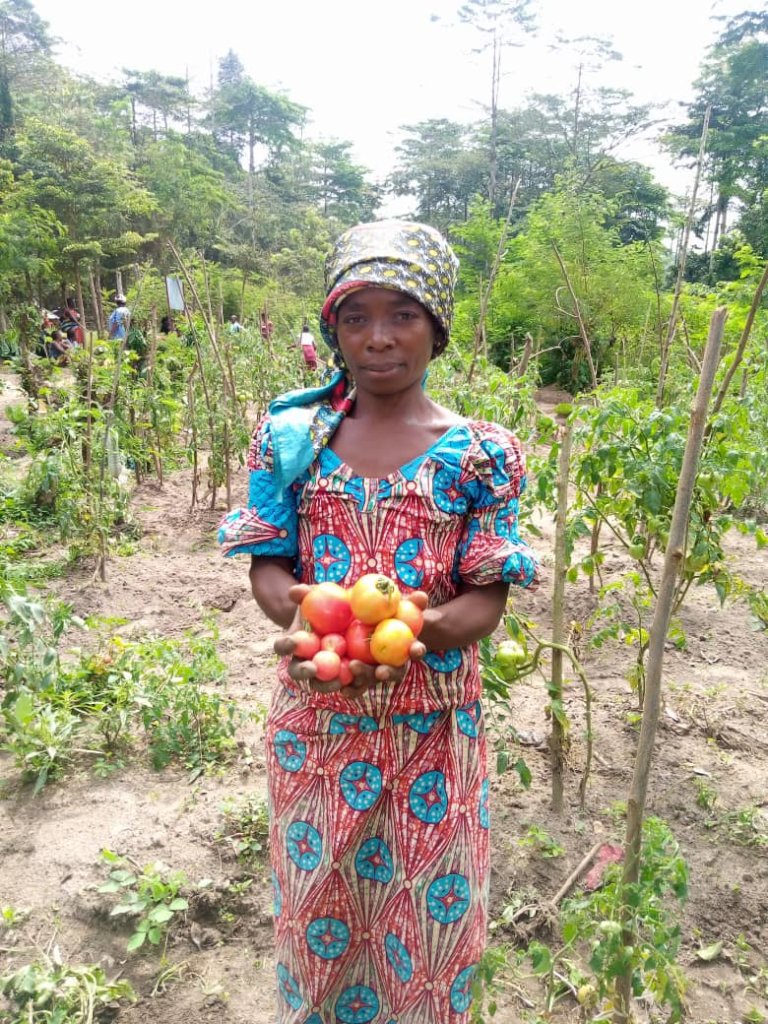
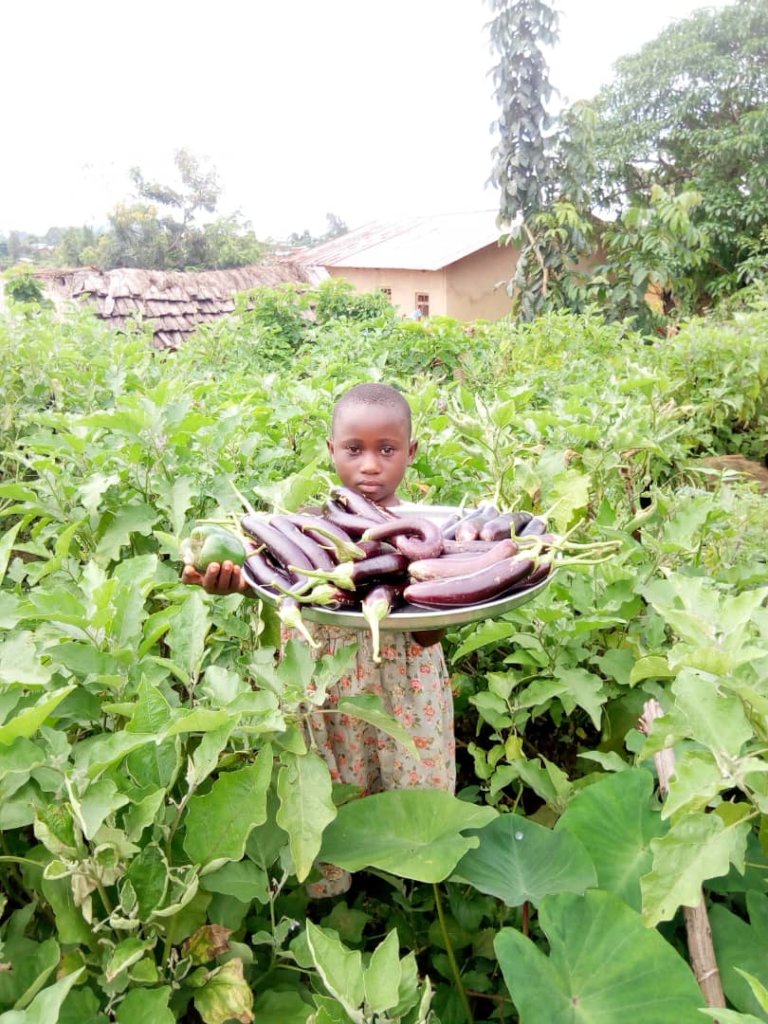
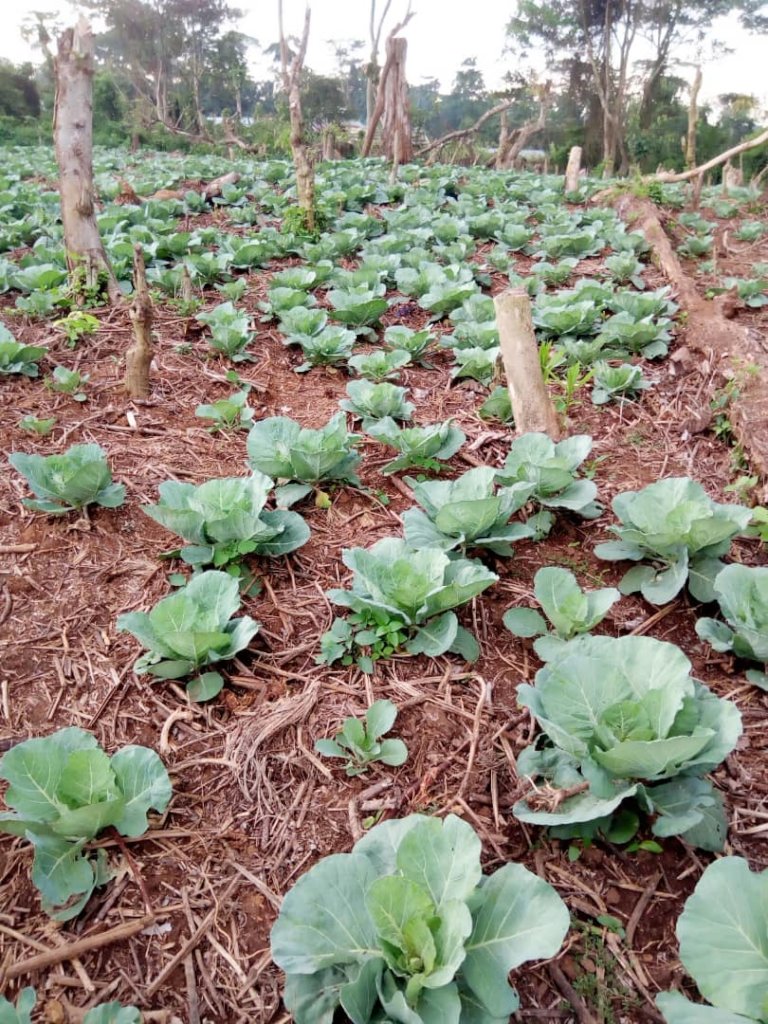
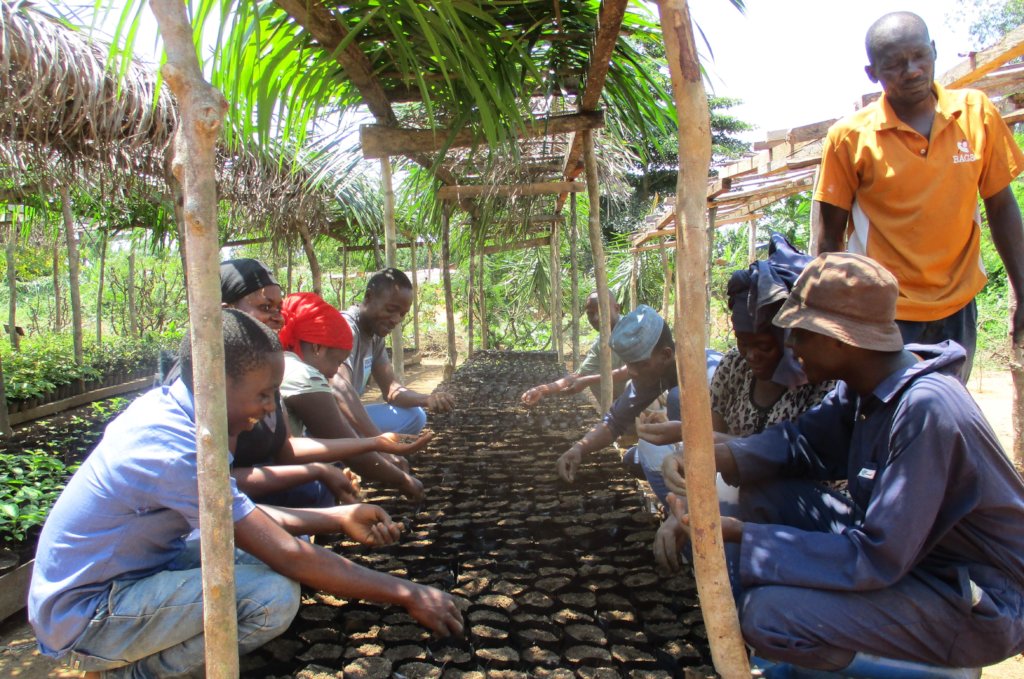
Vegetable and peanut seeds, along with tools, continue to be distributed to members of the farmers’ cooperatives in Mombassa and Nduye by our Agro-forestry Team. This has been a very successful program of education to the communities in and around the Reserve and has made a great impact on the previously wide-spread practice of slash and burn for farming.


During this period of limited security, our staff continues to implement these community assistance projects with the support of concerned individuals and institutions from around the world.

Links:

Nov 30, 2012

Educators Push Forward on their Mission

Educators traveling to local villages

Okapi Conservation Project staff have been very busy the past few months.  In spite of the instability of the situation in the DRC, our dedicated educators have been travelling to various communities around the Okapi Wildlife Reserve organizing seminars to students and local leaders eager to understand the dangers of deforestation and the long term benefits of conservation actions.


This fall our agroforestry team collected rice seeds that will be distributed to new members for planting in the spring.  Each farmer in the co-op gives back 50% of the seeds from their first harvest which then is shared with newly joining farmers.  A new type of bean seed which provides high levels of much-needed protein was also distributed by our agro-forestry team.


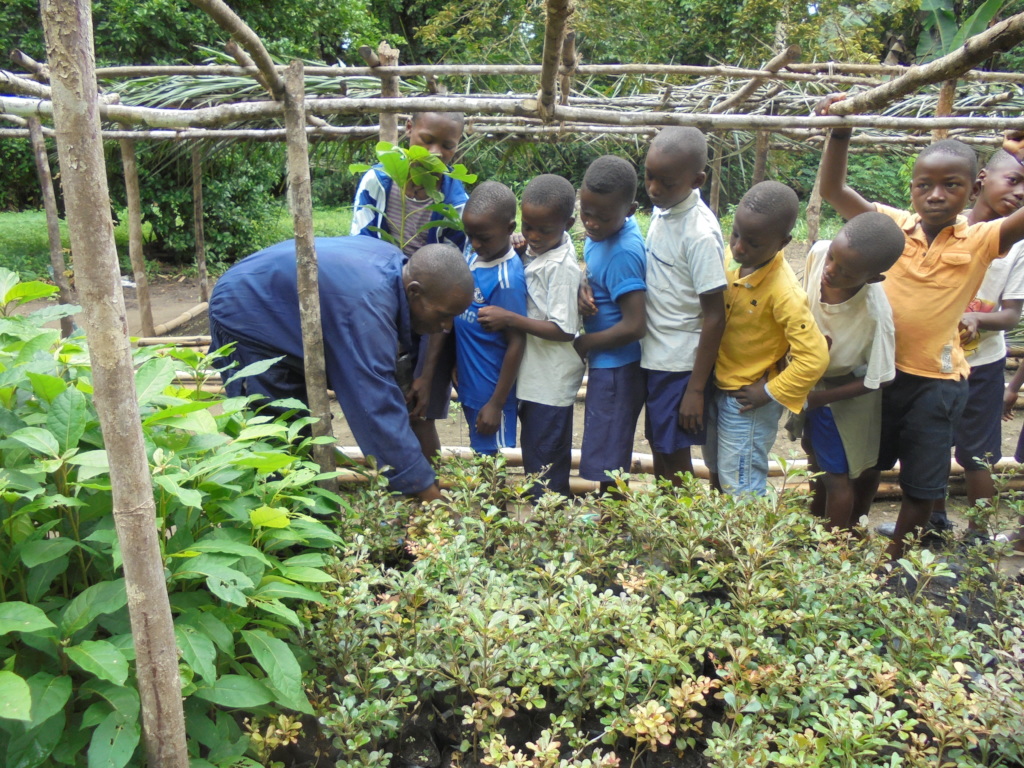
Additionally, our team members distributed indigenous fruit tree seedlings, from our Project nursery in Mambassa, to households in communities along the road through the Reserve.  These will provide much needed fruit and shade.


Support for protection of the Okapi Wildlife Reserve has never been stronger from the residents of these forest communities and this is a direct reflection of the commitment shown from individuals and institutions around the world during these past challenging months.  We are in a new era of both challenges and possibilities for this important conservation corner of the world.

Agroforestry Plot
Agroforestry Plot
Indigenous fruit trees provided to local villagers

Links:

Sep 24, 2012

Despite Crisis ICCN Continues to Control Illegal Settlement and Intrusion into Forest Zone

Supplies for Pygmies

The Okapi Conservation Project is not immune to the global pressures of an increased demand for ivory, gold and bushmeat.  Three months ago armed rebels attacked the ICCN headquarters in the village of Epulu, killing rangers, and looting and burning ICCN and OCP buildings, and terrorizing residents.  Many people fled the town and have been unable to return to their gardens and homes while the area remains unsecured.


This attack on the ranger station and the OCP compound was a direct retaliation for recent anti-poaching efforts by the ICCN guards in the Okapi Wildlife Reserve.  The Okapi Conservation Project continues to support the ICCN rangers in their front line struggle to protect the Okapi Wildlife Reserve.  We are presently assisting those families in Epulu most affected by this tragic event, with food and medical needs, and we also continue to support other communities around the Reserve with agro-forestry education, among our other community programs.  ICCN also continues to control illegal settlement and intrusion into forest zone by farmers inside the Reserve. 


We will have more information on the unfolding situation from our Project Leaders next month.  We are grateful for the tremendous support that has poured in from around the world over these past many weeks.   For up-to-date information on the Okapi Conservation Project, please visit our website at http://www.okapiconservation.org/.

Supplies Handed out at Burned ICCN Headquarters
New Backpacks for Guards

Links:

Mar 6, 2012

Aerial Forest Monitoring

typical slash and burn plot

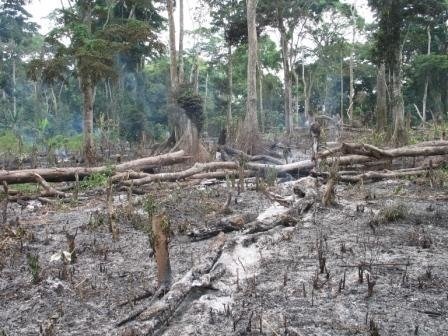
One of our tools for monitoring the health of the Ituri Forest and the Okapi Wildlife Reserve is aerial surveys.  By conducting regular fly overs we can detect illegal activities such as poaching and mining, as well as agricultural encroachment into protected areas.  Farmers expand their farms because slash and burn agricultural techniques are inefficient and their fields become unproductive in 2-3 years and they cut down more forest to try and feed their families.  The aerial surveys identify areas where agricultural areas are encroaching into the Reserve so that the teams can focus on those issues.   

The Okapi Conservation Project agroforestry team works with farmers providing techniques which improve and preserve the soil quality while producing higher yields to allow them to efficiently feed their families.  The Project education team teaches farmers about their role as stewards of the forest, to understand the importance of the wildlife and forest and their natural heritage. By regularly monitoring with aerial surveys we can evaluate the progress of our programs to control slash and burn agriculture and reforestation.   

healthy forest!
healthy forest!

Links:

Dec 9, 2011

Fall Update 2011

This report includes and update on the Okapi Conservation Project with information on the education team and agroforestry team, personnel and activities working to conserve the Ituri Forest and the Okapi Wildlife Reserve.  Specific details on agroforestry projects related to stopping slash and burn agriculture and photos are included.

Agro-forestry Update

The Agro-forestry team continues to work with farmers around the OWR.  Gathering seeds and planting and transferring seedlings take up a large portion of our efforts.  As nitrogen fixing leguminous plants, Leucena and Calliandra seedlings form the important basis for farmer’s plots and are the first trees planted to restore the soil in preparation for planting vegetables and food items.  Both can also be used for fuel wood as they grow larger.  The team also distributed fruit tree seedlings for farmers, for a total of 7514 trees distributed and planted in the last quarter.  African Mosaic Disease in cassava plants causes serious problems for subsistence farmers in the region who depend on the cassava as a staple.  Our team is helping to distribute and study disease modified strains of cassava for farmers participating in the program and four community fields of disease resistant cassava were recently established

The Assistant Director of the Okapi Conservation Project is Marcel Enckoto, a Congolese national born in eastern DR Congo.   Marcel has been working for the Okapi Conservation Project since July 1990 after receiving his degree in Human Sciences (Linguistics and Psychology).  He is married with 4 children, who go to school in Butembo, DRC.   Marcel feels the okapi is important as a scientifically unique species and has worked nearly his entire life to ensure its protection.  He enjoys speaking with and education people, both nationally and internationally about conservation.  It takes great courage to tackle the big challenges of traveling around the Okapi Wildlife Reserve to teach about conservation while dealing with major issues like poor roads, poverty, political instability and persistent illegal activities. 

Thanks to your gifts and the Global Giving community we are able to work with subsistence farmers and improve their livelihoods and their ability to care for their families, while preserving the forests and wildlife in the Ituri Forest of the DR Congo.

Links:

About Project Reports

Project Reports on GlobalGiving are posted directly to globalgiving.org by Project Leaders as they are completed, generally every 3-4 months. To protect the integrity of these documents, GlobalGiving does not alter them; therefore you may find some language or formatting issues.

If you donate to this project or have donated to this project, you will get an e-mail when this project posts a report. You can also subscribe for reports via e-mail without donating or by subscribing to this project's RSS feed.

An anonymous donor will match all new monthly recurring donations, but only if 75% of donors upgrade to a recurring donation today.
Terms and conditions apply.
Make a monthly recurring donation on your credit card. You can cancel at any time.
Make a donation in honor or memory of:
What kind of card would you like to send?
How much would you like to donate?
gift Make this donation a gift, in honor of, or in memory of someone?
green leaf

Certified Green Project

This project is certified GlobalGiving Green for addressing climate change sustainability.
Learn more.

Organization

White Oak Conservation Center Inc

Project Leader

John Lukas

Jacksonville, Florida United States

Where is this project located?