Thank you for your support of the Taka ni Pato (Trash is Cash) recycling program of Carolina for Kibera (CFK) in the Kibera slum of Nairobi, Kenya. Below is the quarterly report from the CFK staff on the ground in Kibera. I think you'll find that they have accomplished a lot in the 3rd Quarter this year!
I hope you'll keep our friends in Kibera in your thoughts and prayers over the holiday season.
-ERP
TAKA NI PATO QUARTERLY REPORT
In the quarter there were several activities that took place and these included informal group meetings, clean-up campaigns, marketing, space acquisition, partnership meetings and networking with other environmental organizations. The activities were geared towards value-adding and development of the project.
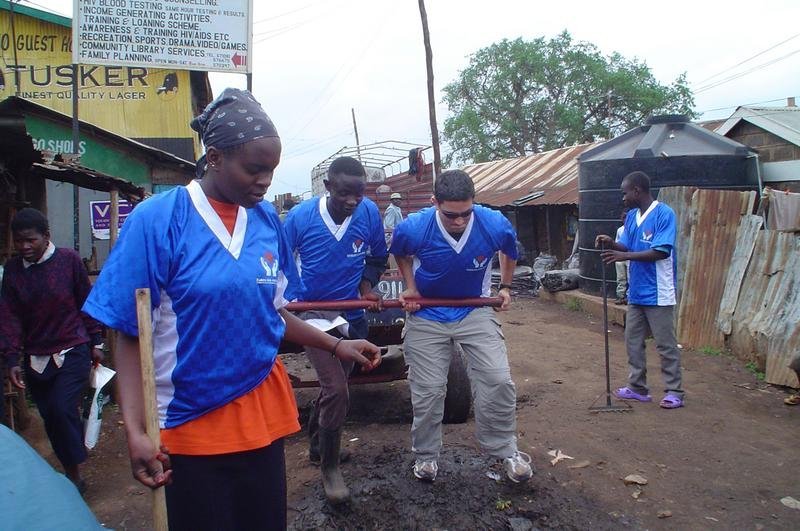
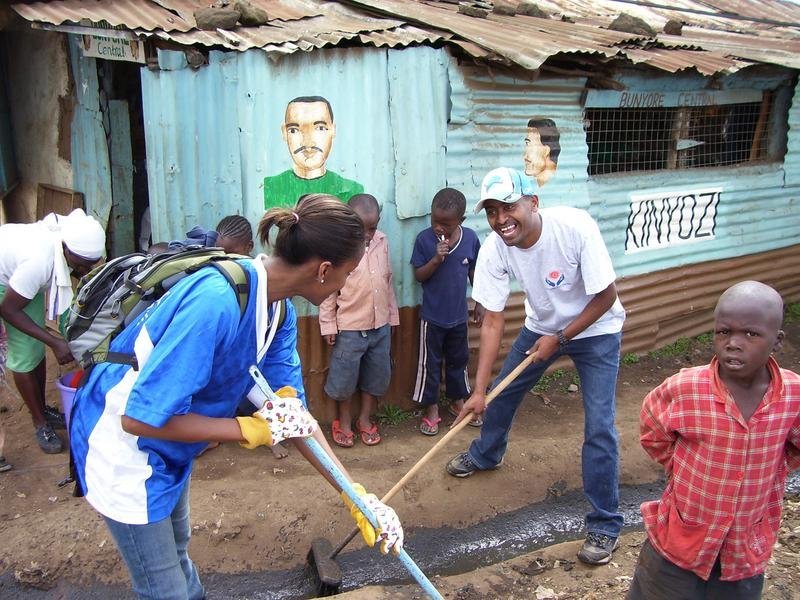
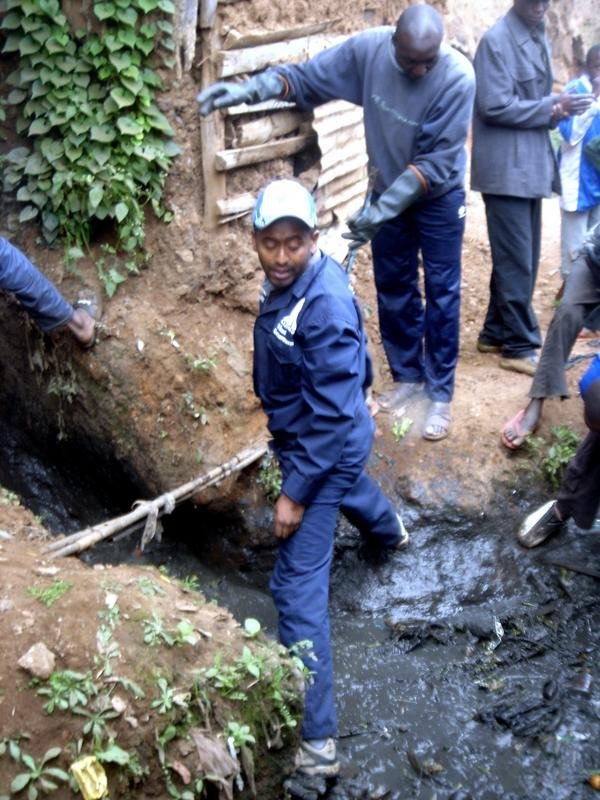
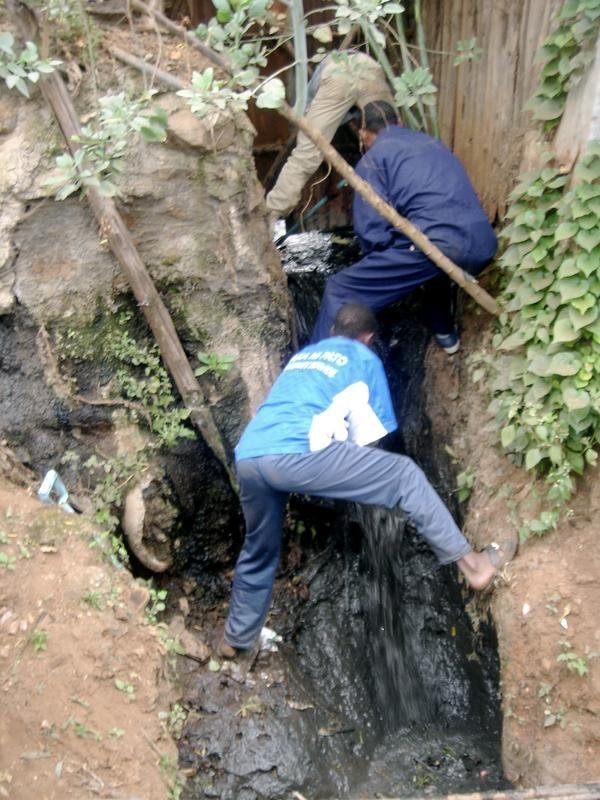
Community Clean-Up Projects
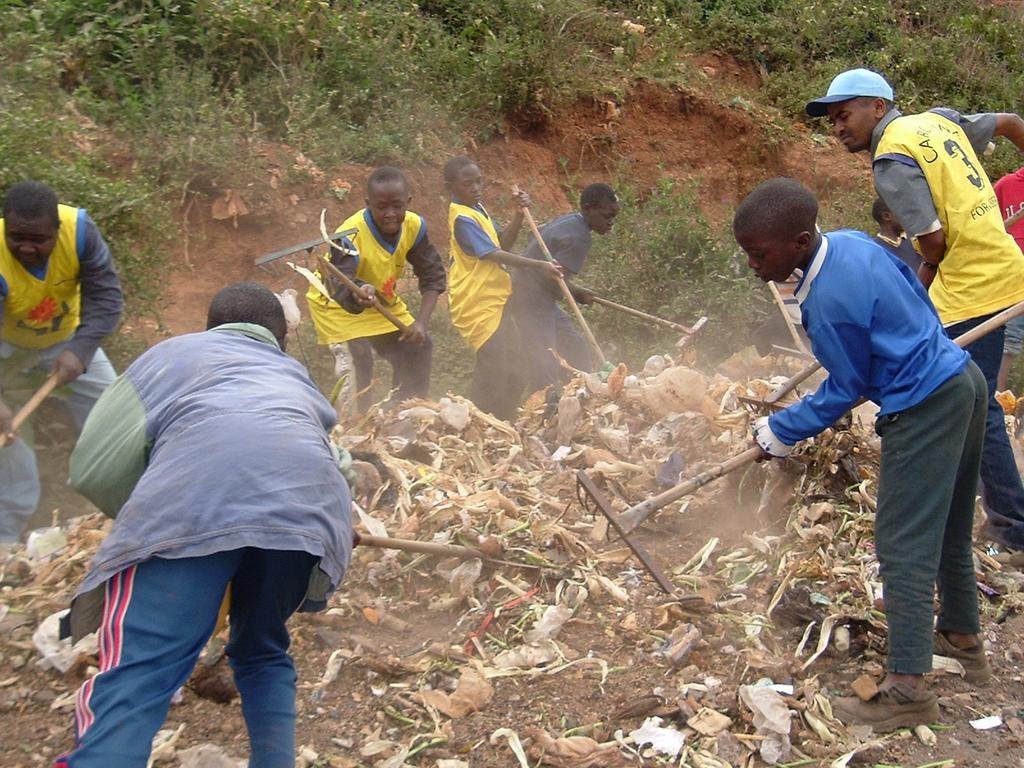
The clean-up projects were organized with about 600 youth participating from the CFK Youth Sports Program and Taka Ni Pato program in five different communities – Soweto, Lindi, Laini saba, Kianda and Makina. The main objective is to get the youth involved with taking care of there environment, as well as giving back to the community.
Informal Group Meetings
In the quarter the program officer visits each group and had informal meetings with the members; this included discussing the challenges facing the program and achievements in the quarter.
Among others, the project identified these promising results:
a) The establishment of a committed and representative youth network that has on-going working relationships with city council of Nairobi.
b) The development of sanitation/ hygiene promotion manual/training kit for the Taka Ni Pato Project.
c) Conducting a market survey on plastics and other recyclables items and formation of a market committee.
d) The introduction of an initiative to form a consortium/ forum for groups and individuals dealing with waste in Nairobi.
e) Registering an organic company which will enable the groups producing compost manure to have develop a sustainable market with Kenyan farmers.
Group Progress
Bunker Group
(paper and plastic recyclable collection, compost making)
• New members recruited, especially ladies, into the group.
• Negotiated with landlords to collect garbage from different houses
• Garbage collection continues
• Buying and selling of recyclables from scavengers
Zero Waste Group
(trash collection, recyclable collection, compost making, fiber ceiling board making, polythene handbag making, egg shell decoration)
• Negotiating with Nakumatt to sell recycled products, e.g. polythene bags and hand made card on progress
• Linked to other funding agencies
• Increased clients from 72 to 103 for garbage collection.
• Networking with Nairobi University to market their products
Kibera Youth Group
(garbage collection, compost making, recyclable collection, car washing, carpet cleaning, juice selling)
• Number of clients increased from 900 to 1492
• Sold one ton of compost to River garden
• The group also ventured in buying of recyclables items from local youth groups and scavengers
• Linked to other funding agencies
• Negotiation with UNEP of compost on going
• Creating job opportunity through waste management.
Marketing/ Networking
The project is working to establish a market with the United Nation Environment Program (UNEP) as to market compost manure that the youth have harvested. The project will assist the youth to negotiate prices for the product to increase the revenue. The marketing committee comprising of youth groups involved in TNP explored several market options for plastic products for the recyclables items though price fluctuations due to importation of cheaper pellets (small plastic particles) for easier recycling and cost reduction in most companies.
The project has been networking with the Nairobi City Council to assist the youth in collection of the garbage while doing there rounds and during CFK organized cleanups.
Space Identification
For the last few months, the project has been following up with the Kenya Agricultural Show as to rent a space to construct a recycling center for use by the youth group. The program officer has been working closely with the National Environmental Management Authority (NEMA) which is the legal government agency responsible for ensuring that environmental laws are followed.
Conclusion
In conclusion, formation of networks at the grassroots level has been positive in addressing environmental issues. There is a lot of potential in the waste and the capacity of the groups to manage the waste has been directly proportional to the benefit they have been deriving from it. Plans are underway to solidify the networks and the forum. This will be done through community awareness and exchange visits. Additionally, we intend to engage policy makers and sector players in ongoing changes in environmental policy, and to link youth groups to negotiate proper and constant markets by networking with each other and researching for more suitable markets.
![Share on Twitter]()
![Share on Facebook]()