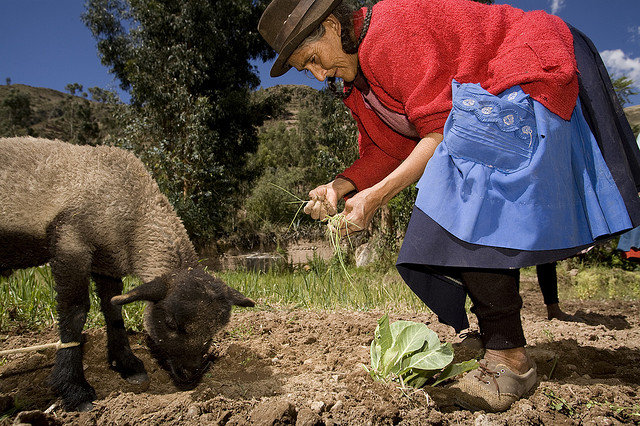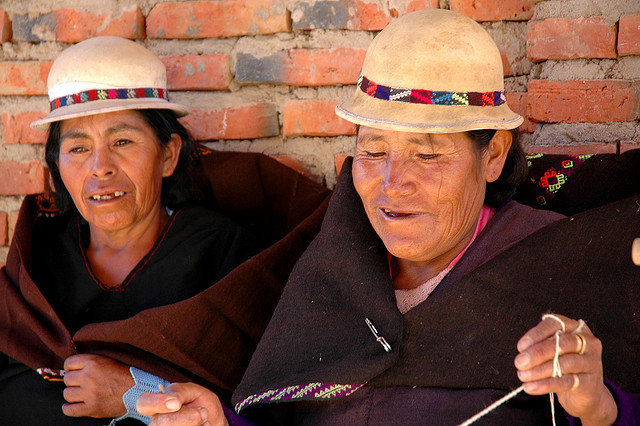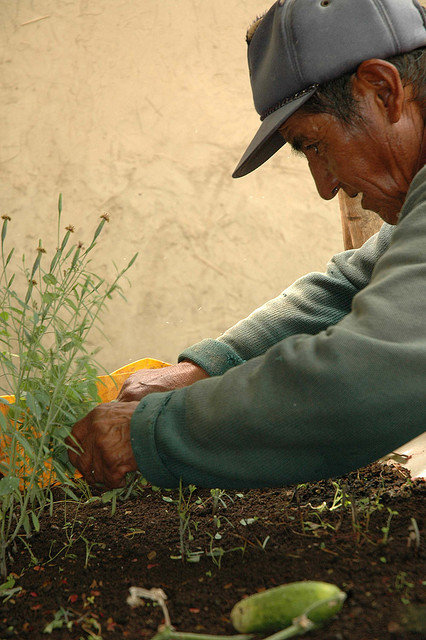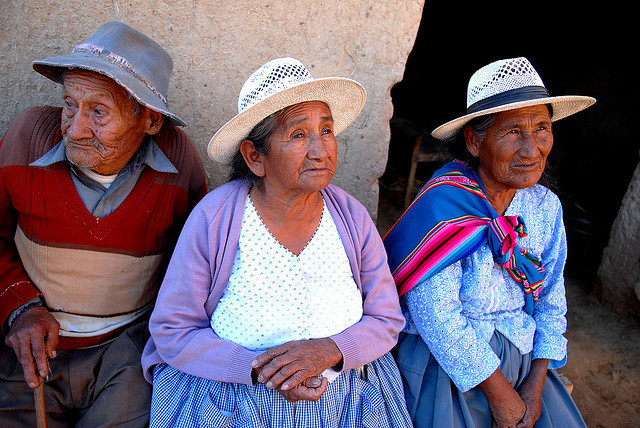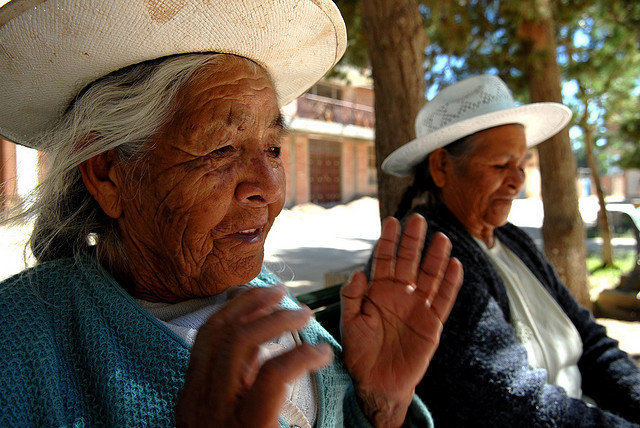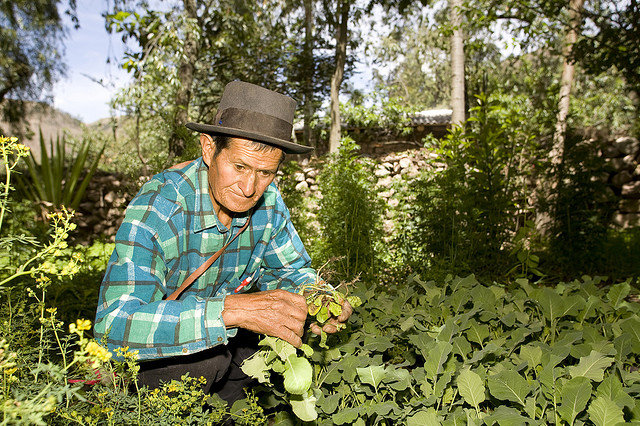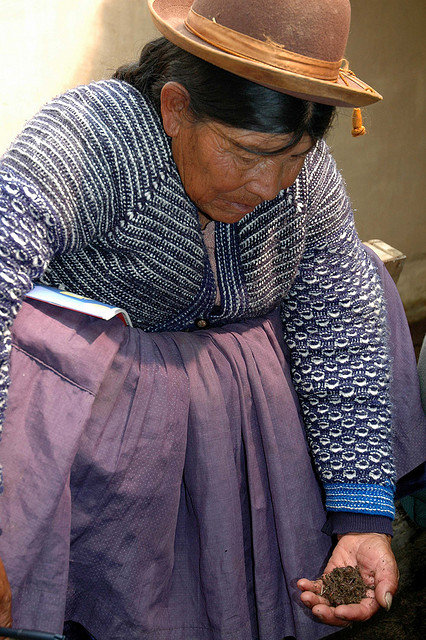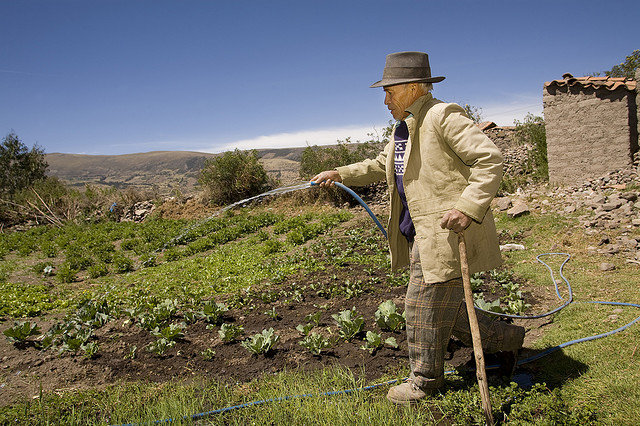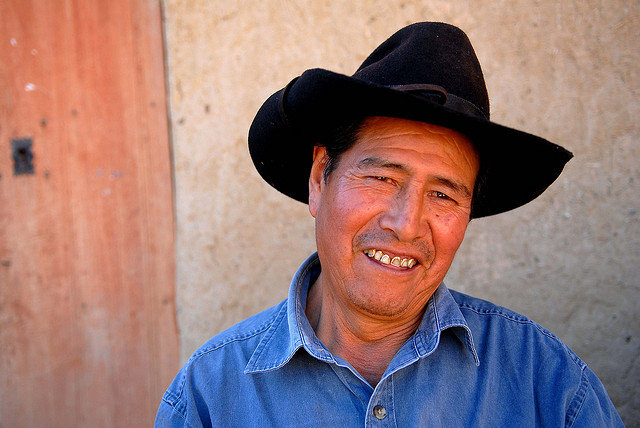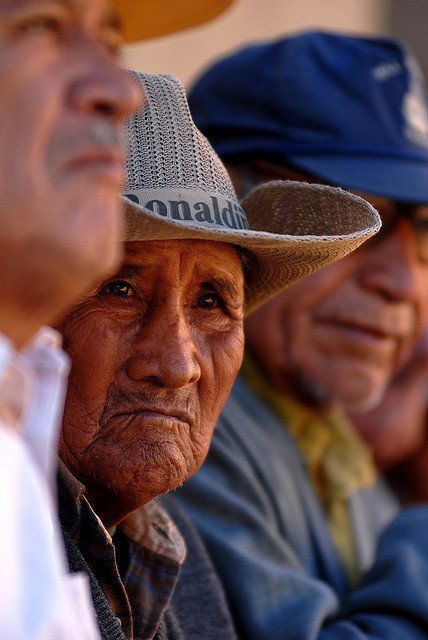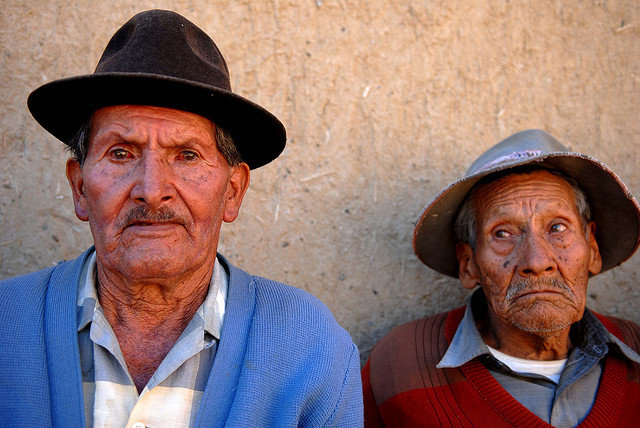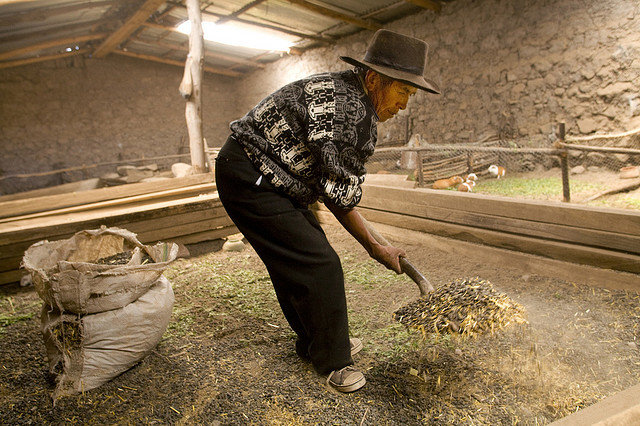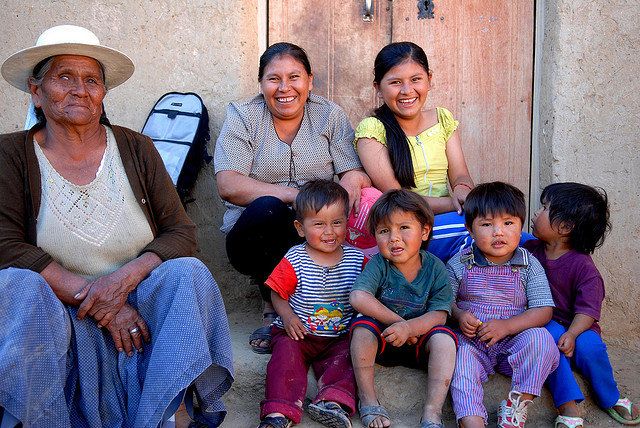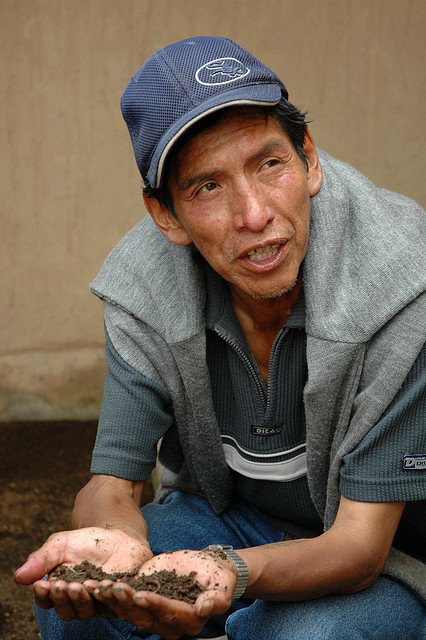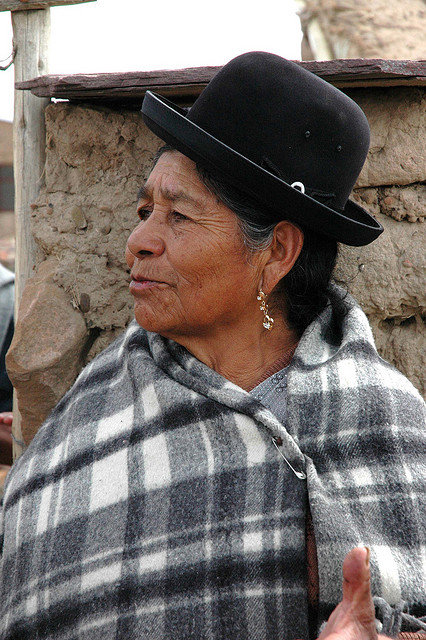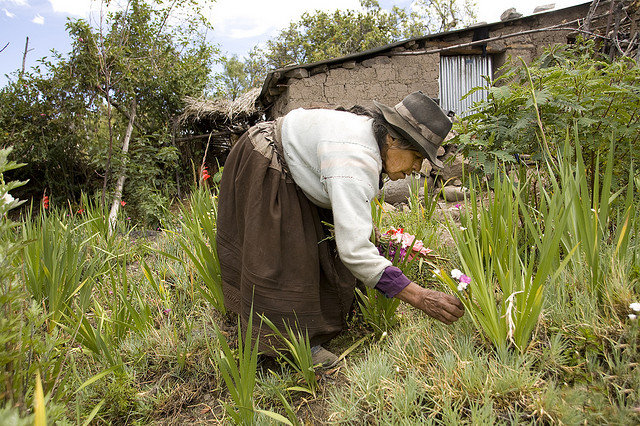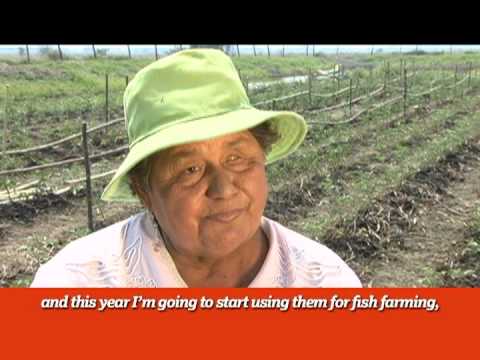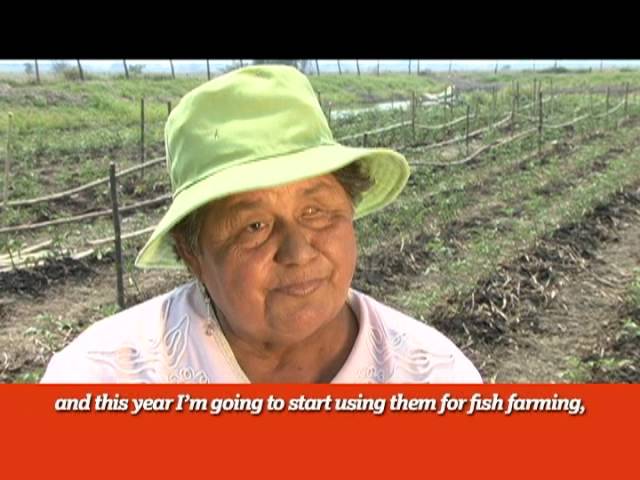
Bolivia is South America's poorest country. Hunger haunts poor rural villages, with worsening situations as climatic fluctuations become more severe. These are primarily indigenous communities and agriculturally-based. Younger adults are increasingly migrating to the cities, leaving older people and children behind. This project will combine ancestral and scientific knowledge about water, farming and weather to ensure sustainable food security for local older people and their families.
Malnutrition costs lives; it increases the risk of developing disabilities and disease, making it even harder for people to escape poverty. Food insecurity and malnutrition are rife in poor areas in rural Bolivia. Recent food price increases, irregular rainfall and the magnified intensity of natural disasters have destabilized an already marginalized and impoverished region. Indigenous peoples in these rural areas are particularly hard-hit.
Local older people will identify suitable locations for sustainable food-growing and their agricultural knowledge will be included in authority planning. Equipment for water collection and storage as well as training on water-efficient irrigation will be provided. Tools and seeds for nutritious Bolivian crops will be distributed. This project will raise awareness of good nutrition and hygiene. Local authorities and media will be invited to learn and disseminate lessons to help prevent hunger.
1000 people in rural Bolivia will benefit from access to knowledge and water for irrigating crops. Older people's agricultural knowledge will be validated and preserved. Training in sustainable seed collection will enable further planting and sale of surplus in the future. The long-term impact of improved community knowledge on water and food security, nutrition and hygiene - and the inclusion of this knowledge in local authority plans - will holistically provide solutions to hunger.