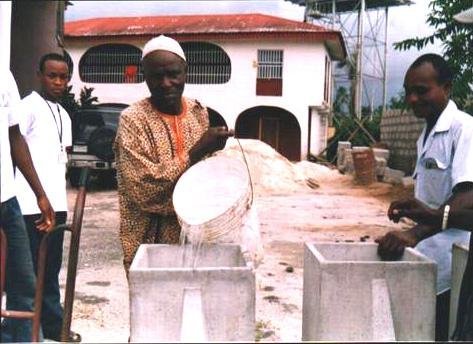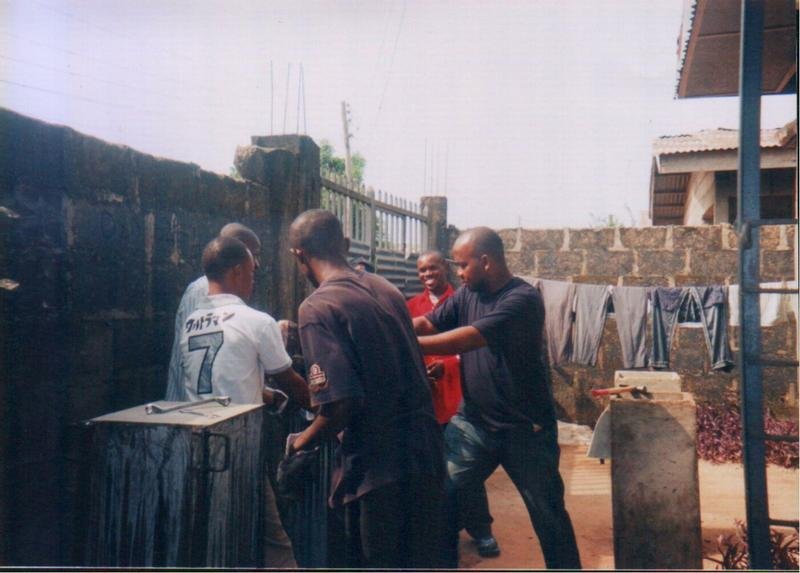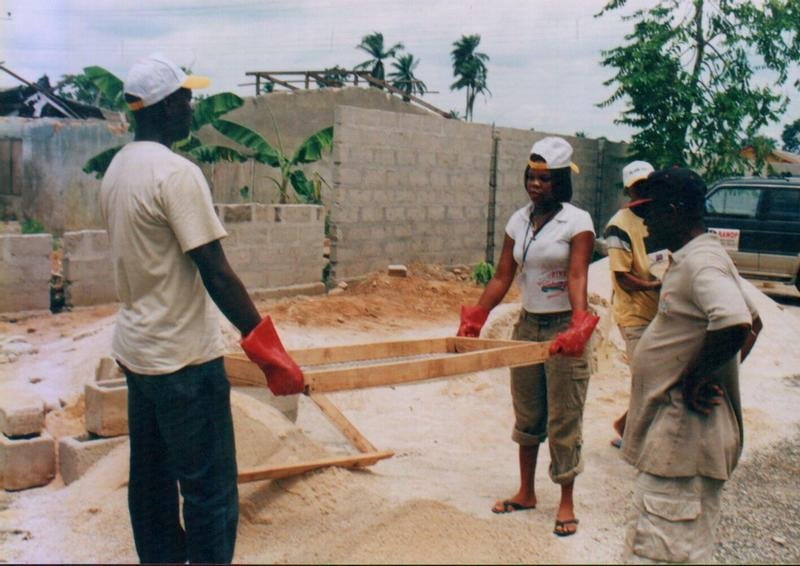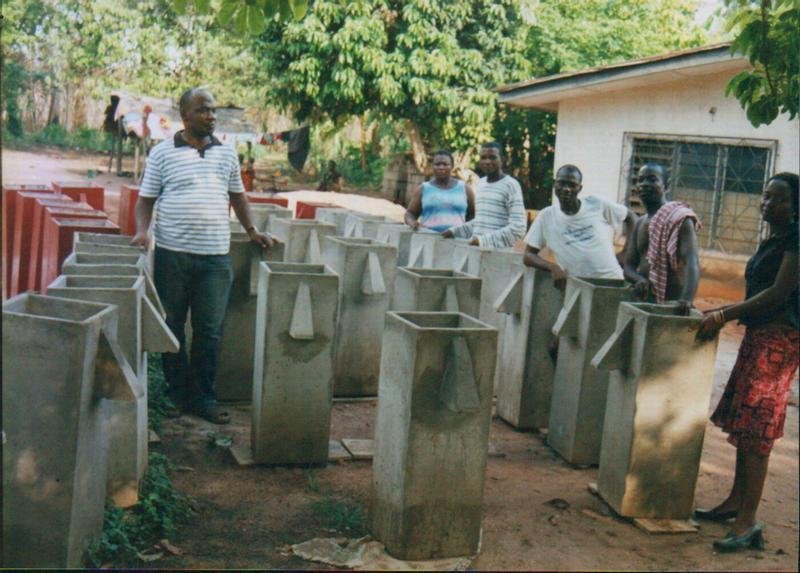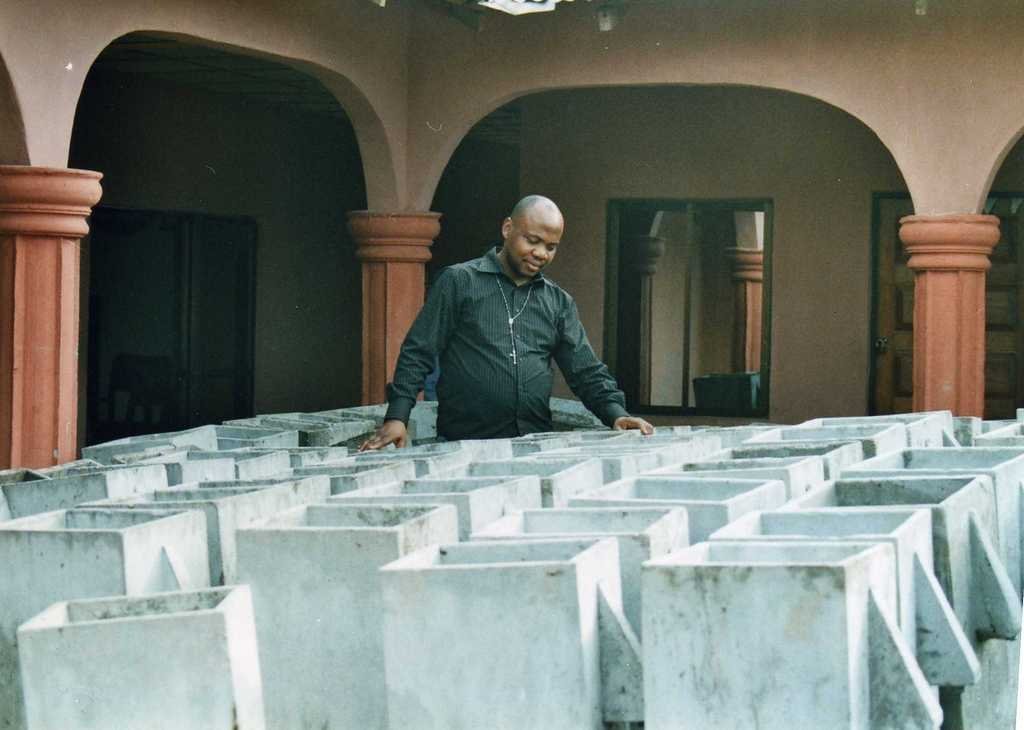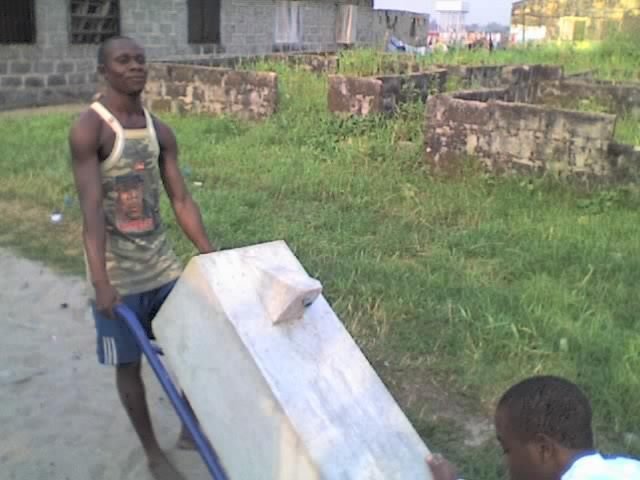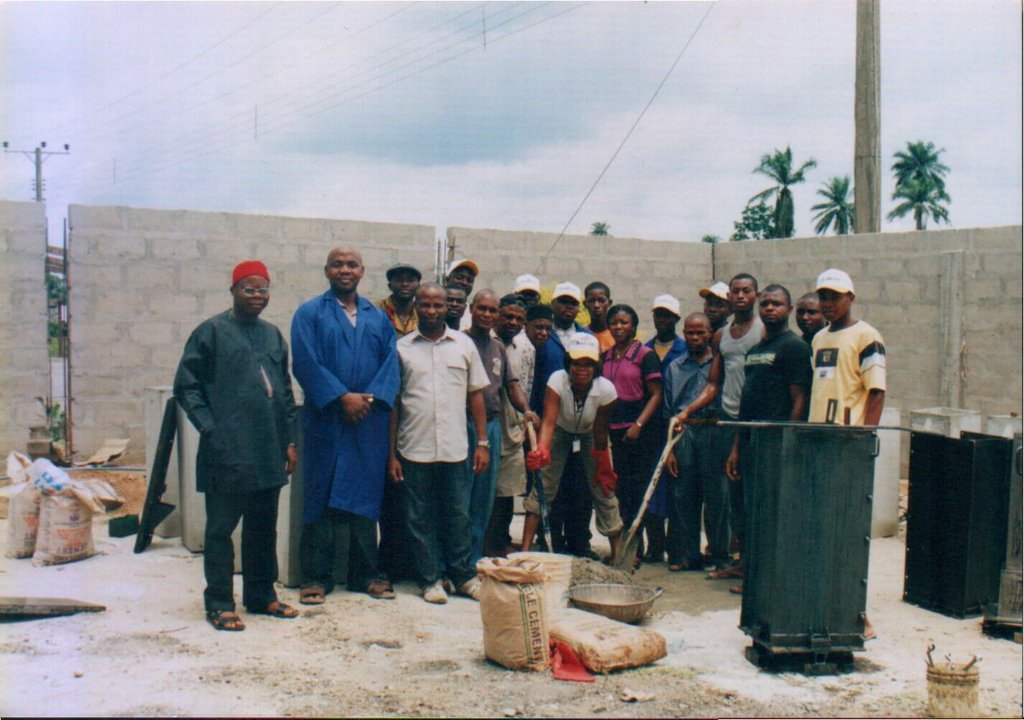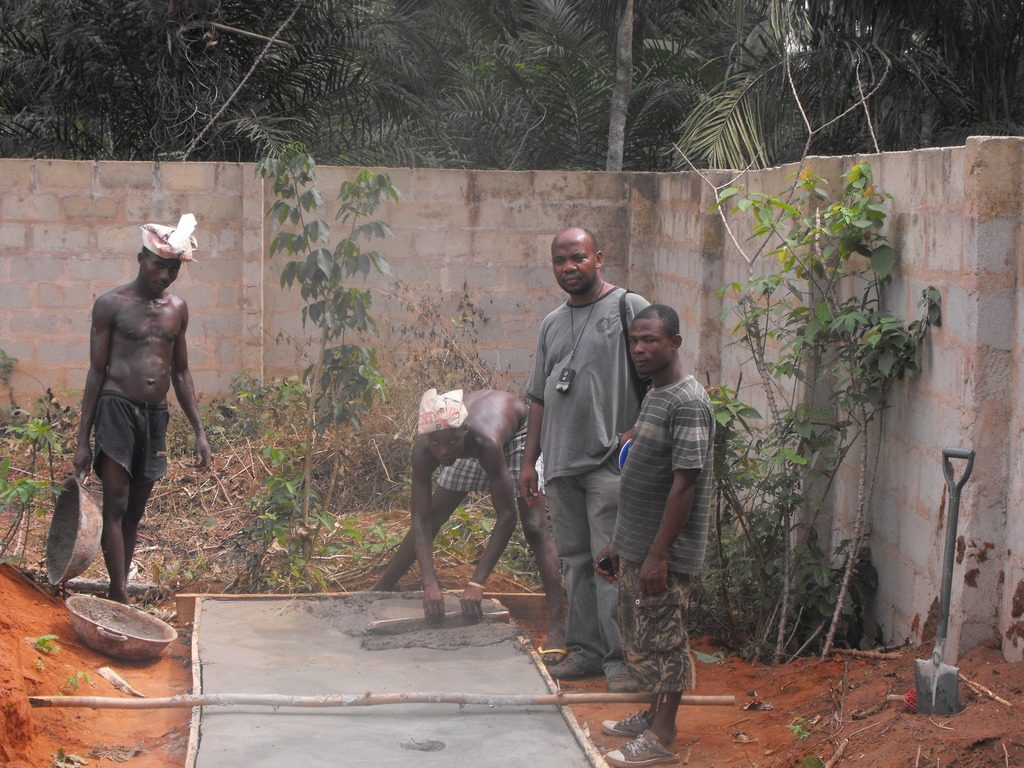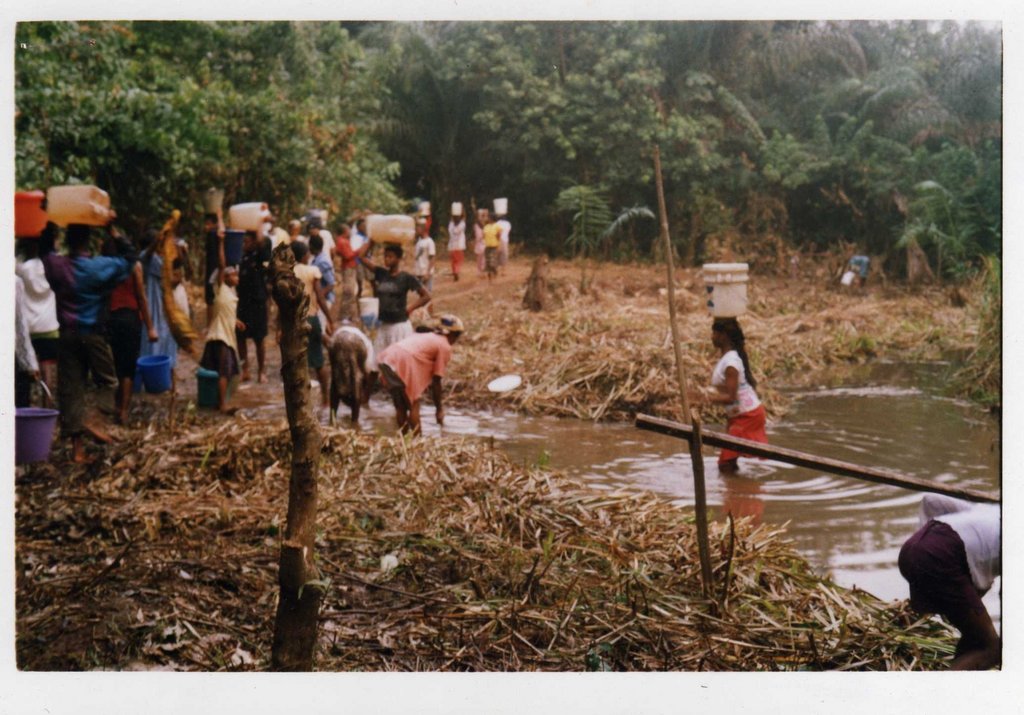
Our mission @ RAWDP is to make safe drinking water and sanitation available to marginalized households in environmentally ravaged communities in Africa. Our project drives equilibrium change by widening the distribution and accessibility of our clean water filters within record time through the training and engagement of filter entrepreneurs; all of us working together to assist households in oil producing communities in Nigeria to maximize the quality of their drinking water supplies and freeing them from the burdens of ill-health caused by human (sanitation, agriculture etc.) and industrial pollution. To effectively consolidate on the gains already made, filter artisans and micro-entrepreneurs affiliated with the project have developed a 2012 milestone that will facilitate the delivery of the target 78,000 filters by 2012 aimed at reaching unreached critical areas and achieve sustainability. In 2008 we developed the operational strategy of: “Project 78 for 78,000 filters in 2012”. This entailed the setting up of 78 local filter factories, in 78 different and well dispersed rural communities, each being headed by each of the trained 78 entrepreneurs. Each of these factories was to manufacture at least 1000 filters by the end of the set milestone end date. Under this arrangement, the 78 trained personnel were supported with already purchased tools and materials required to set up the filter factory and conveniently produce the filters in the remote rural communities. They received filter steel mold, tool box and other relevant materials in addition to other support from us, including quality standards checks that support them work over the long term. Today, with just less than 12 months to this target most of the artisans have aggressively realized an average of 50 – 60% of the target. Meeting the target balance is a challenge for the next 12 months and greatly depends on the immense generosity of our donors - kind hearted people like you.
Central in the promotion and adoption strategies is the optimization of relevant tools and approaches in community participation to engage the communities, promote household hygiene and achieve sustainability in filter use and efficiency. By doing this, we are not only achieving a sustainable cost structure but courageously capturing and managing the huge clean water needs of thousands of locals. Other key operational activities being developed for region-wide impact includes; the appointment of filter distributors in parts of the urban areas; capacity building initiatives; community participation strategies and the direct engagement and involvement of households, new partners and volunteers. The main source of financial support over this period has come from donations but possibly beyond 2012, this would come primarily from filter sales. This will be leveraged by a micro-credit scheme we are about setting up at the close of 2012. This is desired to assist our afar entrepreneurs enhance productivity in their various catchments communities. The Model is designed to safeguard the funds and revolve its reach into new areas as the project expands in the region.
Through this, these entrepreneurs will work on targets that aims to generate reasonable incomes especially from filter sales and other related services which are vital in sustaining our ‘’burn rate’’ and aid the filter manufacturing business to flourish and achieve its optimum objective. By so doing we hope to expand the impact of the project as well as tremendously energizing the local economy through job creation. Households give ultimate meaning to these efforts through their purchase and sustained use of the filters. The impact is enormous as it is helping thousands of households to access clean drinking water at minimal costs, and reducing cases of water borne pathogens.
http://esango.un.org/irene/?page=viewContent&nr=359&type=2§ion=2
Links:
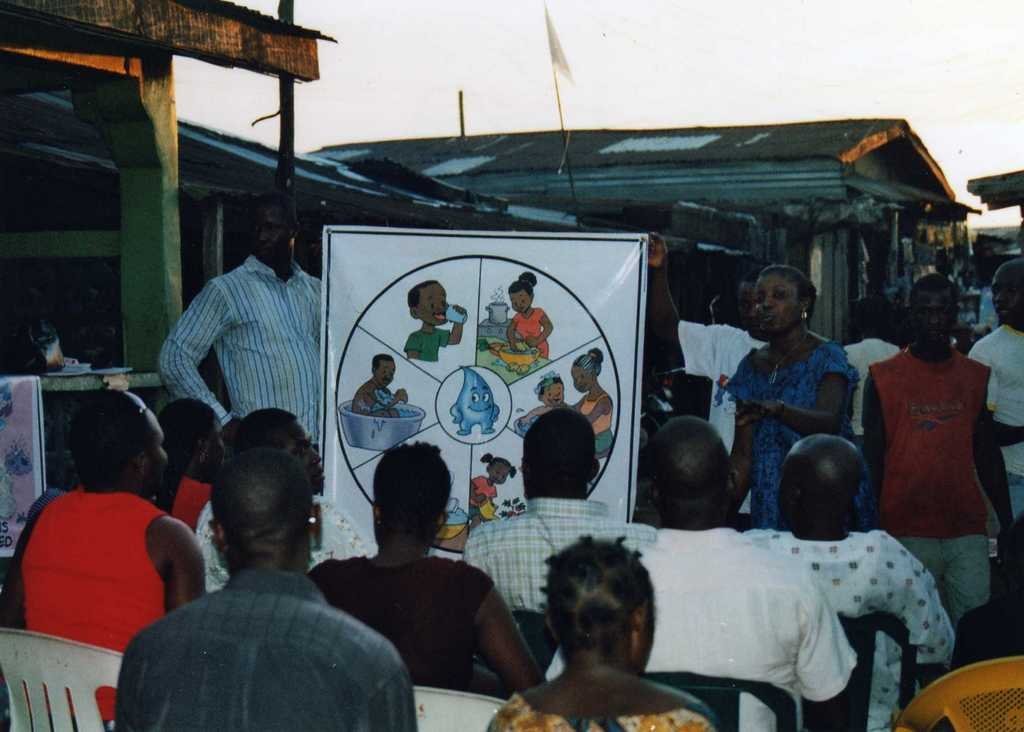
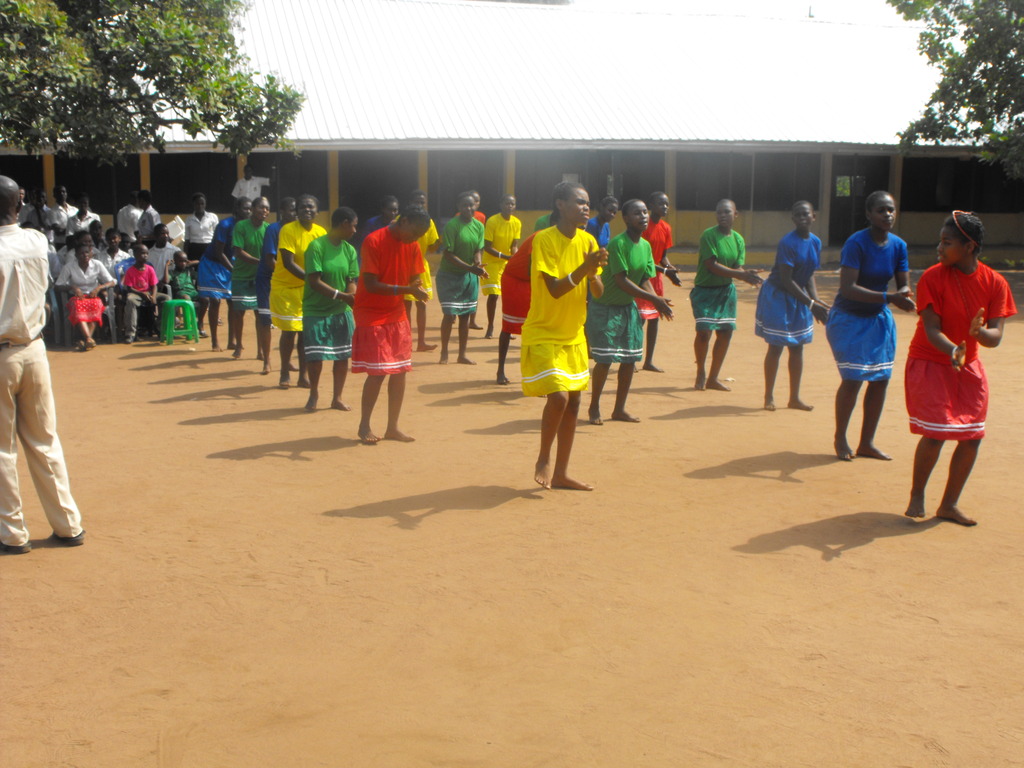
In order to enhance the achievement of adequate coverage and impact of its activities RAWDP has mobilized 2 rural communities (where it currently works) in Imo State, Nigeria to achieve open defecation free (ODF) status. The Participatory Hygiene and Sanitation Transformation (PHAST) and Community Led Total Sanitation (CLTS) strategies are promoted. While PHAST is primarily a decision-support tool that uses ‘seven step’ participatory approach to facilitate community planning and action. The seven steps are: Problem identification, problem analysis, planning for solutions, selecting options, planning for new facilities and behaviour change, planning for monitoring and evaluation and participatory evaluation. It works on the premise that as communities gain awareness of their water, sanitation and hygiene situations through participatory activities, they are empowered to develop and carry out their own plans to improve this situation. The plans adopted may include both construction and management of new physical facilities as well as safer individual and collective behaviours. PHAST utilises specifically designed tools comprising of a series of pictures depicting local situations. Groups of people are asked to say how these relate to the local situation (but never to themselves directly) and what they would need to do to solve the problems that they have identified. When individual knowledge is required a process called pocket chart voting is used which allows the participants to vote in secret. The findings are then discussed by the group as a whole, but an individual never has to reveal their choice. CLTS on the other hand uses participatory rural appraisal (PRA) techniques to raise awareness of the risk that open defecation presents and to reinforce a natural sense of ‘disgust’ about the practice. The community members analyse their own sanitation profile including the extent of open defecation and the spread of faecal-oral contamination that detrimentally affects everyone. A variety of tools are used including: Focus group discussions transect walks, mapping of open defecation sites; and ‘shit’ calculations (that calculate the total weight of faeces produced and circulating in the community). These activities in tandem with our clean water project are currently going on in villages across the 2 communities.The aim is to create a healthier living environment for all especially children aged below 5 years.

To expand the gains of the project we seek to empower all our future trainees with micro-finance and making them become part of an extended team/network that creates access to clean drinking water for local households in order to effectively alleviate poverty and contributing directly to the Millennium Development Goals (MDGs). To achieve this, we have signed a memorandum of understanding with some micro-finance institutions in each of the states where we work.
Besides the youths, the strategy will also now support vulnerable women and children of poor neighbourhoods across Nigeria to overcome the basic obstacle posed to their social and economic development by poor access to water and sanitation through the leverage of microfinance targeted at building critical water and sanitation infrastructure , as well as assisting them to acquire critical skills vital in managing these infrastructures through planning, design and operational practices desired in meeting their short and long term WASH needs.
It became imperative to get a micro-credit scheme in place with an interest rate that is affordable to the beneficiaries in order to safeguard the investment, make it meaningful and revolve its reach to future trainees. By doing this we aim to protect the money as well as aiding the building of critical water and sanitation infrastructure such as water wells, boreholes, eco-sensitive latrines, as well as the filter manufacturing business, enabling it to flourish and achieve its objective. By enabling target youths and women access to ‘proofed’ finance, the impact of the project would easily be further felt while the local economy would be tremendously energized through job creation.
By developing this model, we seek to create an enabling environment where poor communities, households, men, women and the youths with altruistic virtues, vocational aptitude and a burning desire to succeed, but without financial resources to actualize these cravings are supported in an economically viable structure to help achieve the Millennium Development Goals-Clean water target. This model is all about empowerment and we intend to do it right, by being there for these men, women and youths and supporting them to be an effective link in our work’s objective of creating shared value.
Project Reports on GlobalGiving are posted directly to globalgiving.org by Project Leaders as they are completed, generally every 3-4 months. To protect the integrity of these documents, GlobalGiving does not alter them; therefore you may find some language or formatting issues.
If you donate to this project or have donated to this project, you will get an e-mail when this project posts a report. You can also subscribe for reports via e-mail without donating or by subscribing to this project's RSS feed.
Owerri,
Imo State, NIGERIA,
Nigeria
http://www.rawdp.org
Projects on globalgiving.org undergo compliance checks to ensure they have a bona fide charitable purpose and meet applicable laws relating to international philanthropy. Organizations listed as partners do not necessarily endorse or support any particular project listed on globalgiving.org. The GlobalGiving Foundation is a 501(c)3 organization (EIN: 30-0108263).
GlobalGiving
1023 15th Street, NW, 12th Floor, Washington, DC 20005
Phone: (202) 232-5784 Fax: (202) 315-2558
Contact us