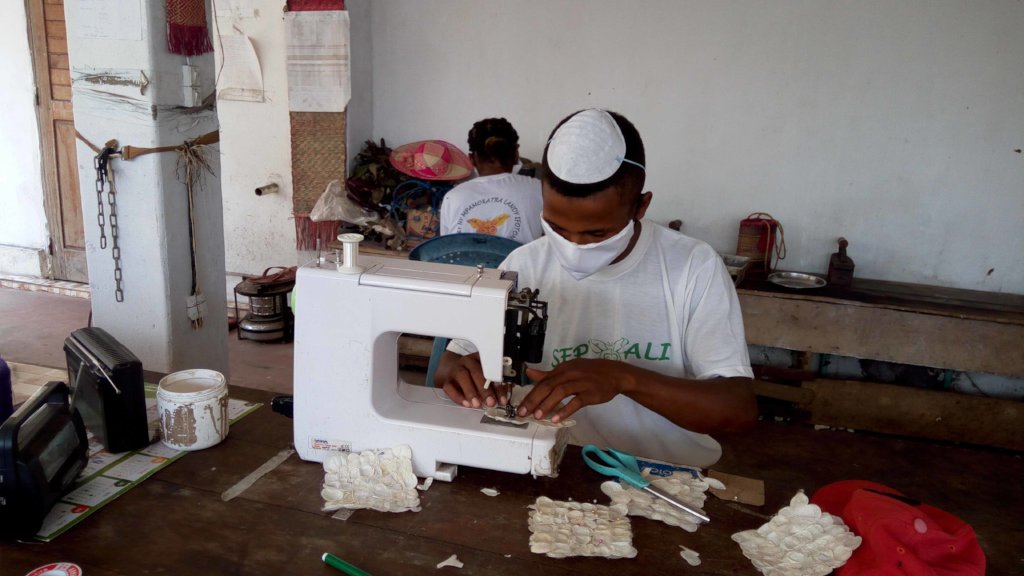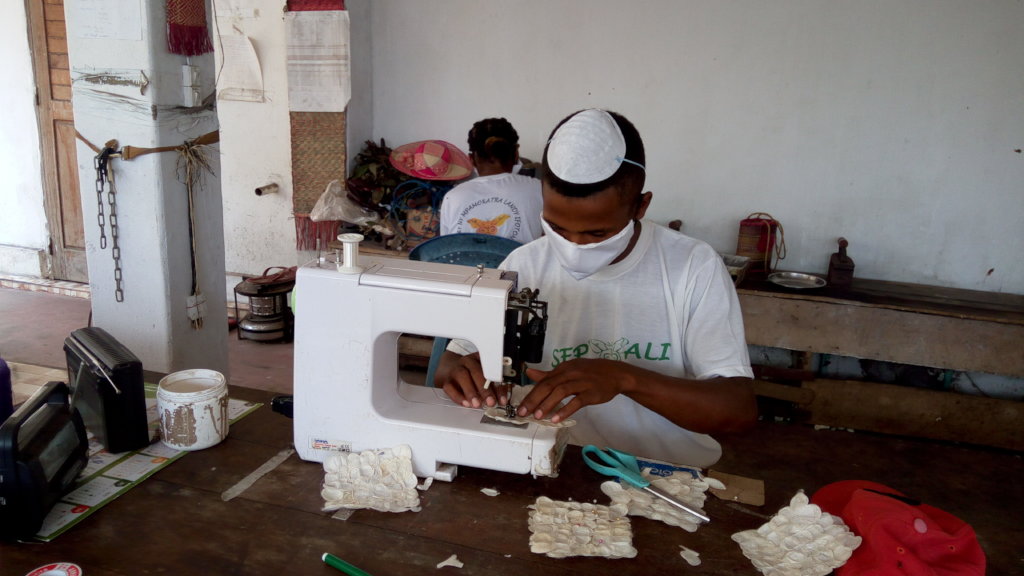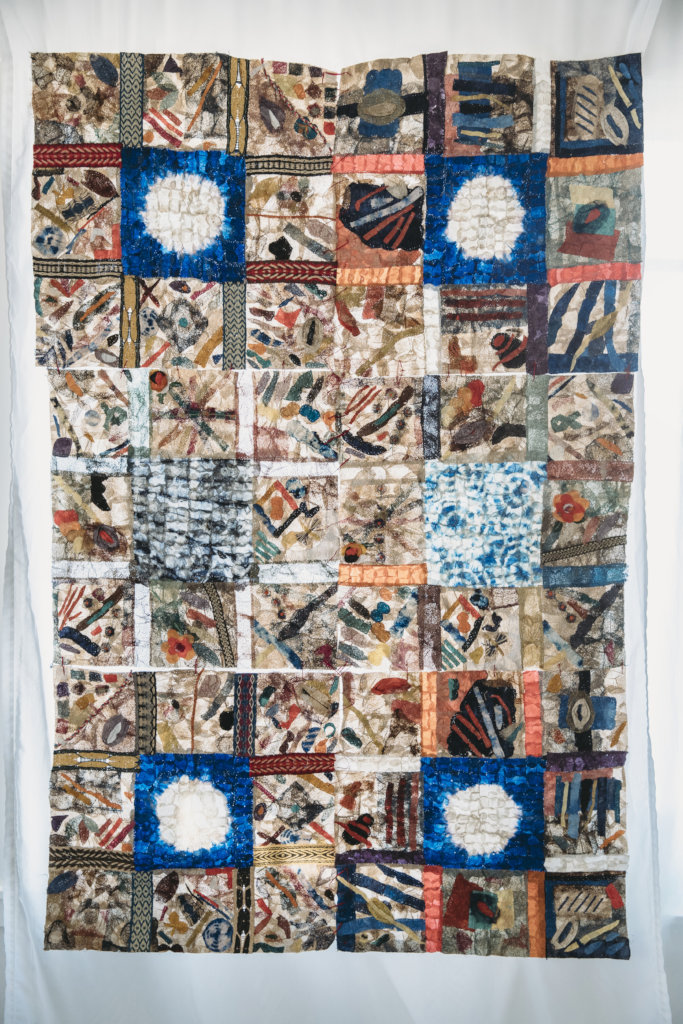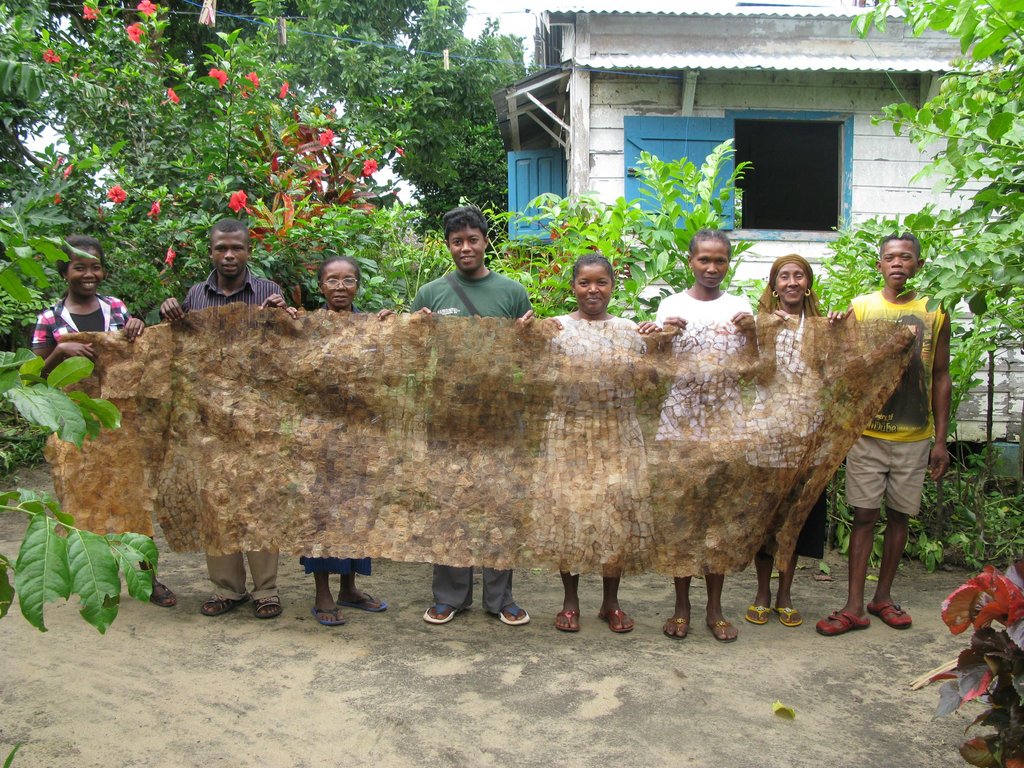
Despite the approaching holiday, we have been busy exploring new avenues for our wild silk product. Last week I met three colleagues at Cornell University - a biologist, an economist who has organized Cornell's new sustainability center. The feedback on the project was really helpful. The Center has offered to provide funds for a graduate student to set up a water and soils monitoring program in Madagascar! If you know of a Cornell graduate student who is up for the challenge, please have them contact me directly.
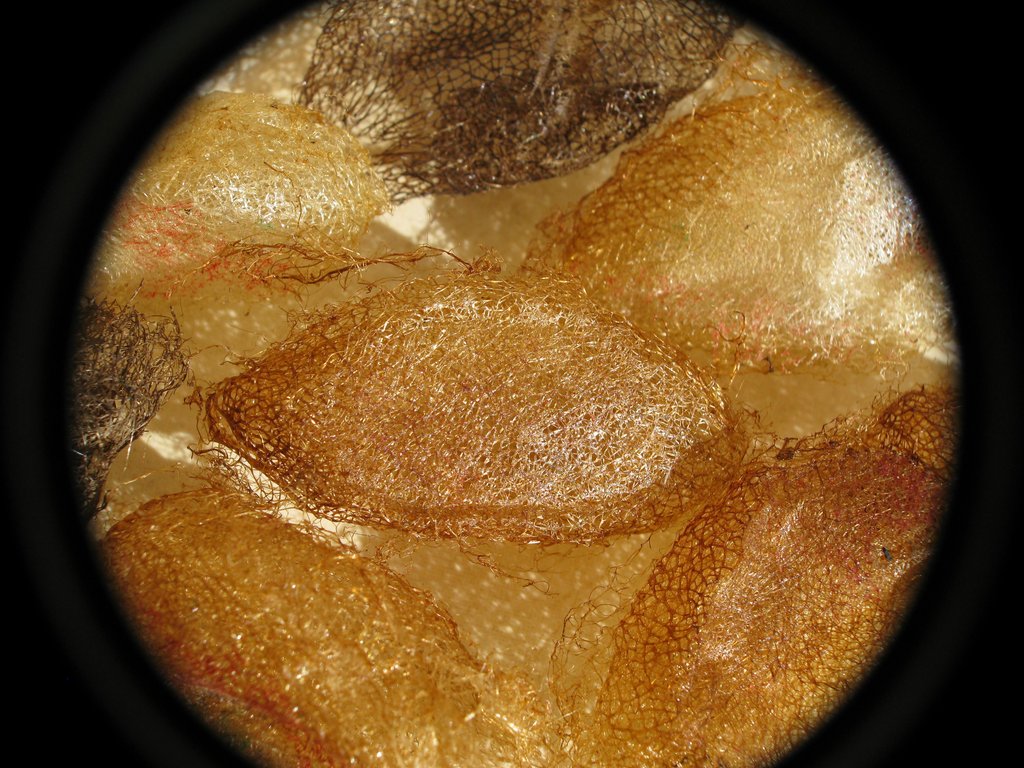
A second colleague in materials science is taking up the challenge of characterizing the silk for possible nano-matierals and a third, an expert in "green" composite materials, will explore the behavior of the textile when combined with other natural materials. Natural composites is a 2 billion dollar a year market . . and will keep the project GG Green. Needless to say I am thrilled.
Mamy and the team are on leave for the holidays so I expect that the next newsletter may be delayed until the end of January. But on Thursday Mamy let me know that SEPALI-Madagascar had recieved a SEED award (www.seedinit.org)! SEED is a UN/UNDP/IUCN program that provides business training to entrepeneurs - being IUCN and UNDP supported it is right up our line - and this year they focussed on Africa. Mamy will accept the award in South Africa in January and then SEED will provide in-country business training in February - business training is just what the team needs!
Its been a great - lets make the next on even better!
Thank you from the teams here in the US and Madagascar.
Links:

Just in the wake of my thank you to donors, SEPALI Madagascar has sent a copy of the Farmer's Newsletter for November 2011 (translated to English). Each newsletter I receive from the team is more impressive than the previous and November 2011 is the best yet - Please join us in celebrating the CPALI_SEPALI Madagascar family and help us make next year as good as the last.
All the best,
Cay
P.S. have you considered a gift to CPALI_SEPALIM to honor your loved ones?


Links:

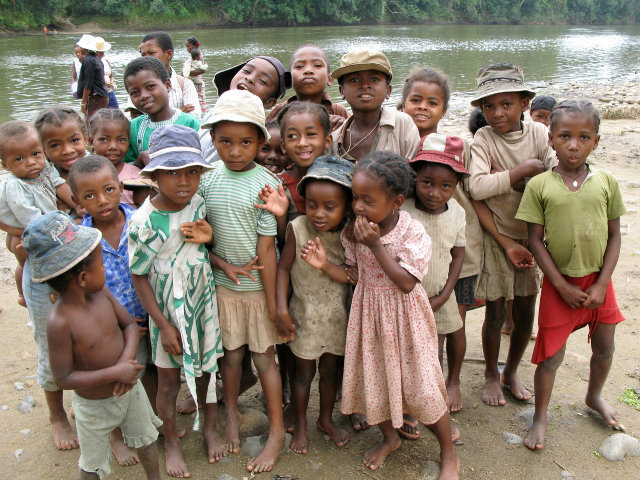
Just in from Madagascar after a great trip to visit our farmers. SEPALIM organized its first farmer picnic and awards ceremony - it was really exciting - replete with entertainment, great food and farmer pride.
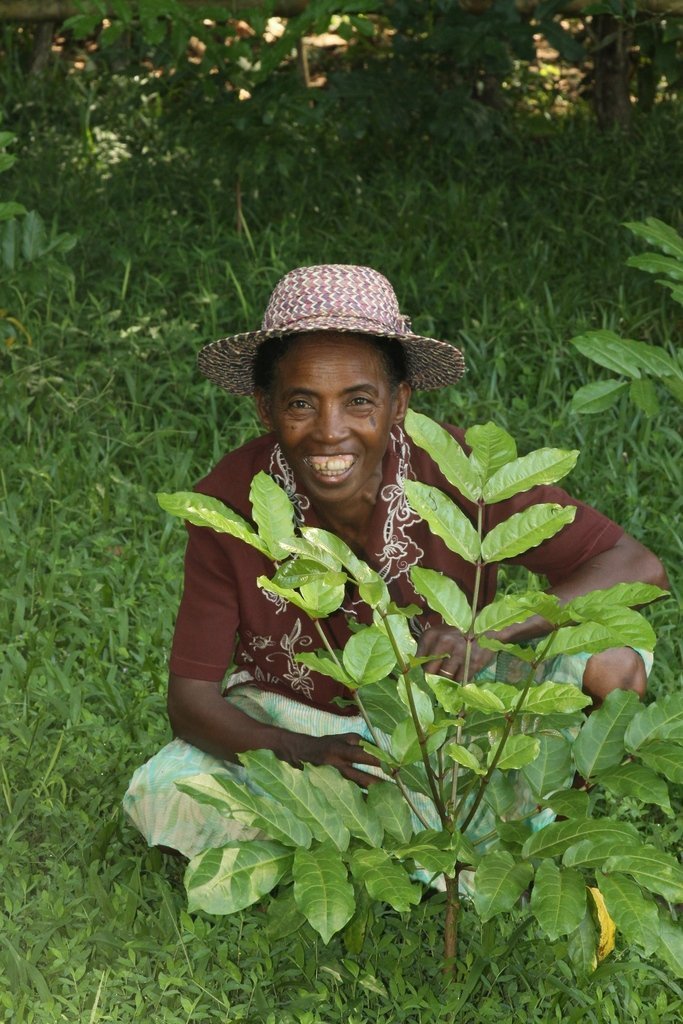
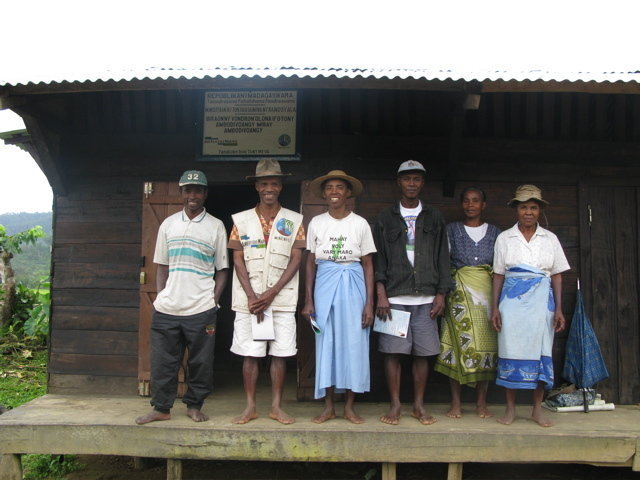
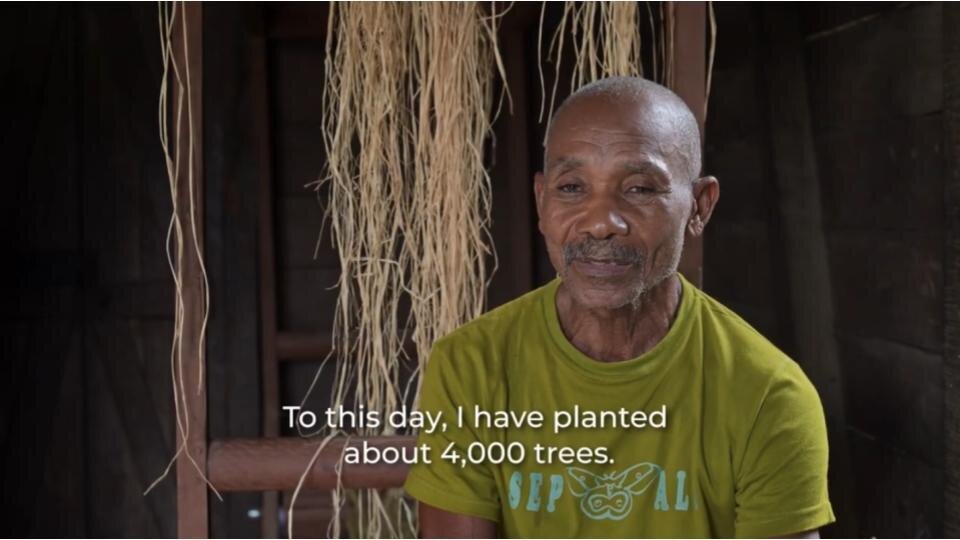
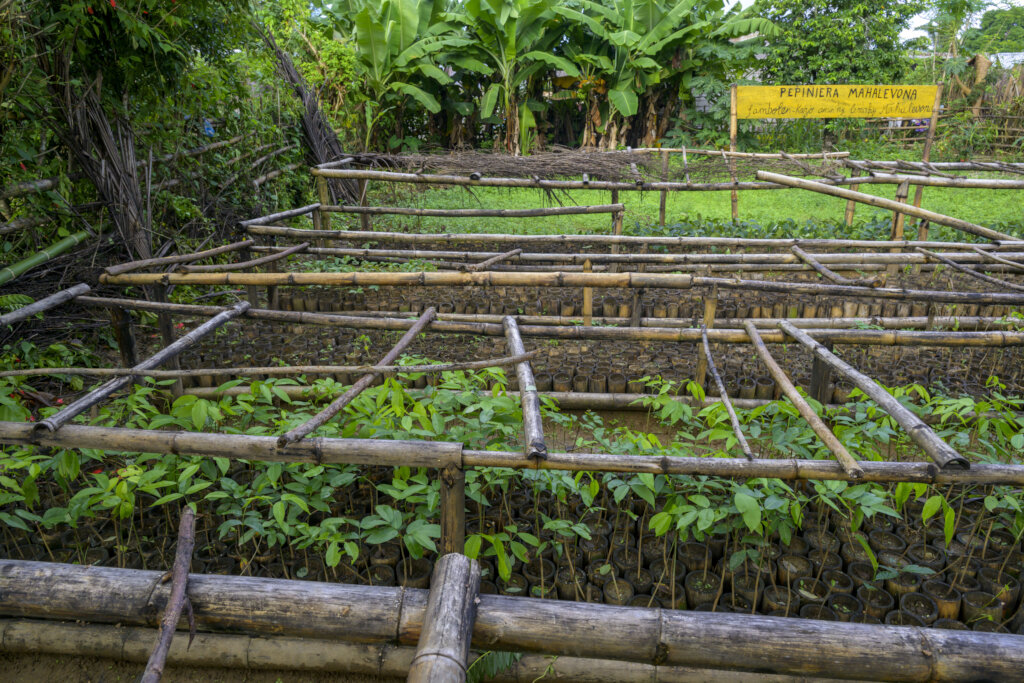
To give you an update, due to the generosity of our donors, the past year has been our most successful yet in terms of convincing farmers and rural artisans to participate in the CPALI /SEPALI Madagascar program. Your donations have allowed us to register 126 farmers (69 men and 57 women) from 6 communities. Among those registered, 43 have planted a minimum of 250 trees each either on existing farms or degraded pasture. Hence, a grand total of 15,000 silkworm host trees have been added to the border forest surrounding the Makira Protected Area.
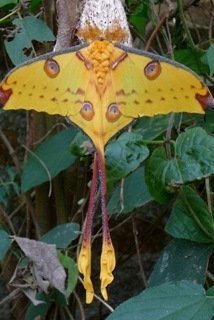
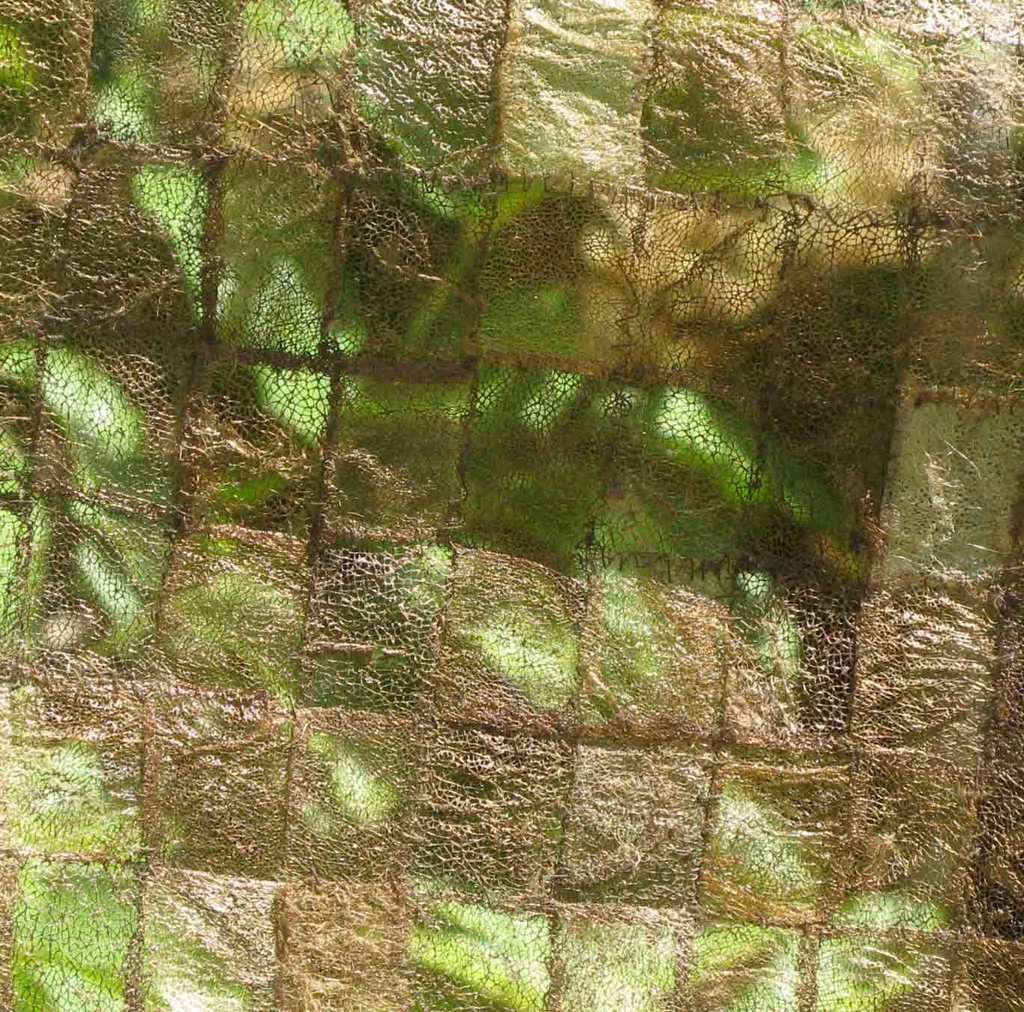
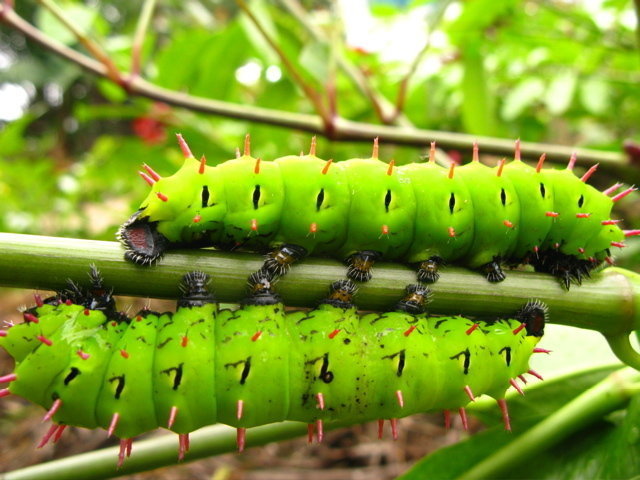
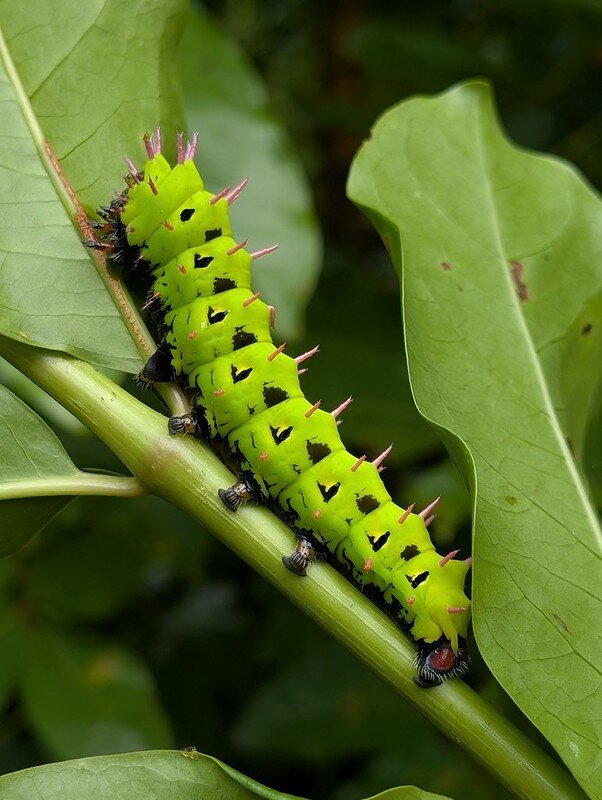
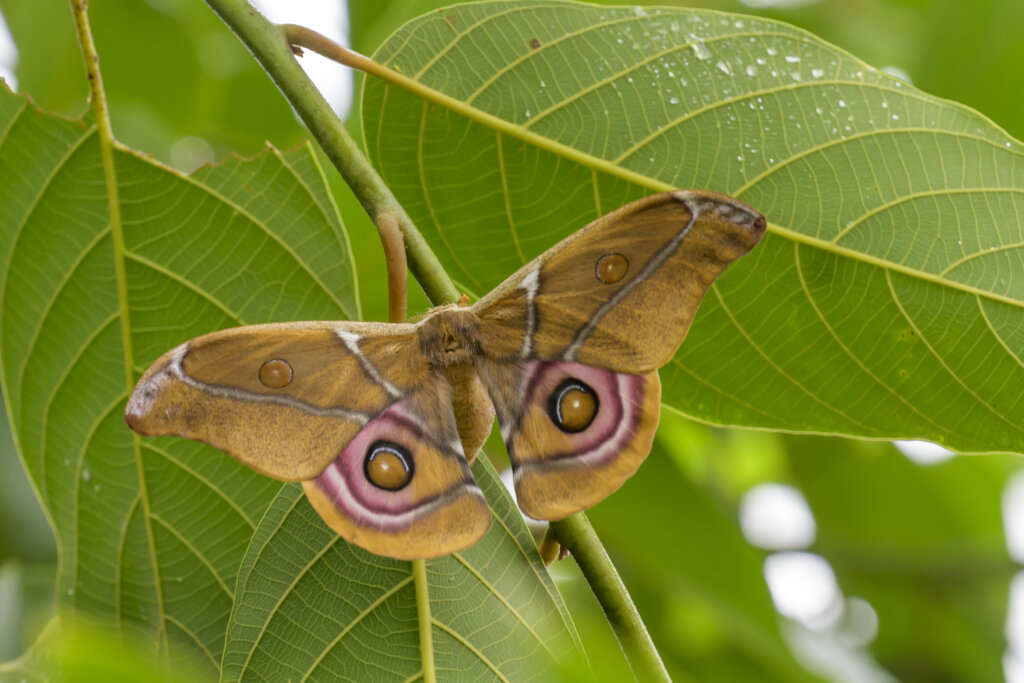
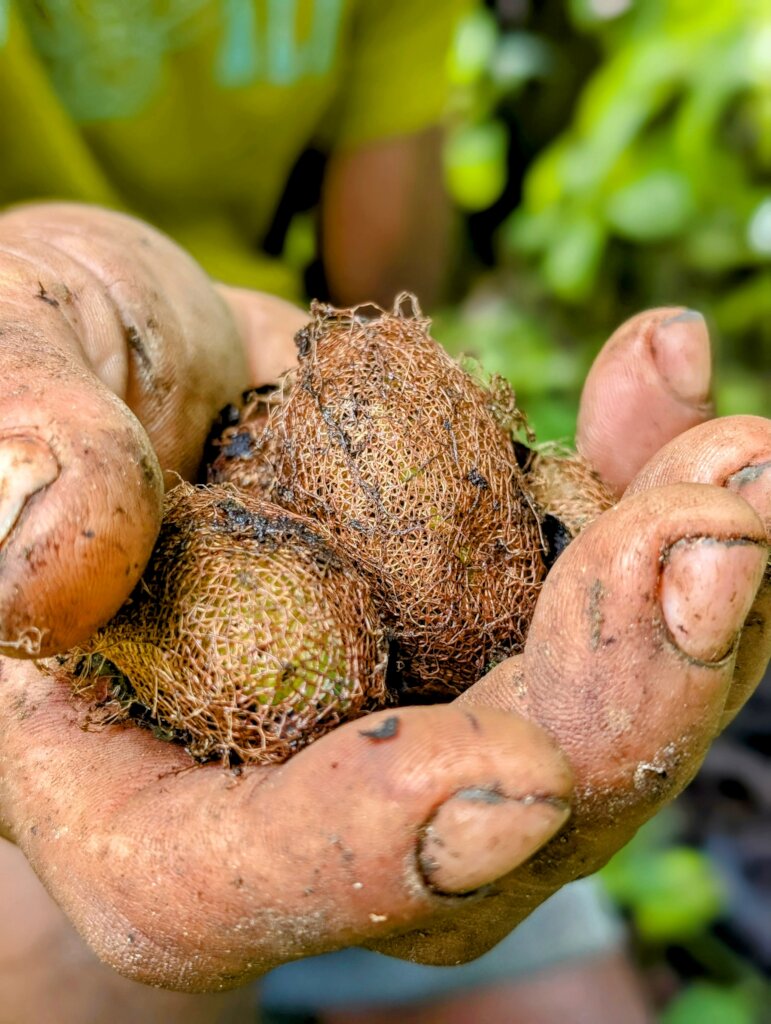
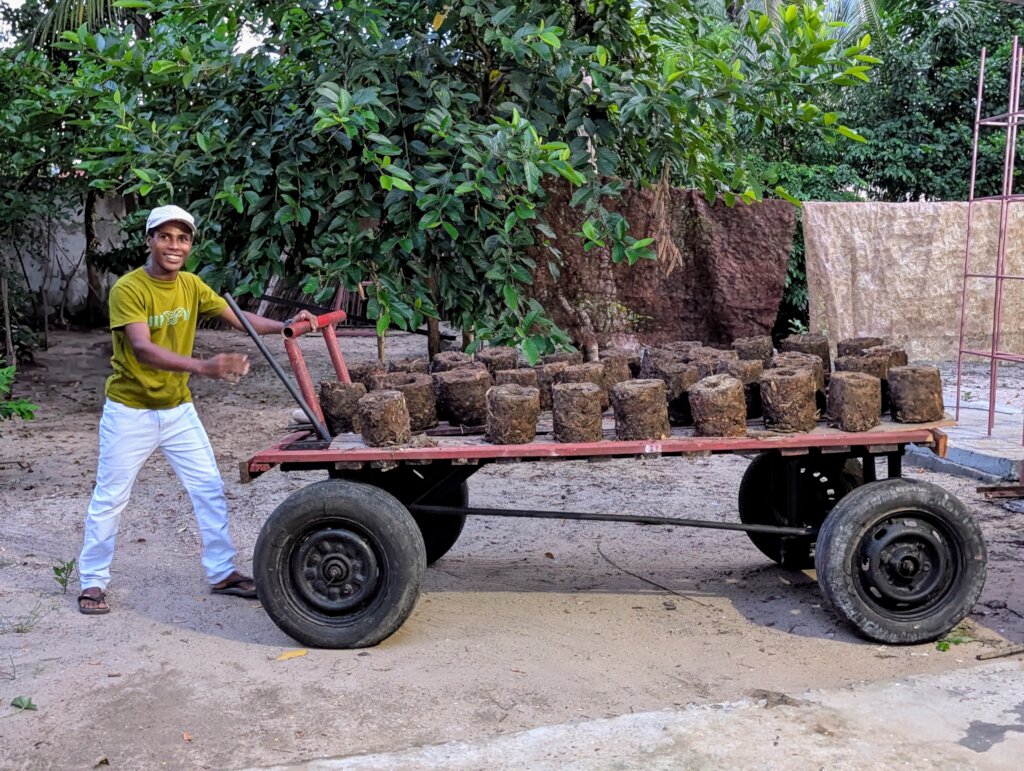
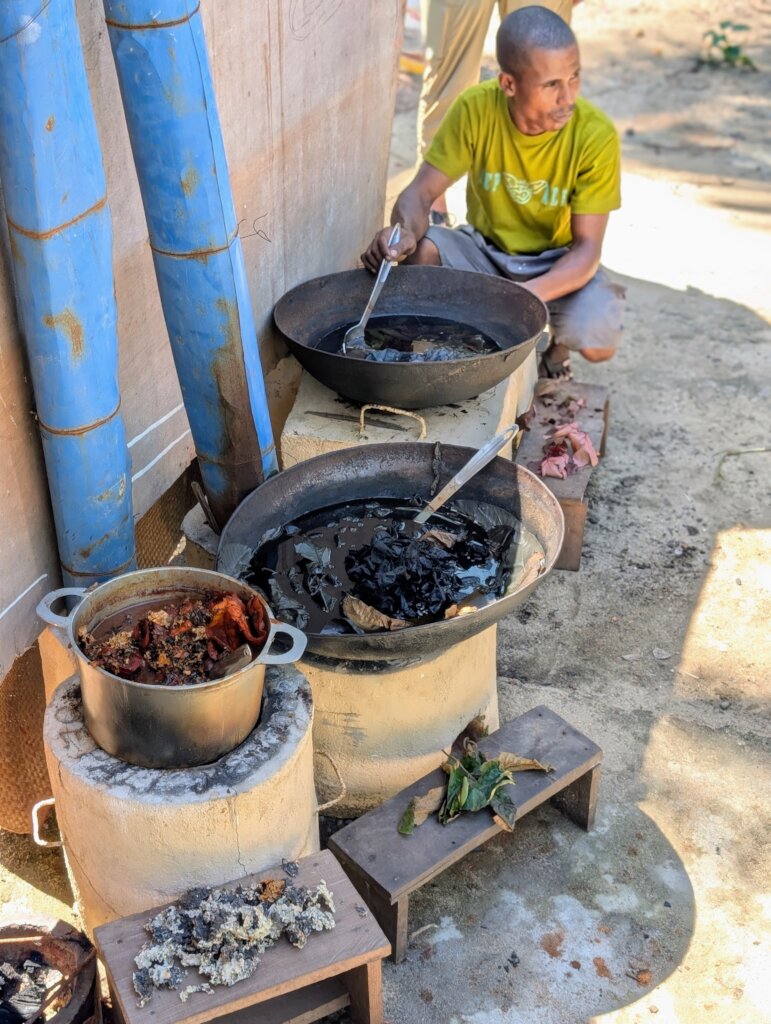
We now have 12 farmers who are breeding A. suraka and 5 farmers who have deposited cocoons in SEPALI’s “cocoon bank.” Our innovative cocoon banking system allows farmers to build their assets while the SEPALI team transforms the cocoons into non-spun textile and silk paper. To date, we have sold approximately 10m of silk textile and silk paper (about $1,000) in Greece, the US, New Zealand, and England.
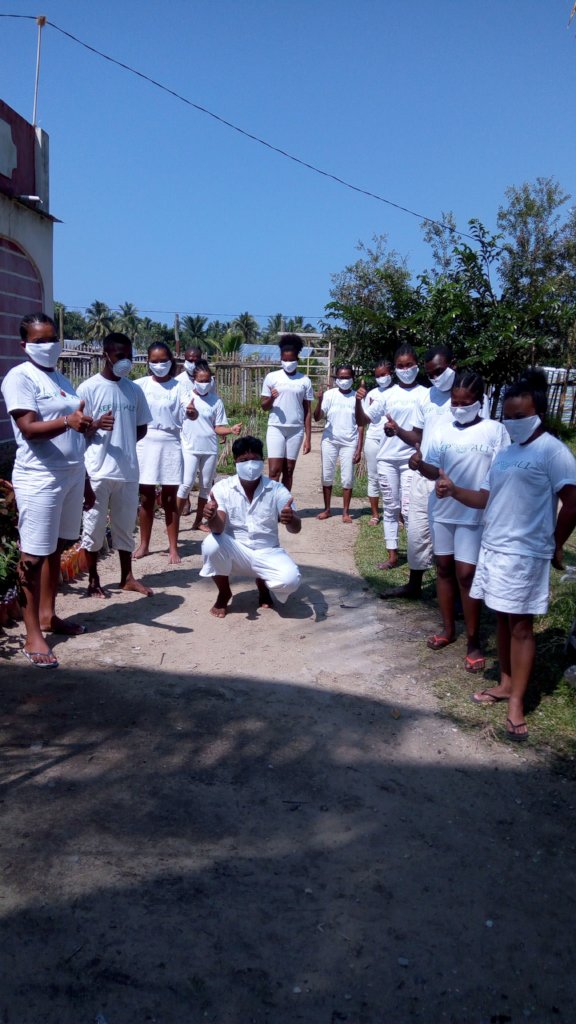
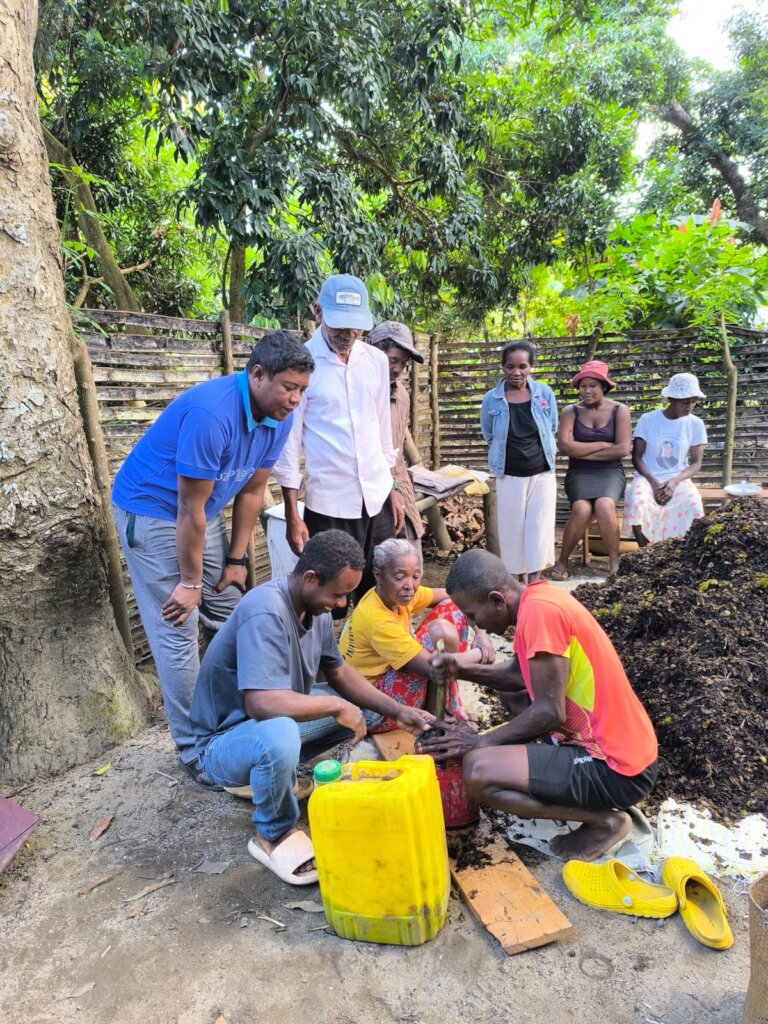
In 2011, we also introduced women’s working groups. Five women’s groups comprising 40 women total (th number continues to grow) have been organized to make the nets and baskets that farmers need to raise larvae. The money the women earn is used to purchase sugar, oil, and petrol. The earnings of the SEPALI men, however, are longer in coming because it takes 2 years for the trees to grow large enough to produce a full crop. Nevertheless, seeing the women getting paid encourages them that there is indeed a profit at the end of the silk tunnel.
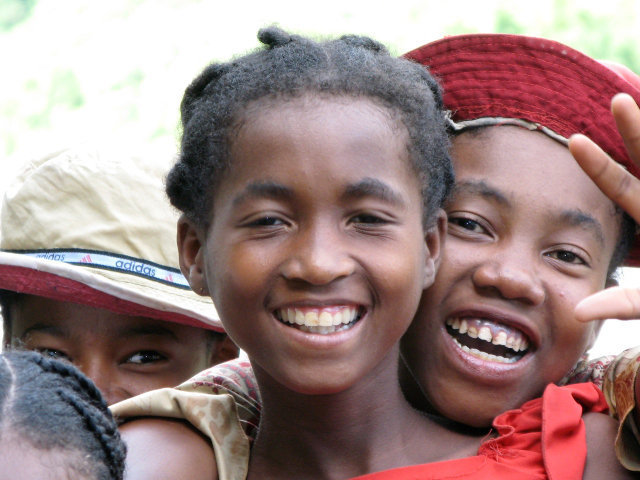
Our third innovation for 2011 is the formation of both women’s and farmers’ networks managed by elected lead farmers. Leaders of 11 community groups meet at CPALI/SEPALI Madagascar’s headquarters once every 3 months to exchange experiences, receive training, and brainstorm ideas for the future. These meetings and SEPALI’s annual picnic bring farmers together to build new partnerships and relationships. In some cases, the SEPALI picnic represented the first time farmers had traveled outside their village to a neighboring village less than 5 miles away.
Finally, the most exciting result of our work in 2011 is the enthusiasm and pride of the men and women who have realized that they are the owners of the silk project.
Henri Mani, one of our more musically inclined farmers, wrote a song, Miara Miasoatra (working together) that you can see being performed in precision on youtube:
http://www.youtube.com/watch?v=H8sPuAYqPZw.
Thank you for your continued support of CPALI/SEPALI Madagascar and Happy Thanksgiving!
Links:
Project Reports on GlobalGiving are posted directly to globalgiving.org by Project Leaders as they are completed, generally every 3-4 months. To protect the integrity of these documents, GlobalGiving does not alter them; therefore you may find some language or formatting issues.
If you donate to this project or have donated to this project, you will get an e-mail when this project posts a report. You can also subscribe for reports via e-mail without donating or by subscribing to this project's RSS feed.
Lincoln,
MA,
United States
http://www.cpali.org
Projects on globalgiving.org undergo compliance checks to ensure they have a bona fide charitable purpose and meet applicable laws relating to international philanthropy. Organizations listed as partners do not necessarily endorse or support any particular project listed on globalgiving.org. The GlobalGiving Foundation is a 501(c)3 organization (EIN: 30-0108263).
GlobalGiving
1023 15th Street, NW, 12th Floor, Washington, DC 20005
Phone: (202) 232-5784 Fax: (202) 315-2558
Contact us