End Hunger for Rural Families in Bangladesh

 
$7,527
$8,130
Raised
Remaining
Jun 29, 2009

June 2009 Update

With your support, a total of 1,500 women have continued to develop their savings to great success. Every week, each woman has been depositing a minimum of 10 taka (or approximately $.15) in savings that is recorded in individual “passbooks” supplied to them. They receive 5% yearly interest compared to the 4 % interest of a commercial bank.

The women have been reaching their objectives in developing their savings, having funds available for family emergencies, and in becoming increasingly empowered and self-sufficient.

Additionally, 130 group members have received financial support in the form of microcredit for a variety of income-generating activities. Over the last reporting period:

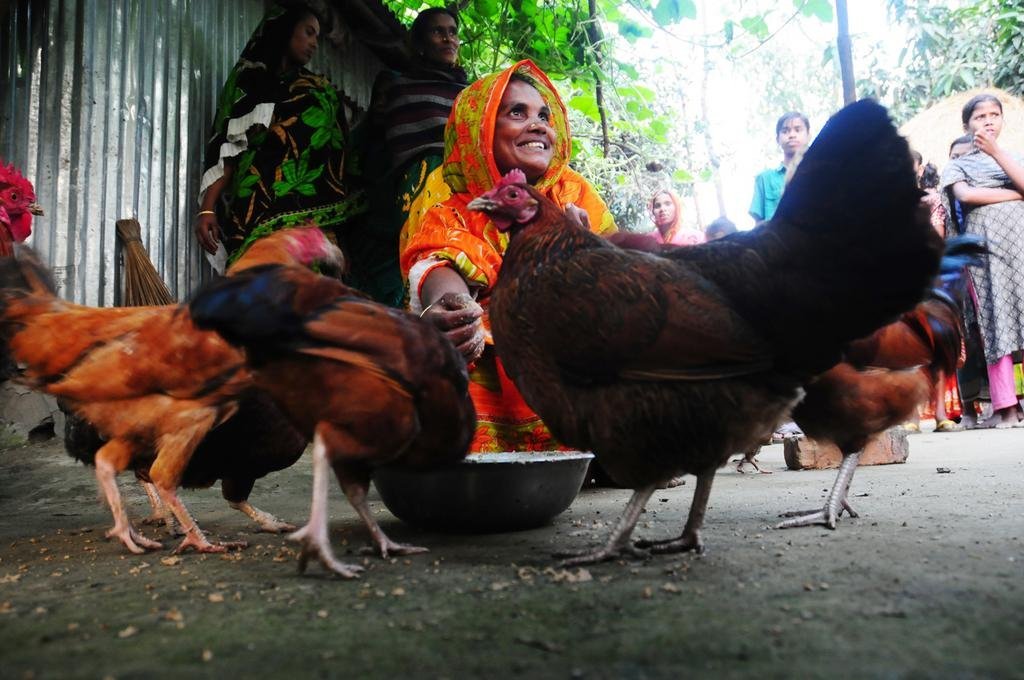
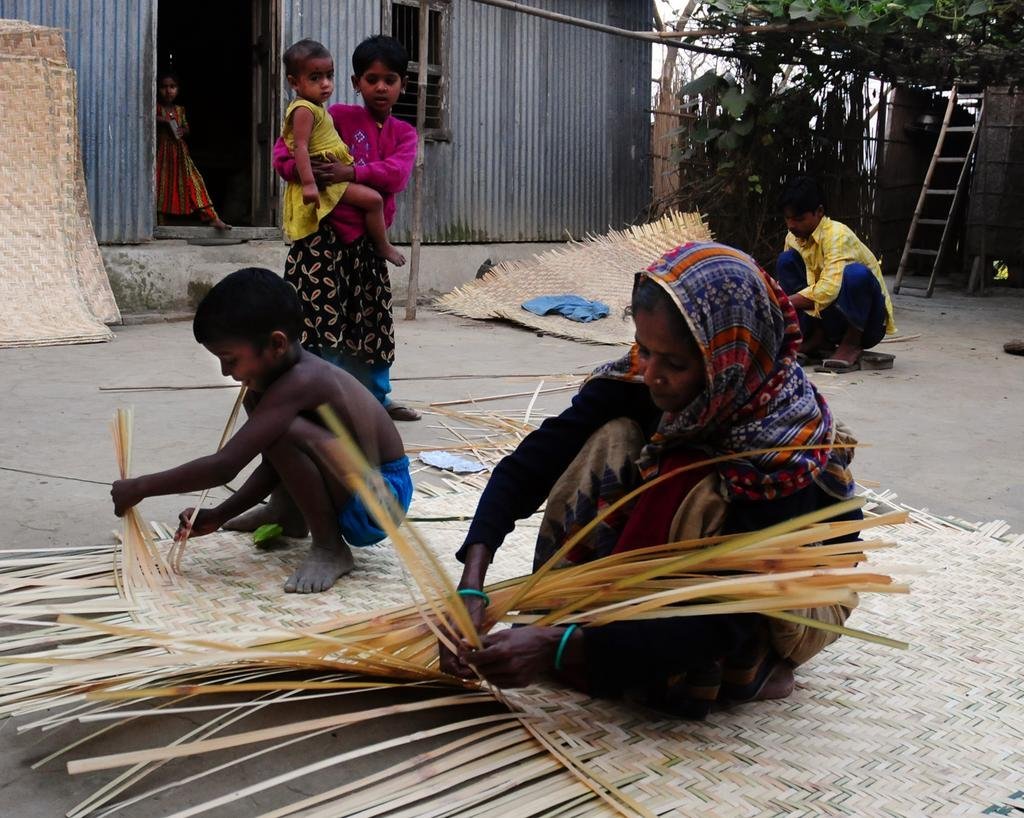
• 20 women received support for vegetable cultivation and sales • 70 women received support for small business (grocery shops, tea stalls, etc) and handicraft production (bamboo and cane work, pottery, etc) • 30 women received support for poultry-raising projects.

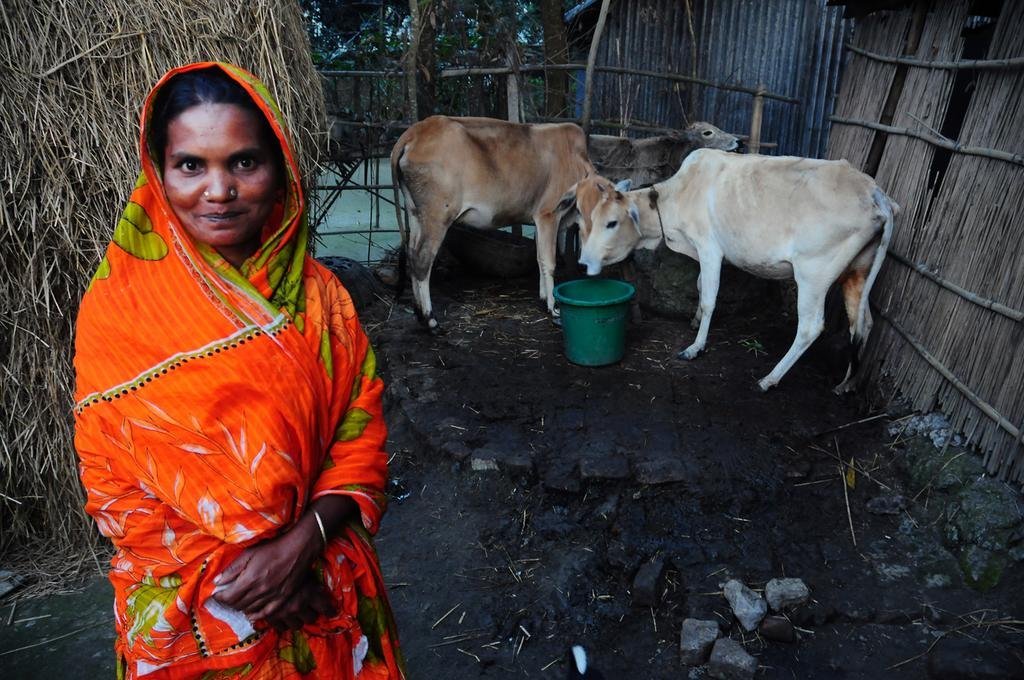
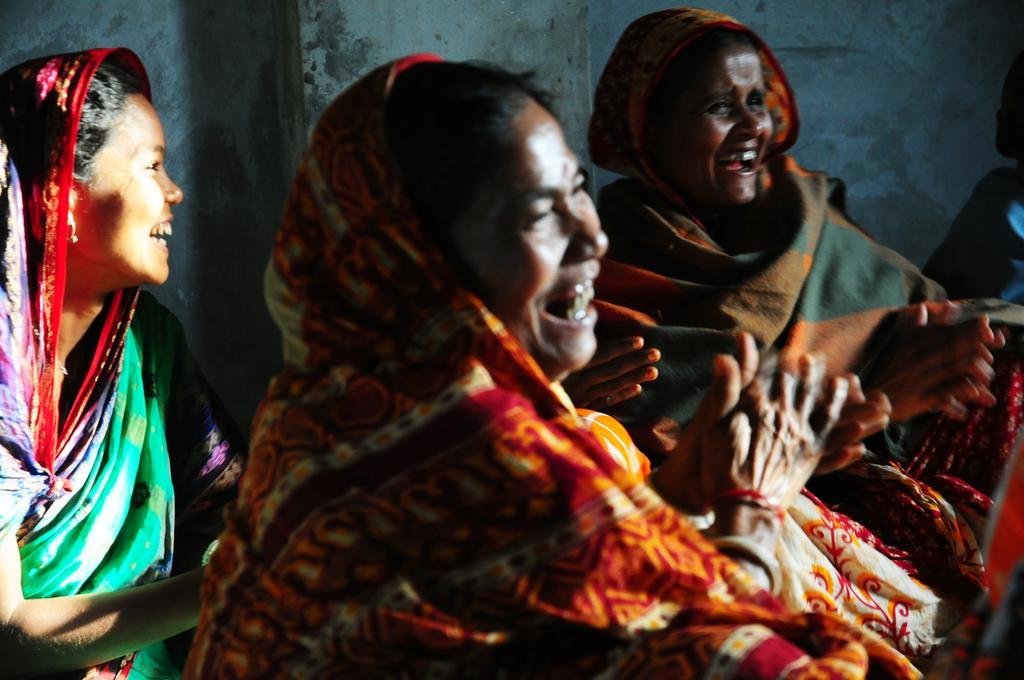
For these women, who are of the tribal minority and hardcore poor (i.e. those who live on US $1 or less per person per day), being able to develop their own income and save money has been nothing short of life changing. Not only are the women able to increase their families’ standard of living and better meet their nutritional needs, but they are also experiencing increased decision-making power within the family. Where women traditionally have had few rights and face much discrimination and oppression, this is a great move forward. For example, SATU has reported that as a result of the weekly group meetings, many women have become quite outspoken and their confidence level has been significantly enhanced.

SATU’s work with women’s groups has long combined education workshops with sustainable agriculture and business development. With your generous support, their approach to reducing poverty– combining the women’s group model with projects in improving health, food security, and water and sanitation issues— continues to be a proven recipe for sustainable success.

Mar 5, 2009

March 2009 Update

From July to December of 2008, SATU provided medical services to 1,500 families through a traveling health clinic and a permanent health clinic. The traveling clinic is operated 20 days per month in different communities. A room or house is provided by the local community, taking into account easy access, hygiene and privacy concerns. In these clinics, a trained female medical assistant offers health checkups to pregnant women as well as mothers and newborns. Since our last update, 125 women and their babies received pre and post-natal care.

In the permanent clinic, the medical assistant provides diagnoses, treatments, prescriptions and medicine for the general public and offers referrals to patients to hospitals as needed. Some of the common illnesses treated are diarrhea, dysentery, worms, malnutrition, fever, and measles.

These kinds of health services are invaluable in the remote areas where SATU works, where transportation to health services is too expensive for most and where malnutrition and other poverty-related health issues overwhelming affect women and the young. Without these clinics and services, many women and children would not receive any medical attention whatsoever.

Dec 9, 2008

December 2008 Update

SATU recently carried out a two-day training for 25 group members to become peer educators in vegetable cultivation. The majority of women with whom SATU works are landless, but the training encouraged women to start vegetable gardens in their homes. Upon seeing the members’ vegetable gardens, female neighbors started vegetable cultivation at their homes and were trained/assisted by one of the 25 group members.

Those who cultivated on a small scale used their vegetables for household consumption and the rest sold to the local market, earning $1.72 to $2.15 income per week. Thirty-five group members took out an individual loan to invest in their income-generating project. They cultivated cauliflower, tomato, bean, pumpkin, bottle guard, cucumber, papaya, radish, etc. Some of them earned $57.36 to $86.03 per harvesting income.

About Project Reports

Project Reports on GlobalGiving are posted directly to globalgiving.org by Project Leaders as they are completed, generally every 3-4 months. To protect the integrity of these documents, GlobalGiving does not alter them; therefore you may find some language or formatting issues.

If you donate to this project or have donated to this project, you will get an e-mail when this project posts a report. You can also subscribe for reports via e-mail without donating or by subscribing to this project's RSS feed.

Funded

Thanks to 67 donors like you, a total of $7,527 was raised for this project on GlobalGiving. Combined with other sources of funding, this project raised enough money to fund the outlined activities and is no longer accepting donations.

Still want to help?
Find another project in Bangladesh or in Economic Development that needs your help.

Organization

Project Leader

Katherine Zavala

Program Officer, IDEX
San Francisco, California United States

Where is this project located?

Map of End Hunger for Rural Families in Bangladesh