By AAR JAPAN | Tokyo HQ
Six Months since the Great East Japan Earthquake: Activity Report
Please Don’t Forget the Disaster Zone – Your Support is Still Needed!
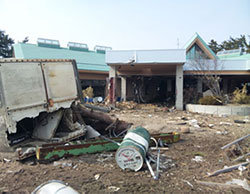
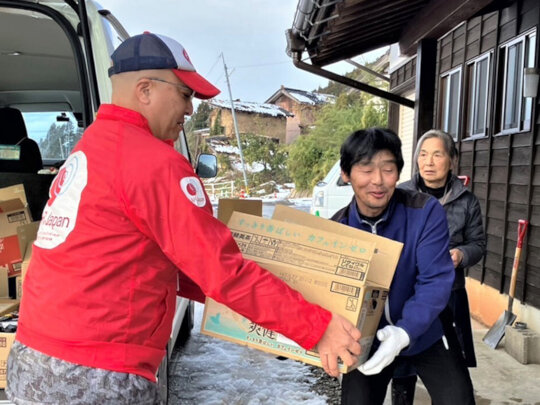
AAR JAPAN has been carrying out relief efforts for the victims of the Great East Japan Earthquake since the immediate aftermath of the disaster. In addition to delivering emergency supplies to those who have limited access to aid, such as persons with disabilities, the elderly, and survivors living at home, AAR JAPAN is also repairing welfare facilities, providing vehicles, and preparing soup kitchens.
Some survivors continue to live in emergency shelters, while many others have transferred to temporary housing. The move to temporary housing has led to new concerns, such as survivors’ tendency to stay inside because they have few friends or acquaintances in their new neighborhoods. Through the Building Healthy Communities Project, AAR JAPAN has been providing rehabilitation and healthcare services, psychological care, and community interaction and exchange events that enable survivors to reclaim and maintain their physical and mental health.
Half a year has passed since the Great East Japan Earthquake, yet many survivors in the disaster zone still need your support. The further people live from the disaster zone, the more quickly the earthquake and its aftermath slip from their collective memory. AAR JAPAN will continue our efforts on the behalf of the survivors, and we beg your ongoing support.
Below is a report on the activities that AAR JAPAN’s supporters have enabled us to carry out in the last six months:
AAR JAPAN’s Projects in Response to the Great East Japan Earthquake
1. Delivering Relief for Families in Temporary Housing and Leased Housing in Fukushima Prefecture (Approximately 35,000 families)
2. Building Healthy Communities Project
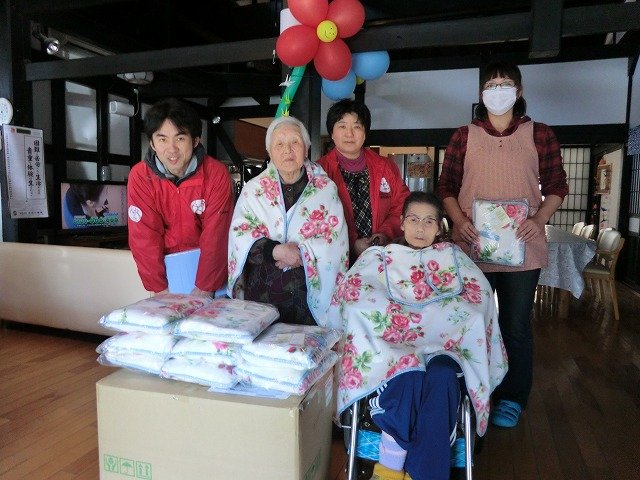
3. Delivery of Relief Supplies
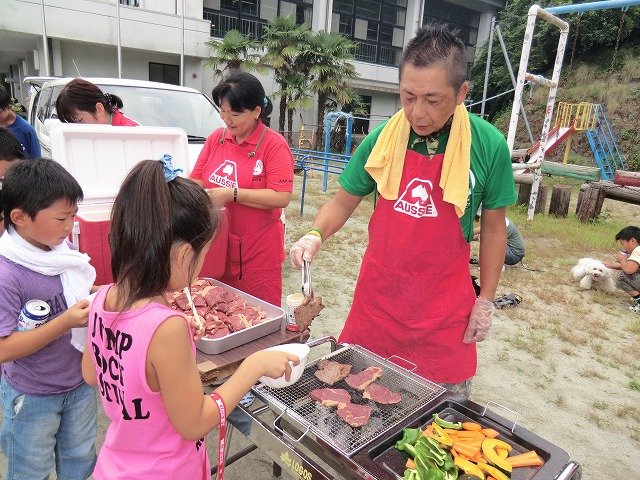
4. Soup Kitchens
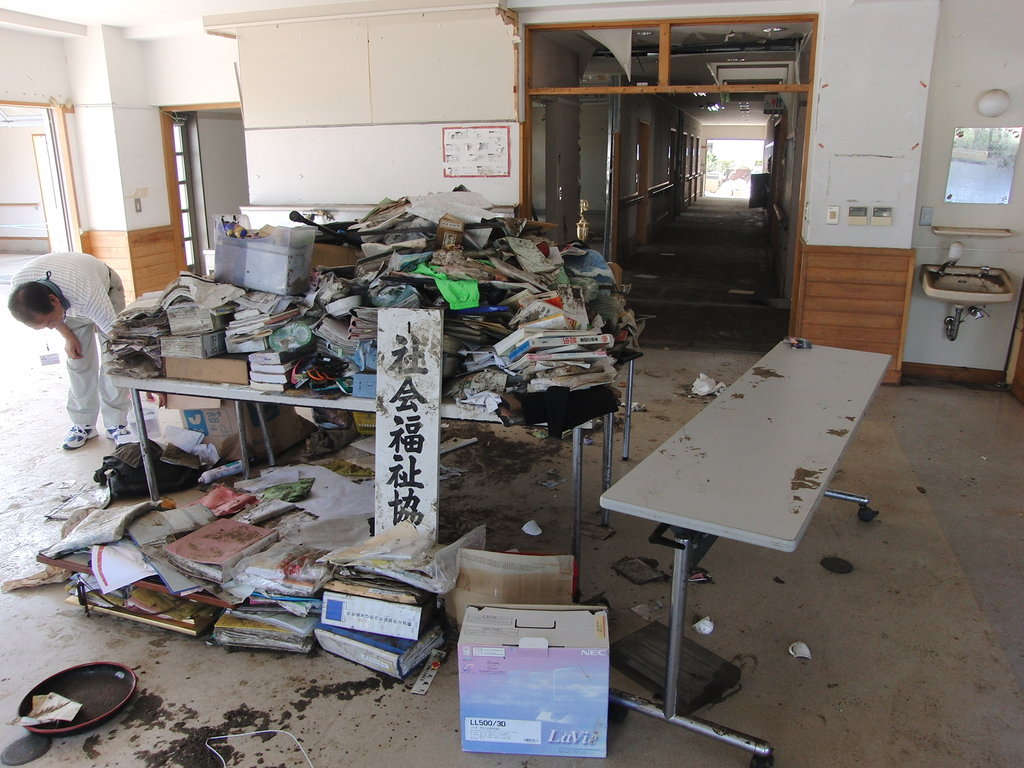
5. Institutional Reconstruction
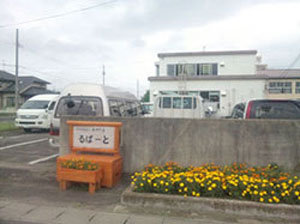
6. Providing Vehicles
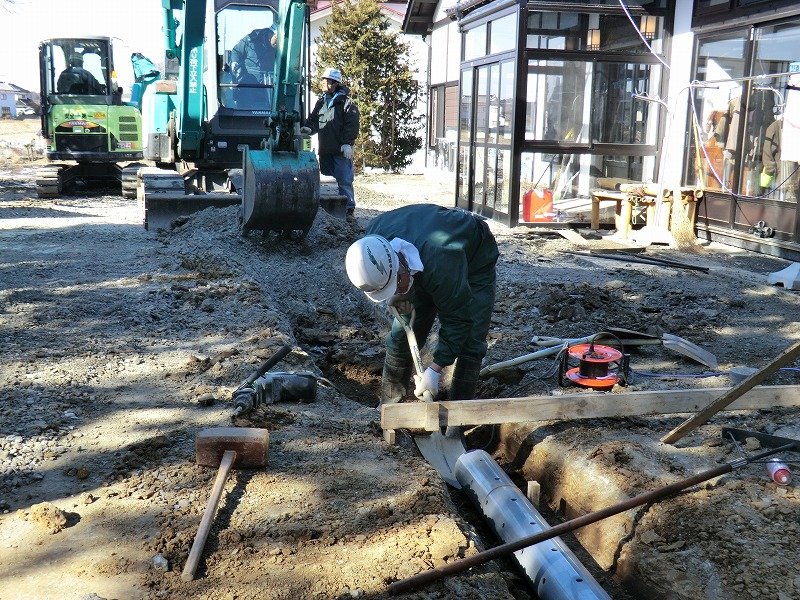
7. Container Housing Project
8. Hand-made Tote Bag Project
9. Providing Musical Instruments
10. Psychological Care for Children (Soma City, Fukushima Prefecture)
11. “Let’s Bring Hot Springs to the Disaster Zone!” Project (Concluded)
12. Shuttle Buses (Concluded June 4th)
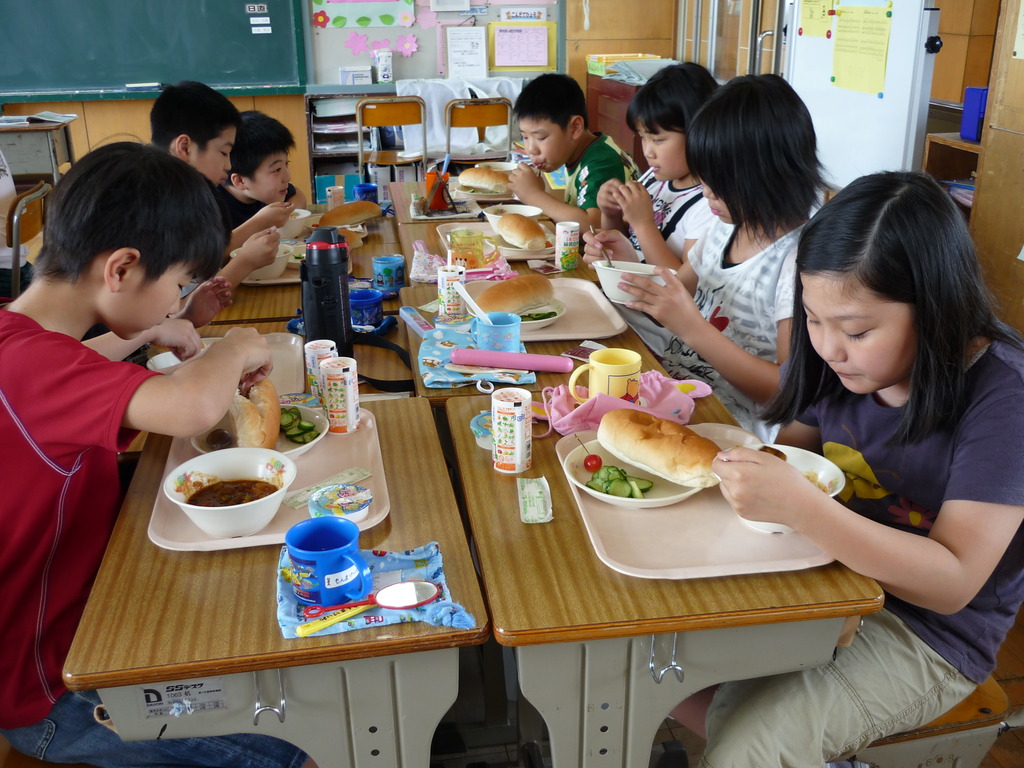
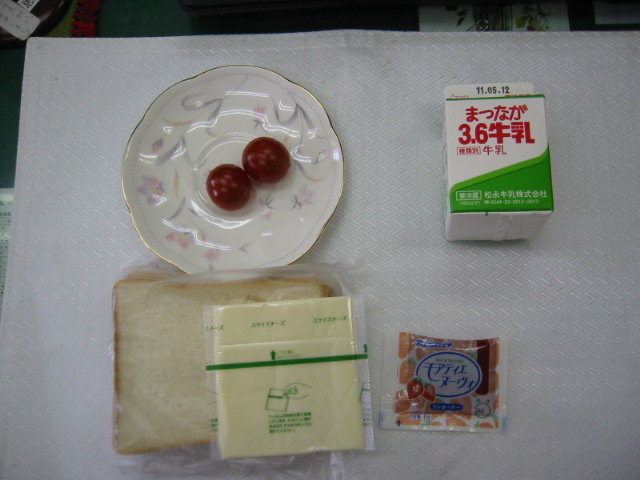
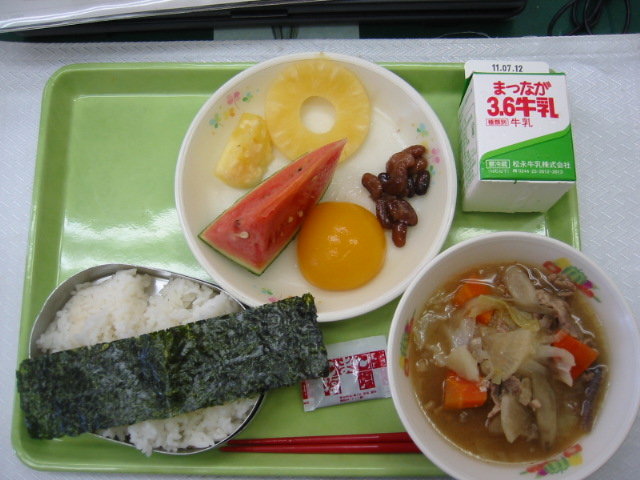
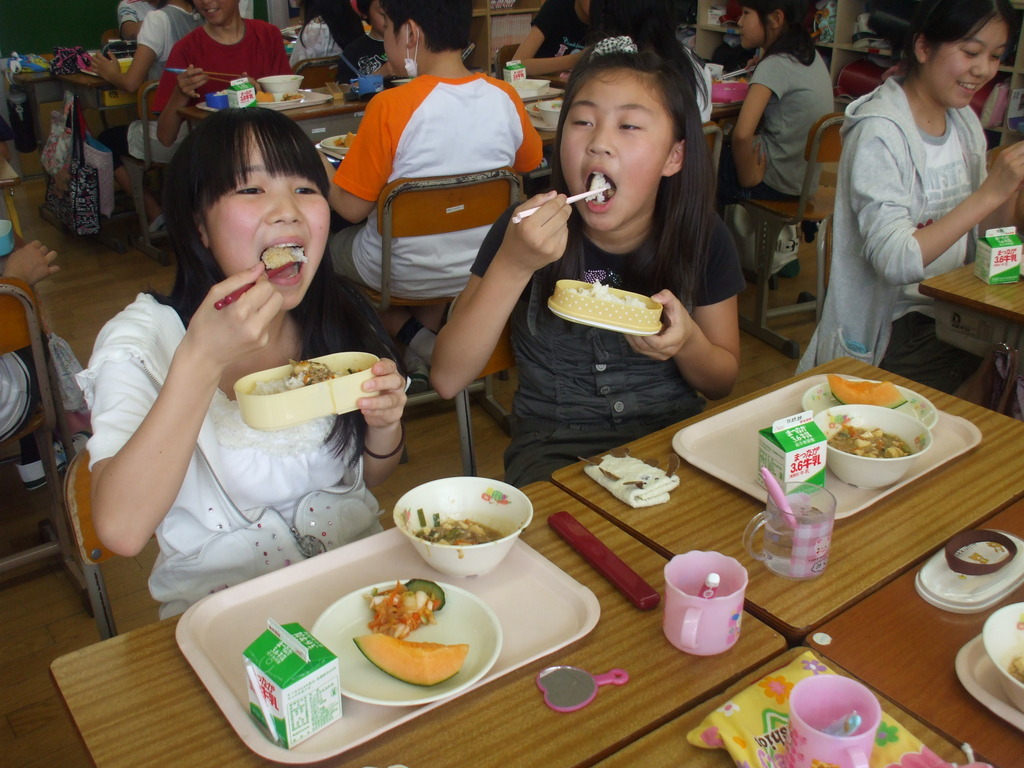
13. Support for Food Service at Schools in Soma City, Fukushima Prefecture (Concluded)
1. Delivering Relief for Families in Temporary Housing and Leased Housing in Fukushima Prefecture (Approximately 35,000 families)
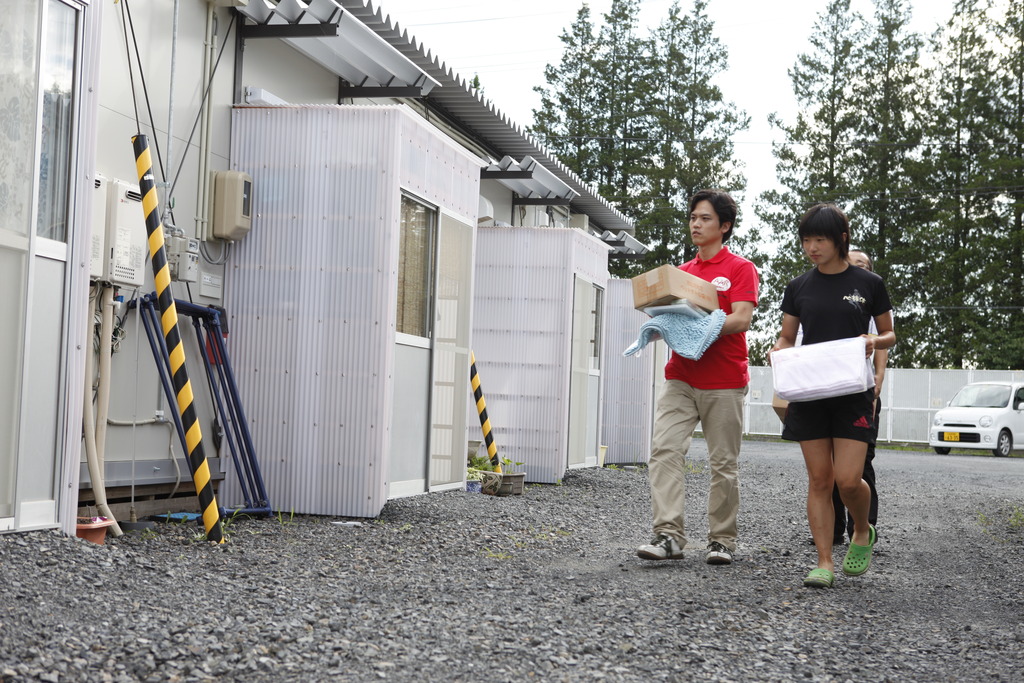
With a grant from Japan Platform (JPF)* and in cooperation with ADRA Japan, we have been supporting the day-to-day lives of all the families living in temporary housing and leased housing in Fukushima Prefecture. As the Japanese Red Cross has decided to distribute six-piece sets of home electrical appliances in earthquake- and tsunami-affected areas, AAR JAPAN has focused on providing items such as kitchenware, bathroom goods, vacuum cleaners, kotatsu (heated tables) and regular tables, kitchen cabinets, and so on, based on requests from municipal governments.
We are targeting 13 municipalities in the Hamadori and Nakadori regions of Fukushima: Soma City, Minami-Soma City, Shinchi Town, Iitate Village, Tomioka Town, Kawauchi Village, Koriyama City, Sukagawa City, Kagamiishi City, Shirakawa City, Nishigo Village, Yabuki Town, and Izumisaki Village. In order to contribute to the economic recovery of the local communities, we are collaborating with the local Commerce and Industry Associations in 10 municipalities to source as many aid goods locally as possible. As of August 31st, we have completed the delivery of relief supplies to 12,100 households in the target area.
*Japan Platform (JPF) facilitates the cooperation of NGOs, governments, and corporations in conducting emergency assistance for natural disasters, refugees, and internally displaced people. JPF operates with government funding and donations from corporations and individuals.
2. Building Healthy Communities Project
AAR JAPAN has been providing rehabilitation and health-related services, mobile clinics, sanitation services, psychological care, and community interaction and exchange events for about 3,000 people, focusing on people with disabilities, the elderly, survivors staying in their own homes, and people staying in temporary housing in the affected areas of Miyagi and Iwate Prefectures. Through these comprehensive efforts, AAR JAPAN continues to support people in the disaster zone as they work to maintain both their physical and mental health.
Rehabilitation Services
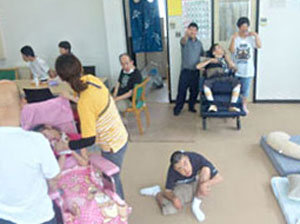
AAR JAPAN has been providing rehabilitation services by sending occupational therapists and physiotherapists to evacuation centers, senior care facilities, facilities for people with disabilities, temporary housing, and individual homes in Miyagi and Iwate Prefectures, offering rehabilitation visits and massages to 457 people from July 9th to September 3rd.
Mobile Clinics and Health-related Services
AAR JAPAN has visited Makinohama, Takenohama, Kitsunezaki-hama, Sudachi, Fukkiura, Kozumihama, and Kobuchihama on the Oshika Peninsula, where approximately 640 survivors are taking shelter in their homes. Led by Dr. Toshiaki YASUDA, a local medical practitioner, AAR’s medical team has established a mobile clinic and implemented health-related services such as checking up on sufferers of chronic illnesses, preventing the spread of infectious diseases, and implementing psychological support. We examined a total of 772 people between April 9th and August 31st. Home-care nurses visited an additional 242 people in temporary housing in Ishinomaki City, Miyagi Prefecture, between August 10th and August 31st.
Sanitation Services
AAR JAPAN has implemented sanitation services for approximately 1,000 people in evacuation centers in Ishinomaki City and Minami-Sanriku Town, Miyagi Prefecture. As futons, blankets, and mattresses became dirty as a result of long-term use in evacuation centers, we dried them in the sun, collecting old and dirty futons while offering new summer-season bedding. We also engaged in general cleaning in evacuation centers, where summer’s rise in humidity and temperature led to the deterioration of sanitary conditions, including a huge increase in flies and mosquitoes.
We also distributed futon driers, vacuum cleaners, dehumidifiers, cleaning equipment, insect repellent and insecticides (fly tape, mite killer, etc.) with instruction on their use. To reduce the risk of food poisoning, we delivered refrigerators to evacuation centers that lacked them. We implemented these efforts in 25 evacuation centers from June 14th to August 31st.
Psychological Care
In order to mitigate stress both from the earthquake and from long-term evacuee life, AAR JAPAN has been sending counselors to evacuation centers, temporary housing units, and individual homes to provide psychological care. We provided counseling for 47 people between August 6th and September 3rd.
Community Interaction and Exchange Events
AAR JAPAN has been actively promoting community interaction and exchange events to help promote the development of social ties in evacuation shelters and temporary housing. In this effort, we have been organizing soup kitchens, delivering relief supplies, and providing rehabilitation services such as massages and aroma therapy. To date, we have organized or participated in the following community events:
- Participated in a festival at Wako Kindergarten in Shichi-ga-hama Town, Miyagi Prefecture (July 23rd).
- Participated in the Bon Festival in Onagawa Town, Miyagi Prefecture (August 15th).
- Organized a soup kitchen and a community interaction and exchange event at an evacuation shelter in Higashi-hama Elementary School on the Oshika Peninsula, Miyagi Prefecture (August 18th).
- Organized a soup kitchen, massage services, and a community interaction and exchange event in Touni Town, Kamaishi City, Iwate Prefecture (August 20th).
- Organized a soup kitchen, massage services, and a watermelon-splitting game (a traditional summer event) in Otomo Town, Rikuzen-takata City, Iwate Prefecture (August 20th).
- Organized a relaxation event with aromatic therapists at Higashi-hama Elementary School in Miyagi Prefecture (August 23rd).
3. Delivery of Relief Supplies to Affected Areas from March 14th to September 8th
Delivery Points
978 locations totaling an estimated 73,244 people
Miyagi Prefecture: Sendai City, Ishinomaki City, Kesen-numa City, Natori City, Tome City, Higashi-Matsushima City, Onagawa Town, Tagajo City, Iwanuma City, Minami-Sanriku Town, Yamamoto Town, Shiogama City
Iwate Prefecture: Otsuchi Town, Ofunato City, Rikuzen-takata City, Kamaishi City, Yamada Town
Fukushima Prefecture: Soma City, Minami-Soma City
Yamagata Prefecture: Kamiyama City
And others.
Delivery Facilities
Evacuation shelters, facilities for persons with disabilities, facilities for the elderly, social welfare councils, foster homes, shopping centers, social welfare corporations, volunteer centers, ambulatory facilities for the elderly, disaster countermeasures offices, temporary housing, evacuees’ homes, day-care centers, kindergartens, elementary schools, junior high schools, senior high schools, and others.
Relief Supplies Delivered
Diesel oil (13,600 liters), Kerosene (4,400 liters), Gasoline (2,060 liters), Water (14 tons), Rice (2.5 tons), Milk (480 packs), Sweet-bean cakes (41,000 units), Vegetables (Potatoes: about 627 kg, carrots: about 515 kg, onions: about 1,213 kg, spinach: about 348 units, cabbage: 786 units, Chinese radishes: 345 units, leeks: about 170 kg, bell peppers: about 4 kg, tomatoes: about 421 bags; also cucumbers, lettuce, chives, eggplants, kidney beans, ”edamame” beans, pumpkins, burdock roots, taro, sweet potatoes, Chinese cabbage, corn, Japanese mustard spinach, dried shiitake and others), Fruit (Mandarin oranges, bananas, small watermelons: about 568 units, grapefruit, melons, and others), Eggs (124 packs), Other food (Retort foods, food for the elderly, canned food, miso, soy sauce, dietary supplements, etc.), Blankets, Bedclothes, Underwear, Clothes and scarves, Towels and hand cloths, “Furoshiki” wrapping cloths, Face masks (73,280 units), Hand warmers (5,000 units), Sleeping bags (3,400 units), Cold medicine and other medical supplies, Toothbrushes (10,000 units), Paper diapers, Adult diapers, Women’s sanitary products, Batteries, Baby products (Baby food, pacifiers, feeding bottles, baby wipes, etc.), High-pressure washers (32 units), Chainsaws (30 units), Shovels (12 units), Boots (100 pairs), Books and picture books (20 boxes), Crayons (300 sets), Cell phone chargers (120 units), Computers (39 units), Computer desks (3 units), Printers (2 units), Bicycles (284 units), Carts (10 units), Carriage(1 unit), Washing machines (18 units), Dryers (26 units), Refrigerators (25 units), Telephones (6 units), Televisions (14 units), CD players (10 units), Portable radios (10 units), Phlegm suction devices (2 units), Care beds (23 units), Rollaway beds (2 units), Beds (1 unit), Wheelchairs (8 units), Care chairs (8 units), Walkers (48 units), Walking sticks (71 units), Power generators (3 unit), Knives (20 units), Cutting boards (20 units), Small shelving units (13 units), Book shelves (1 unit), Clothing cases (6 units), Disinfectant spray (500 units), Hand soap (168 units), Reading glasses (100 units), Stuffed toys, Irons and ironing boards (60 units each), Electric fans (103 units), Vacuum cleaners (57 units), Rice cookers (11 units), Dish driers (2 unit), Futon dehumidifiers (34 units), Dehumidifiers (40 units), Microwave ovens (9units), Thermos (13 units), Digital cameras (6 units), DVD players (1 unit), Video cameras (1 unit), Reflective heaters (6 units), Automated blood pressure meters (38 units), Scales (30 units), Rotary duplicators (2 units), Futon sets (139 units), Mattresses (50 units), Sheets (35 units), Cotton blankets (183 units), Insecticide, insect-repellant spray, fly tape, mosquito coils, mosquito nets, etc. 12-roll sets of toilet paper (15 bags), Laundry detergent, Dishwashing detergent, Toilet-bowl cleaner, Washing baskets (50 units), Hangers (30 units), Cleaning buckets (50 units), Paper plates (1,000 units), Notebooks (40 units), Copy paper (500 sheets), Tinfoil and cling wrap (60 units each), Grass cutters (10 units), Lawn mowers (1 unit), Cucumber seedlings (74 units), Tomato seedlings (82 units), Flower seedlings (10 units), Screen windows (14 units), Laundry poles, Summer clothing, Boots, sandals, Slippers, Ice packs (35 units), neck coolers (5,000 units), Play pools, Nutritional supplements (2,000 bags), Umbrellas (4 units), Nagoya harps (3 units), Electric pianos (1 unit), Pianos (2 units), Keyboards (1 unit), Taiko drums (4 units), Tea paraphernalia, Musical instruments, Sewing machines, and others.
4. Soup Kitchens
In coordination with Ingram Co., Ltd., which is responsible for the Peace Project, AAR JAPAN has been organizing soup kitchens in Miyagi, Iwate, and Fukushima Prefectures. From March 31st to August 28th, we prepared soup kitchens in the following locations:
Soup Kitchen Locations (Estimated 21,891 meals served in 61 locations)
Miyagi Prefecture: Watanoha, Aikawa, Kitakami, and Ayukawa areas (Oshika Peninsula) in Ishinomaki City; Wakabayashi District in Sendai City; Tagajo City; Shizugawa and Utatsu in Minami-Sanriku Town; Niitsuki, Shishiori, and Omose areas in Kesen-numa City
Iwate Prefecture: Kamaishi City, Rikuzen-takata City, Taro Town in Miyako City, Yamada Town
Fukushima Prefecture: Hara Town in Minami-Soma City
Soup Kitchen Menu
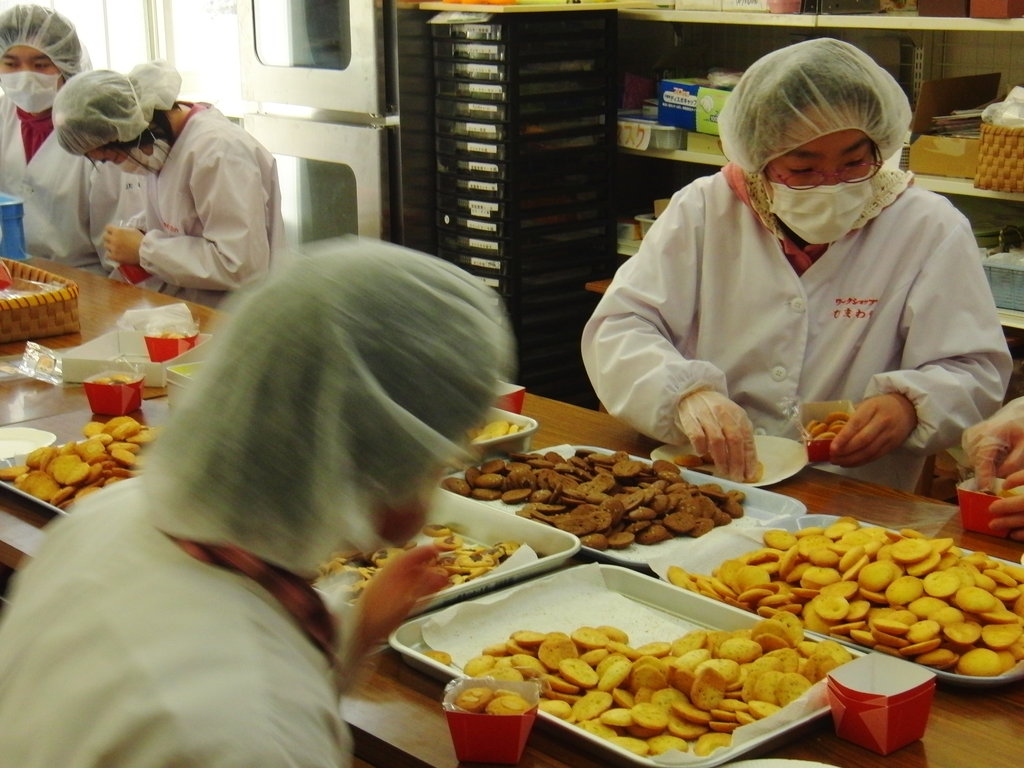
Tokushima ramen, Oden, Beef stew, Yakisoba (Fried noodles), Fried chicken, Vegetable sticks, Chukadon (Chinese-style stir-fried meat and vegetables on rice), Beef steak, Onion soup, Tuna sashimi on rice, Chanko-nabe (hot pot), Apple pie, Onion sauté, Minestrone, Ground chicken with egg and vegetables on rice, Fish miso soup, Hijiki seaweed mix, Fried sweet potato, Cabbage rolls, Mixed bean-curd lees and vegetables, Autumn rice, Pork miso soup, Stewed fish, Cabbage and spinach side dishes, Somen noodles, Minced fish soup, Hand-made sweet potato pies, Hand-made langue du chats, Samgyetang (Korean chicken ginseng soup), Yakitori (grilled chicken), Miso soup with tofu and shimeji mushrooms, Stewed meat and potatoes, Boiled komatsuna (Japanese mustard spinach), Pasta with meat sauce, Potato salad, Miso soup with Chinese cabbage and shiitake mushrooms, Boiled field mustard, Inarizushi (fried tofu stuffed with vinegared rice), Cooked radish and minced meat, Kashiwa mochi (rice cake wrapped in oak leaf), Fried whitefish, Miso soup with radish, Root salad, Fruit Jell-O, Udon noodles, Almond Jell-O, Stir-fried meat with vegetables, Gyoza (Chinese dumplings), Borscht, Miso soup with clams, Marinated octopus, Miso soup with cabbage and Japanese mustard spinach, Squid with wasabi, Seafood curry and rice (with scallops, clams and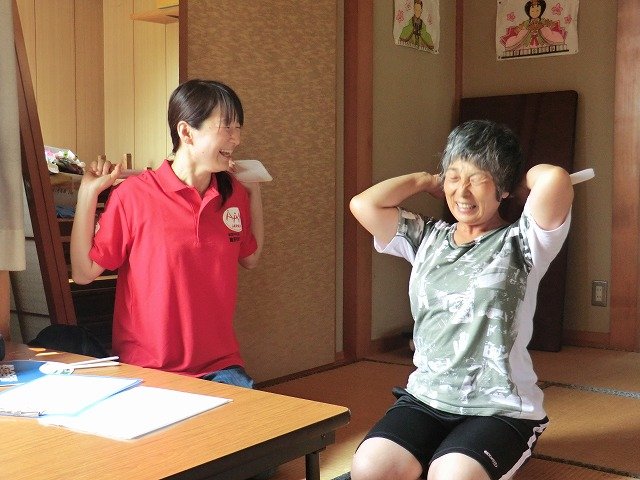
By Daigo TAKAGI | AAR JAPAN, Tokyo HQ
By Haruka Hinosugi, AAR JAPAN | Morioka Office
Project reports on GlobalGiving are posted directly to globalgiving.org by Project Leaders as they are completed, generally every 3-4 months. To protect the integrity of these documents, GlobalGiving does not alter them; therefore you may find some language or formatting issues.
If you donate to this project or have donated to this project, you can receive an email when this project posts a report. You can also subscribe for reports without donating.