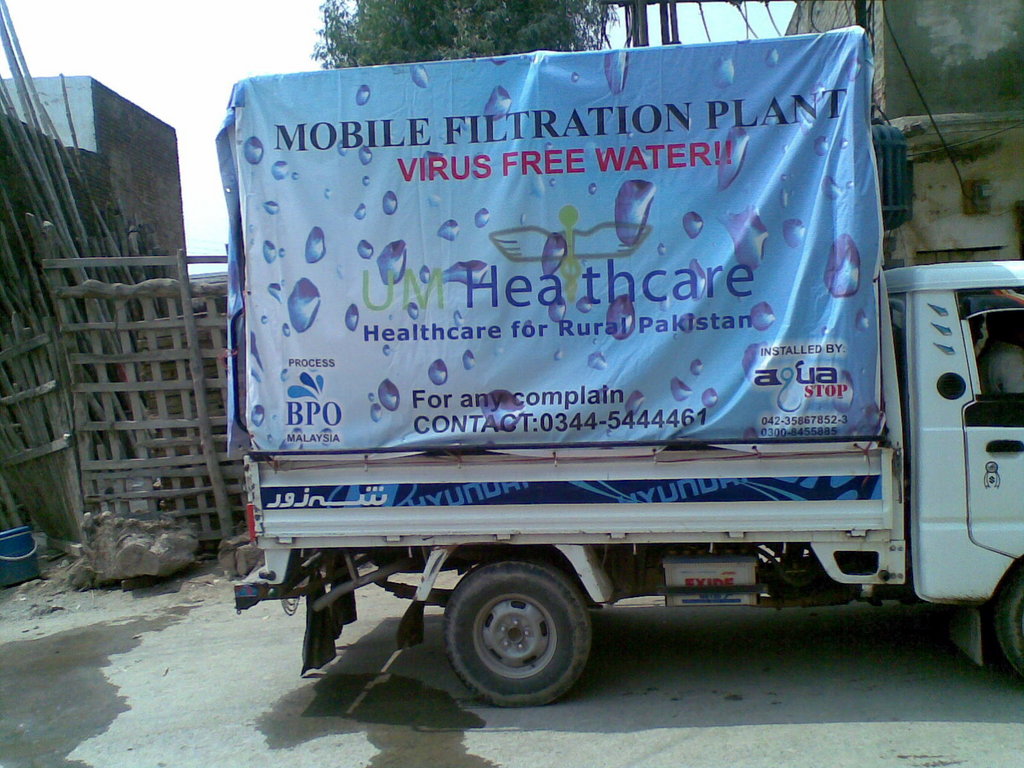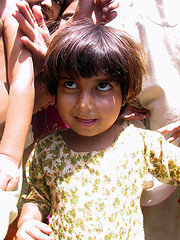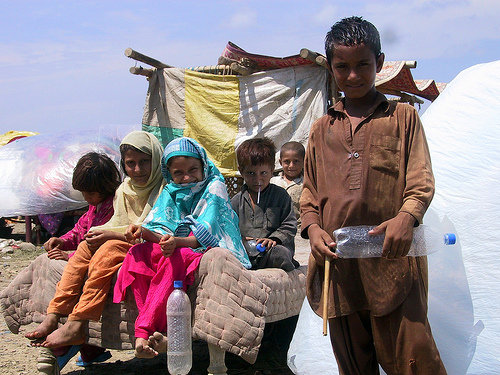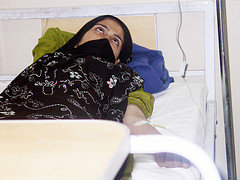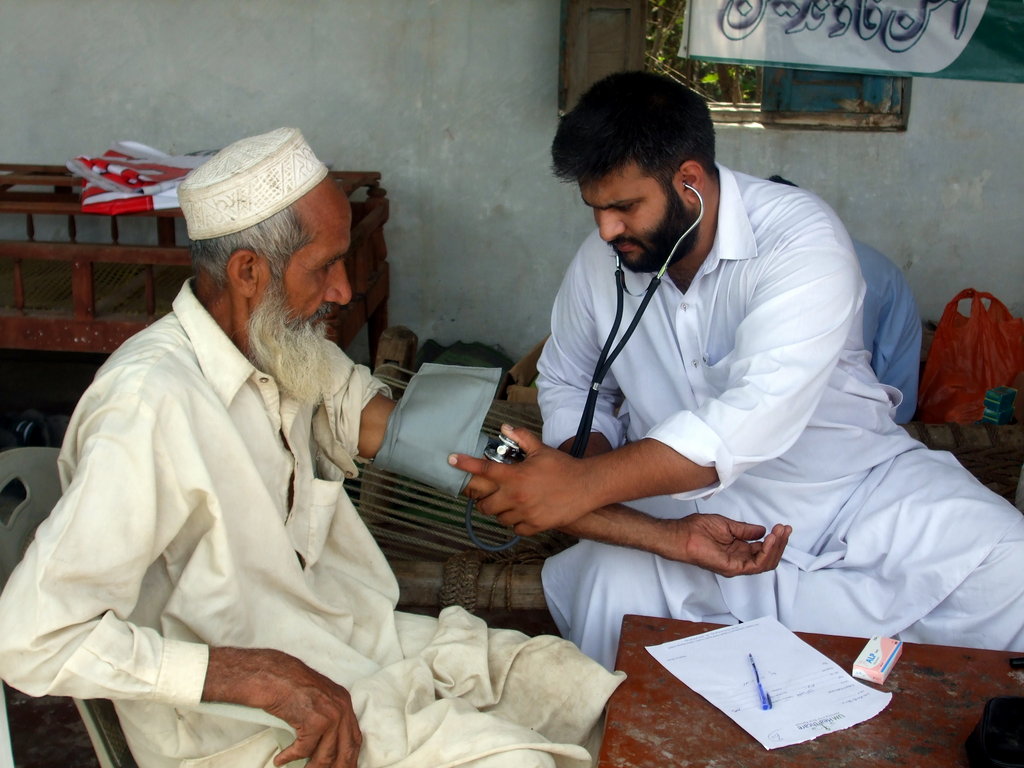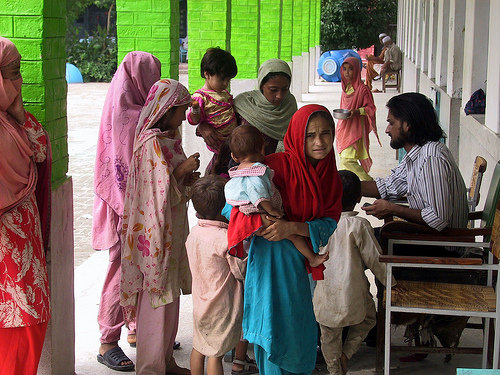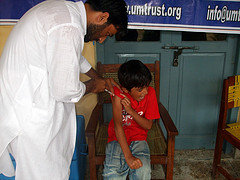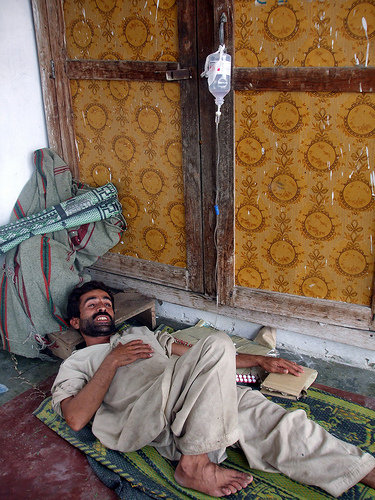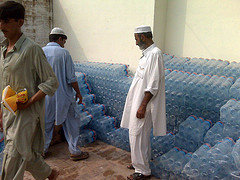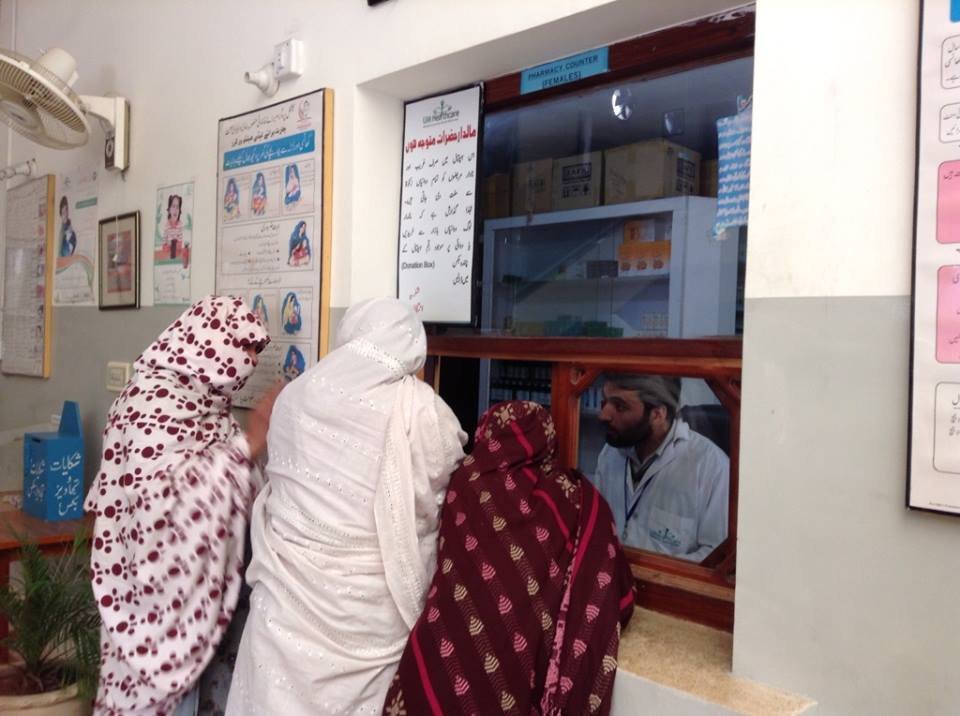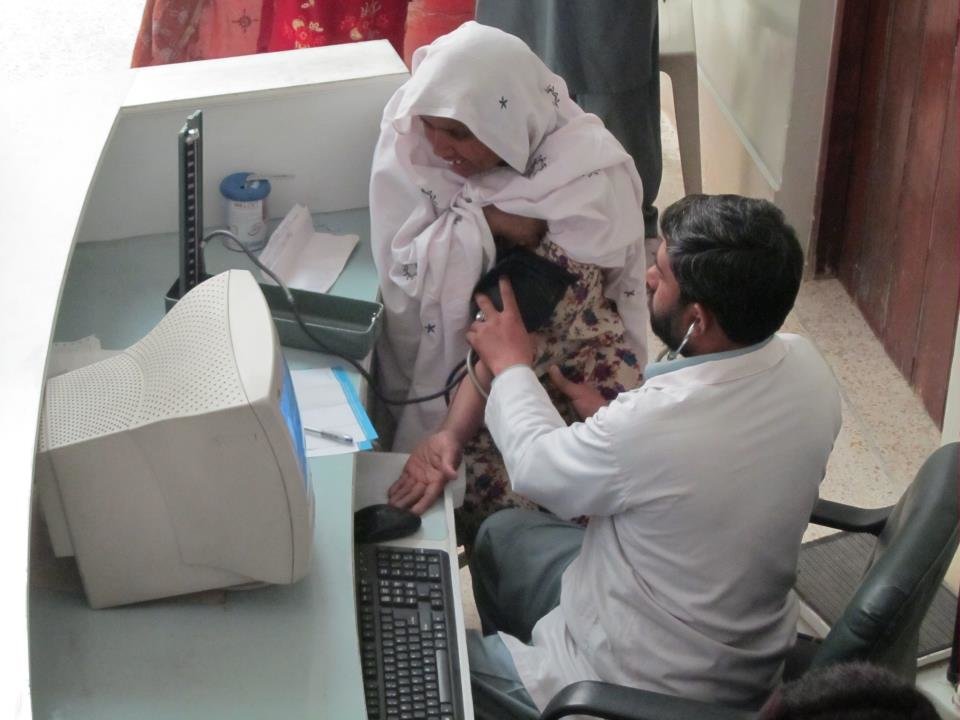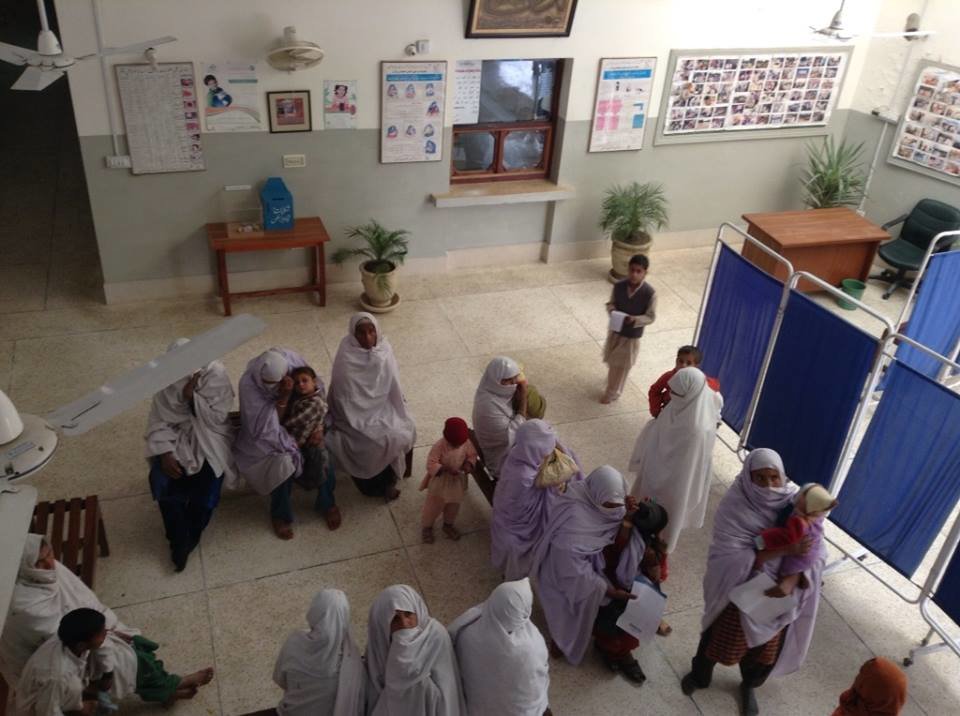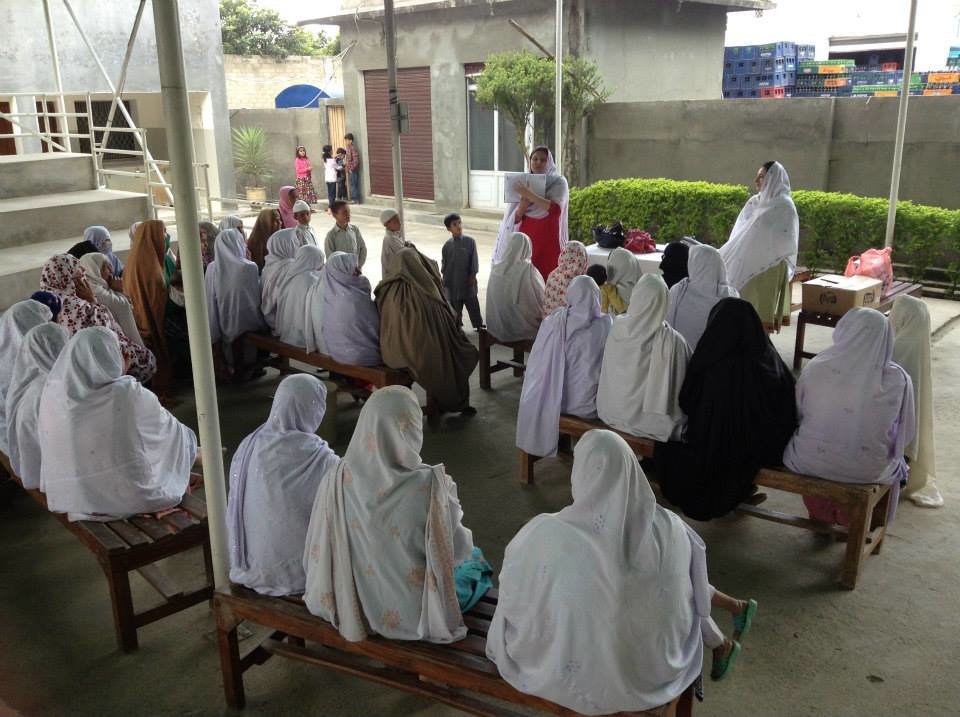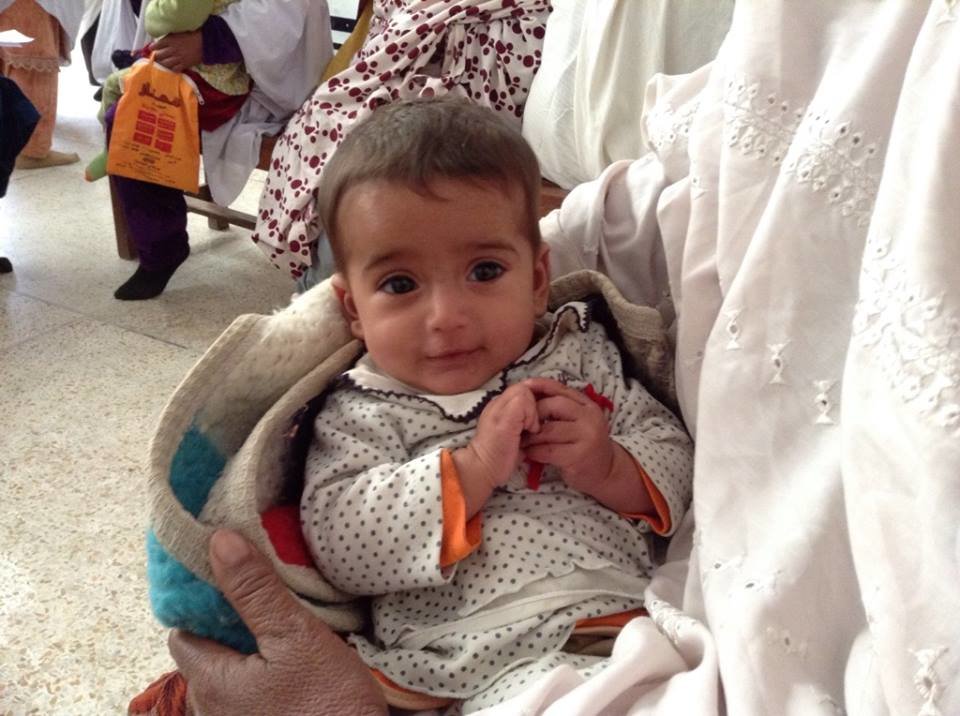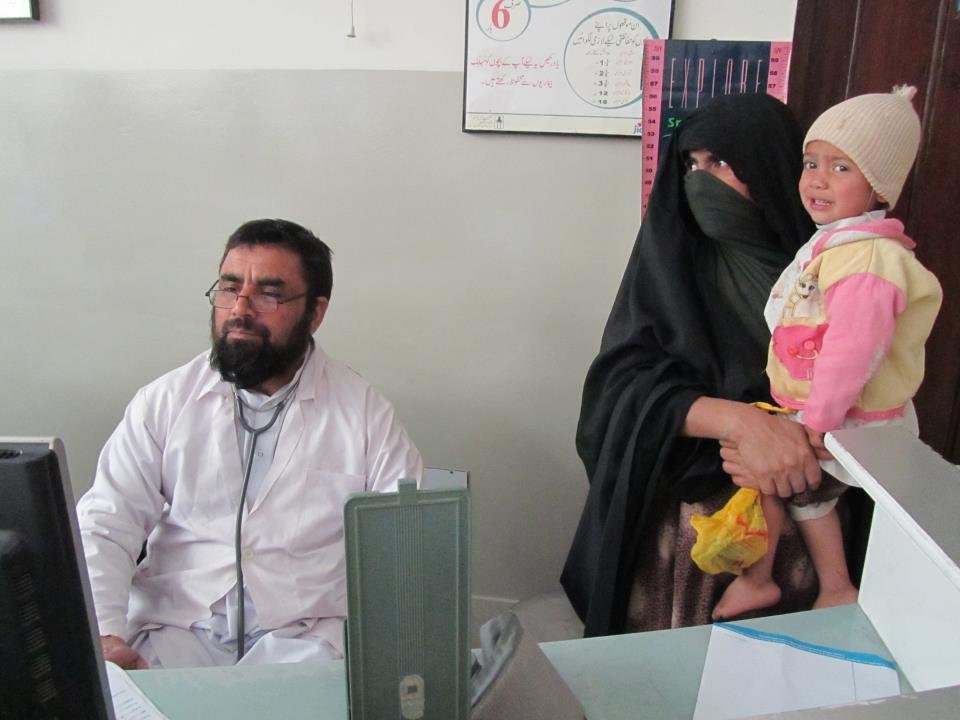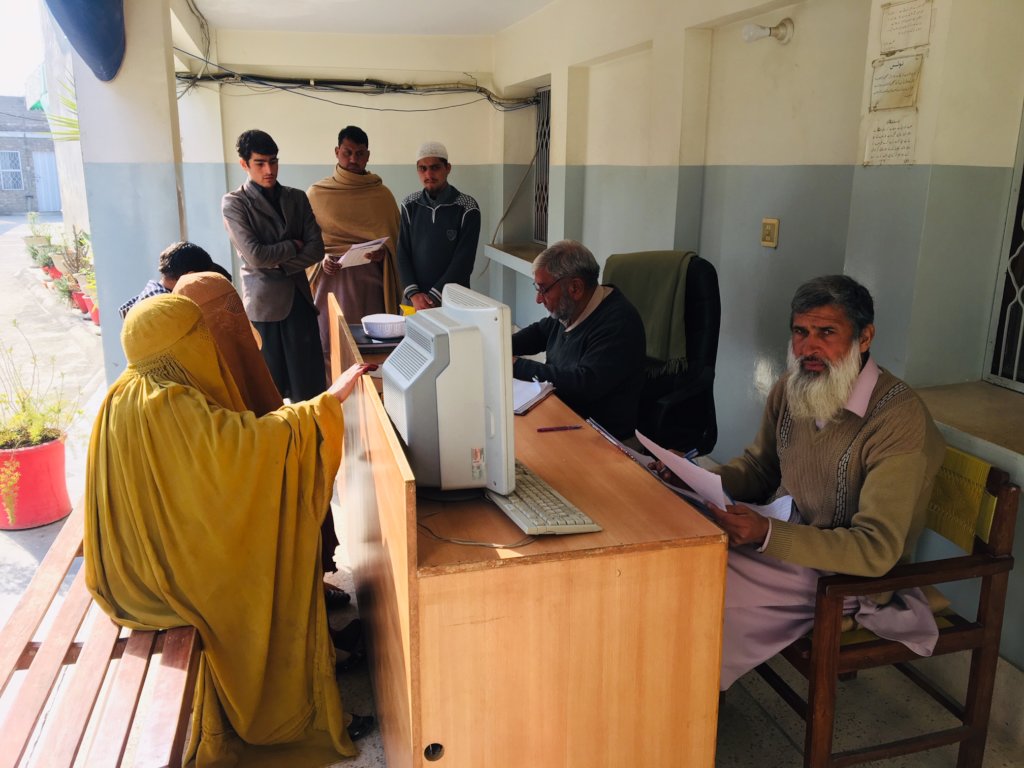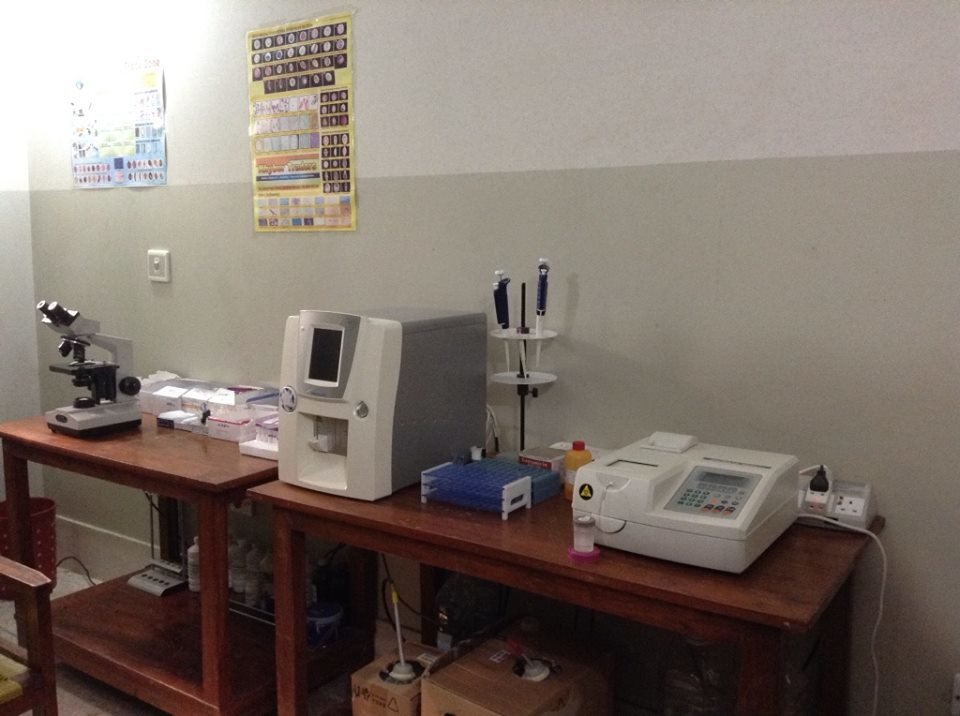
This report is an update on the activities of UM Healthcare Trust for the year 2012 in rural Mardan. The organization continued to provide quality rural healthcare services to poor and needy. We touched the lives of nearly 20,000 people, majority of which were mother and children (80%).
UM Healthcare Trust currently treats on average 100 patients a day. We charge a small fee PKR 50 Rupees (US$ .50 cents) per patient as transaction fee. We also charge PKR 100 Rupees (US$1.0) for medical laboratory tests. These transactions do not cover the total expense incurred against the treatment of the patient but it does provide a deterrent to not abuse the system and also generates vital revenues for us.
UM Healthcare Trust was successful in raising PKR 4Million rupees as donations from individual donors form around the world. The donations raised were not enough to cover the expenses PKR 7Million rupees but it did play a vital role in helping us procure and give quality care to the poor.
Without the help of the donors, we would not have been able to achieve our noble goals. We do hope to reach out to our donors and try to raise more funds in the current fiscal year.
Patient Treatments
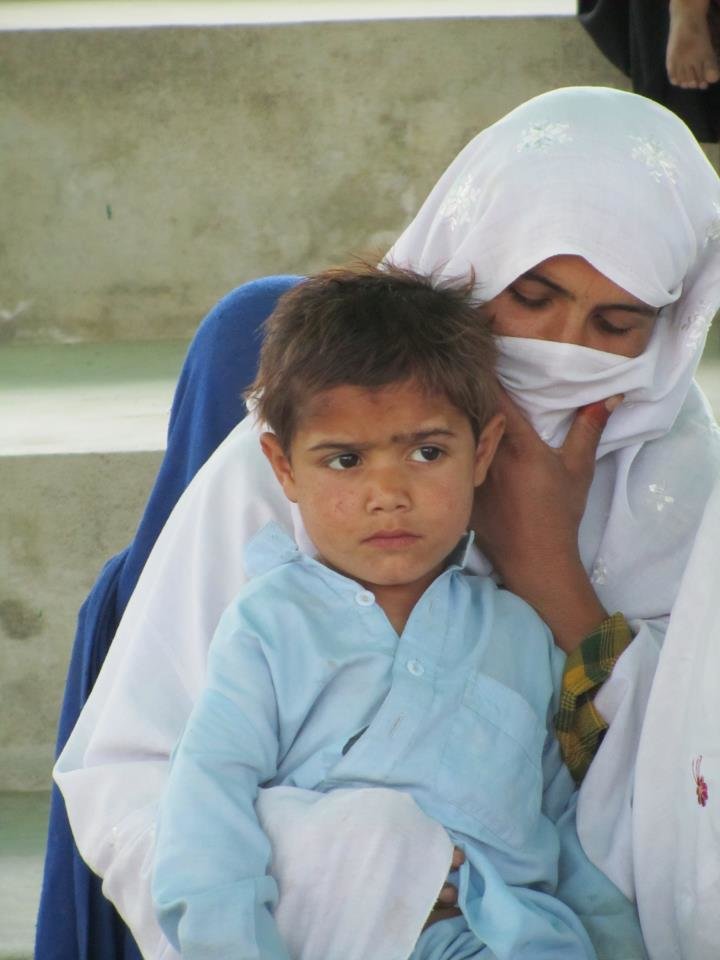
UM Healthcare treated 18,221 patients in rural Mardan. Off which a whopping 43% were female patients totaling 7,877. And another 38% were children below the age of 12 with total treatments of 6,849. The rest, i.e. 3,495 patients were male (19%) who were treated by our medical staff. UM Healthcare has been successful in getting 80% of the patients to be either women and children. Thus ensuring better health for both mother and child.
Disease Trends
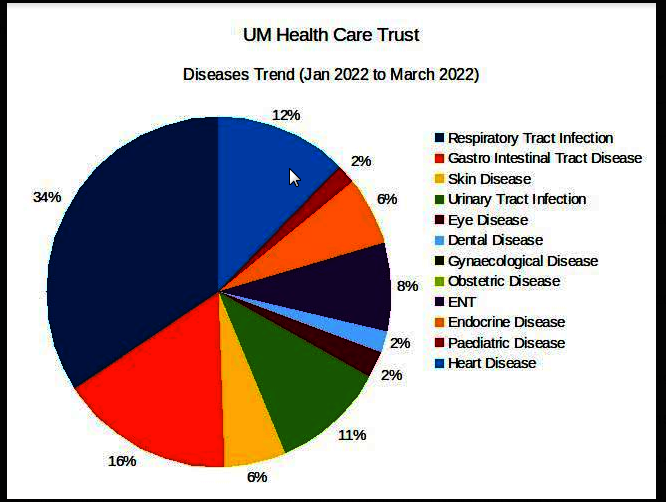
For the year 2012, UM Healthcare tracked over 47 distinct diseases for its patients. Here we share some of the top diseases that were encountered by our medical staff.
The disease trend (graph attachecd for your reference) for 2012 indicates that the top diseases ailing females included URTI/LRTI (1,004), Dyspepsia/Ulcer (1,145), and Hypertension (1043).The top diseases ailing children included URTI/LRTI (1,823),Gastroenteritis (1,674) and Skin Infections (584).The men were found to be most affected by URTI/LRTI (631), Dyspepsia/Ulcer (580) and Hypertension (471).

Links:
“The treatment of the patients and the clean atmosphere prevailing there touched me deep within.” – Muhammad Zaheer Khan (Volunteer UM Trust)
A visit to a hospital is a whole lot of experience in itself. A friend of mine when asked me to visit a hospital run by UM Trust invoked a great deal of curiosity. She then asked me for the volunteering opportunity at the hospital which I readily accepted. Reason being, the hospital was in a rural area of Mardan and the way my friend introduced the trust was worth volunteering for.The journey was long and on way we were talking about the country politics, religion and whole lot of other issues however; my host friend kept talking about UM trust and different aspects of its programmes and the hospital. This made us more inquisitive.
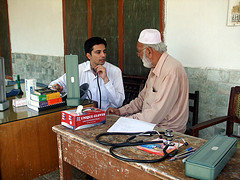
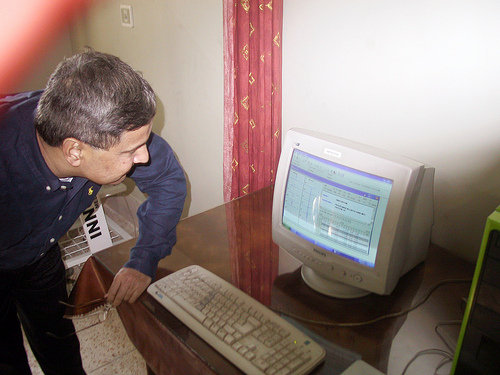
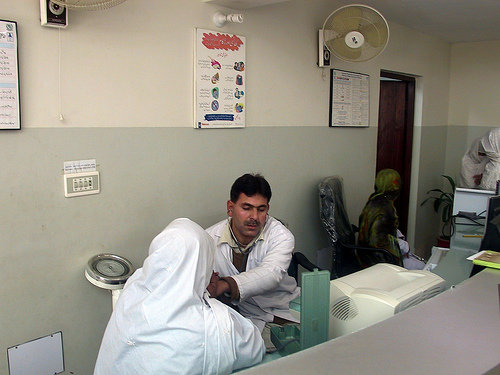
On reaching there, we were warmly welcomed by the staff and were duly introduced to the team and different facilities. I found that patients were documented in a unique way, something that is not usually practiced in Pakistan. They use Electronic Medical Records (EMR), which have a special module called SOAP. This is an acronym for Subjective, Objective, Assessment and Plan. The software development took place at National University of Sciences and Technology (NUST), Islamabad, with collaboration of students and faculty members there. Through this, a patient is first seen by nursing staff who takes notes of patient present condition, including symptoms in narrative form. The patients are then asked to give vital signs and measurements including blood pressure, weight, height etc. This is termed as Objective analysis. A physician then sees the patient and does medical diagnosis called Analysis. He then gives medication, referrals, or further labs. This is referred to as Plan. All this data is saved through the software. The patients’ record can be shared online with volunteer physicians in other cities of Pakistan and abroad.
As a whole, the entire hospital presented a very bright look. The treatment of the patients and the clean atmosphere prevailing there touched me deep within. The behavior of doctor and nurses was worthy of commendations. They acted most wisely and ably in handling problems of the patients. When I came out of hospital, I realized that there is a whole lot of difference in the atmosphere that prevails inside and outside the hospital.
I am glad for using this volunteering opportunity and wish such practices are emulated throughout Pakistan.
Article by Muhammad Zaheer Khan- Volunteer UM Healthcare Trust
Links:
UM Healthcare Trust continues its efforts to treat the under-privileges in the best possible ways. We not only treat patients at the facility but also refer them to the specialists in the cities when required.

A three years old, Zeeshan was presented at UM Healthcare Hospital with sensitivity to light cloudy look of eyes and eyes look larger than normal (enlarge eye ball). Parents of patient were counseled and were immediately referred to qualified pediatric ophthalmologist. Ophthalmologist labeled the patient congenital hereditary dystrophy with Congenital glaucoma.It is characterized by improper development of eye drainage channels which leads to increase in intraoccular pressure. Due to increase introccular pressure the optic nerve damage. In 75% of patients the congenital glaucoma is bilateral and found most commonly in boys.
Common Symptoms are :
Pediatric Ophthalmologist advised beta blocker & carbonic anhydrase inhibitors among other medicines which are regularly provided free by UM Healthcare Hospital on monthly bases. With the coordination of UM Trust, an appointment for the patient surgery is setup with Lakson Medical Complex (Eye Hospital). We wish Zeeshan a quick recovery.
Links:
![]()
Newsletter May 2012
![]()
“ Approximately 25% of the total patients at UM Healthcare Trust are Hepatitis patients” – Dr.Qasim
Viral Hepatitis is a serious global concern and one of the major challenges towards achieving the health, related United Nations Millennium Development Goals. It is leading to a significant increase in mortality rate worldwide. Pakistan has hepatitis as one of the ten communicable diseases. The WHO places over 15 million carriers of the virus in the country. The calculated cost of treating all carriers in Pakistan is well in excess of PKR 250 billion (WHO). In terms of mortality and cost, it is expected to dramatically increase over the next decade.
There are over 12 million carriers of Hepatitis virus in Pakistan as estimated by World Health Organization. This number is rising fast due to its unchecked spread in rural communities. There exist five type of hepatitis i.e A, B, C, D and E and of them, B and C are the leading cause of liver cancer. A total of 7.4 per cent of population is infected with hepatitis of which 2.6 per cent are infected with hepatitis B while 4.7 per cent with hepatitis C.
The Hepatitis virus is caused by many factors including, but not limited to, person-to-person (fecal-oral), exposure to infective bodily fluids (blood, saliva, semen etc), and waterborne diseases. In rural Pakistan the tap water is still not prevalent and villagers still drink straight out of a well. At the same time, due to lack of central sewerage system in rural communities, the waste is stored in another well not far from the drinking water well. With such wells multiplied over thousands in rural communities, the problem of sewerage waste mixing with untreated drinking water rises and thus causes acute crisis and spread of Viral Hepatitis and other waterborne diseases in rural communities.
Although millions of Pakistanis are infected with the Hepatitis virus, there is a surprising dearth of information about its prevalence. Policymakers and health providers at the global, national and community level need accurate and timely data in order to gauge the effectiveness of existing policies and programs as well as to shape new ones.
Warm Welcome to Dr. Salman Khan
We are pleased to announce that , Dr.Salman Khan, has joined us to serve as a Medical Doctor on May 14th 2012. He has done his MBBS from Khyber Medical College, Peshawar, in 2009. We look forward to support to Mr. Salman Khan in his current assignment and wish him a happy association with the UM Healthcare Trust.
Links:
Few days back I read a blog at UM Healthcare website, “UM Saves life of expecting mother and her baby”, and it really touched me as it is similar to what my family had experienced a year back when trying to save the life of my father.
How can I just forget that tragic day when my father became the victim of inefficient and disorganized healthcare system in the country? I along with my parents was visiting our family friends in another city. On our way (Upon reaching Jehlum, GT Road) my father suffered a massive heart attack. He was feeling pain in his legs and lower back. Since it was daytime, around 1:20 pm and we were in city, we were optimistic that we will be able to acquire good emergency medial care but It turned out that WE WERE COMPLETELY WRONG.
First, we went to a medical hospital, which apparently looked like an organized building with excellent facade. To my dismay, there was NO medical setup to tackle emergency cases. To make it worst not even a single staff personnel was present at the information/registration counter. After running around finding the staff member and nearly begging in front of them for help, I managed to arrange a bed for my father and after which he was given few injections and medicines. His condition kept deteriorating and the pain seemed not to subside. No doctor was available let alone cardiologist. We decide to arrange an ambulance to shift him to civil hospital, which proved to be even the bigger challenge. Just to hire a single ambulance, we had to rush to get the reference of local political person. No one bothered to care about the immense pain and tension we were going through. This took us about an hour to sort the issue and to get an ill-equipped ambulance. << read more>>
Links:
Project Reports on GlobalGiving are posted directly to globalgiving.org by Project Leaders as they are completed, generally every 3-4 months. To protect the integrity of these documents, GlobalGiving does not alter them; therefore you may find some language or formatting issues.
If you donate to this project or have donated to this project, you will get an e-mail when this project posts a report. You can also subscribe for reports via e-mail without donating or by subscribing to this project's RSS feed.