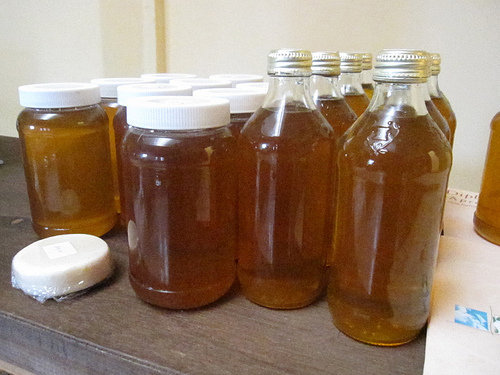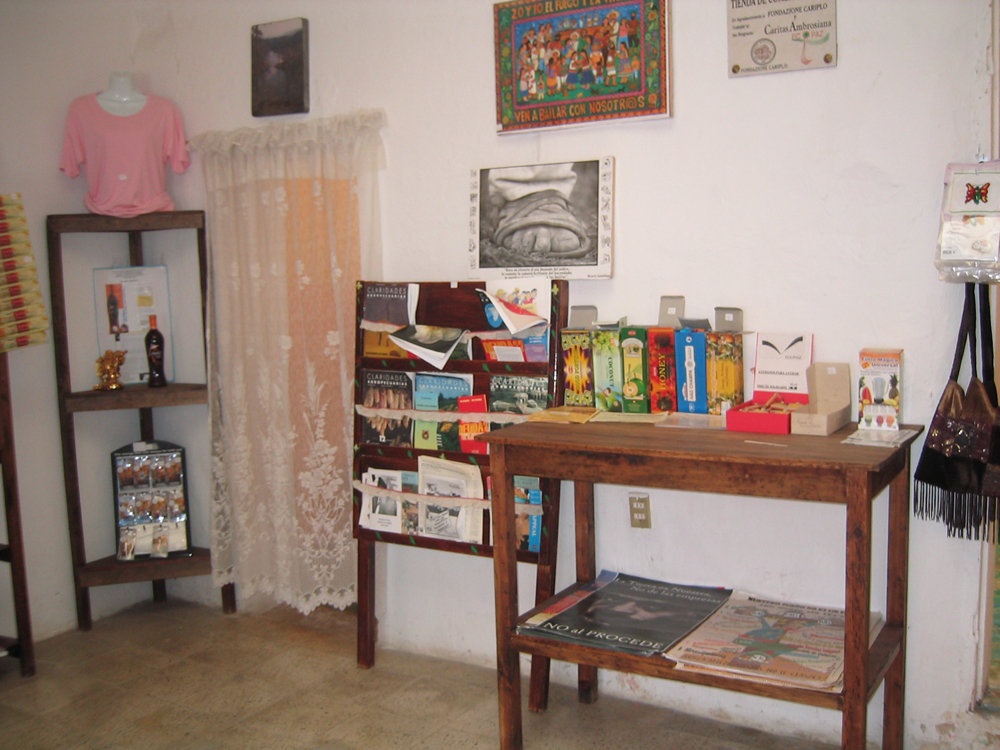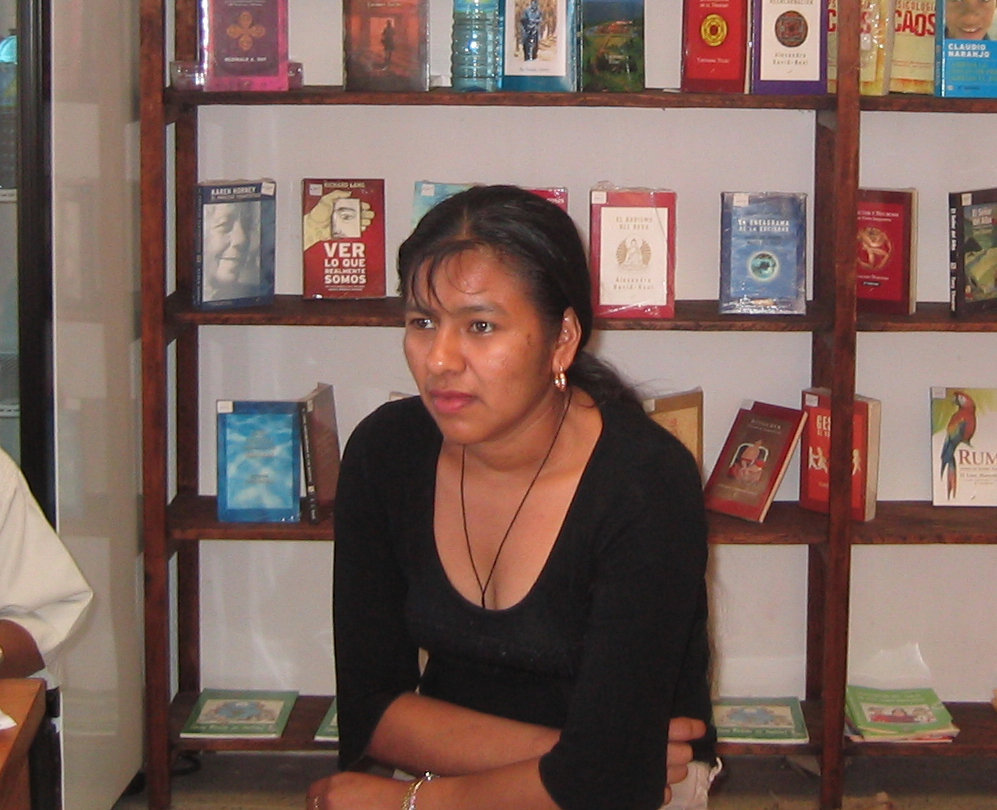
EduPaz will train Mayan farming communities in sustainable agriculture and green technologies –including workshops and a hands-on demonstration center - to improve their livelihoods and land.
For poor, indigenous families in rural Chiapas, there is a need to develop income while sustainably managing their water and land, which has been degraded over the years. The biggest hurdle? Access to education and resources. EduPaz will work with 61 families to address both food security and environmental challenges through practical solutions - sustainable agriculture, animal husbandry, renewable energy and rainwater harvesting- that are “owned” and managed by the local communities themselves.
The eco-demonstration site will provide hands-on training on organic agriculture and low-cost, green solutions that help families and conserve the environment. Small loans for womens’ groups will lead to sustainable ways to earn income.
Underserved indigenous communities will increase their ability to manage their land and natural resources. This will result in less need to cut down trees for fuel, better nutrition for families, and reduction in smoke inhalation and disease.
This project has provided additional documentation in a Microsoft Word file (projdoc.doc).