By Chris Wade | Project Manager, Cheetah Conservation Fund
The first thing I noticed was how quiet they were.
It was early 2020, and I had come to Somaliland as a short-term volunteer. A few weeks to help where I could, then back to whatever came next. I had worked in wildlife before, with anti-poaching teams in Zambia, and spent time in Namibia and Uganda. I thought I understood what field conservation looked like.
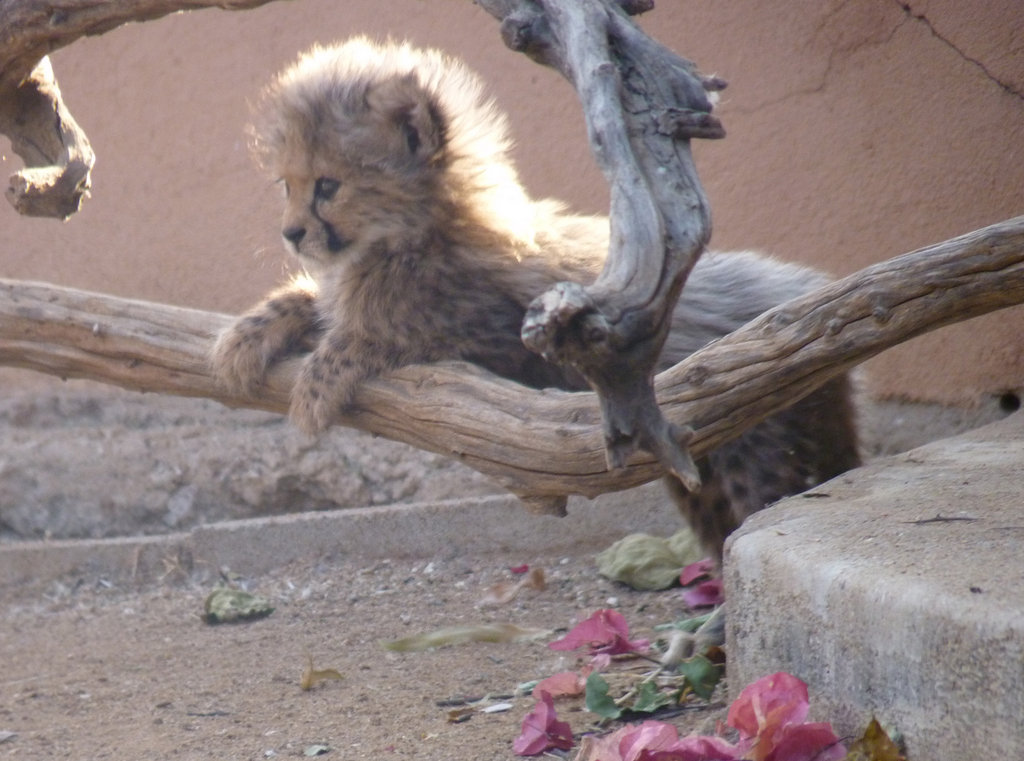
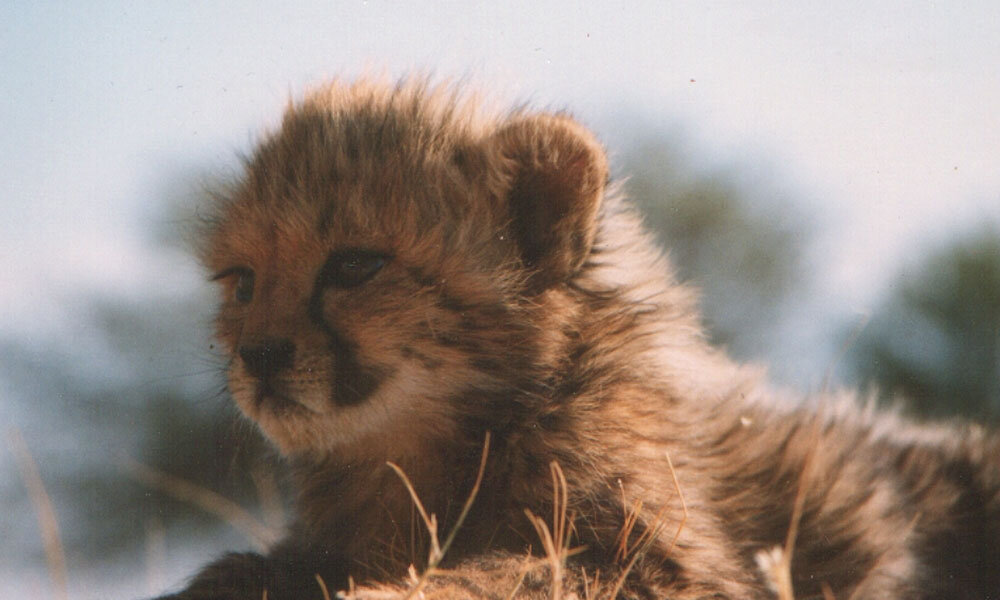
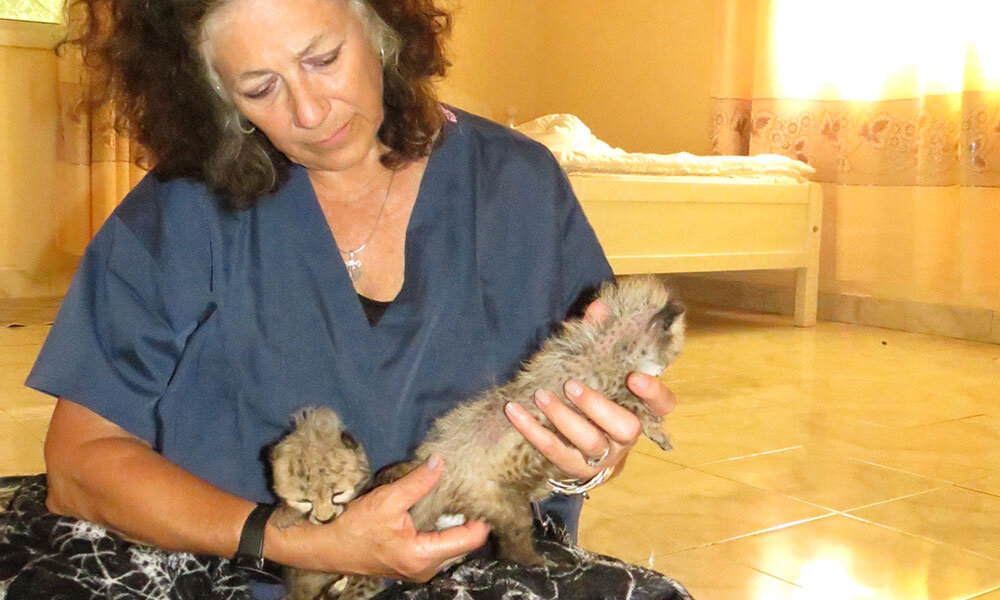
Then I met the 35 cheetahs, all confiscated from the illegal wildlife trade by Somaliland’s government authorities before they could be smuggled out of the Horn of Africa and sold as exotic pets. They were being cared for in temporary safe houses in Hargeisa by a team that was doing serious, committed work. But the safe houses had been set up as interim solutions, and the number of animals coming in had long outgrown what those facilities were designed for. CCF had been responding to the trafficking crisis in this region since 2011, and in the early years more than half of confiscated cubs did not survive. The team I met had learned from that history and was keeping animals alive, but what they needed was infrastructure to match the scale of the problem.
That infrastructure did not exist yet. But the donors and supporters who would help make it possible were already there, funding the veterinary supplies, the staff, and the emergency care that kept those 35 cubs alive. I did not know it then, but that visit would change the course of my life COVID ended my first visit early. But I could not shake what I had seen. In 2022, I came back with a small team and took on the role of Project Manager. By then there were 87 cheetahs in care across three safe houses in Hargeisa. The team had done remarkable work to keep those animals healthy, but every new confiscation put more pressure on infrastructure that was never meant to be permanent. The need for a purpose-built facility had moved from urgent to unavoidable.
And new confiscations kept coming. Since 2016, when Somaliland strengthened its wildlife protection laws and made the capture and export of cheetahs a criminal offence, enforcement had been growing steadily. More cubs were being intercepted, smugglers were being arrested, some were receiving prison sentences. That was progress. But each rescued animal needed space and long-term care, and we were reaching the limits of what temporary facilities could provide.
Building a Future for Cheetahs
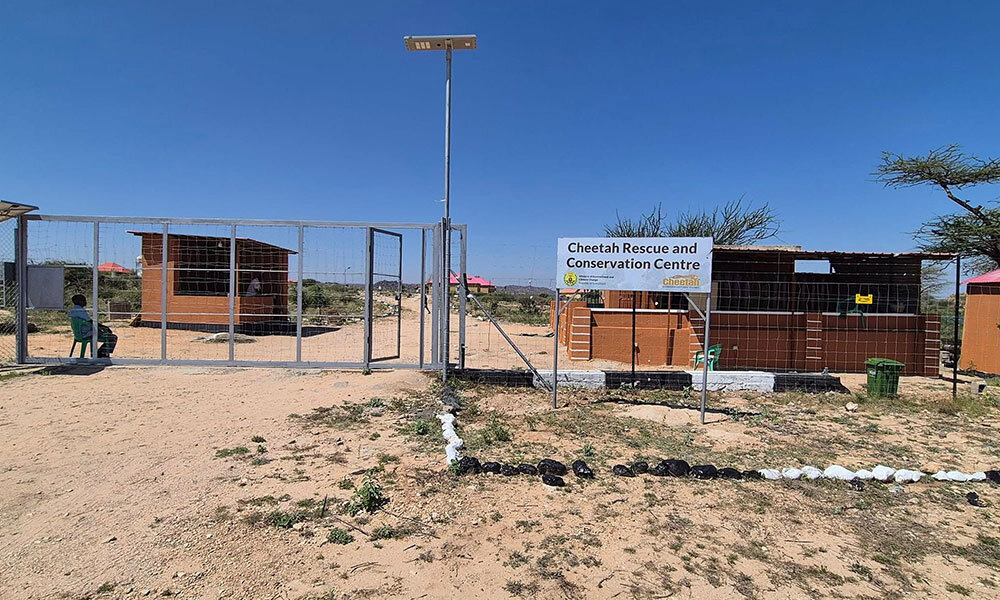
Creating the Cheetah Rescue and Conservation Centre (CRCC) was not a single event. It was years of planning, fundraising, negotiation, and construction, carried out alongside the daily demands of keeping dozens of animals alive. The site at Geed-Deeble was identified and secured in partnership with the Somaliland Ministry of Environment and Climate Change (MoECC). Enclosures had to be designed and built across 800 hectares of arid terrain. Veterinary facilities, feed infrastructure, water systems, staff housing, access roads, all of it had to be planned from the ground up, in a region with limited supply chains, while simultaneously managing full-capacity safe houses back in Hargeisa.
None of it would have happened without donor support. Every stage of that process, from the earliest site surveys through to the final enclosure fencing, was funded by people around the world who believed this centre needed to exist.
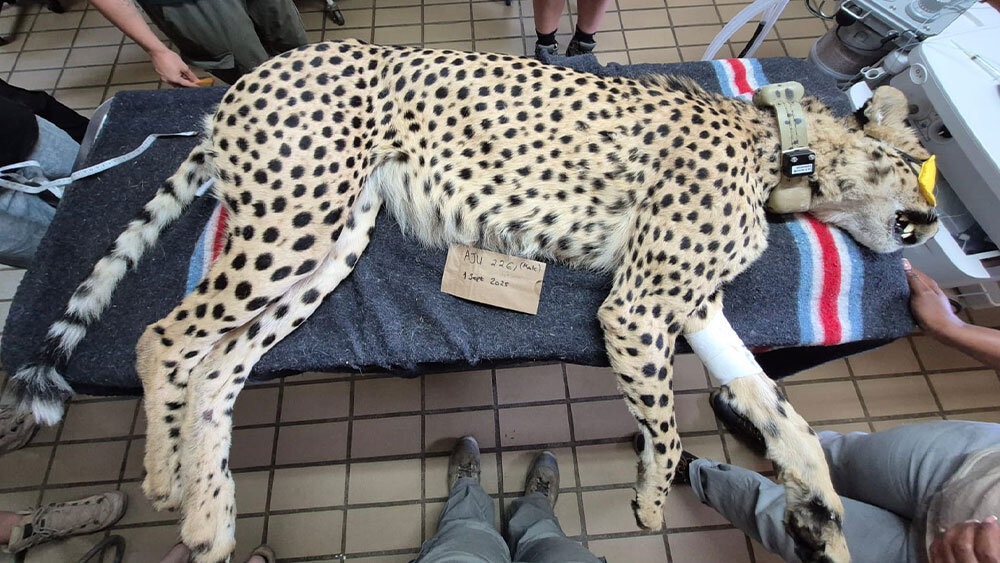
In mid-2023, we were ready. We moved 89 cheetahs, along with one caracal and one leopard, from the safe houses in Hargeisa to the CRCC. It was the largest single translocation of rescued cheetahs ever carried out. It took months of veterinary preparation and logistical coordination. When I watched the first groups step out into open enclosures for the first time, I will not pretend I did not feel something break loose in my chest. That moment belonged to every person who had donated, fundraised, or spread the word to make it real.
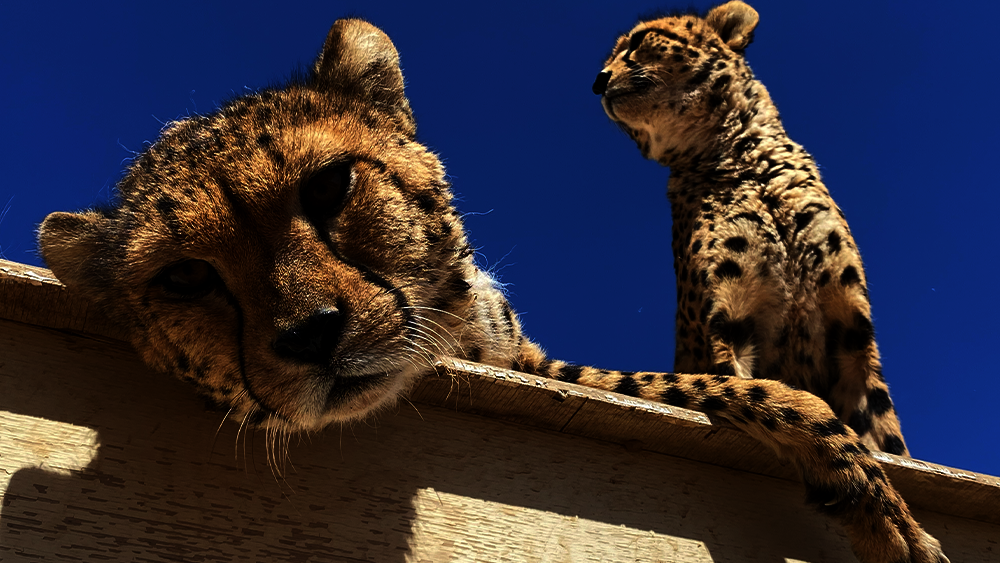
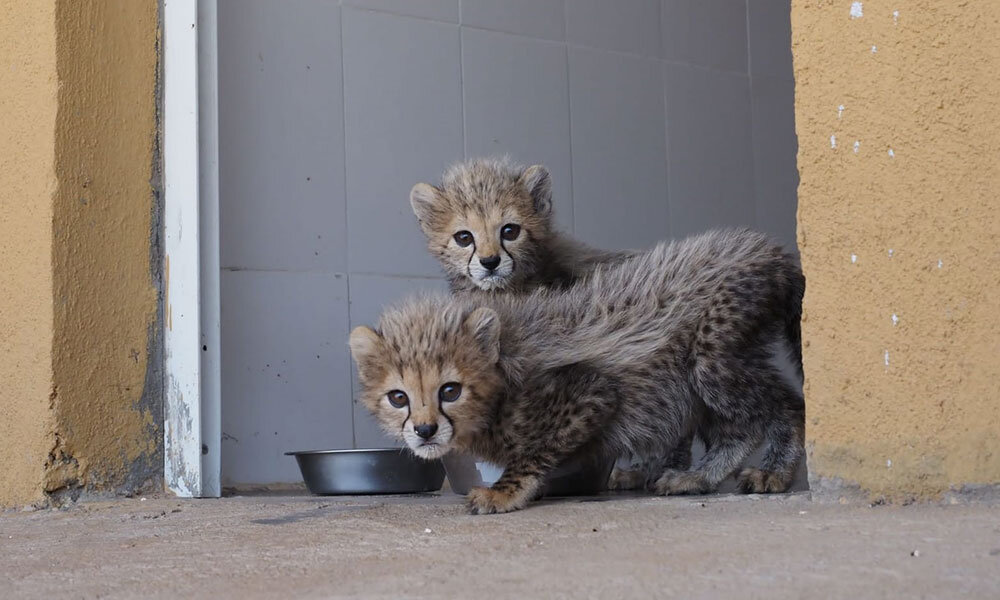
The CRCC now has 21 enclosures ranging from two to eight hectares each, built to give these animals the space and standard of care they deserve for as long as they need it. By the end of 2023 we were caring for 96 cheetahs, and newly arriving cubs were surviving at rates that would have been unimaginable a decade earlier.
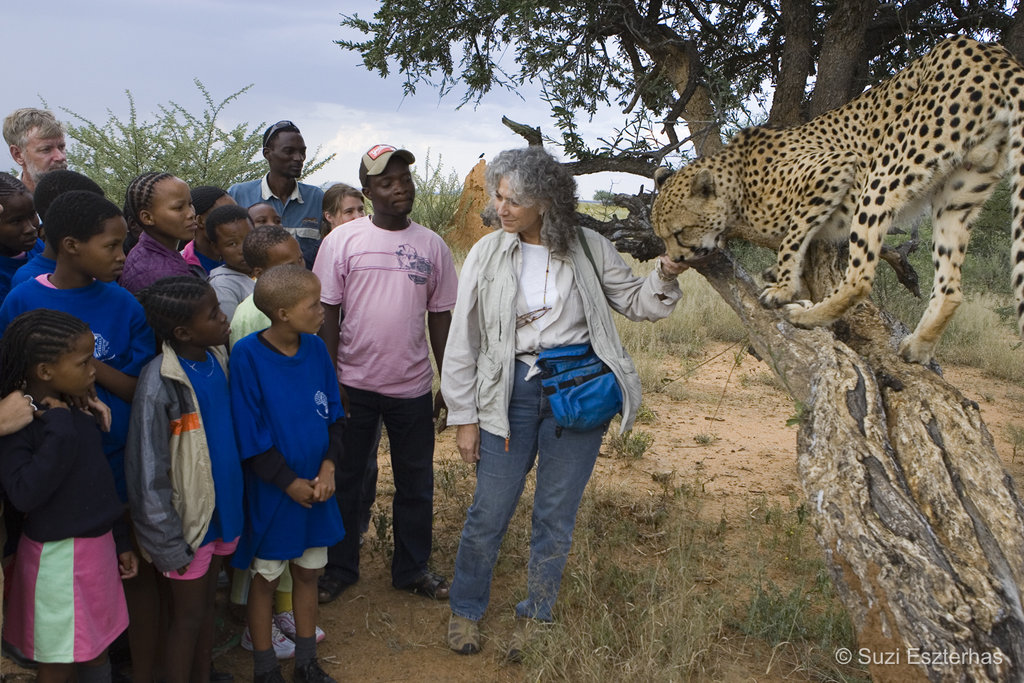
In 2025, the Education and Training Centre was completed, supported by the Royal Commission for AlUla. It is a place where rangers, veterinarians, pastoralists, and farmers come to learn the skills that keep wildlife and communities coexisting. The Taiwan Government is supporting efforts to study the wider landscape as we assess the future possibilities of cheetah releases in Somaliland.
What the numbers really mean
The population during my time here has nearly tripled. Our team has built an incredible system under Dr. Laurie Marker’s direction and their survival is a huge accomplishment. But, it’s not , in itself, something to be celebrated. Every new cheetah in our care is a cub that was taken from the wild. Every one represents a mother who lost her offspring, a population that grew a little smaller.
What the numbers do tell us, after six years of living inside them, is that the system is working. Enforcement is stronger. Veterinary care is better. In the early years of this crisis, more than half of confiscated cubs did not survive. By 2023, mortality among new arrivals had dropped to single digits. In the first half of 2025, we received ten new confiscated animals and lost only one of those cheetahs in March of this year. There are signs the tide is turning beyond our gates, too. Recent reports suggest a downward trend in new trafficking incidents. Communities are more aware. Governments across the Horn and in the Gulf States are cooperating more closely, for example the expansion of enforcement laws in the UAE in January. Smugglers are being caught and convicted.
We are building the conditions that lead to fewer confiscations over time. That is the outcome we are truly working towards.
A bridge, not a destination
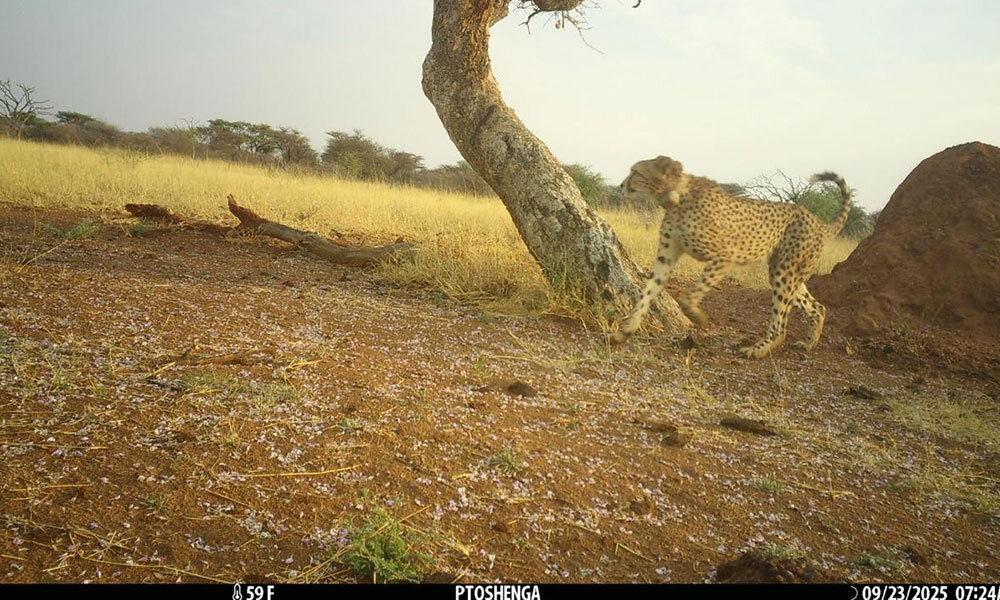
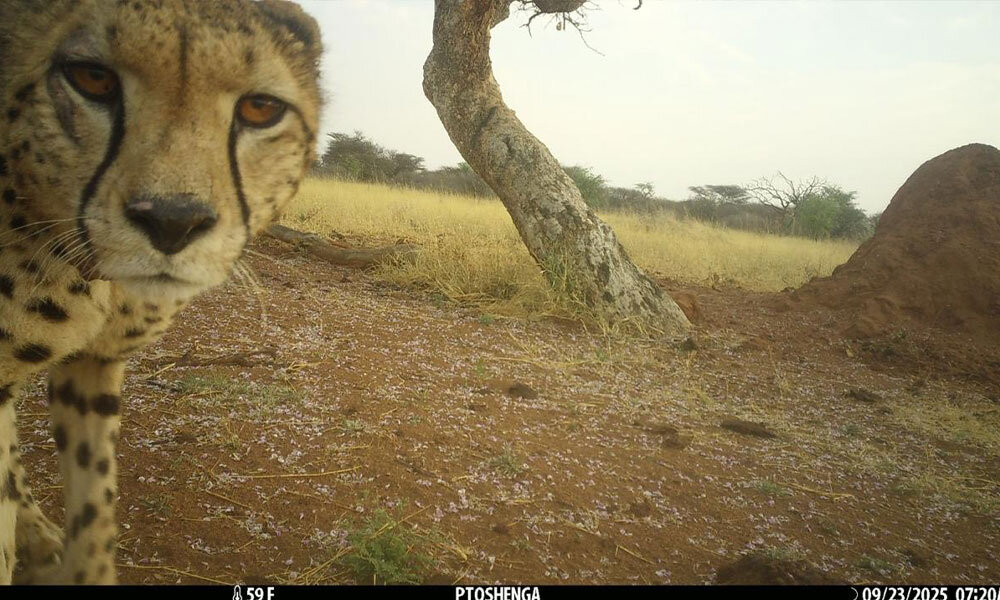
Our mission has always been saving cheetahs in the wild. The care we provide here is a bridge. It keeps animals alive, supports education and research, and buys time while we work with governments and communities to shut down the trade and protect wild habitat. Every enclosure we build, every ranger we train, every DNA sample we bank to support prosecutions, it all points in one direction: a future where facilities like ours are no longer necessary.
We do not breed cheetahs. Every animal in our care is a confiscated rescue. That makes this centre unlike any zoo or managed population programme in the world. Most accredited facilities care for a handful of cheetahs, typically three to eight. CCF is managing the largest coordinated cheetah rescue effort in the world. We care for more than a hundred, and every single one came to us because someone tried to sell it.
What I am asking
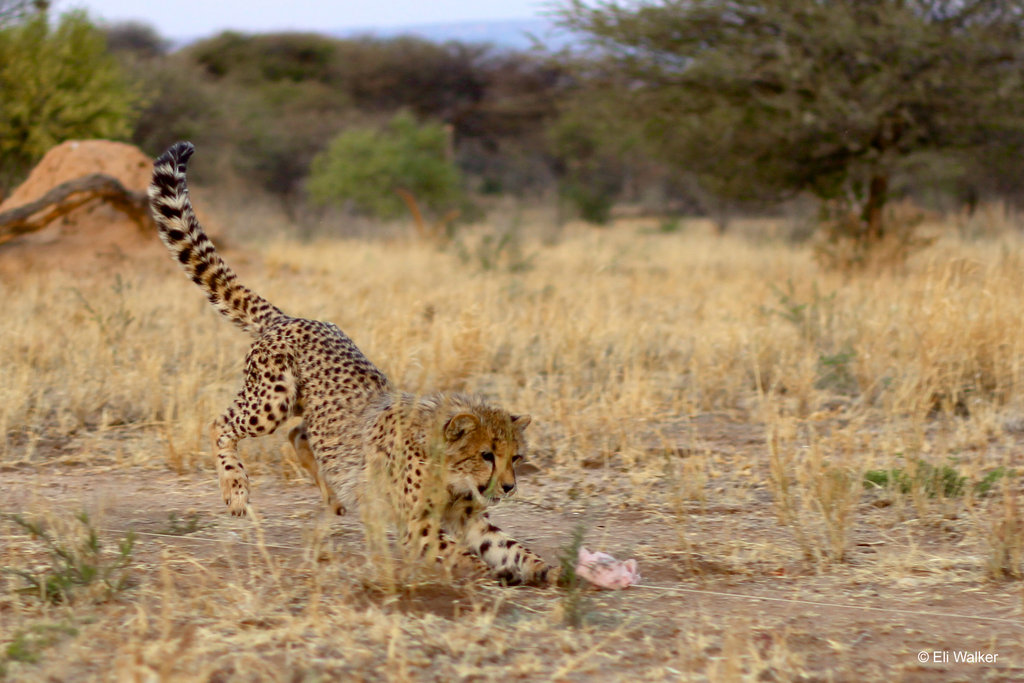
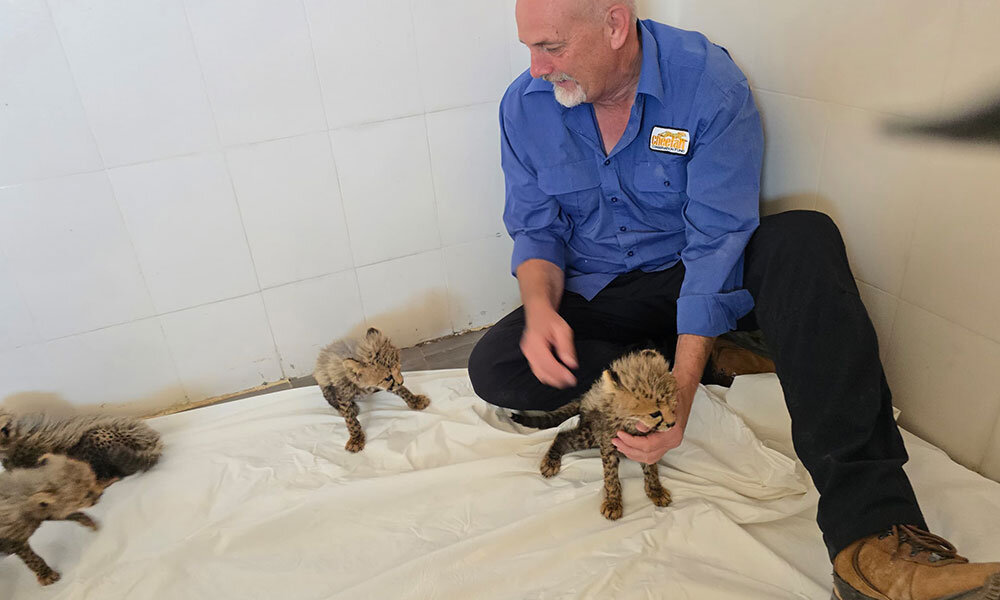
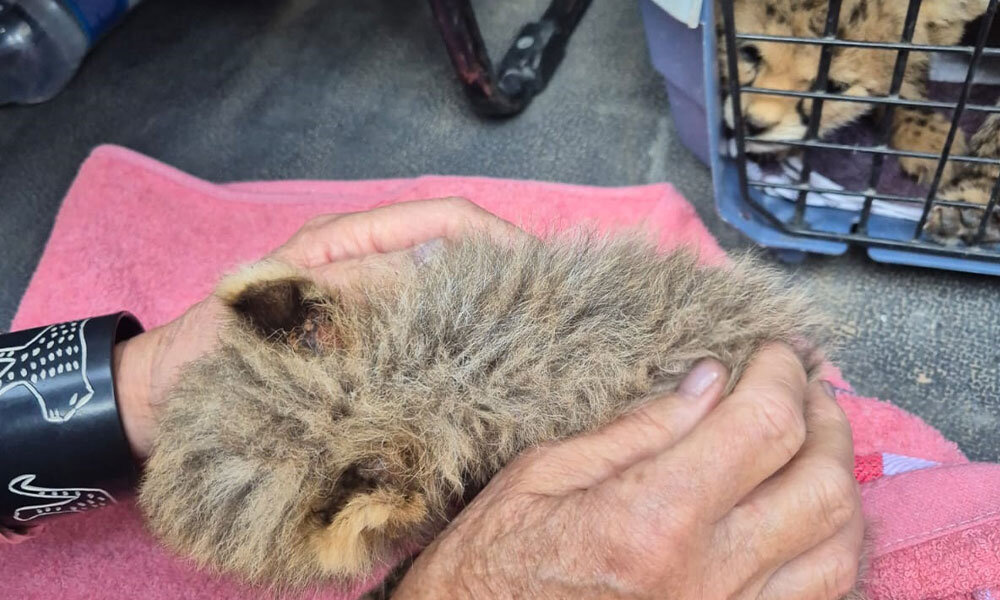
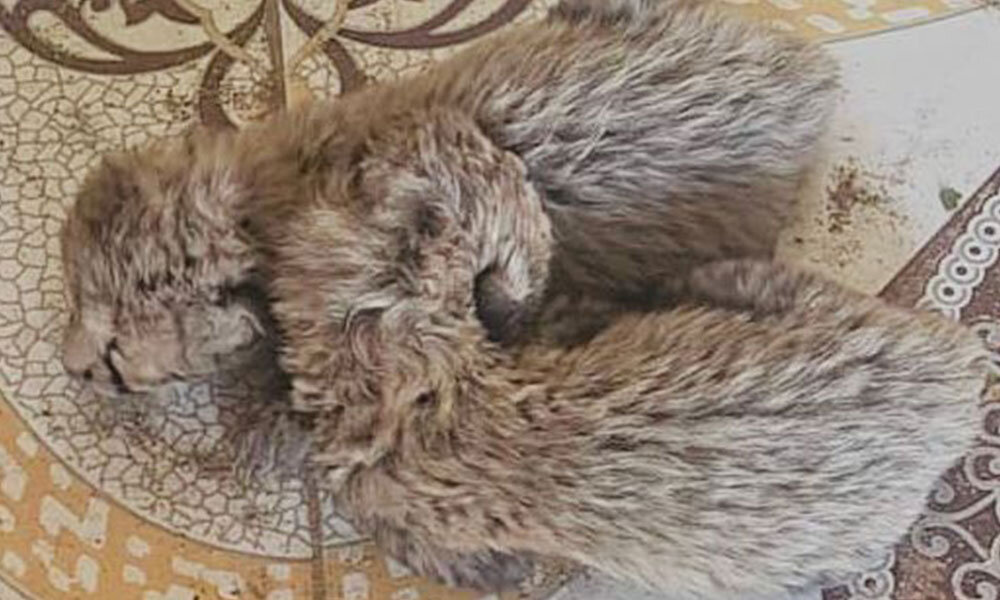
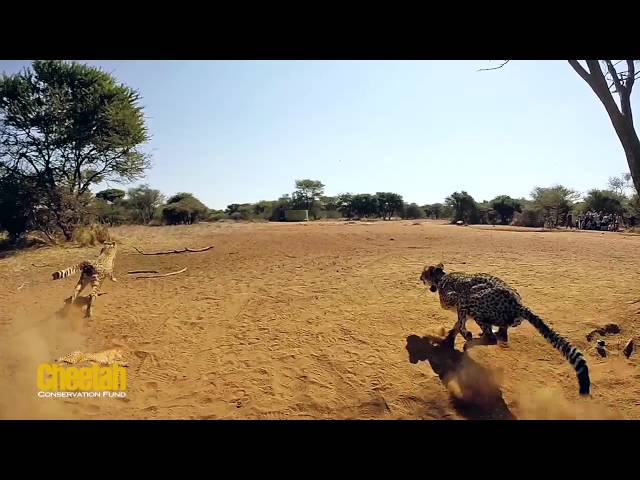
I have spent six years in the field. I have carried cubs out of cars at two in the morning. I have watched animals that arrived barely breathing grow strong enough to sprint across open savannah. I have also been there when we lost them, in the early days when we lost too many. In August 2025, when we rescued ten cubs from Sillaxley district, it was one of the most difficult days of my career, not because of what went wrong, but because of the condition those animals were in when we found them.
None of the progress I have described in this letter happened in isolation. The team on the ground did the work, but the people who funded that work made it possible. Every milestone, from the first safe house supplies to the opening of the CRCC to the completion of the Education Centre, was a shared victory between the people here and the supporters around the world who stood behind them.
We are asking you to be part of what comes next. Your support builds enclosures, funds veterinary care, trains the next generation of conservationists, and keeps more than 150 cheetahs alive while we fight to protect the ones still running wild. This is not a problem we solve once. It is a commitment we honour every day.
If you have read this far, you already care. Please make a donation today.
Links:
By Malee Oot | CCF Staff
By Dr. Laurie Marker | Founder
Project reports on GlobalGiving are posted directly to globalgiving.org by Project Leaders as they are completed, generally every 3-4 months. To protect the integrity of these documents, GlobalGiving does not alter them; therefore you may find some language or formatting issues.
If you donate to this project or have donated to this project, you can receive an email when this project posts a report. You can also subscribe for reports without donating.



Support this important cause by creating a personalized fundraising page.
Start a Fundraiser