By Helen Varma | Interim Director of Fundraising & Communications
The world is waking up to the fact that addressing the risk of disasters before they happen is the only way forward. RedR is doing this already through programmes such as its Disaster Risk Reduction (DRR) work in Pakistan.
Bushra Azad is a teacher in Muzaffrabad. She recently received RedR training in School Safety, which she has used to show her pupils how to behave in the event of an earthquake, fire or flood.
‘Now I’ve been trained, I can see it’s really good for young children to know about safety and first aid. These children can now educate their communities, and share with them the safety measures they’ve learnt. Not all parents here are literate. It is really important to teach these skills in schools. The skills will stay in the community, and help us all in the long-term.’
Simple knowledge makes all the difference in a crisis. Bushra remembers two key examples, which she is certain will stick in the children’s minds:
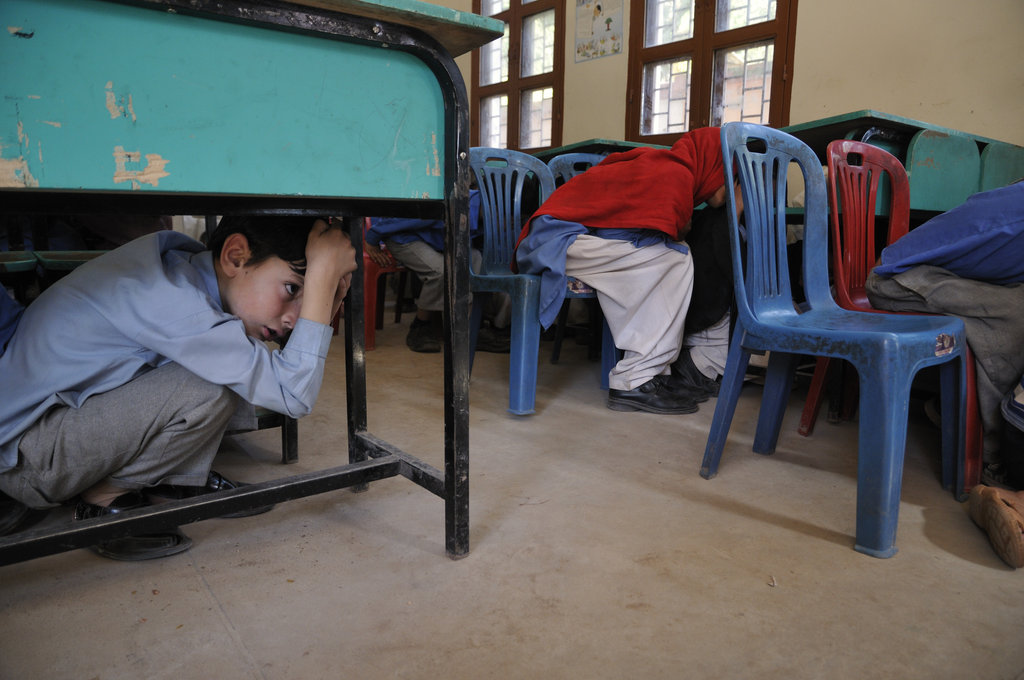
‘I taught my class to stand in the corner in the case of an earthquake, because this is the strongest part of the room, structurally. Here in the city, children must stay away from all electricity cables in the street – many people were electrocuted in the earthquake when cables fell on them.’
RedR Trainers pass on these and other nuggets of life-saving information to teachers in Kashmir, who then lead training days and drills in schools. Knowing when to adopt the brace position and how to seek cover under a desk or in an outside space means more children will survive. Schools which conduct regular evacuation drills and draw up safety plans, are immeasurably better prepared for natural disasters
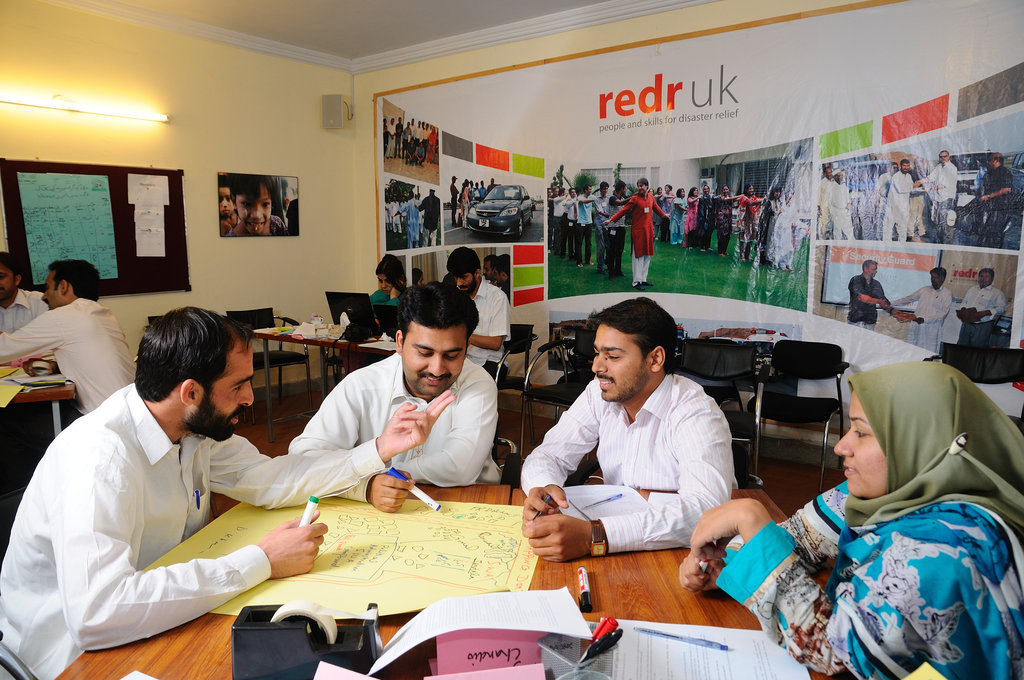
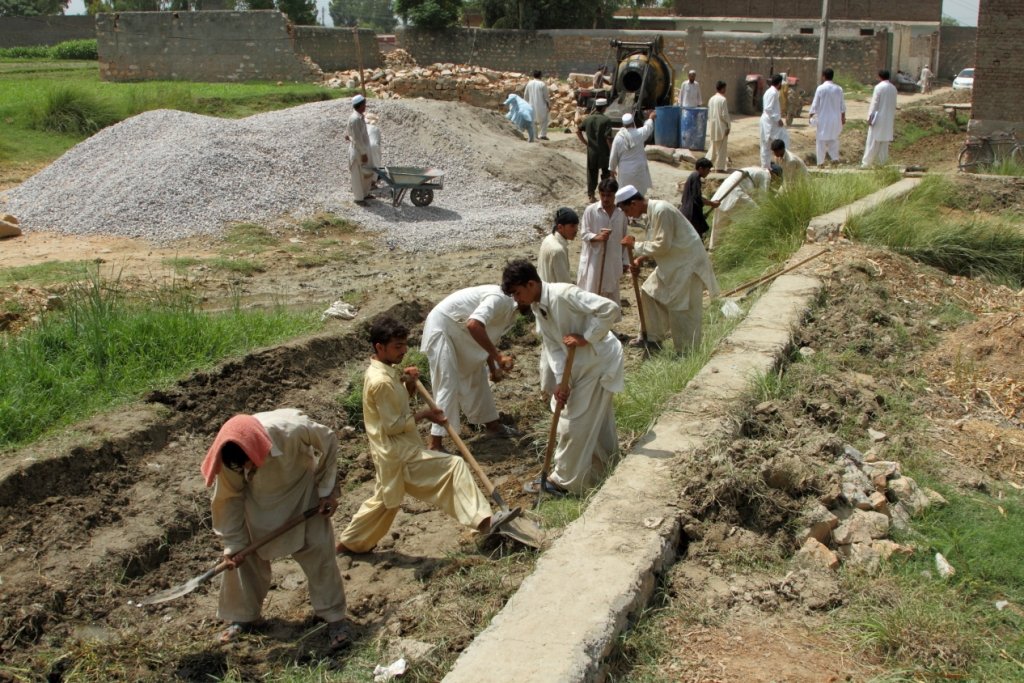
Aid workers and community leaders who benefitted from RedR training are implementing changes to better prepare for disasters. Here is a taste of the changes already happening in the communities where we have worked:
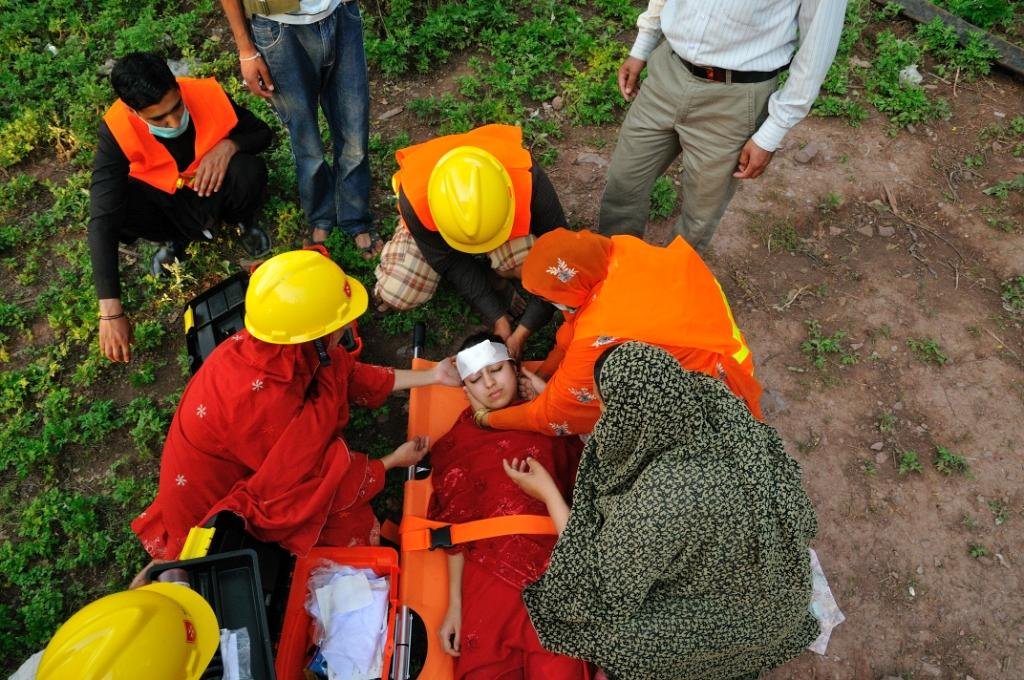
Sixteen year old Momina attended RedR training and represents the children of her community in a search and rescue team. She and her team conduct monthly simulations to keep their skills fresh. In the training she learned how to:
Project reports on GlobalGiving are posted directly to globalgiving.org by Project Leaders as they are completed, generally every 3-4 months. To protect the integrity of these documents, GlobalGiving does not alter them; therefore you may find some language or formatting issues.
If you donate to this project or have donated to this project, you can receive an email when this project posts a report. You can also subscribe for reports without donating.