Ensure food security for 500 poor FilipinoVillages

 
$2,074
$37,925
Raised
Remaining
Feb 6, 2013

Trainings on Sustainable Agriculture

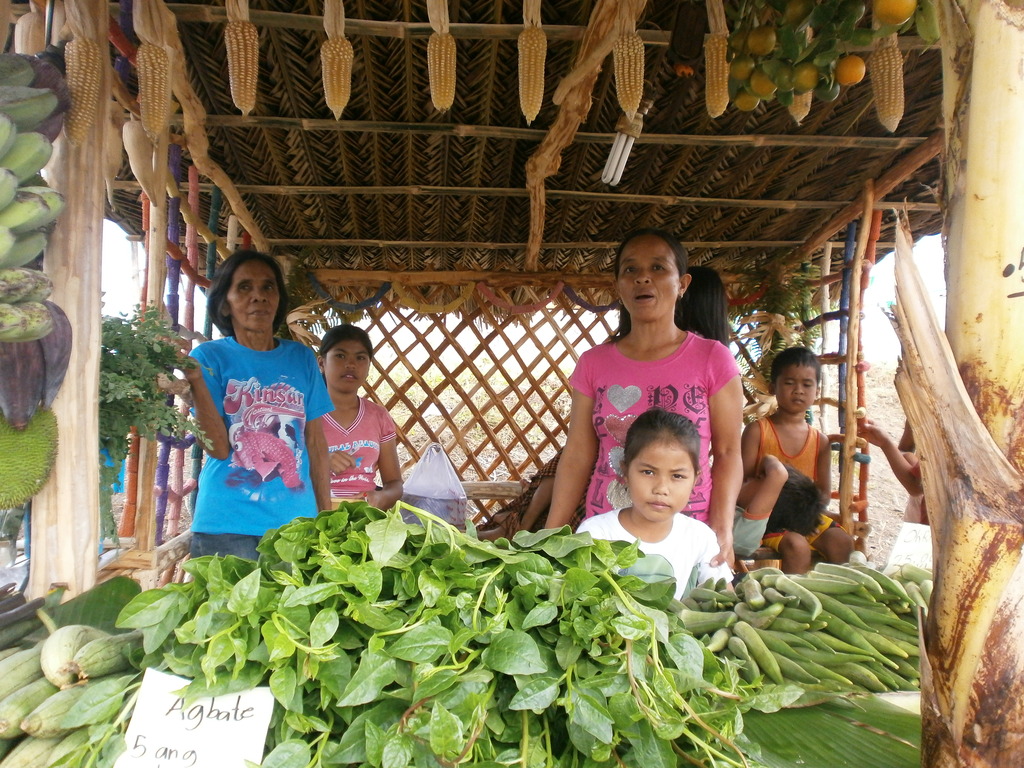
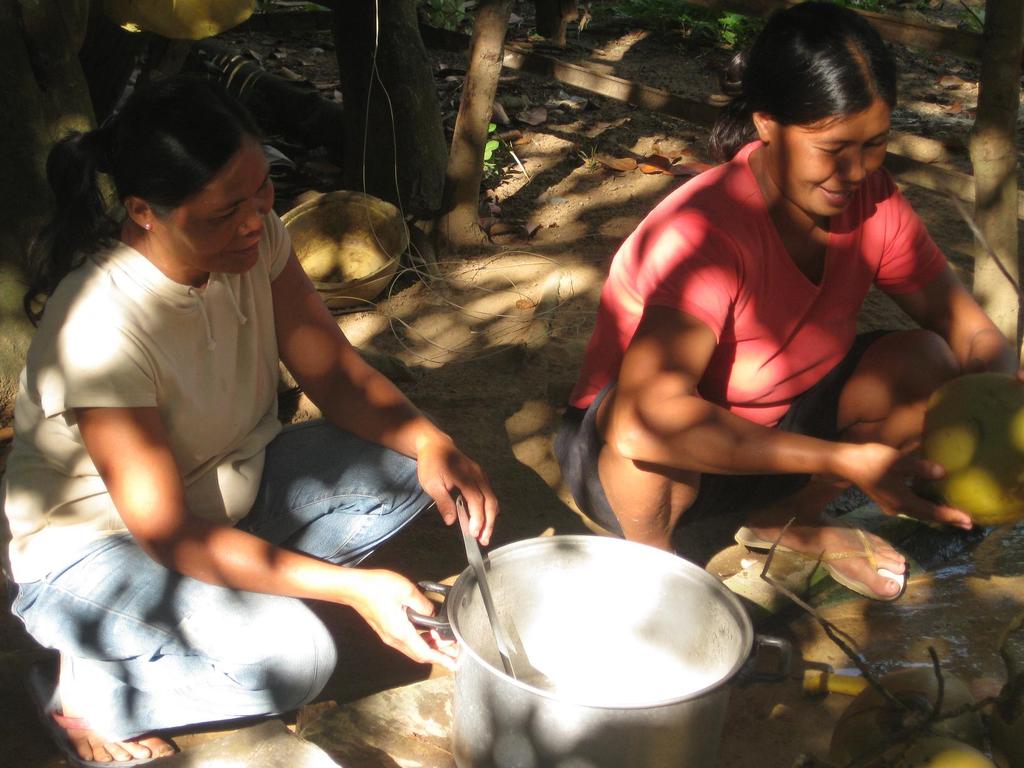
vegetables for marketing, ladies of COFPC1

Gains from Sustainable Agriculture Trainings


Measures of true success in trainings are the benefits they reap through its application and the knowledge they build from their experience.

As the Sustainable Agriculture Training Center (SATC) continuous to improve its services and facilities through your help, we would like to share with you the gains that we are now reaping.

A case in point is the Capas Organic Farmers and Producers Cooperative (COFPC). COFPC was given birth by a group of farmers who have trained and practiced Sustainable Agriculture practices in organic vegetable production way back 2008. They were just 5 in the group who became models to other farmers. As the years past they increased in numbers and now became a 21 member cooperative.

They use their knowledge from the trainings they got from SATC and innovate in their farms. Production for their household consumption increased for them to have surpluses. In 2009, they started a marketing scheme with SIBAT’s social enterprise – Sibol People’s Store and a private company Good Food Co.

In 2010, they have applied under the Cooperative Development Authority (CDA), and continue to strengthen their group with Sustainable Agriculture Organic Vegetable production as their core.

“Today, we are reaping the fruit of our trainings on sustainable agriculture. The benefits we are having are not just the additional food that we now have in our tables; it’s not just the money we get from selling our surpluses but the safe and healthy food that we consume and the fair price we get for our produce.” --- Marie Cajuguiran, COFPC treasurer, farmer

“The benefits we gain from the application of our trainings go beyond the basics. It has taught us camaraderie with our fellow farmers and neighbours, it has taught us how to be followers and leaders.” --- Susan Cajuguiran, COFPC Secretary, farmer

“Benefits? Aside from becoming my main source of income, it has helped me improve my health. Learning organic vegetable production made me eat healthy food and provided me with enough exercise in the garden.” --- Bella Salak, COFPC member, Senior Citizen, farmer

COFPC now has its niche, and is recognized in the province of Tarlac.  But they believe that learning needs to be continuous to be able to follow the changes that they are facing and be a model to other farmers.

We have become models to other farmers not just here in Capas, Tarlac but in the greatest part of the country! We are in magazines and television! We have become torch bearers and advocates of organic farming to other farmers. We have shown there is development through the application of our learnings. We have become teachers to our fellow farmers.” --- Carlito Pabustan, COFPC vice-president, Councilor

COFPC is just one case, a small number of people in the list of trainees that SATC have catered but it mirrors the gains that we are now enjoying.

We are just a grain of salt, but as little as we are, the littlest contribution that we share can magnify gains like this as long as we share and we help.


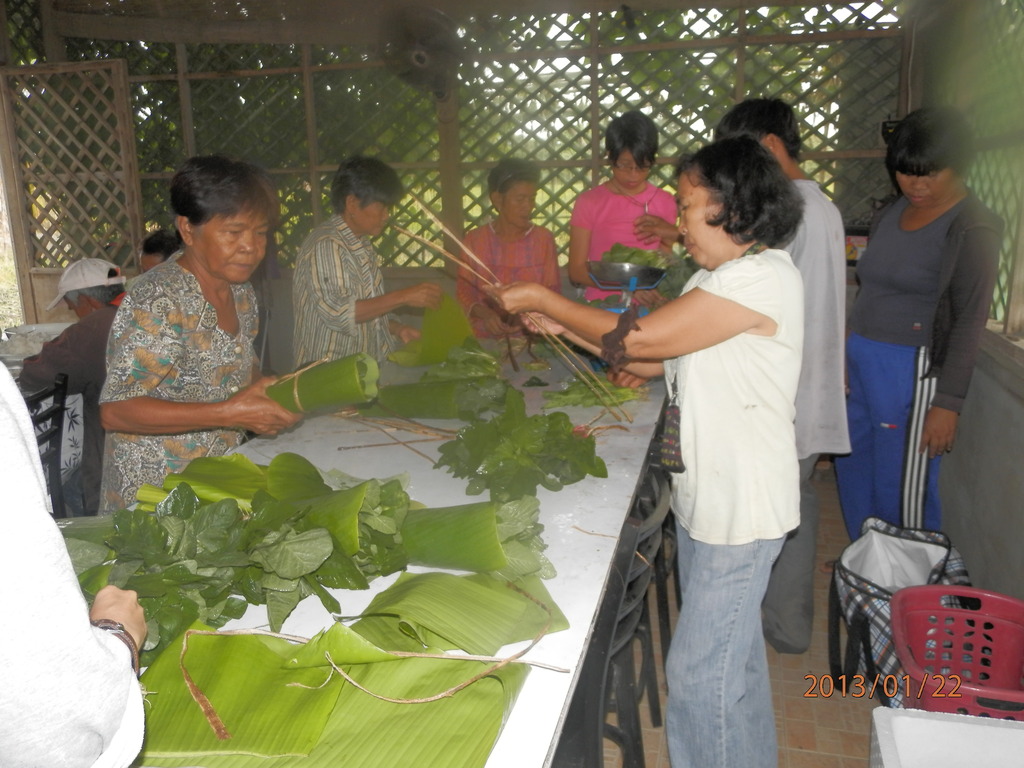
processing of vegetables, COFPC ladies2
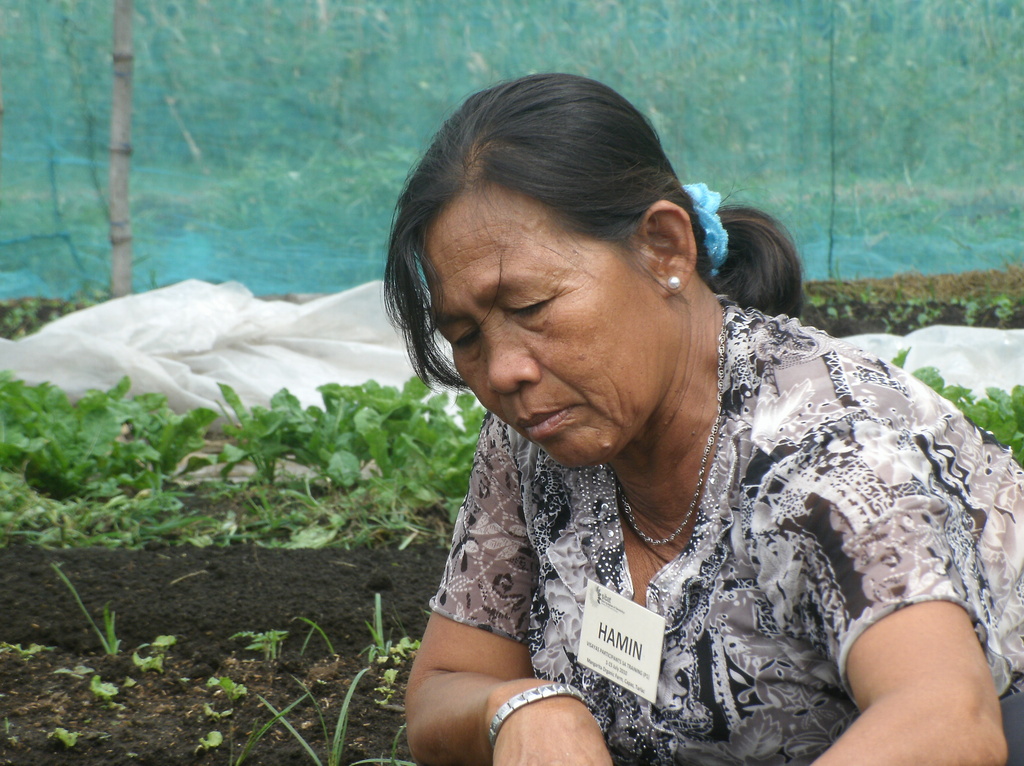
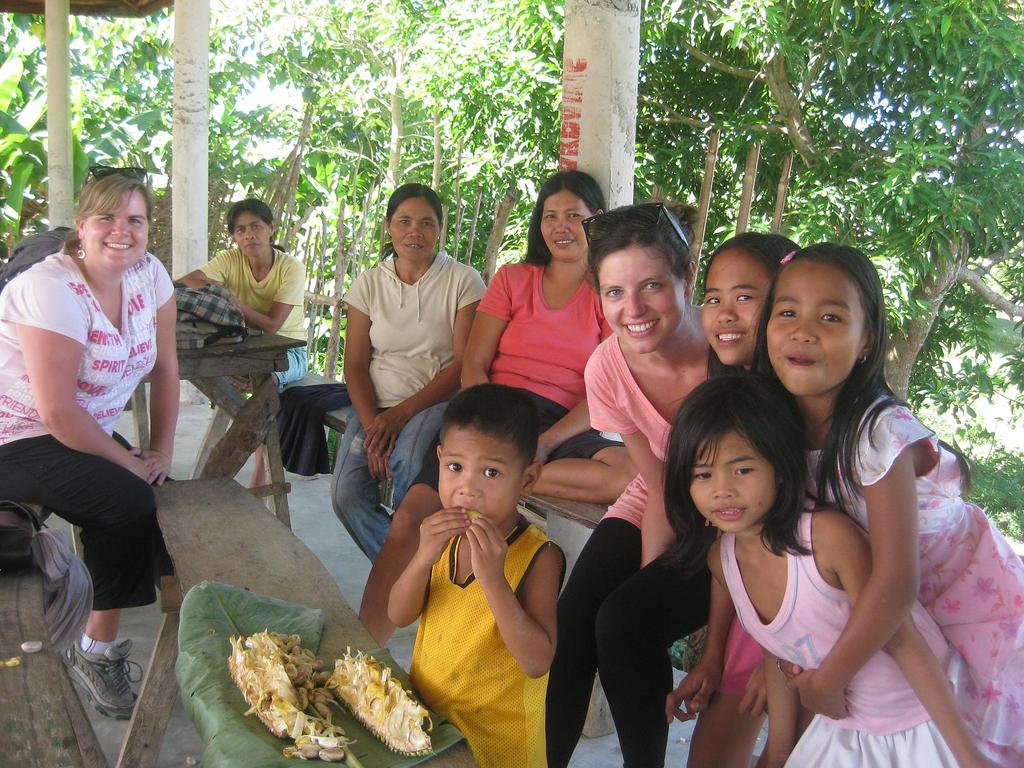
ladies of COFPC sharing experiences
Exhibit invitation at Clark, Philippines
Sep 7, 2012

Trainings on Sustainable Food Production

Farmers
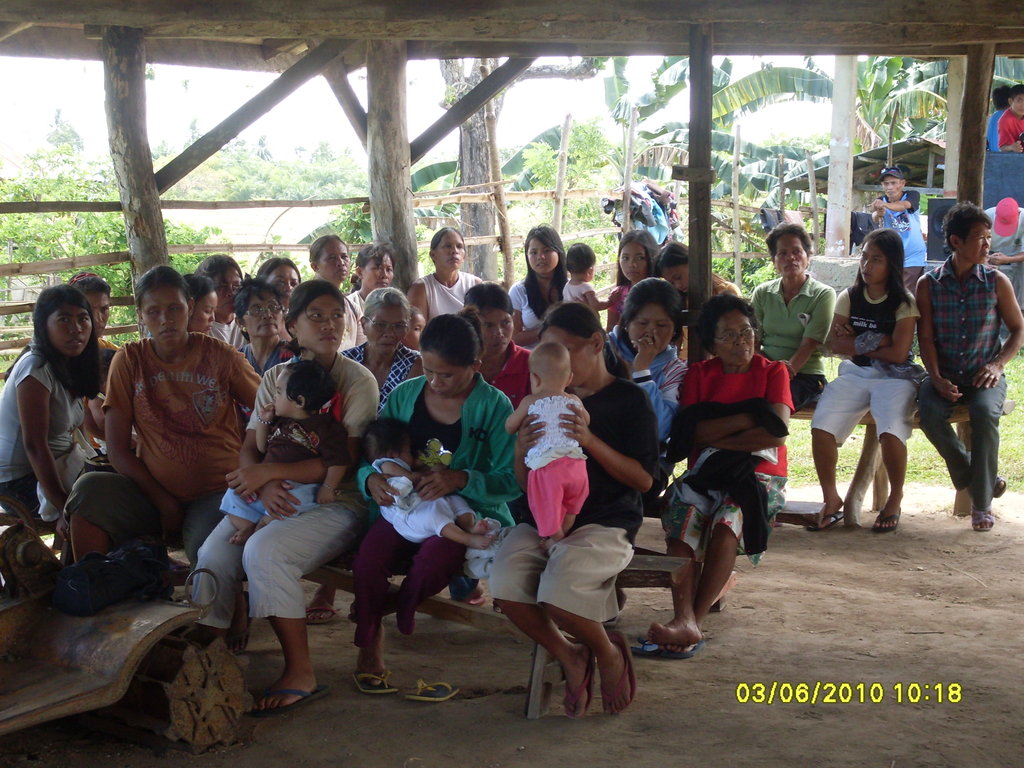
Farmers' community meeting in Bohol

SIBAT's Sustainable Agriculture Training Center (SATC) has been enriched by the untiring work of SIBAT's agriculturists and farmer technicians.  SIBAT's learning modules and pedagogical content are drawn from actual experiences and learning innovations from partner farming communities and farmer cooperators.  Moreso that the SATC is located in SIBAT's demonstration farm also strengthens learning.  With the various trainings conducted and more trainings planned primarily for partner farming communities and people's organizations, promoting and replicating sustainable agriculture practices has proved to be a sustainable approach, enabling farmers to learn and innovate on their own with SIBAT agriculturists providing the necessary advisory support.

Since then, these are the trainings that were done by the training team and SA agriculturists of SIBAT, namely Pedro Aurelio dela Cruz, Maria Pilar Castro-Pablo, Anacorita Oliquino-Abasolo, Delilah Barte and Lindon Escalante with Sansen Maglinte as the SA coordinator.

Below is a list of trainings that were conducted by the SATC team:

Hands on and onsite trainings were provided for some farming communities in the following provinces:

Bohol:  Trainings on Farmer technician, Systems of Rice Intensification, Bio-intensive Gardening (BIG)

Cebu:  BIG, Diversified Integrated Farming Systems (DIFS)

Negros Oriental:  DIFS, BIG

Southern Leyte:   Sustainable Agriculture Orientation, Farm Appraisal & Planning, Vermiculture

Mindanao:  DIFS and BIG

Tarlac, Capas:  Korean Natural Farming, Biofertilizer Production, BIG

Aurora:  on site trainings on backyard food crop production, soil fertility and sloping agricultural land technologies

Other trainings were also provided as part of SIBAT's promotion and advocacy work:

For consumer groups:  farm exposure visits of consumer advocates of organic products in support to farmers 

For academe partners:  organic farm orientation and discussion of agricultural issues for faculty and students

Special trainings:  local staff and farm workers, and foreign volunteers of SIBAT  were given agriculture framework orientation

Training Women farmers on Sustainable Agriculture
SIBAT
SIBAT's agriculturists: Lala, Delilah, and Meg
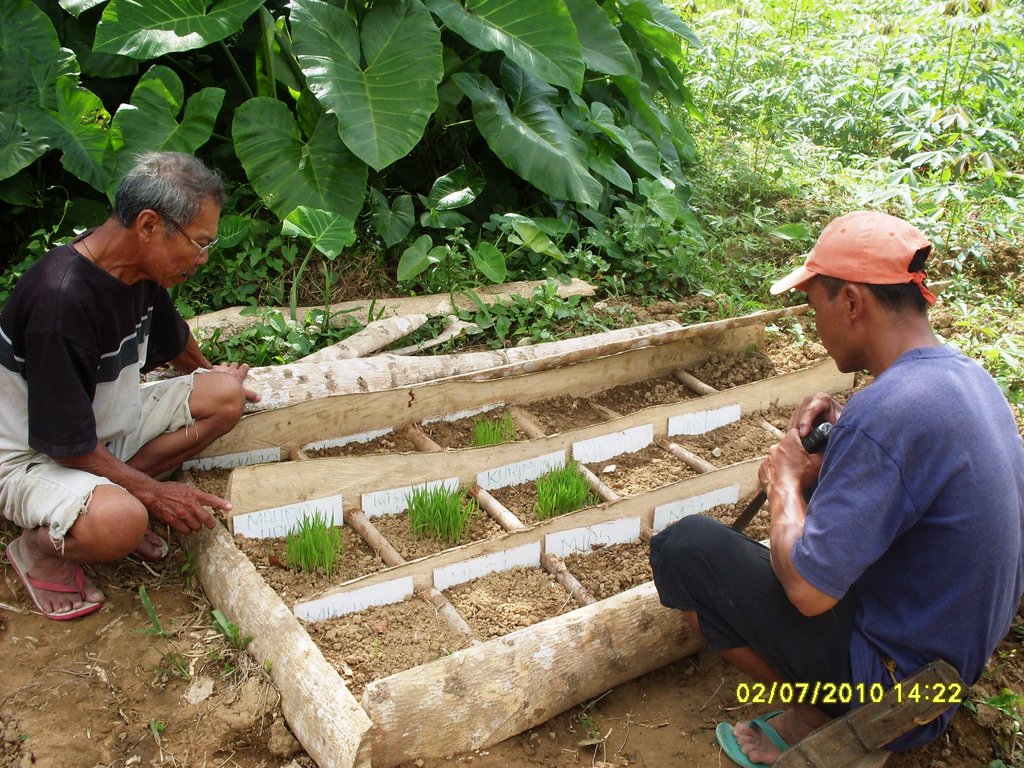
Rice Varietal Adaptability Trials in Bohol
Jun 18, 2012

Establishing the Farmers SA Training Center

Training Hall of SATC

SIBAT’s Sustainable Agriculture Training Center (SATC) is now being enhanced for the showcasing of various technologies as learning venues for the ongoing trainings primarily for poor farmers.  Currently, the resource and library center has now a wide array of references while improving in-house staff knowledge and communication/training skills to effectively communicate the contents and activities especially when conducting trainings or hosting eco-tour visits from LGUs, Academe, advocates and practitioners.

Correspondingly systematized promotion of courses, fee structures and related services are intensified while dormitory facilities have initially been constructed for live-in trainings and exposures.

SIBAT’s learning modules and pedagogical content are drawn from actual experience of POs and NGOs, based on the 27 years of SIBAT’s Sustainable Agriculture development work.  That the SATC is physically situated in SIBAT’s Mangarita Organic Demonstration Farm also strengthens hands-on learning.  Various SA trainings have been conducted for farmer peoples’ organizations and farmer co-operators that have contributed to accelerating adoption of organic farming practices with partner farming communities.

The dormitory for trainees is now built that can house 15-20 participants for SIBAT's sustainable agriculture trainings, both basic and advanced short courses for farmers, sustainable agriculture advocates, extension workers, NGO development workers, and other interested groups and individuals that wants to learn how to initiate and establish organic farming systems in their own backyards and farms.

SRI training
SRI training
SATC Dormitory: ongoing construction
Organic Rice Production Training
SIBAT: Sustainable Agriculture Development Workers
More SA Agriculturists Development Workers
Mar 1, 2012

Sustainable Agriculture Training Center (SATC)

Farmers
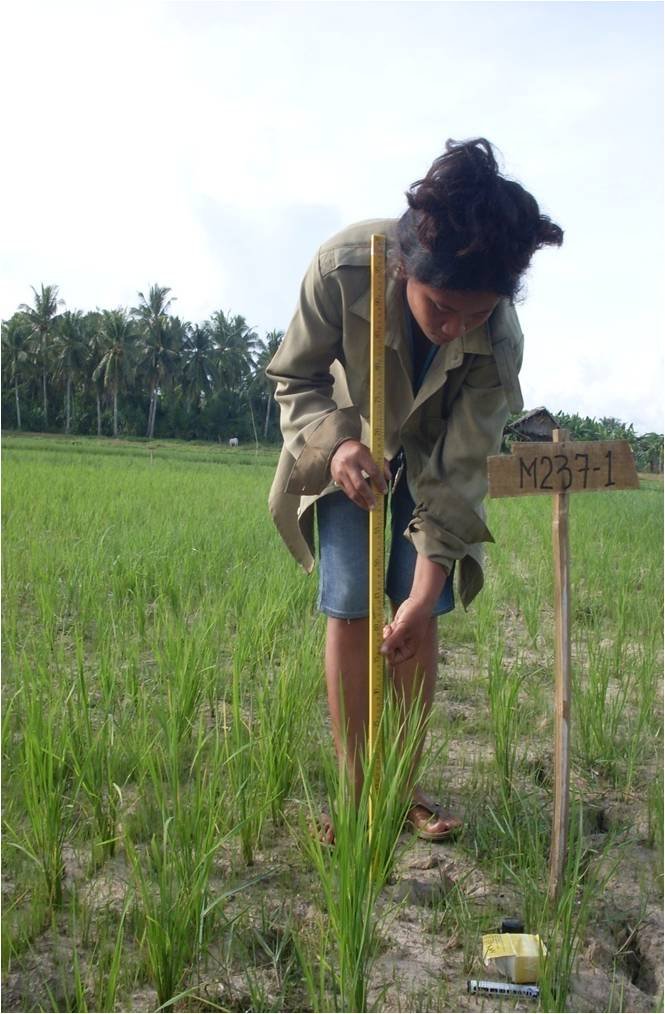
Farmers' Training on Organic Rice Production

Sustainable Agriculture Training Center (SATC):  Main Objective  

“Reach and influence the greatest number of farmers, women and youth who promote, develop and advocate Sustainable Agriculture principles and technologies.

We believe that organic food production is a sustainable and viable approach to address food insecurity and malnutrition of the rural poor families in the Philippines.

SATC institutionalizes the capability building efforts of SIBAT in Sustainable Agriculture (SA) for it to provide more sustained and effective technological resources to the growing number of farmers, practitioners and advocates of organic farming.

SATC provides trainings to farmers, community organizations, local government units and non-government organizations and interested individuals on skills and knowledge about SA and appropriate technology.

SATC is housed in Mangarita Organic Farm which demonstrates how SA can sustainably support farming households, here participants learn the skills of how SA technologies are applied.

More and more farmers, practitioners and advocates of SA in the different sectors are recognizing SATC as a venue to further their knowledge and skills in SA principles and technologies.

For this year, SATC has received numerous requests for trainings and exposure trips to the organic demonstration farm, most of which are farmer’s and women’s organization.  It is very hard for us to turn down some requests as we cannot accommodate all of them with the little funds that we generate from the demo farm.

To cater to their needs, SATC needs to further improve the facilities of the demo farm and training center. Now, the training center can accommodate 15 participants in its very simple Nipa House cum training center and requests coming in are for groups of 30 to 50 participants. Training materials (audio-visual and other training modalities) are also limited and needs improvement to cater to the growing number of requests and to better share the principles of SA. This is aside for the board and lodging cost.

SATC was built upon the dream and persistence of SIBAT to better and effectively reached out farmer’s, women’s and youth organizations. It was founded with very meager funds from the organization’s savings and heartfelt commitment. Currently, we are starting to harvest the fruit of our labour, but then, it is still a long journey ahead of us.

SA is for all ages and for people in the different walks of life – if you love nature, want healthy living, if you want to see harmony and peace and if you want to enjoy the fruit of your labour, if you love science and indigenous/traditional knowledge --- All is in SATC!

However, to be able to do this we need your support --- materials, funds, skills, knowledge, and warm bodies.

Farmers
Farmers' Training on Organic Rice Production
Farmers
Farmers' Training on Organic Rice Production
Training Hall of SATC
Feb 24, 2012

Developing the Sustainable Agriculture Center

SIBAT’s project team consolidated and laid down long term plans for the establishment of the Sustainable Agriculture Center (SATC) towards its goal of propagating and promoting the principles and practice of Sustainable Agriculture and Appropriate Technology, within the framework of genuine agricultural development most especially for rural poor communities in the Philippines. 

SATC is a learning training and resource center that will provide theoretical and practical learning instructions where practice shall aim for the application on field, in communities and advocate for its further promotion and adoption of clean organic production, and as such will be a resource center for information, library and documentation of farmers’ experiences and knowledge.

The following are SATC’s strategies and approaches in achieving its goal of ensuring food security for rural poor Filipino villages through sustainable agriculture development:  linking theory and practice based on SIBAT’s experiences with farming communities; participatory technology development in all processes; providing the necessary skills training and monitoring advisories for rural farmer technicians; continuing conduct of farmer driven researches; and information dissemination of experiences and  research outputs most especially for farmers and extension workers.

SATC will be an important part within SIBAT’s work in sustainable agriculture, and to its other appropriate technology programs in rural sustainable development. 

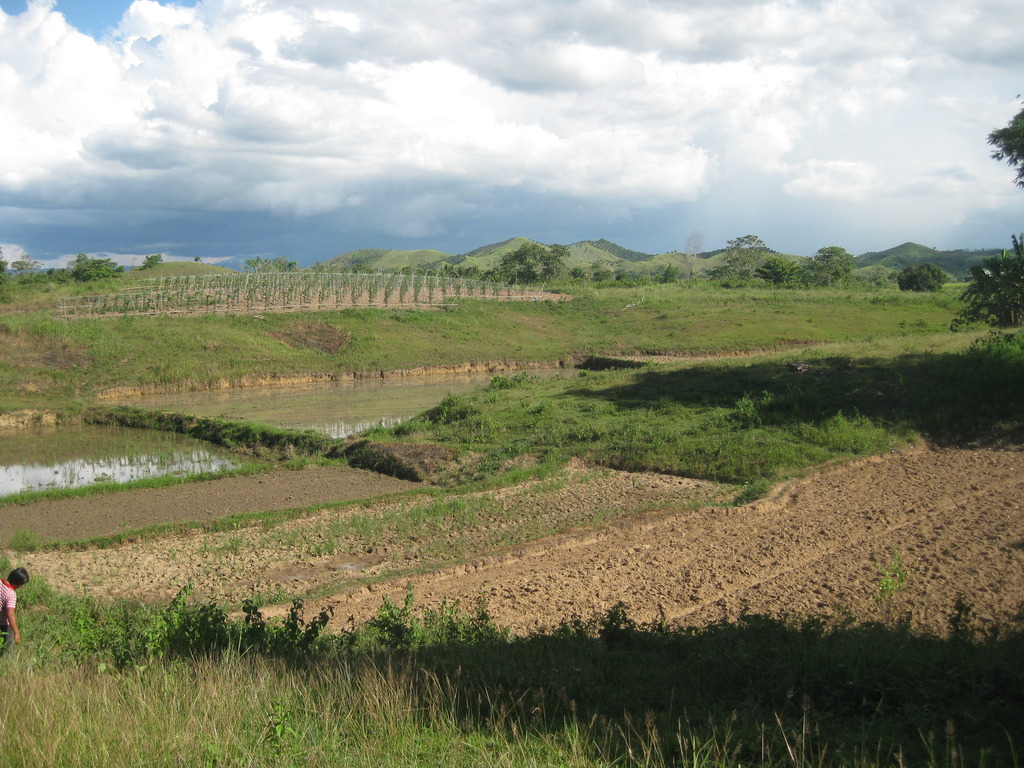
SATC is located in SIBAT’s Mangarita Organic Farm (MOF) in Capas, Tarlac which will serves as demonstration and practicum site.  The farm is SATC’s demonstration showcasing different techniques and approaches in clean organic production for small farmers.

SATC continuously provides primarily the rural poor Filipino farmer cooperators the following modular topics:  (1) farmers’ capacity building, (2) participatory technology development, (3) 11 technology modular trainings on sustainable agriculture technology development, (4) appropriate technologies on farm mechanization support, (5) social and cultural dimensions of agriculture, (6) program/project development cycle and processes,  (7) organic marketing standards, and (8) organic enterprise development and food processing.

The Sustainable Agriculture technology modules are: (1) diversified integrated farming systems, (2) organic rice production and system of rice intensification, (3) alternative pest management, (4) soil fertility conservation and management, (5) water systems development and management, (6) bio-intensive gardening and food always in the home/vegetable production, (7) upland technology development and mitigation technologies, (8) climate change adaptation and mitigation technologies, (9) urban agriculture and container gardening, (10) food processing and storage, and (11) integrated community-based seedbanking and seed technology.

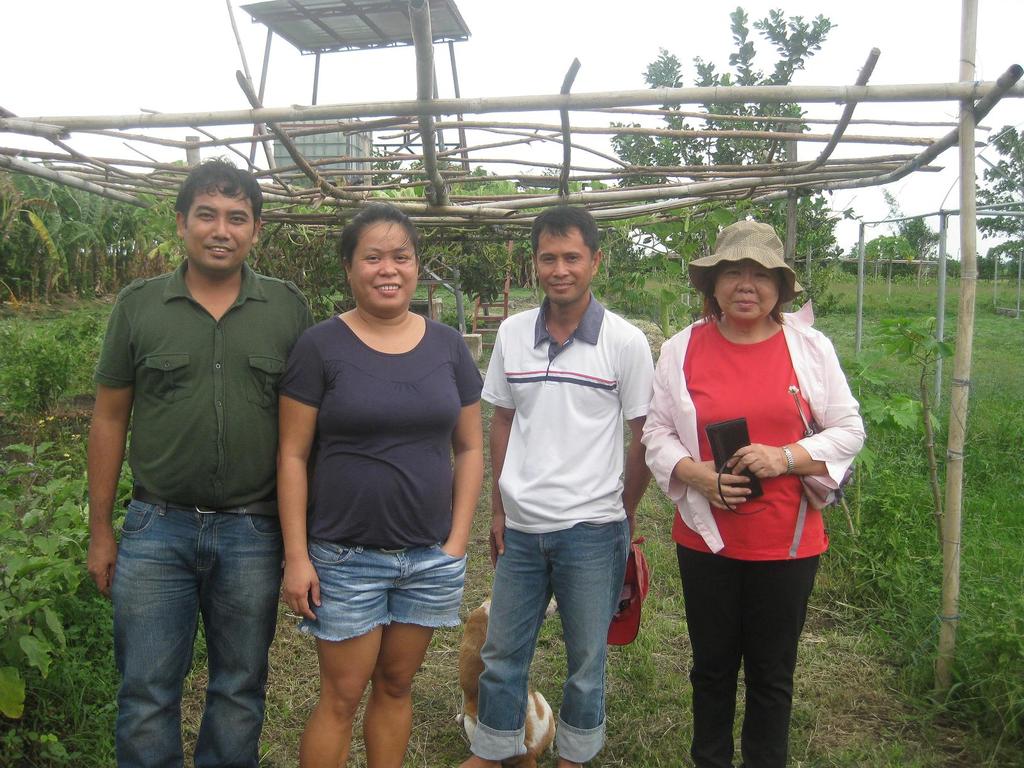
Delia Pabustan, Woman Farmer Leaderand MOF Manager
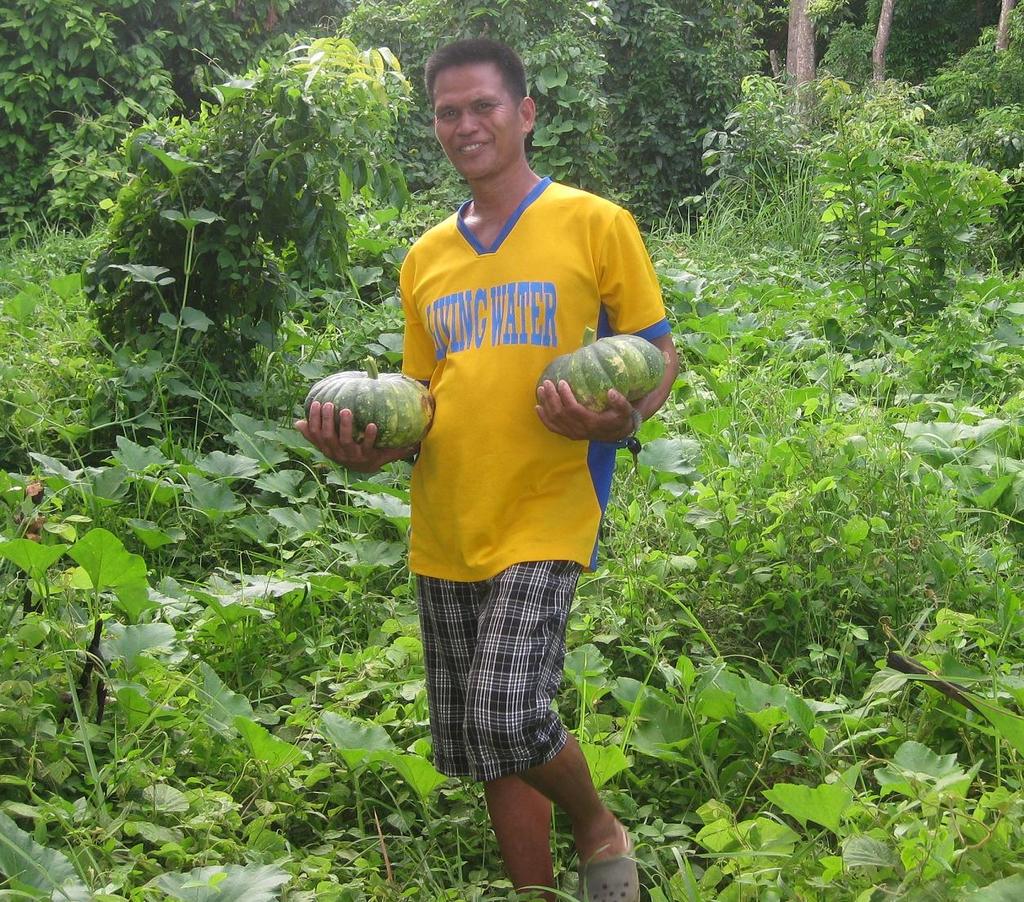
Organic vegetable production in MOF

About Project Reports

Project Reports on GlobalGiving are posted directly to globalgiving.org by Project Leaders as they are completed, generally every 3-4 months. To protect the integrity of these documents, GlobalGiving does not alter them; therefore you may find some language or formatting issues.

If you donate to this project or have donated to this project, you will get an e-mail when this project posts a report. You can also subscribe for reports via e-mail without donating or by subscribing to this project's RSS feed.

An anonymous donor will match all new monthly recurring donations, but only if 75% of donors upgrade to a recurring donation today.
Terms and conditions apply.
Make a monthly recurring donation on your credit card. You can cancel at any time.
Make a donation in honor or memory of:
What kind of card would you like to send?
How much would you like to donate?
gift Make this donation a gift, in honor of, or in memory of someone?

Organization

Sibol ng Agham at Teknolohiya Inc. (SIBAT)

Quezon City, Metro Manila, Philippines
http://www.sibat.org

Project Leader

Florinda Concepcion

Mrs.
Quezon City, Metro Manila Philippines

Where is this project located?

Map of Ensure food security for 500 poor FilipinoVillages