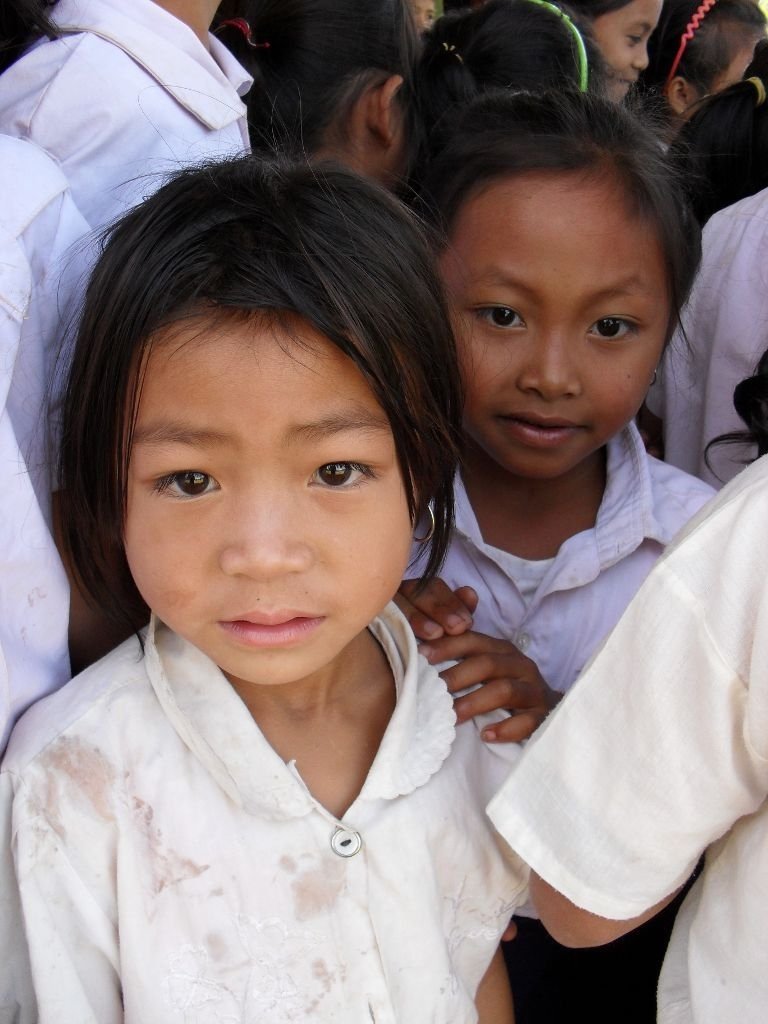
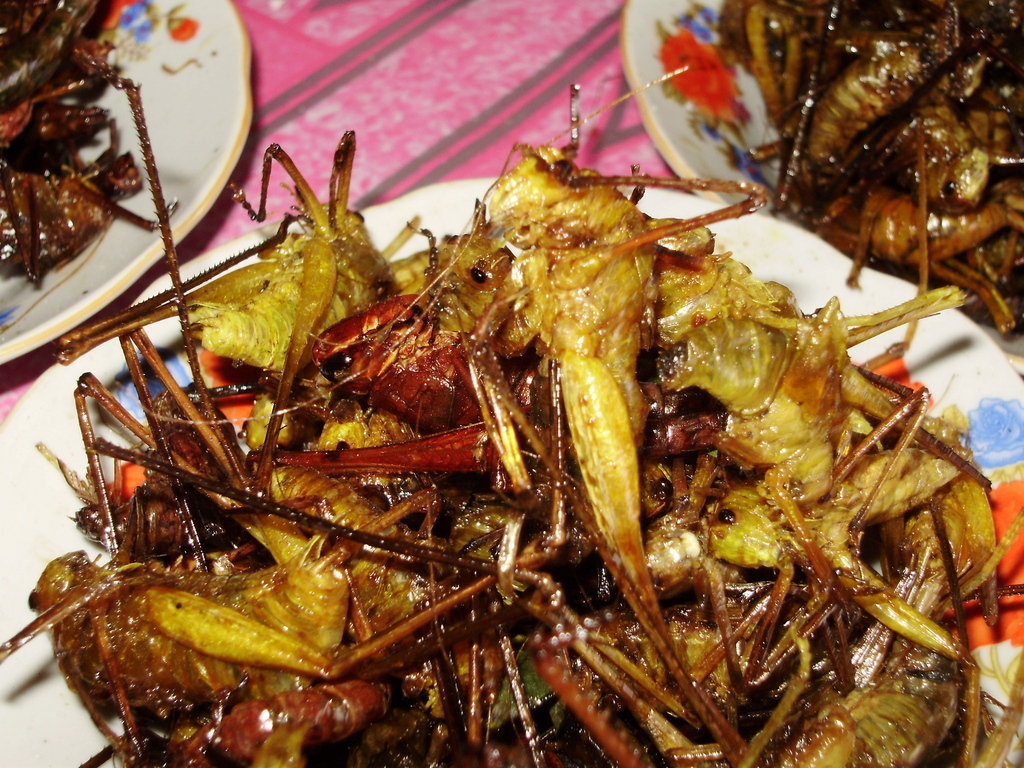
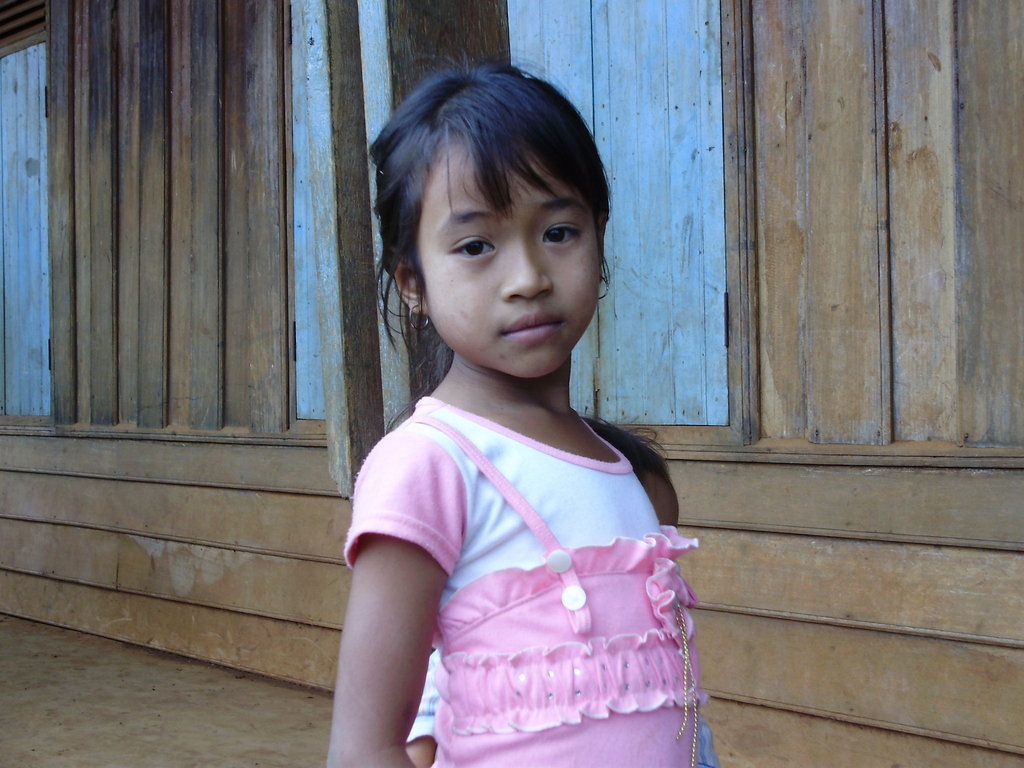
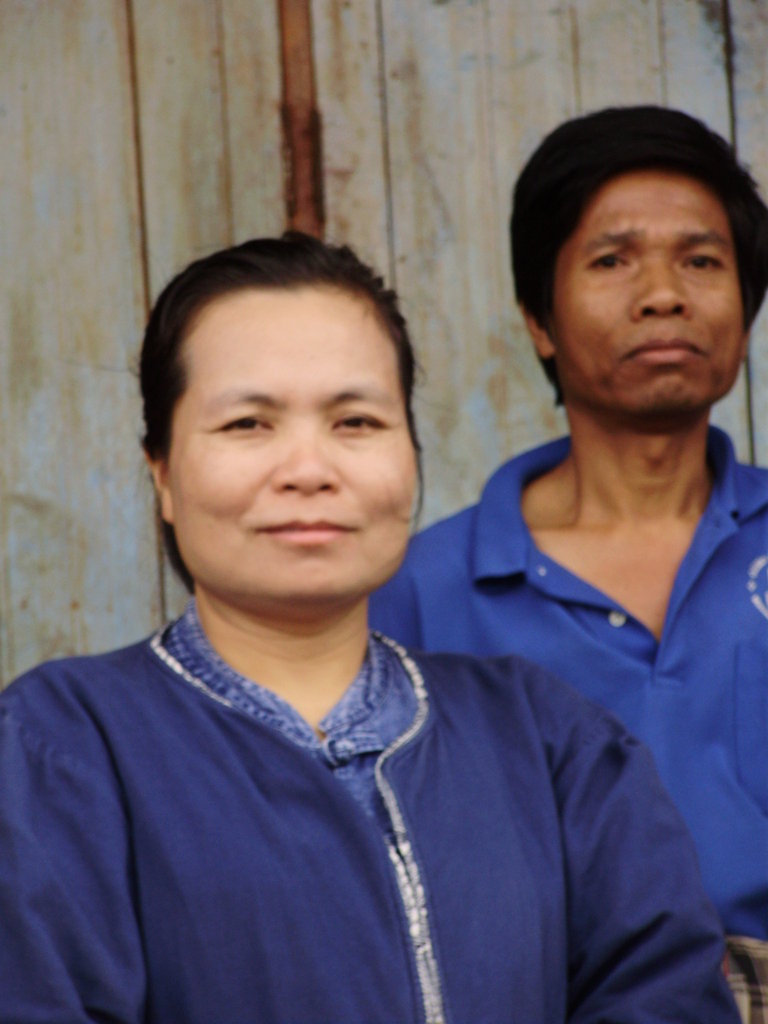
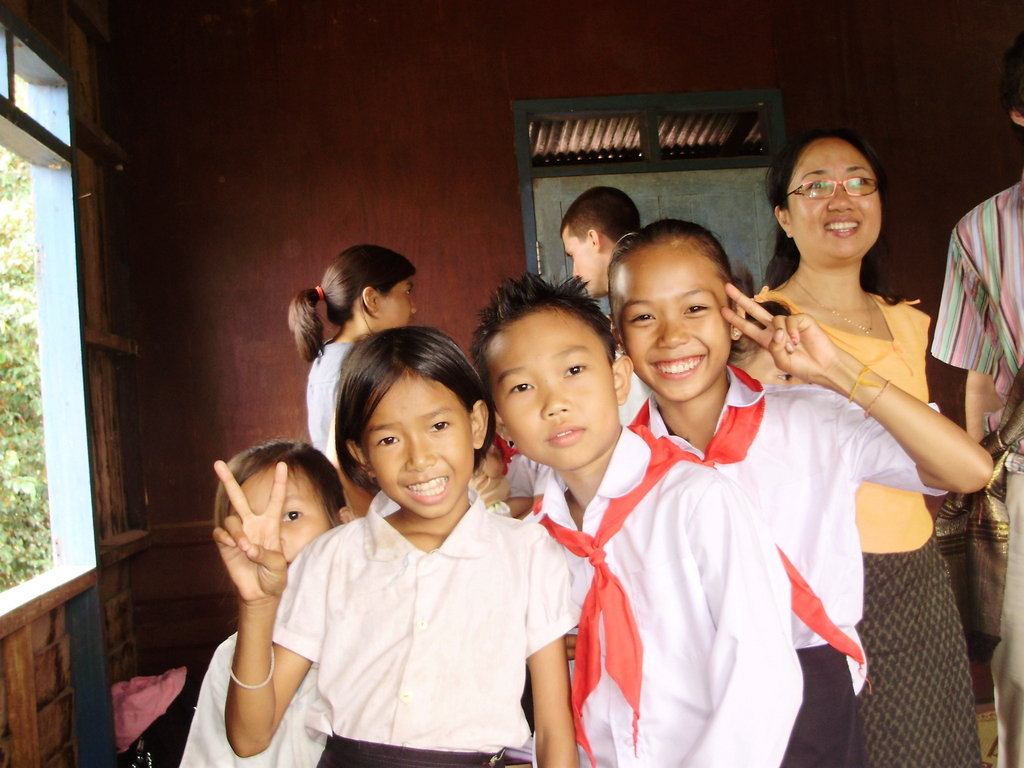
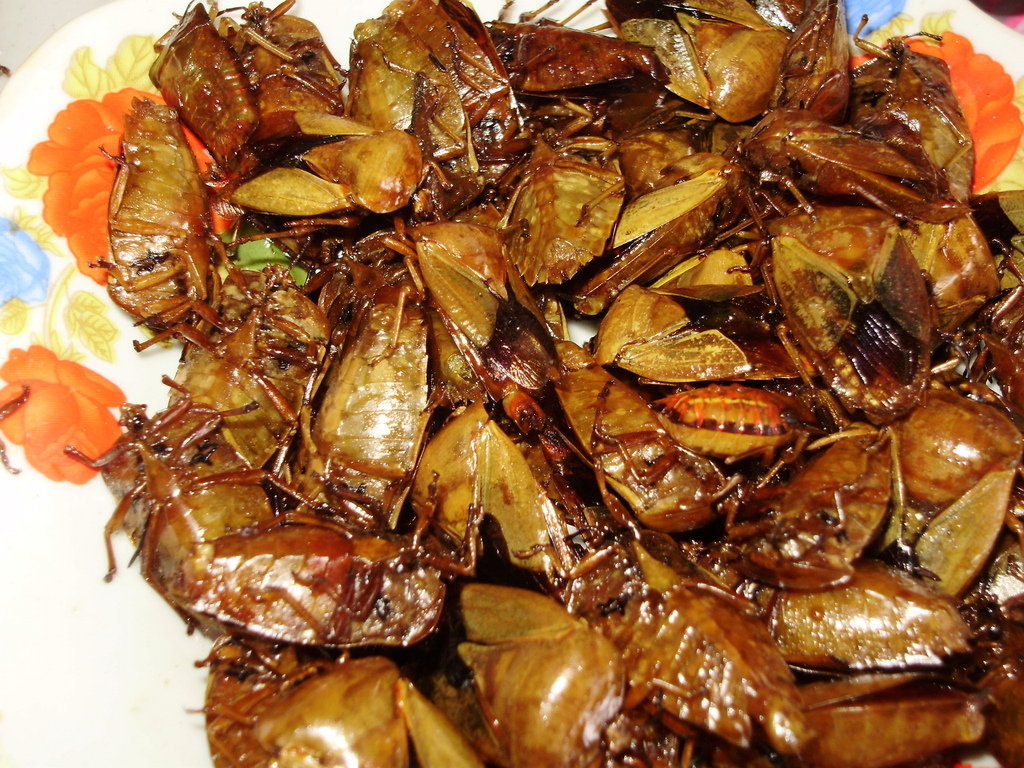
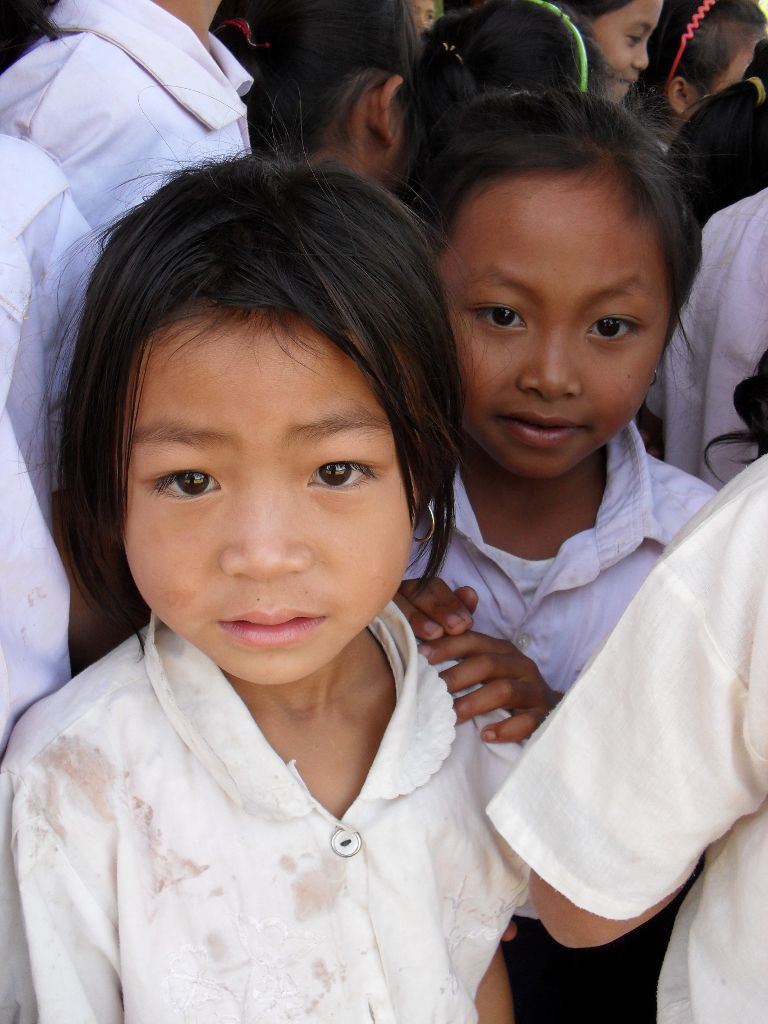
Malnutrition means different things to different to people. For 40% of children in Laos, it means a constant gnawing hunger in the pit of their stomachs. It means going to school each day without breakfast, unsure whether there will be enough food for lunch. It means depending on rice and what little food you can scavenge for, including insects like crickets and grasshoppers. It means suffering from stunted growth, ill health, increased susceptibility to disease, poor concentration and never meeting your full potential.
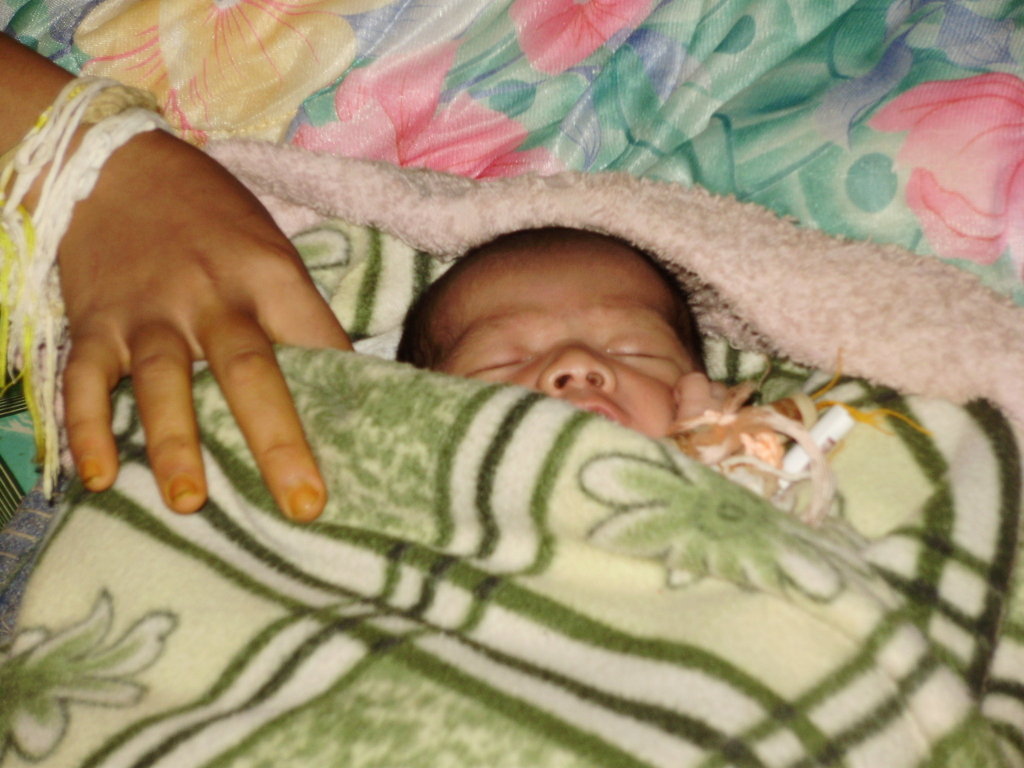
For a small but significant percentage of children, malnutrition means not living to see your fifth birthday (Laos has the 23rd highest infant mortality rate in the world - 77 children in every 1000 die before their fifth birthday). Underweight births, non-existent breast feeding because of maternal malnourishment, and deficiencies in vitamins, iron and iodine, can all cause infant deaths.
Iodine deficiency in children can also cause mental impairment, with evidence suggesting that it can shave 10 – 15 points off IQ scores.
The Food and Agricultural Organization (FAO) of the United Nations reported in 2009 that, despite a decade of economic growth, chronic malnutrition in children remains a huge problem in Laos, and will continue to cause social and economic problems long into the future.
Aside from the immediate, and sometimes devastating, consequences of malnourishment, there is a resultant loss in productivity that has serious repercussions for economic development. According to FAO research, loss of productivity caused by malnutrition will cost the Lao PDR an estimated US $166 million. The problem is self perpetuating – malnourished children are less able to perform the tasks needed to tackle the root causes, such as gain an education, acquire sustainable food sources or generate an income.
Improving nutrition in developing countries is widely believed to be one of the most effective forms of aid and poverty reduction.
The reasons for Laos’ problem with food are multiple and complex; many are linked to ongoing poverty (75% of the population survive on less than $2 a day), increasing environmental degradation, and poor education.
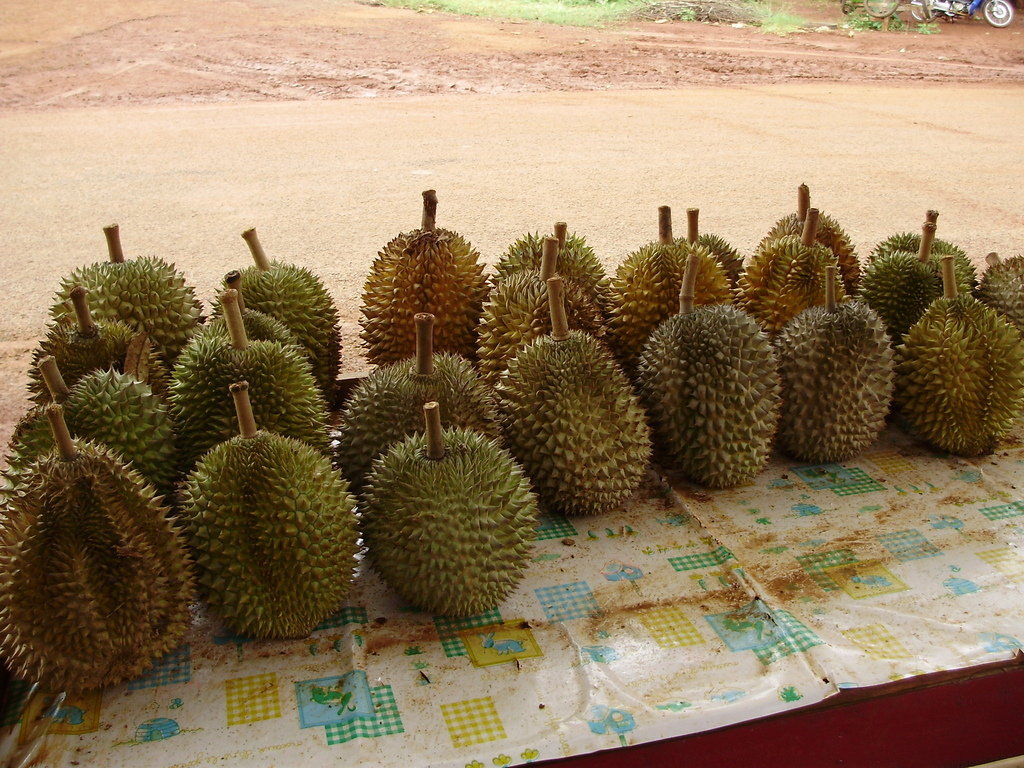
Laos is a landlocked, mountainous and thickly forested country. Its population, of just under 6 million people, is tiny compared to neighboring Thailand and Vietnam, and yet growing enough food to feed them is hugely difficult. Only 4 % of the land in Laos is arable; the rest of the country is too mountainous to grow crops successfully.
What little land is available to farm on is subject to flooding and droughts, pests, and poor irrigation. Disease and land shortages mean that livestock rearing is expensive and difficult. Many farmers lack the technical skills or financial capital needed to improve agricultural techniques and produce sufficient crop yields for their family’s nutritional needs or to sell at local markets.
In very poor households, families depend on foraging for wild food resources, such as fish and aquatic animals, insects, animals, fruits and vegetables. But foraging is an unsustainable way to increase nutrient intake; over harvest, hydro power, foreign investment, logging and tourism are having a detrimental effect on natural resources and increasing the risk of food insecurity for Laos’ most vulnerable people.
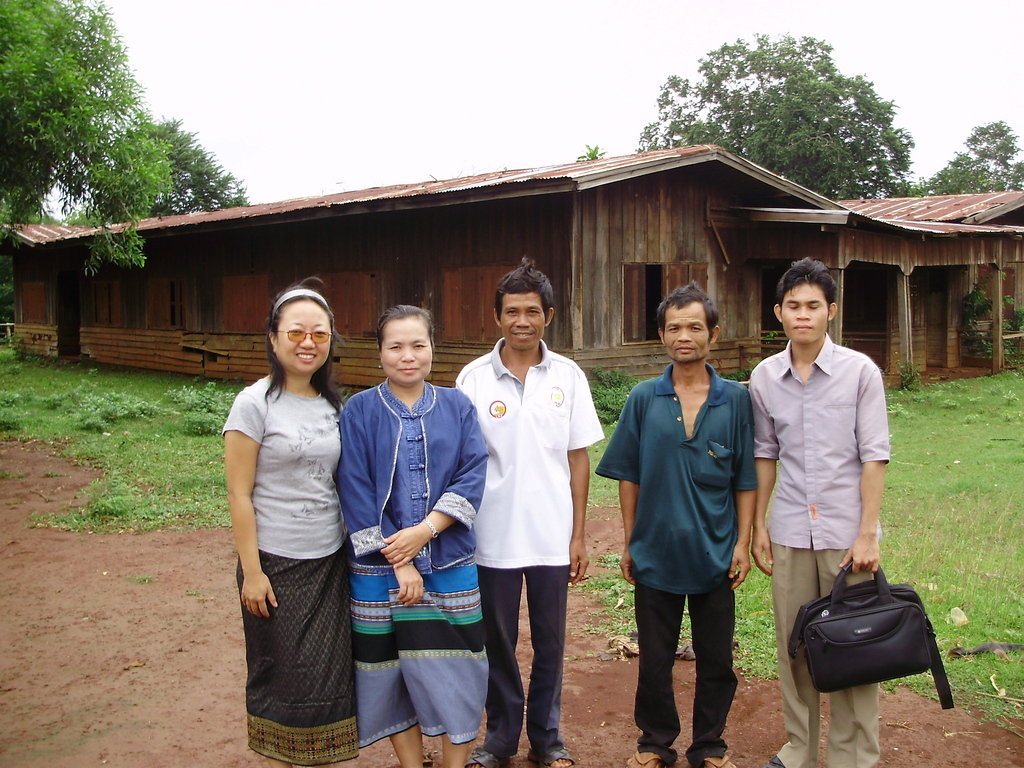
The Social and Economic Developers Association (SEDA), Laos, is an organization dedicated to improving the socio-economic situation in Laos, and malnutrition represents the front line. But solving a problem as complex and multifaceted as this is not an easy matter: SEDA recognizes that malnutrition is intimately linked to poverty, environmental degradation and poor education; to have any hope of solving malnutrition in the long-term, these inter-related issues must also be addressed.
The first stage of their program is the short term addressing of childhood malnutrition in Laos’ poorest regions in the south of the country. Using donated money, the aim is to provide each child of school age with at least one nutritious meal a day. Just $60 can provide nutrition for one child for a whole month.
At the same time, SEDA is helping villagers to realize long term solutions to poverty and lack of food. Through the innovative use of micro-credit, SEDA will provide farmers with seeds for cash crops, that can be grown quickly, and training in agriculture that will increase crop yields in the short term. SEDA is also assisting with irrigation and teaching farmers cutting edge organic farming techniques to address the problems of skill and financial shortages. An increase in food production will help to reduce malnutrition and poverty, as surplus foods can be sold at local markets.
With financial assistance from international aid institutions, SEDA also plans to provide seedlings for long term, high profit crops, such as grapes, avocados and cherries, which can be sold in urban areas to generate sustainable income.
SEDA is running concurrent projects to help improve education and protect biodiversity, which, in combination with micro-credit and meal provision, will tackle the root causes of malnutrition head on.
For more information, please email info@seda-laos.org
![Share on Twitter]()
![Share on Facebook]()