By Marsilio Gabaurdi & Jenny Holl | Program Administrator/Administrative Manager
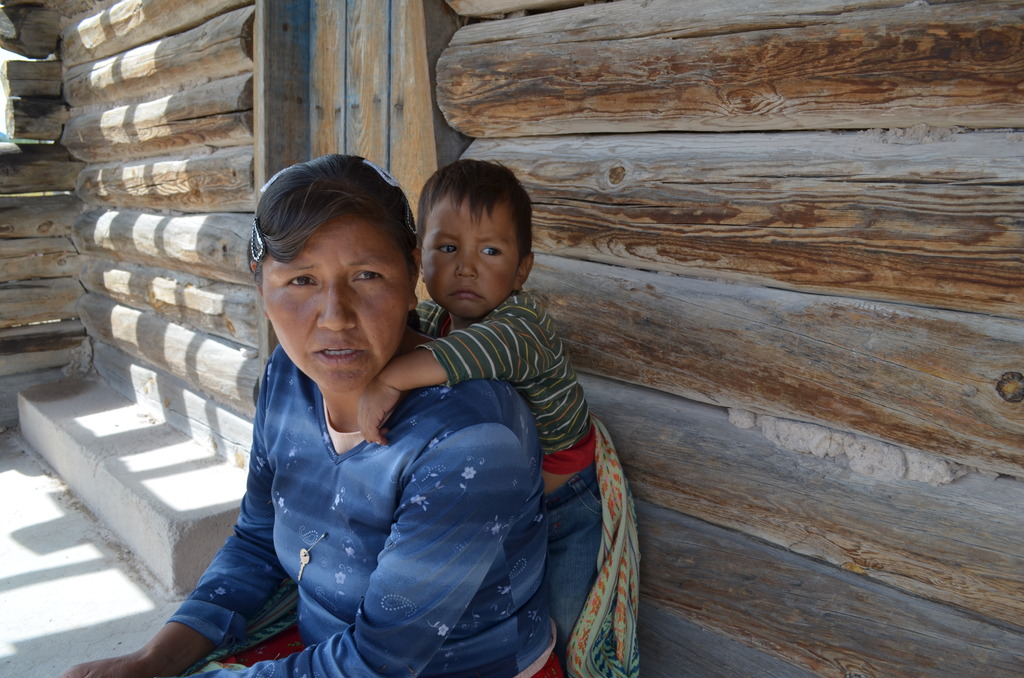
Part of the One Heart World-Wide model is to ensure long-term sustainability of the projects we implement by ensuring that local staff and volunteers are prepared to independently manage programs, ensuring stable funding sources, and making sure that the community stakeholders are invested in our mission. We are pleased to announce that we have identified a great partner that has the not only the ability to fund the program in its entirety, but is also dedicated to the mission of saving lives and educating the indigenous people of the Copper Canyon. We are confident that we are leaving our Mexico program in very good hands as we transition into a role of providing technical assistance and evaluation of the work we began there.
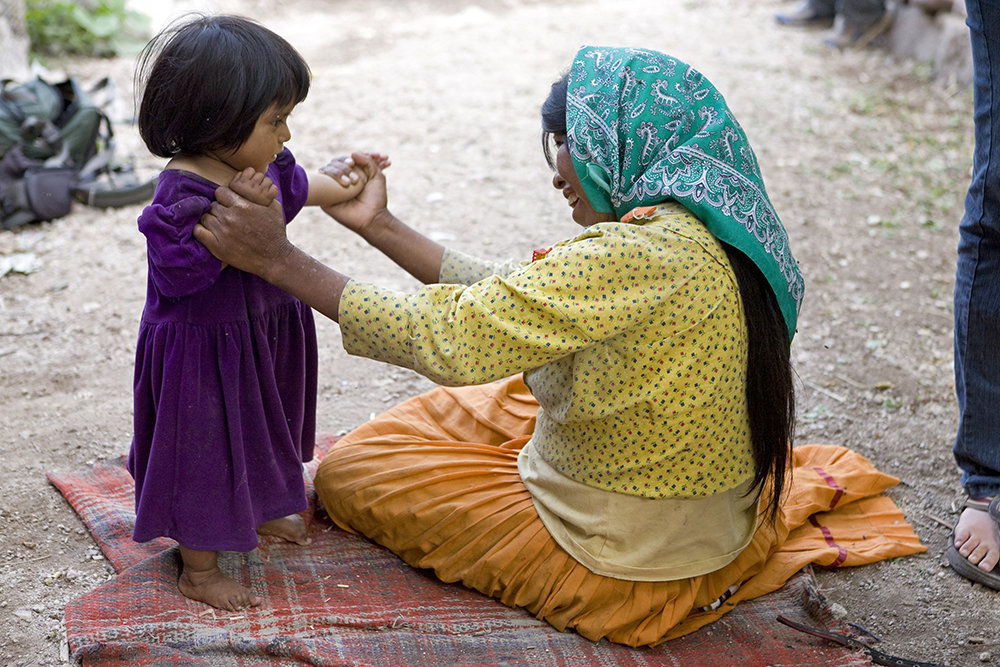
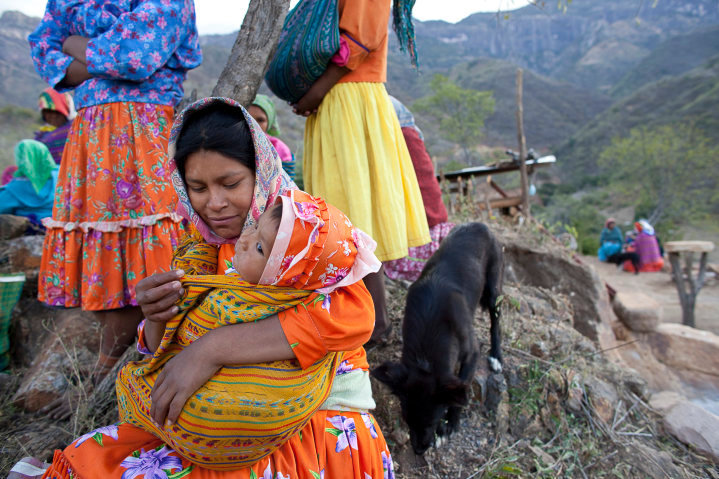
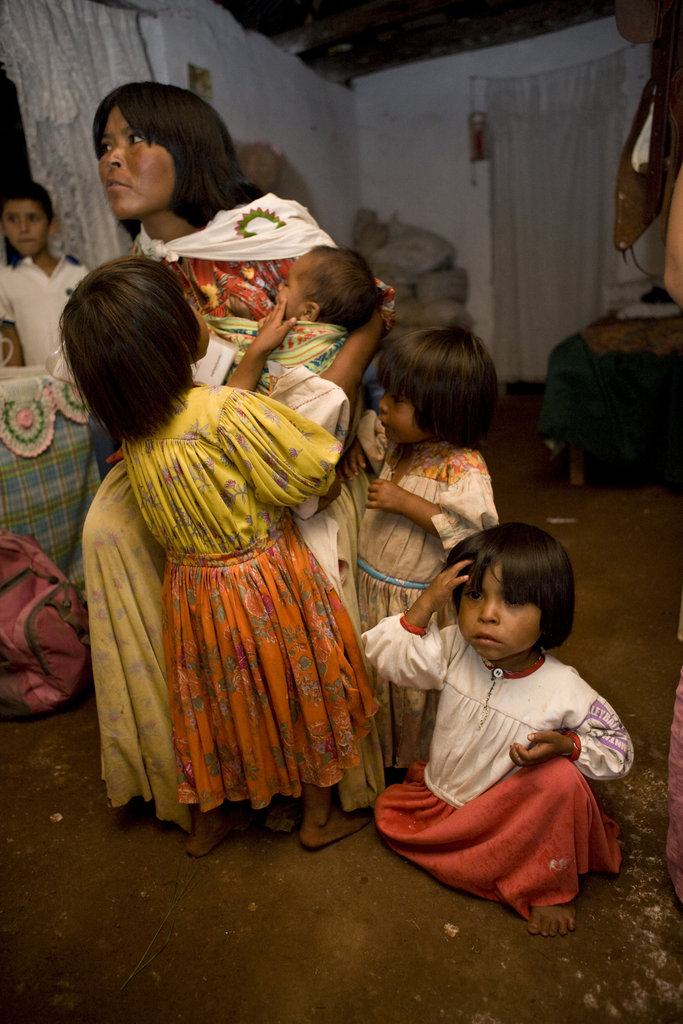
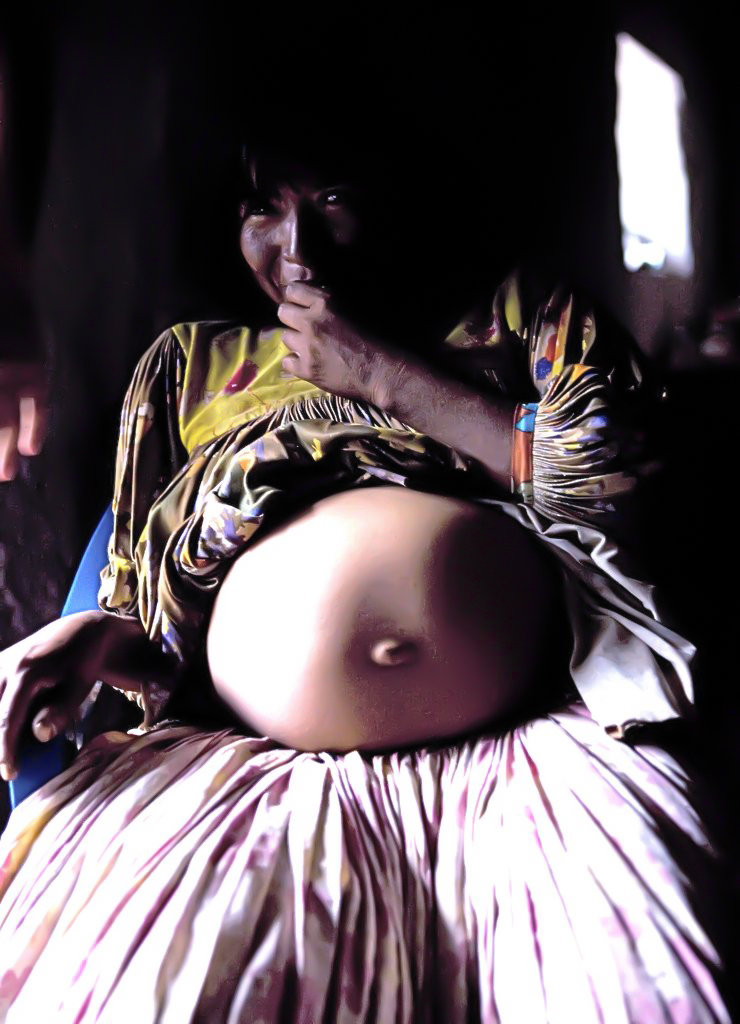
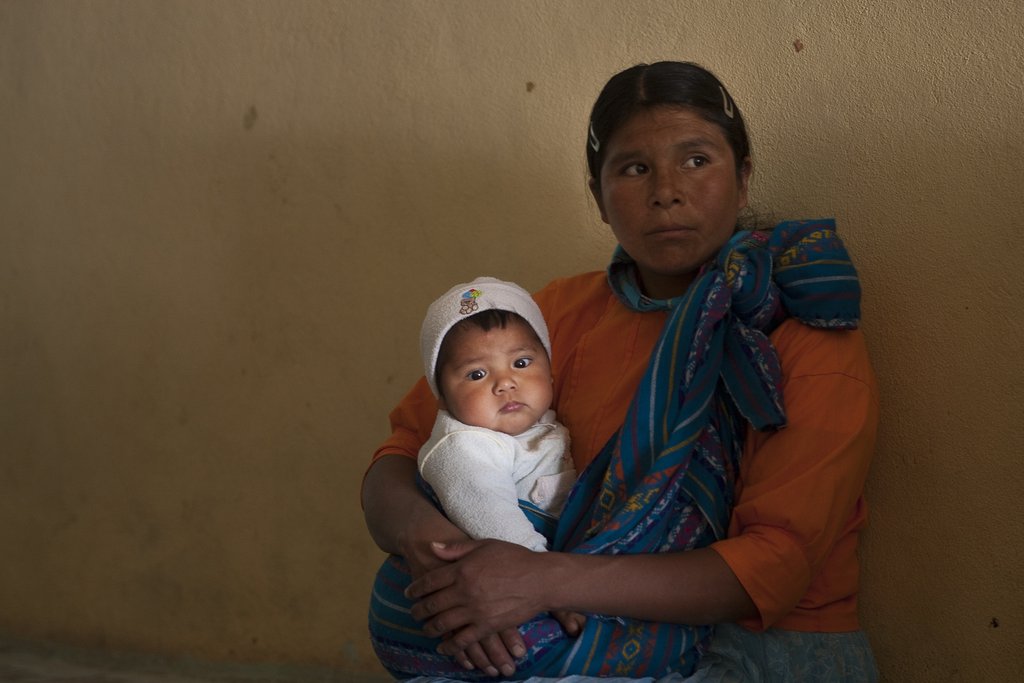
Our new partner, Fundación Vida Digna, a foundation funded by Interceramic, S.A. will be incorporating the Network of Safety model into their mission. Fundación Vida Digna currently works in rural areas of the Copper Canyon and has provided education and health services to these communities for over 10 years. Interceramic is one of the largest tile companies in the world, and we are thrilled that they share our passion to improve maternal and newborn health outcomes for indigenous communities in the Copper Canyon. This is an opportunity to expand our projects to a larger scale within the state of Chihuahua and to more efficiently provide services to the communities at the highest risk there. We are excited to embark on this new partnership with them.
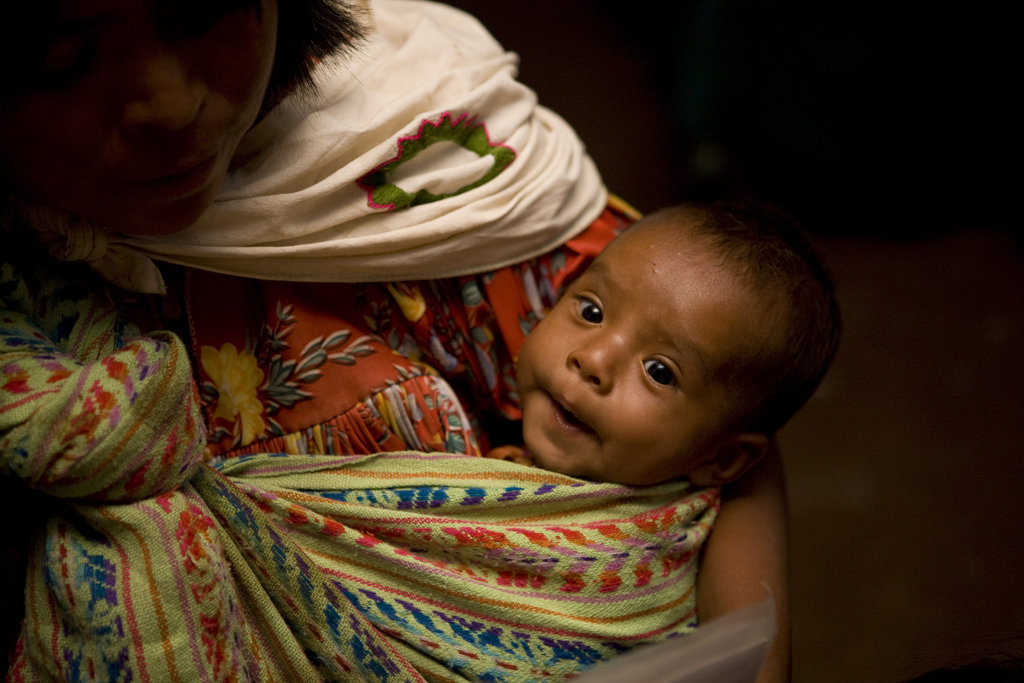
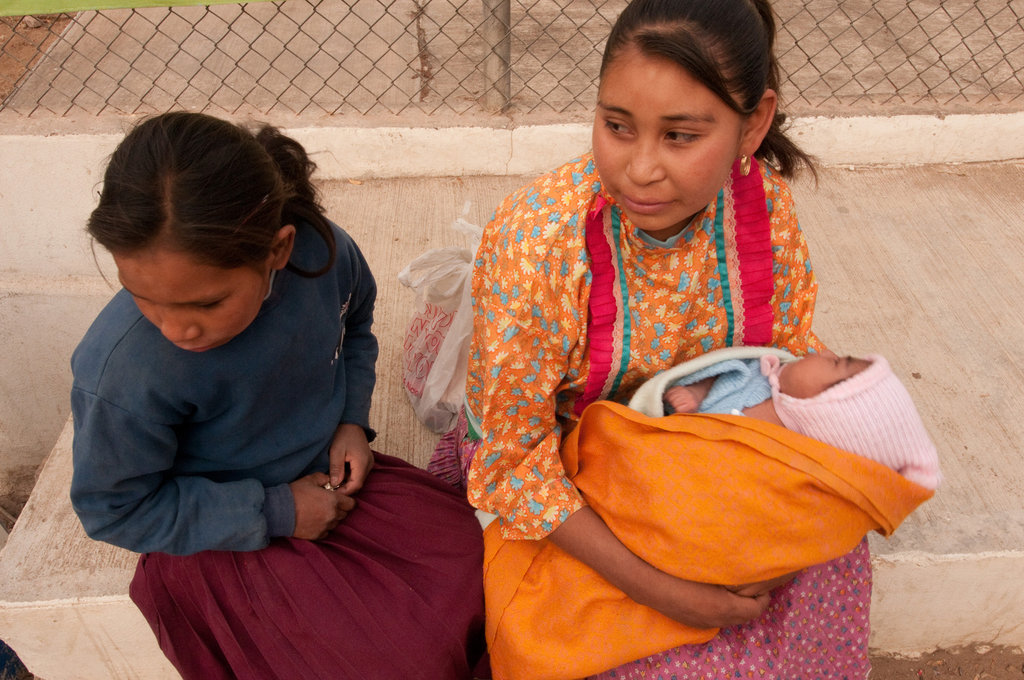
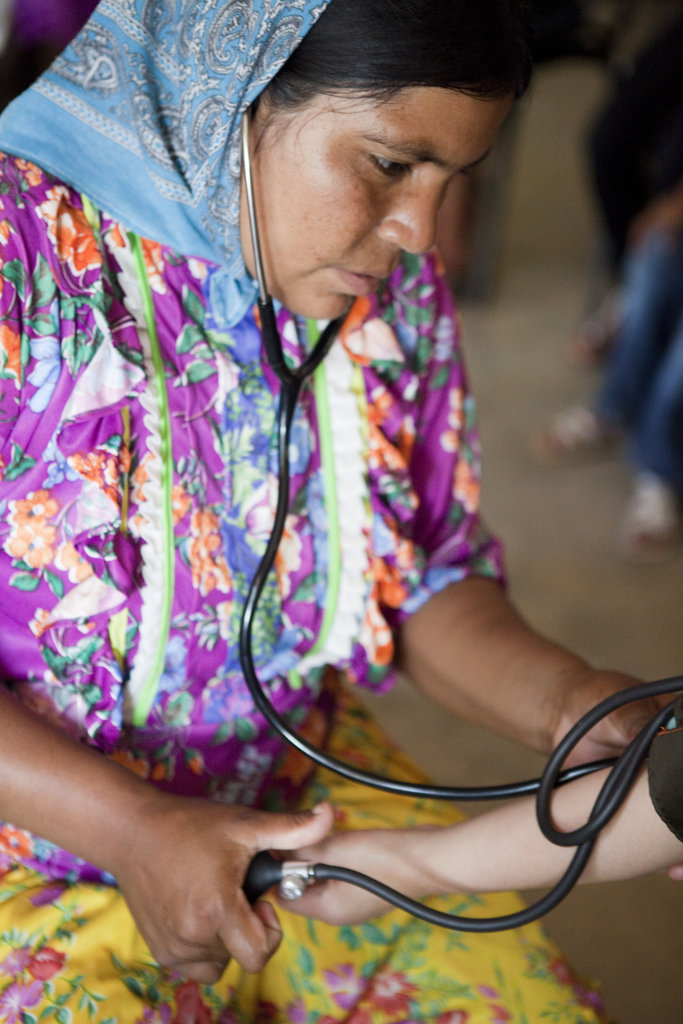
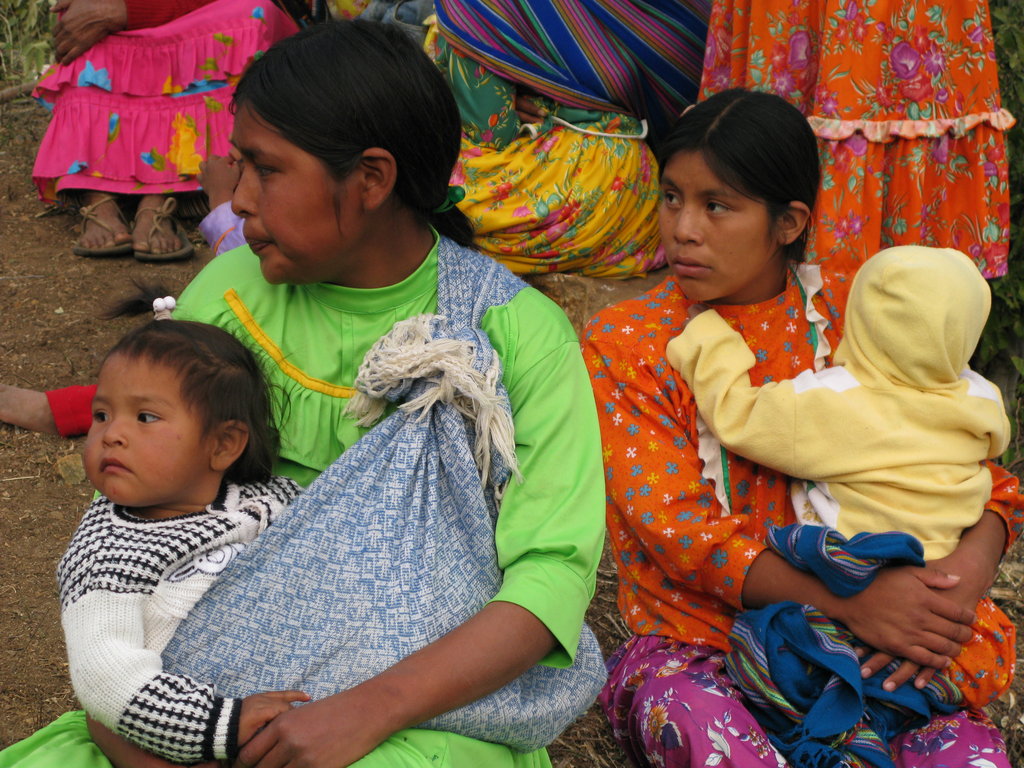
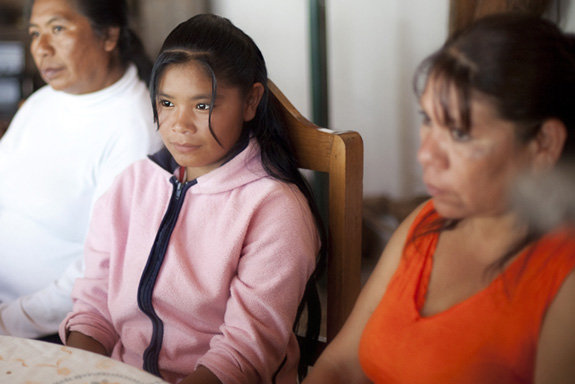
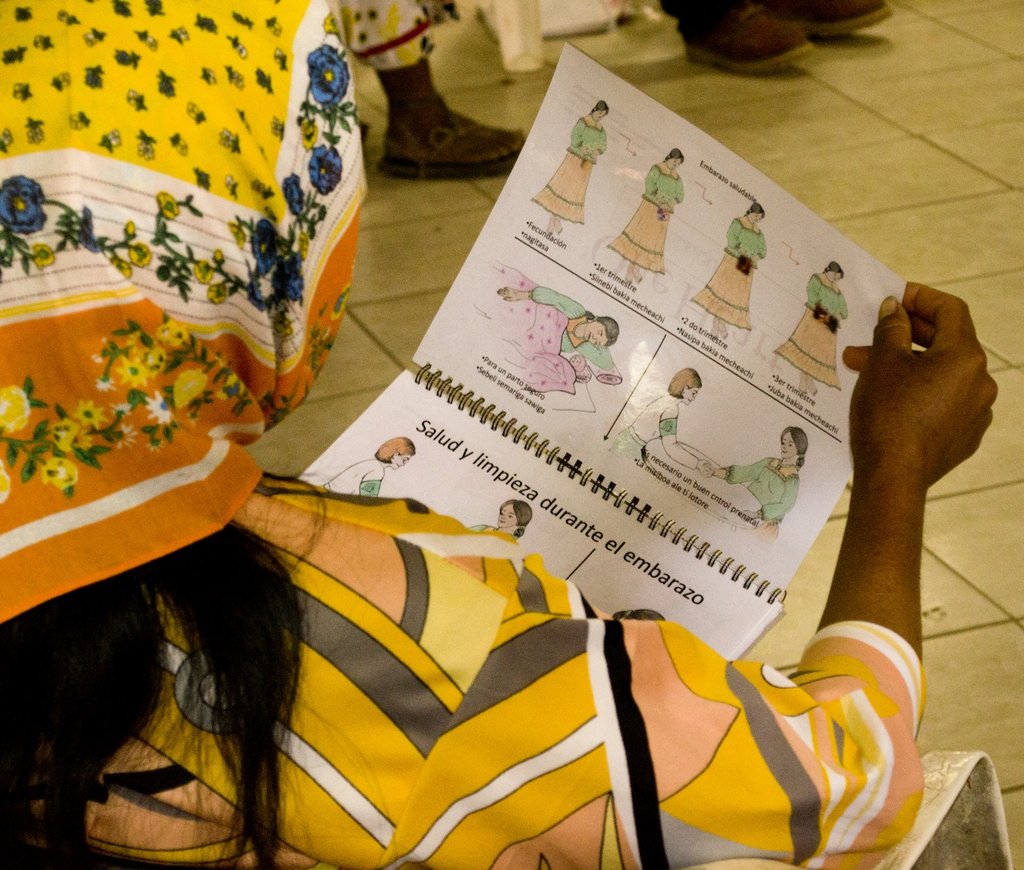
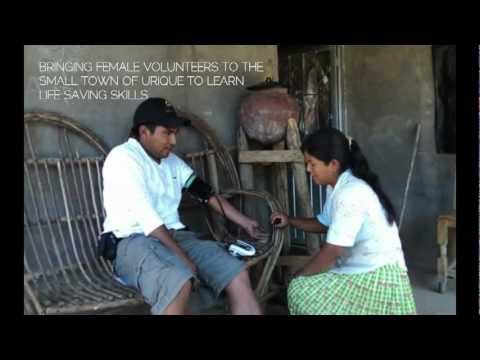
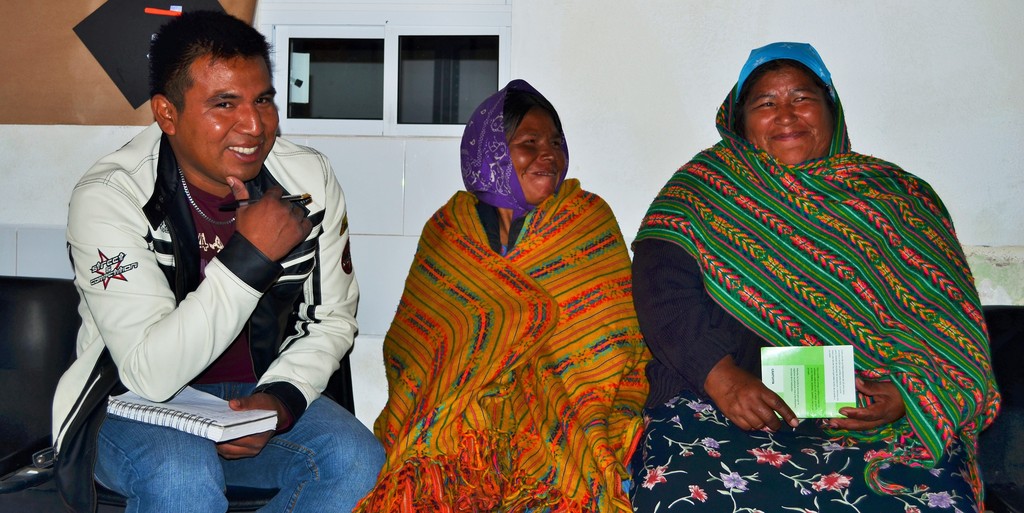
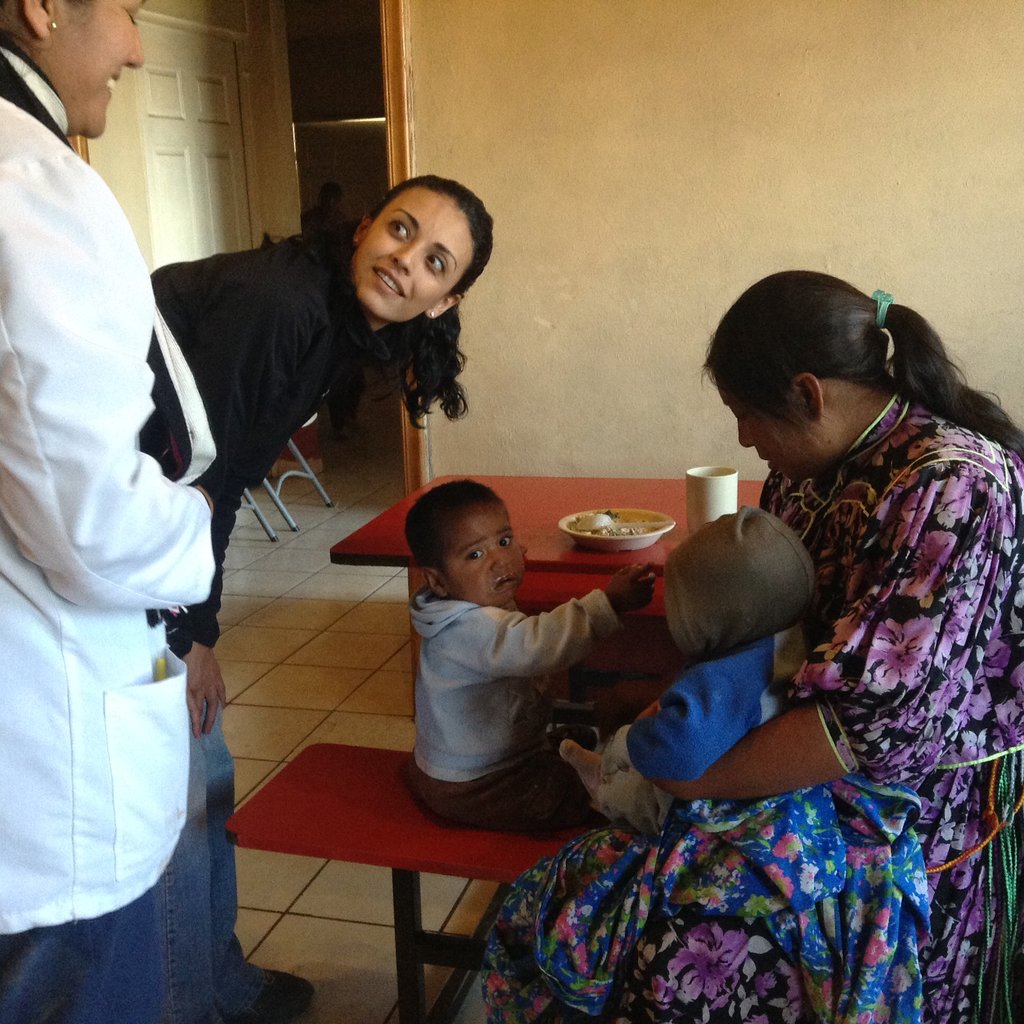
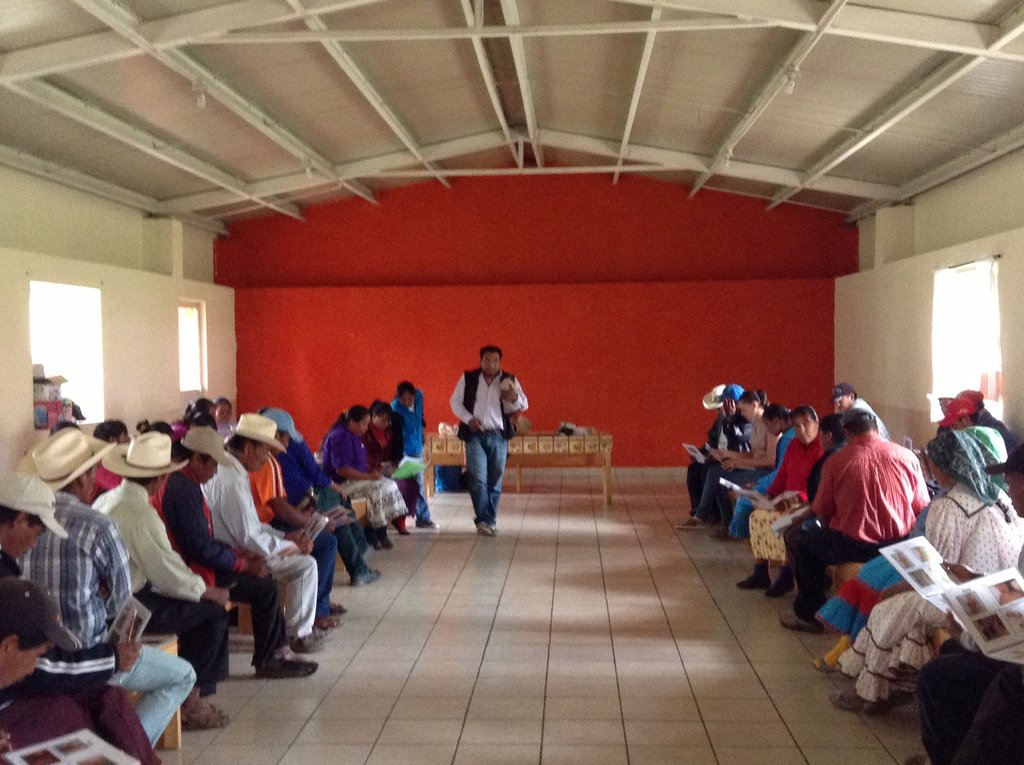
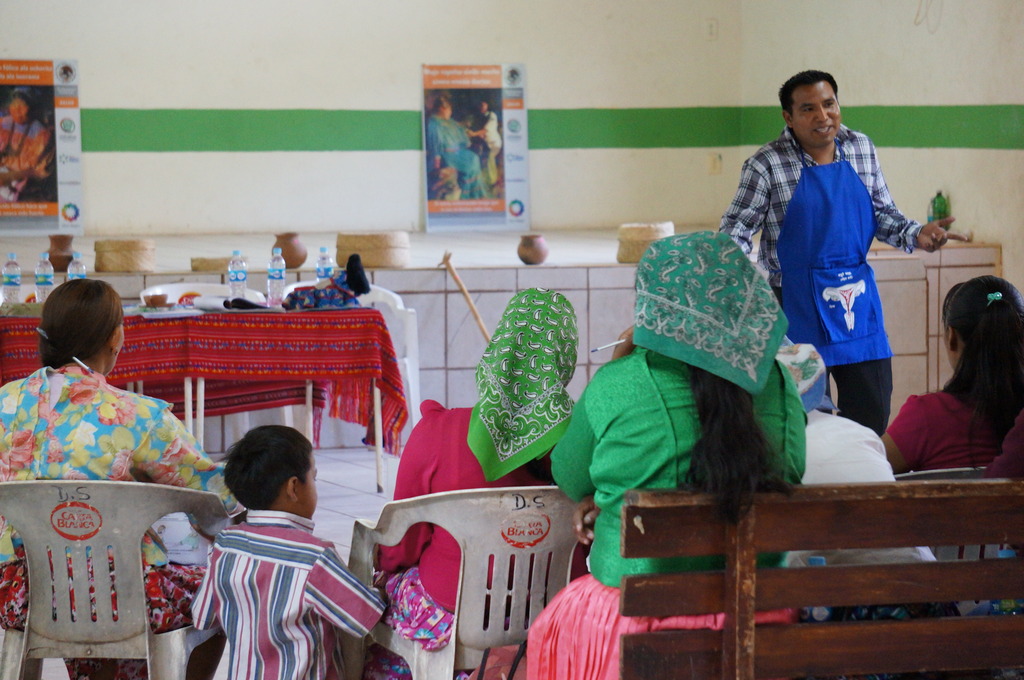
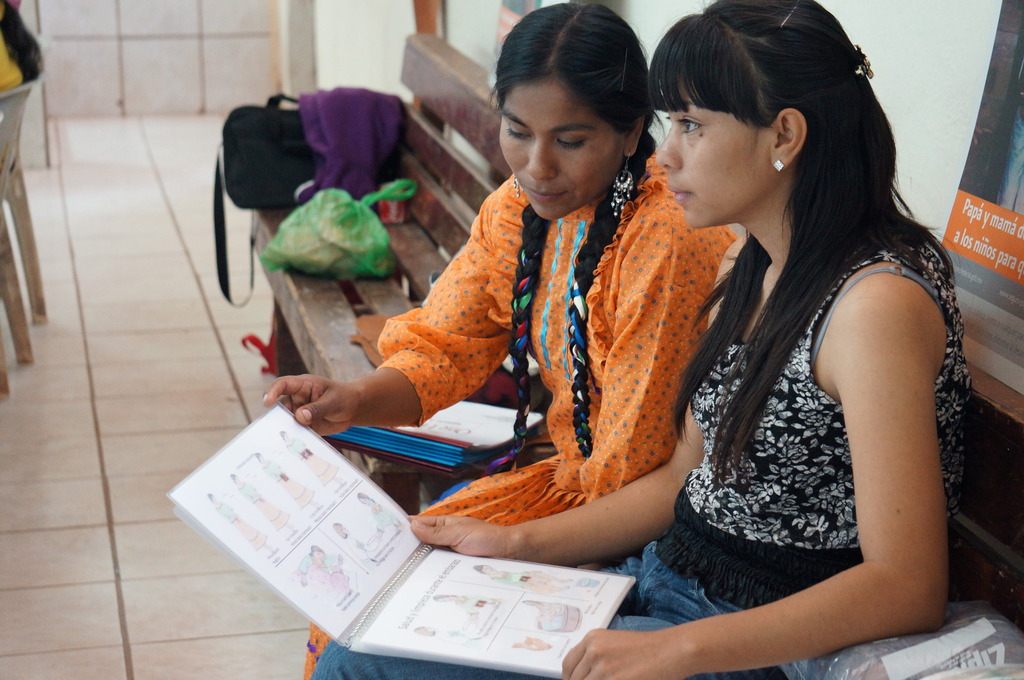
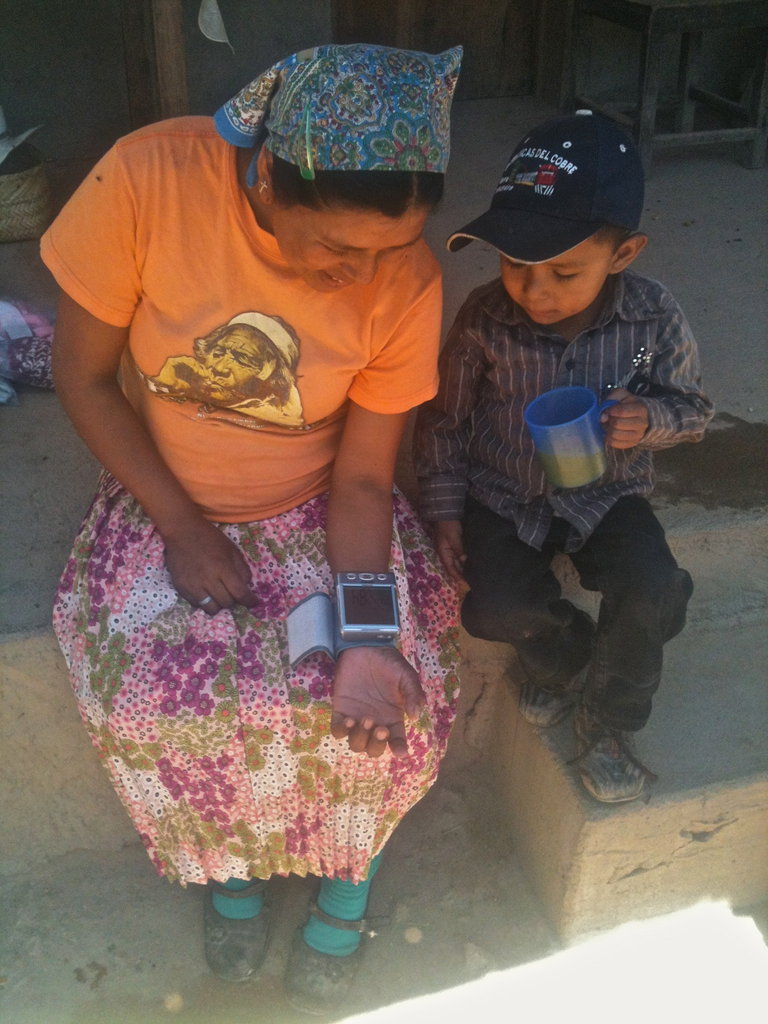
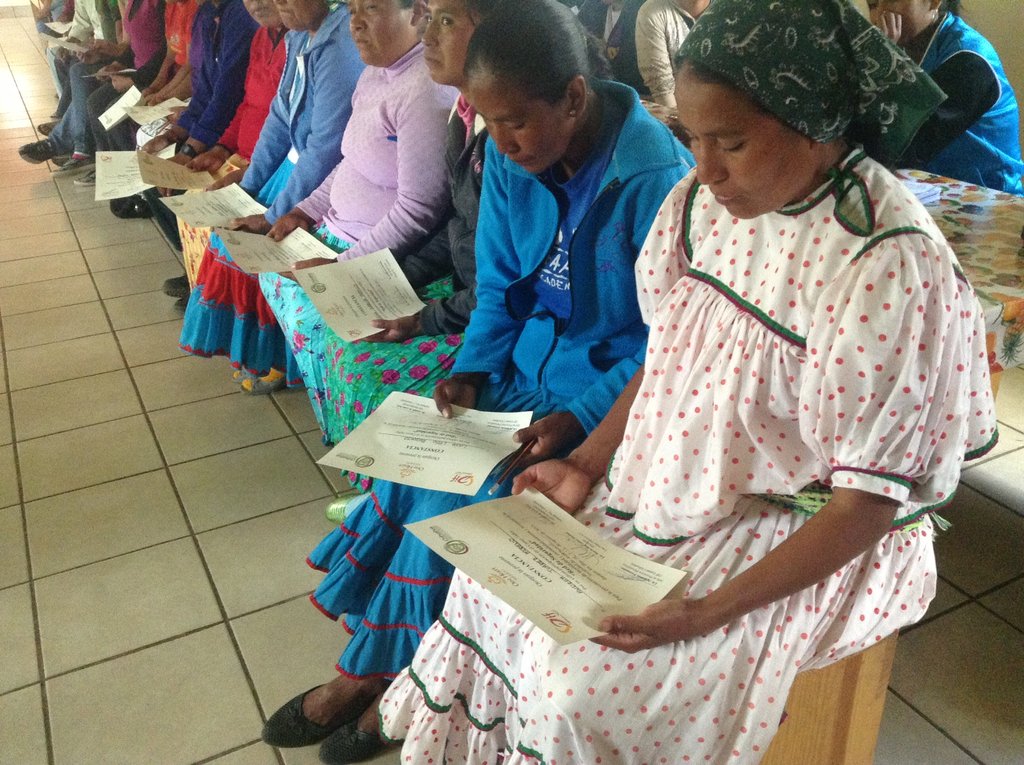
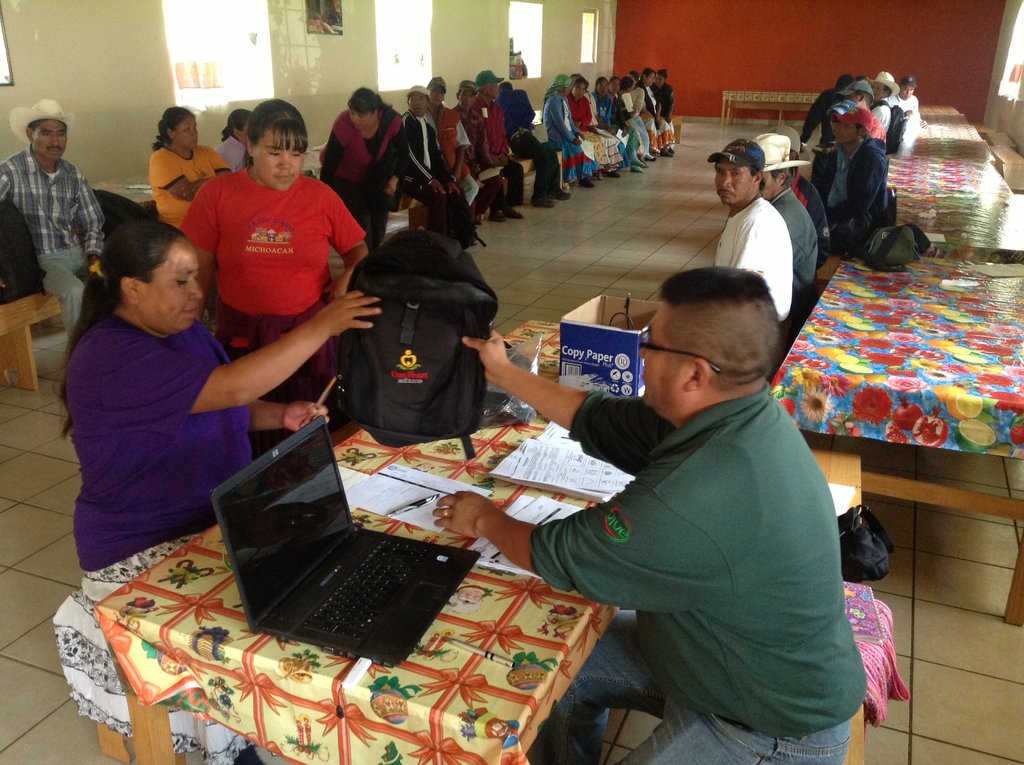
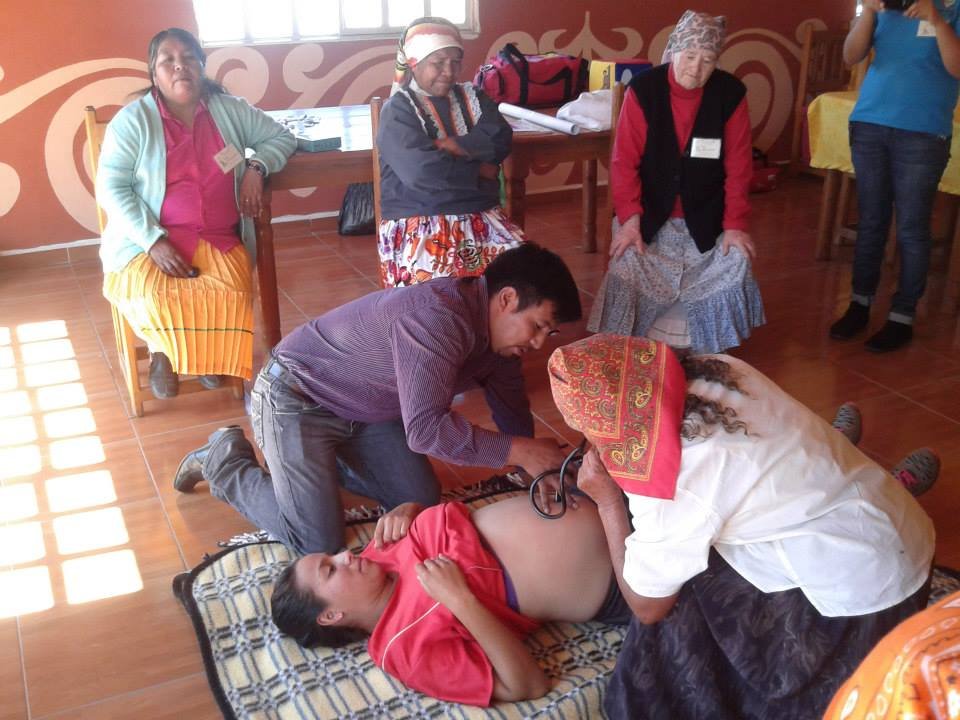
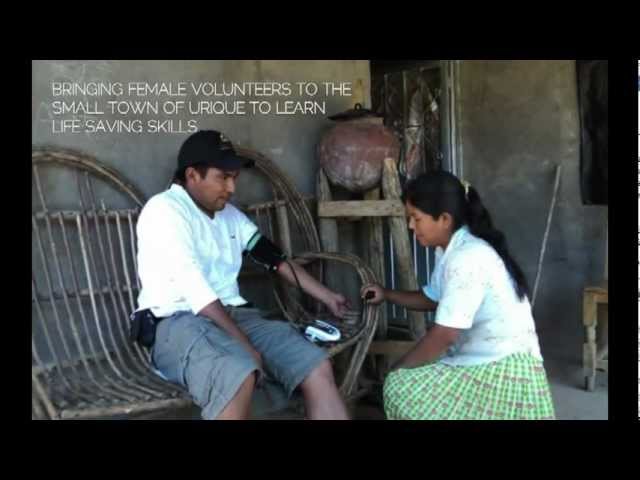
Because the process of creating a new partnership can be time-consuming, we have dedicated much of the past three months to fine-tuning our plan to satisfy the needs and goals of both One Heart and Vida Digna, while maximizing benefit to the Tarahumara people. Despite being busy with planning details, we have been able to provide refresher courses for 60 community volunteers from the municipality of Guachochi in basic prenatal care. By the end of this year we will have trained at least 4 more groups of 60 people each, totaling 300 community volunteers. We expect the number of volunteers trained to increase steadily next year, therefore enabling us to reach out to larger numbers of women in need of improved access to maternal and newborn care.
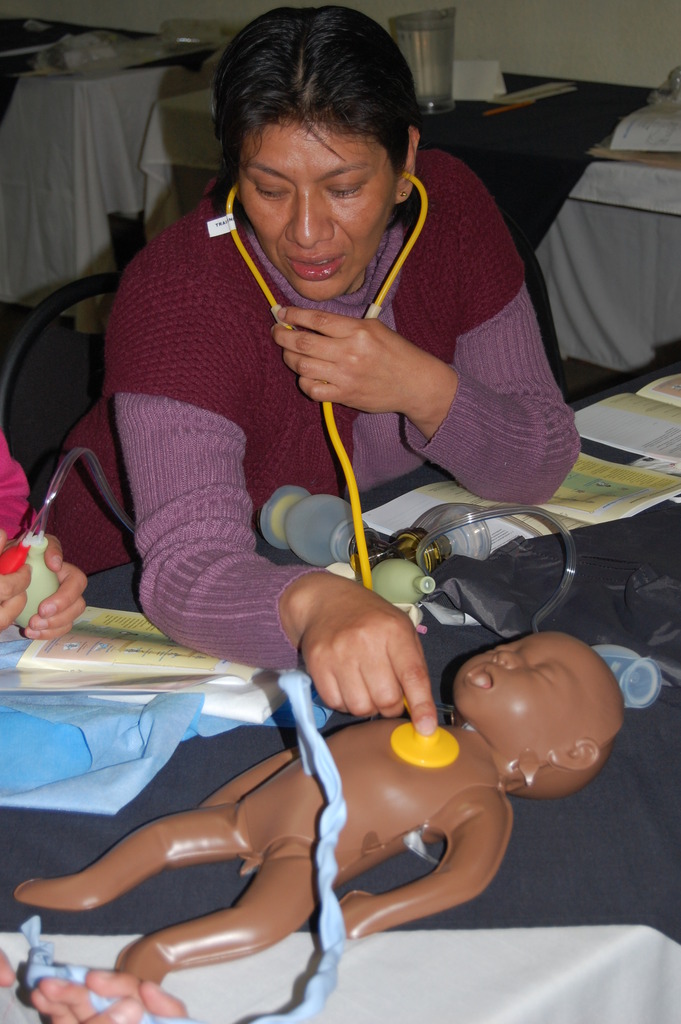
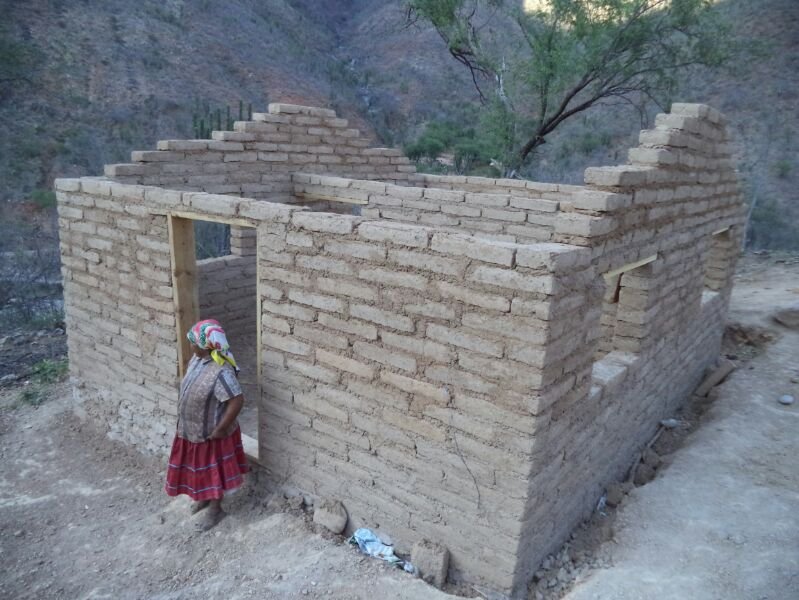
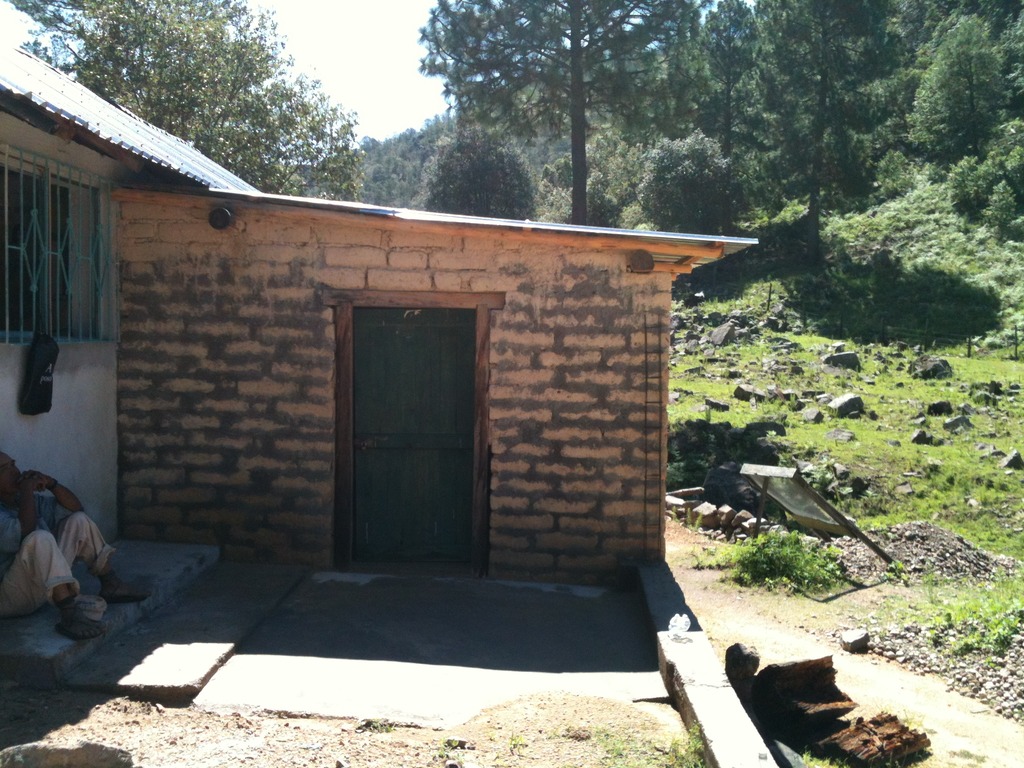
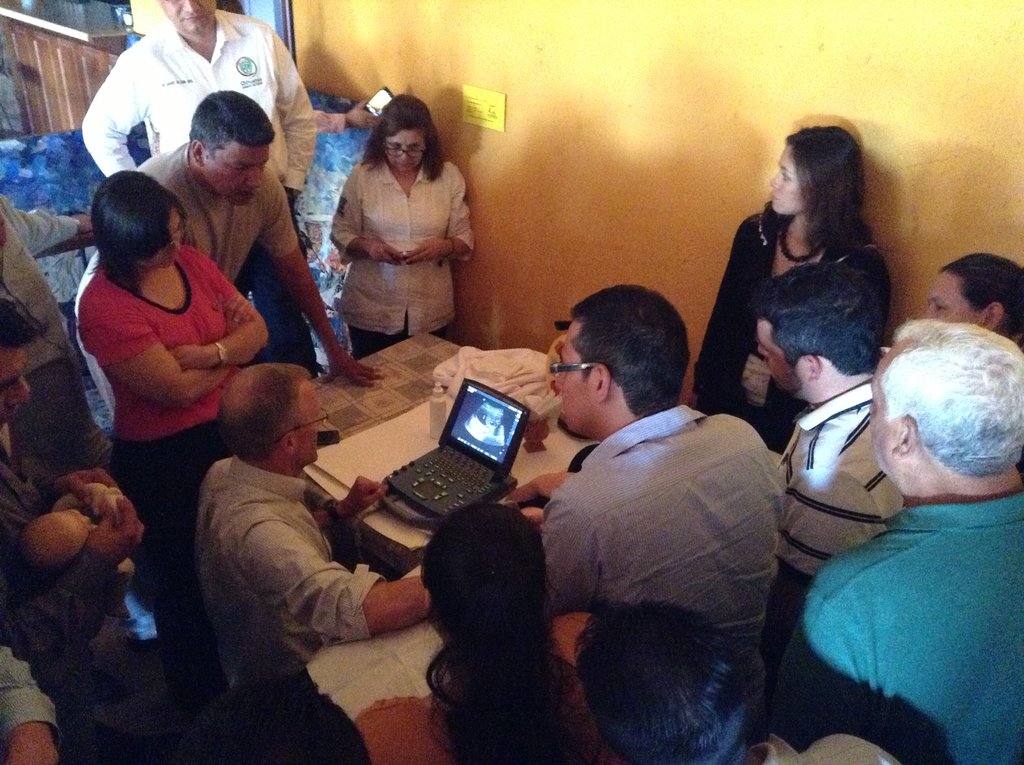
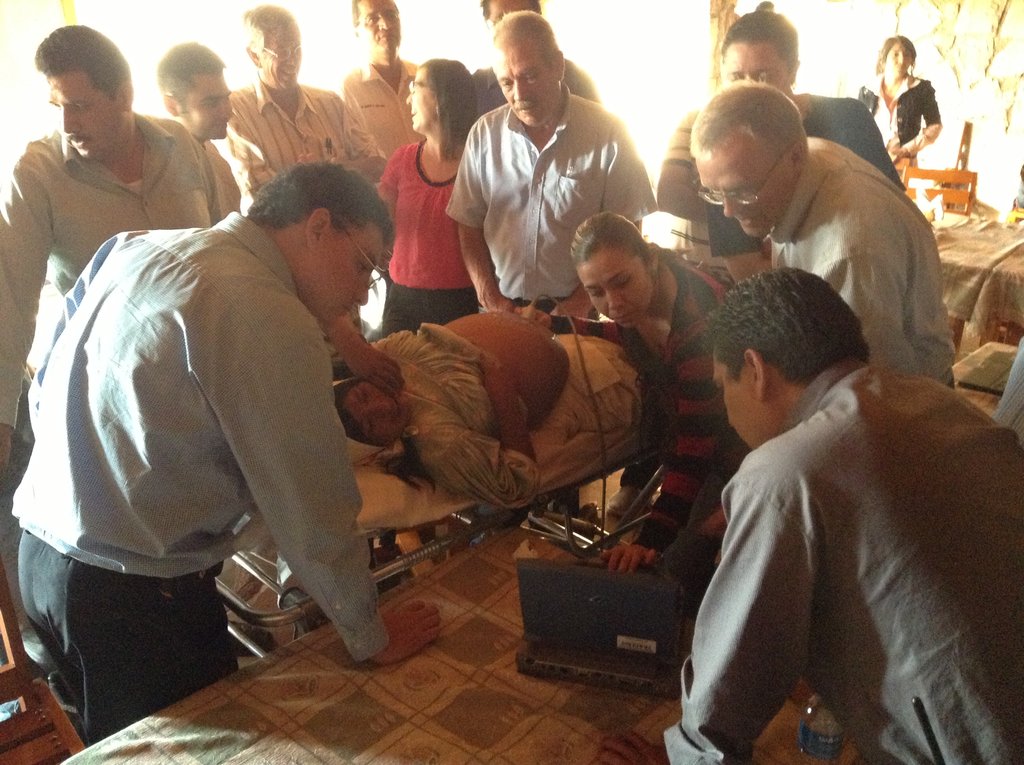
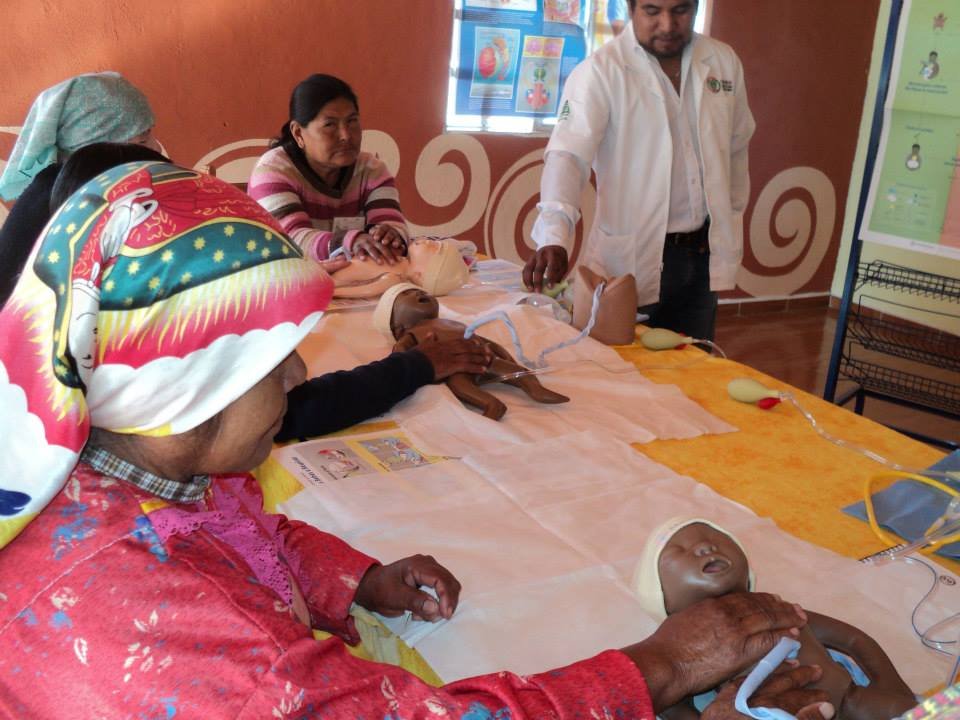
As part of the new strategy, we have decided that outreach health workers will participate in a new motivation program. Outreach workers present the largest support for our community volunteers, and through them, volunteers are able to learn the difficulties faced in rural communities. The outreach workers will attend at least one One Heart training every three months so that they can share their first-hand experiences of working with people in the communities so that volunteers may learn more about the people and the environment they live in. Additionally, we will hold two trainings for health personnel covering Emergency Obstetrics, Helping Babies Breath and the use of ultrasound this year. These trainings will cover at least 80 health workers. Right now, they are working on building a new birthing center in Urique to provide a safe space for women to deliver with midwives in the Canyon.
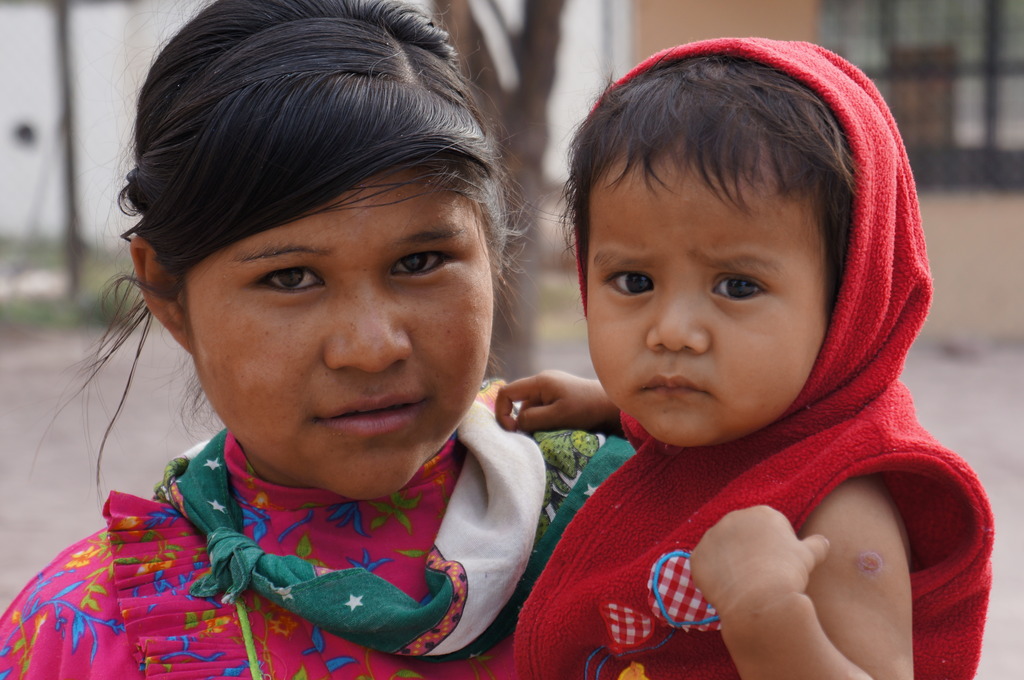
We are certain that our new partnership will bring excellent results by the end of this year, and for that we are very excited. Your help has been essential, not only to this process, but to the entire project. The funds we have received has allowed us to continue to train health workers and volunteers and to provide much-needed support needed to the Tarahumara communities in the Copper Canyon while we plan for the future of the program. One Heart World-Wide and all of our staff are very proud of the work that has been done under our watch. We have trained hundreds of community volunteers and health professionals, learned from the local communities, and improved birth outcomes for women and newborns in the Copper Canyon. We are incredibly grateful for the support of the GlobalGiving community – we couldn’t have done it without you.
Thank you from the One Heart World-Wide family.
This will be the final report for this project. If you would like to continue to support our work in Nepal, please take a look at our project Saving lives, one birth at a time: http://goto.gg/8860
Links:
By Jenny Holl | Administrative Manager
By Jenny Holl | Administrative Manager
Project reports on GlobalGiving are posted directly to globalgiving.org by Project Leaders as they are completed, generally every 3-4 months. To protect the integrity of these documents, GlobalGiving does not alter them; therefore you may find some language or formatting issues.
If you donate to this project or have donated to this project, you can receive an email when this project posts a report. You can also subscribe for reports without donating.