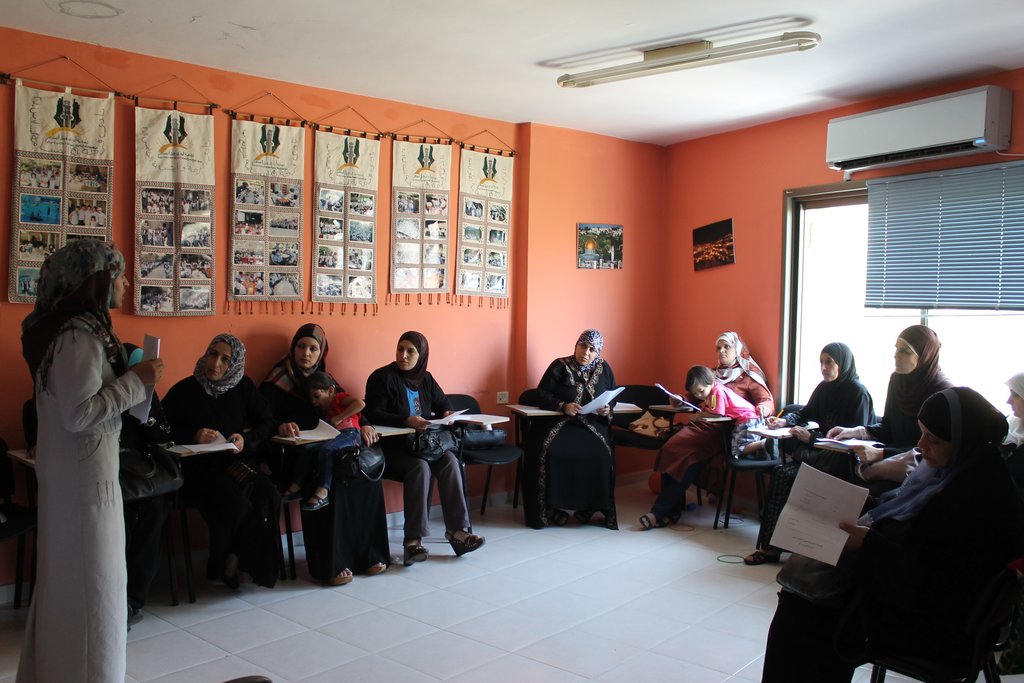
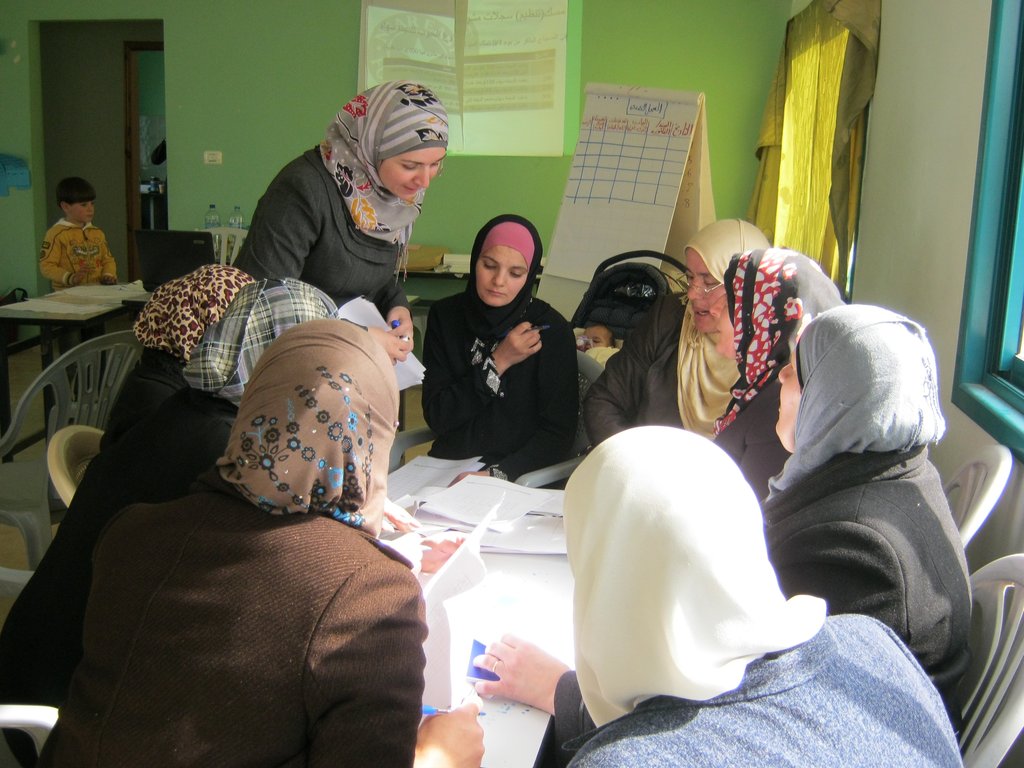
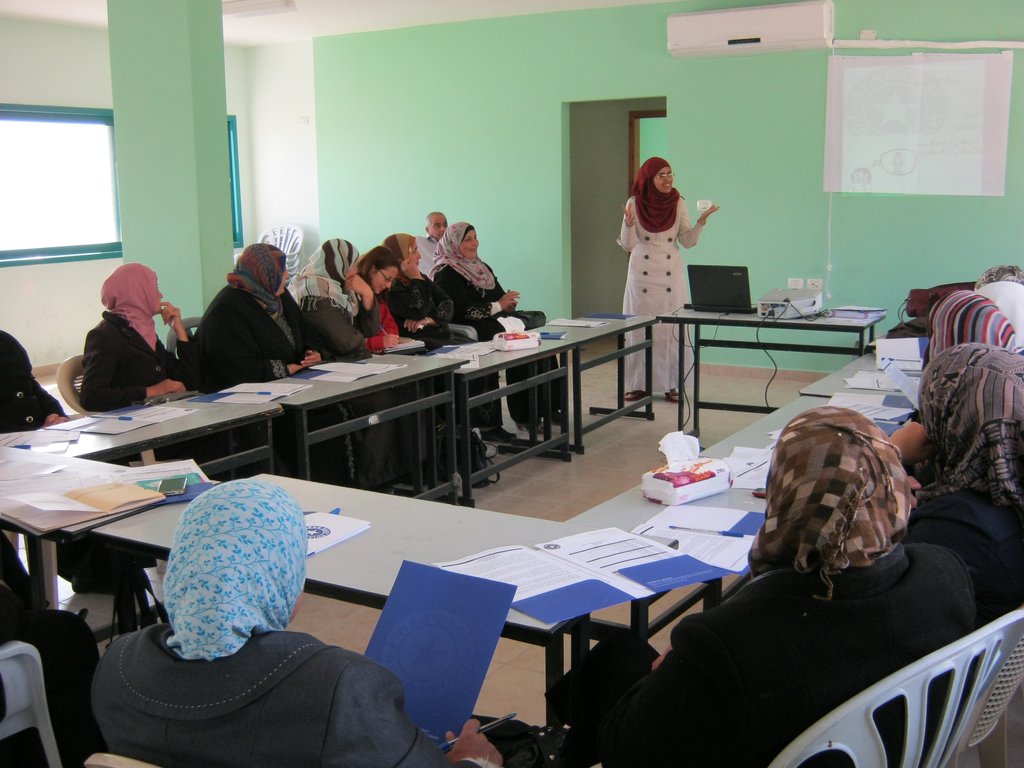
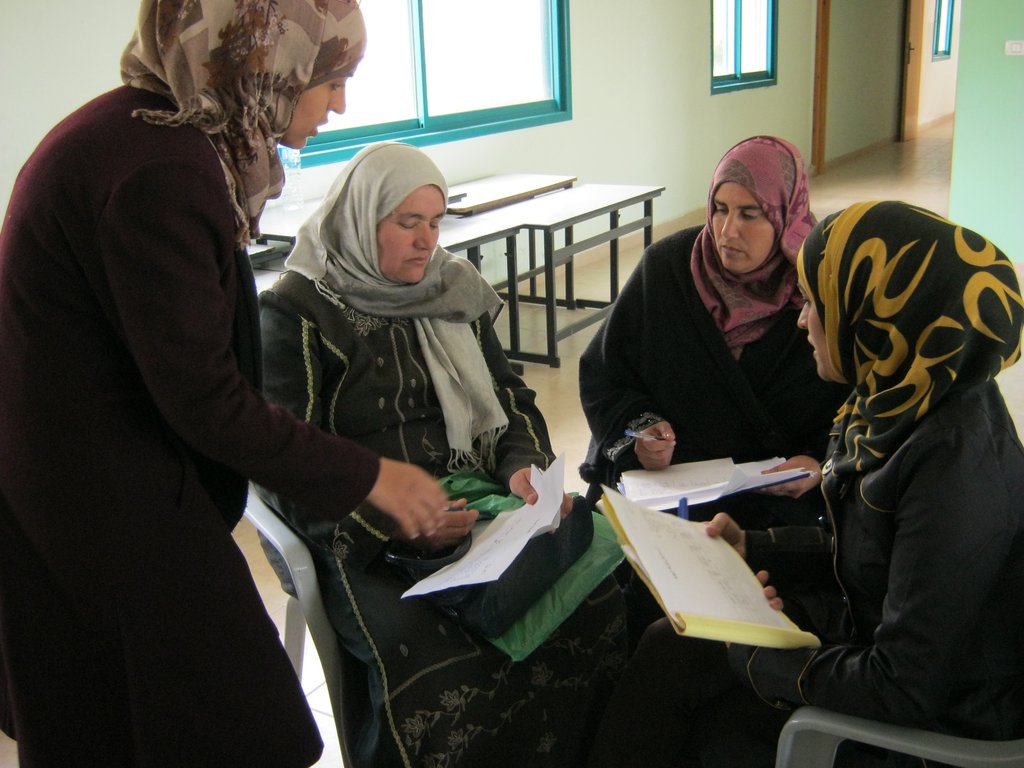
![Palestinian women in a recent NEF training session]()
Palestinian women in a recent NEF training session
Women in the West Bank village of Qabatia are busy planning for their future business after learning about a new opportunity: making stone carvings.
Stone cutting is a leading industry in the area – but it has always been dominated by men because of the physical effort required for many jobs. However, at a recent NEF workshop in the community to discuss income-generating opportunities for women, a representative from the local stonecutters union introduced the idea that women could work with stone remnants – a low-cost by-product of manufacturing – and transform the smaller stone pieces into carvings or home decorations for sale.
In Qabatia and elsewhere in the West Bank, NEF continues to empower women by supporting them in developing business opportunities in both innovative and traditional industries. We provide the training and financing they need to make their dreams of earning an income a reality.
Since our last report, 53 Palestinian women have participated in business development workshops sponsored by NEF in the villages of Qabatia-Jenin, Nablus, and Salfeet.
During the multi-day training sessions, women learn a variety of skills – such as product development, management, accounting and finance, and marketing.
After completing the training, they are encouraged to submit a business plan for consideration of funding.
This year, NEF has approved 40 business plans proposed by women in the West Bank to receive financing and begin the development process. The plans are selected based on criteria such as the business idea and a market evaluation of their competitive advantage in the area.
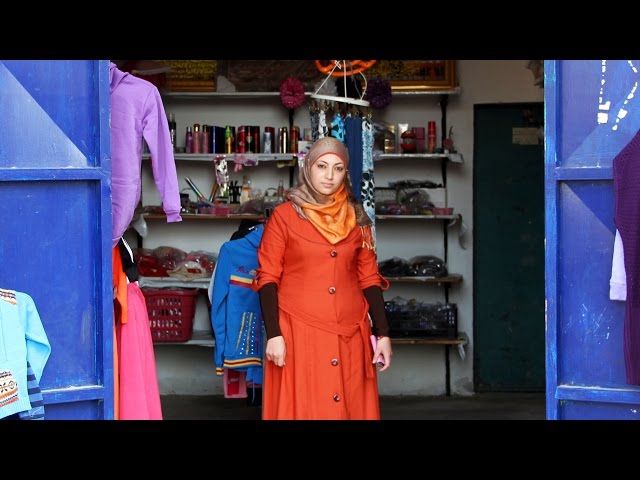
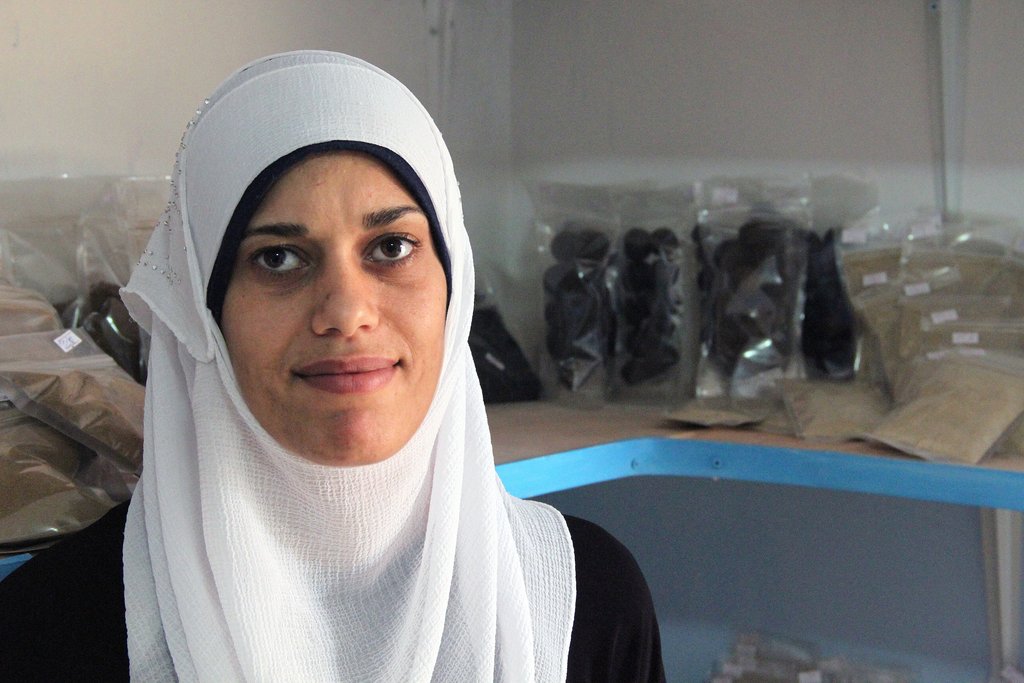
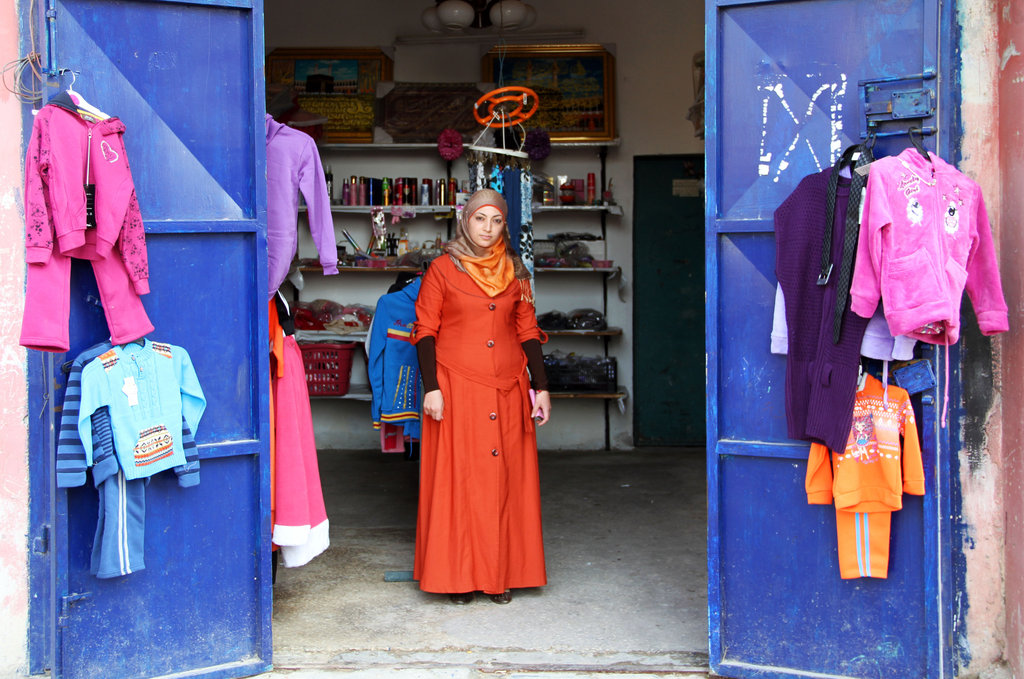
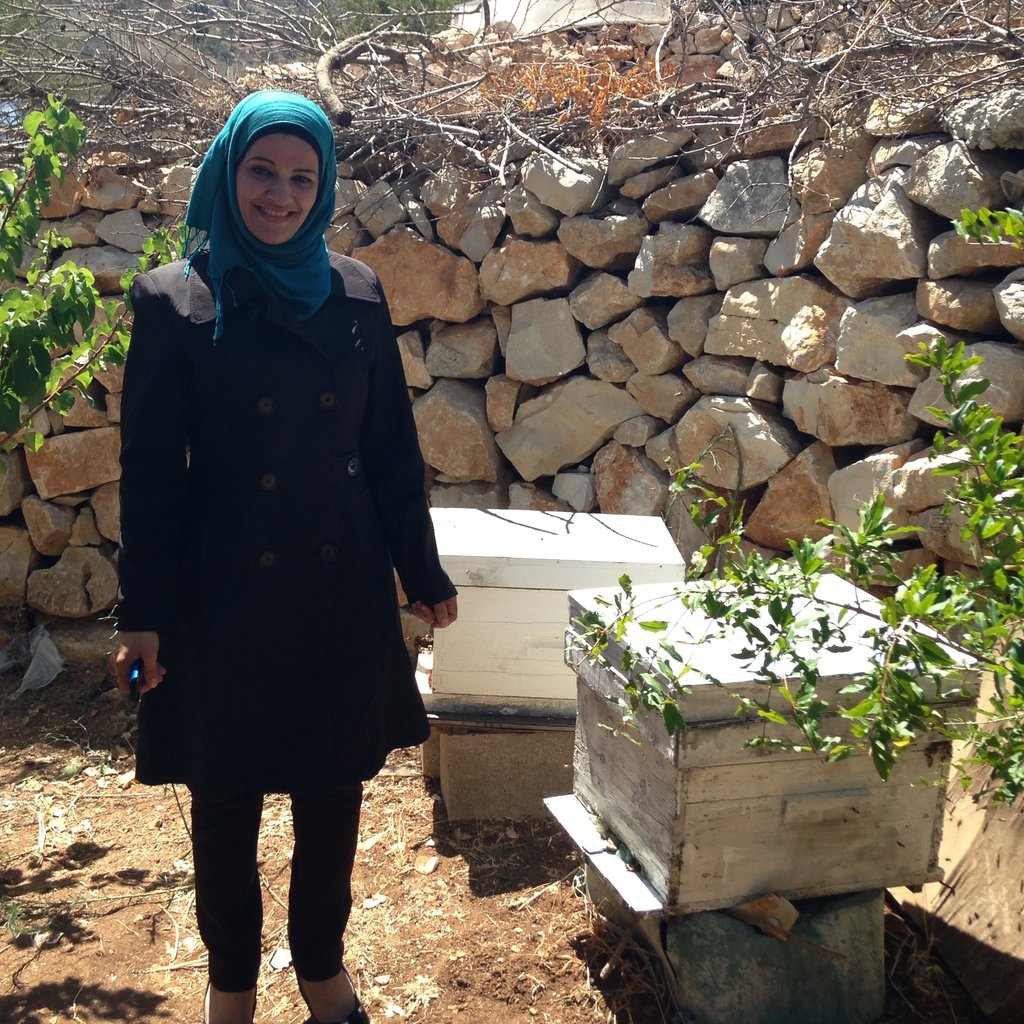
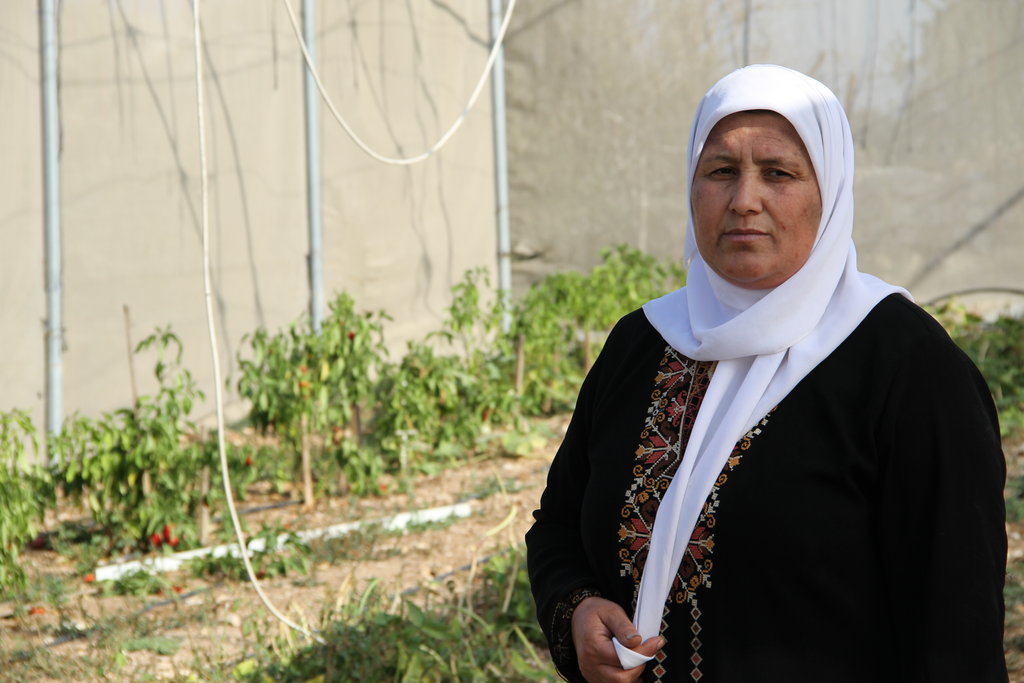
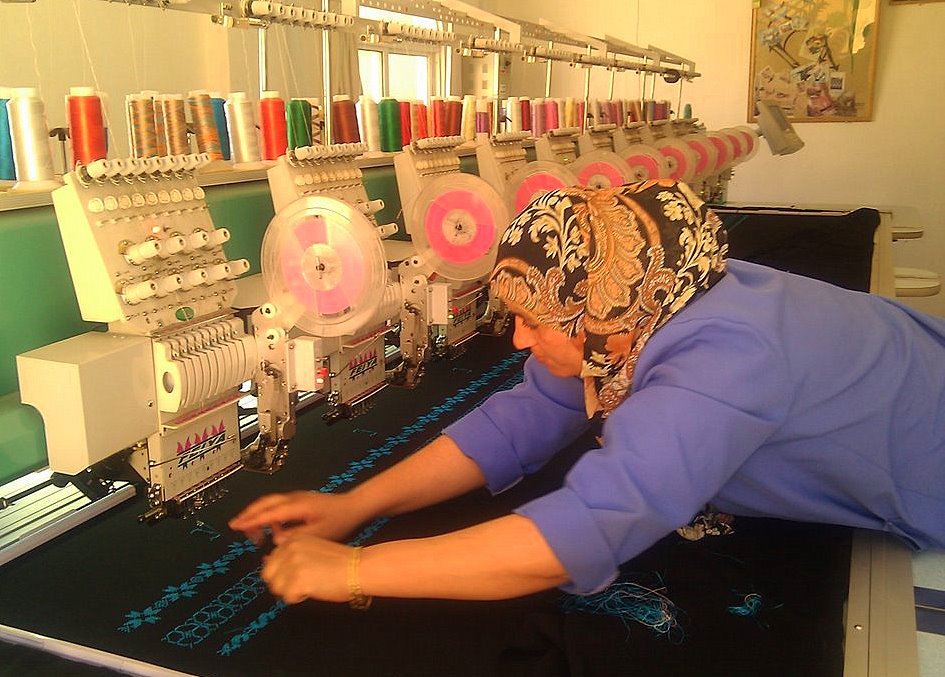
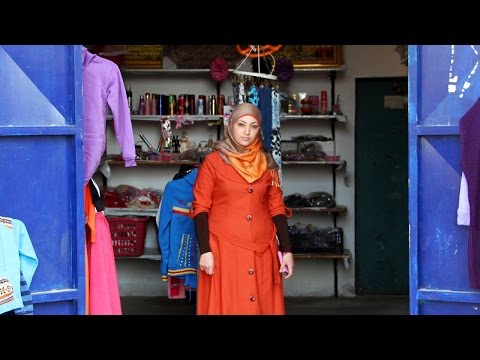
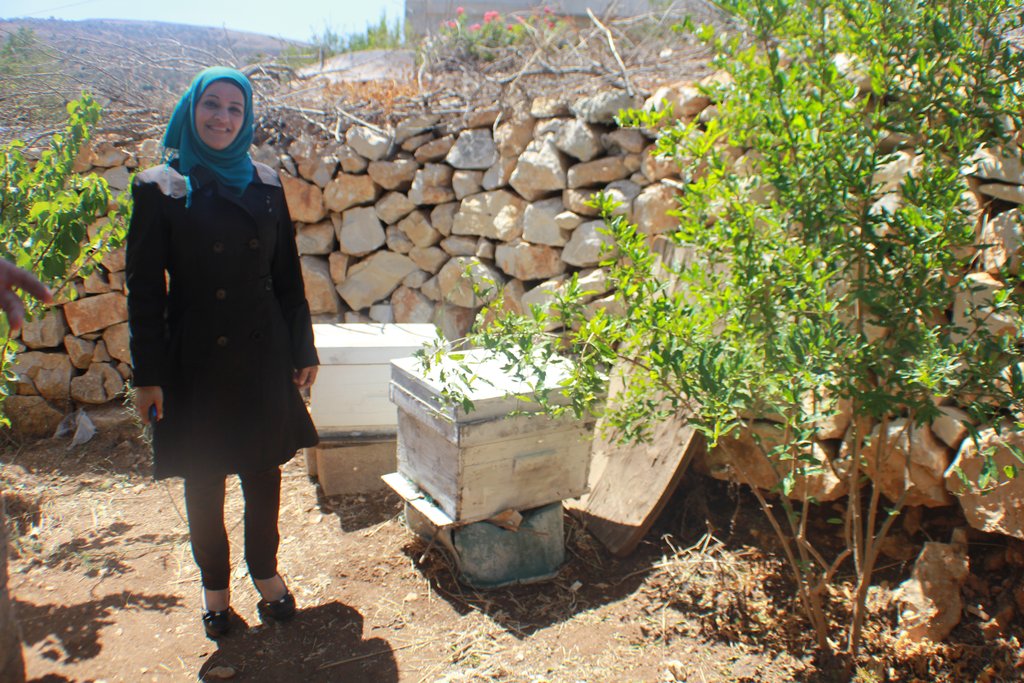
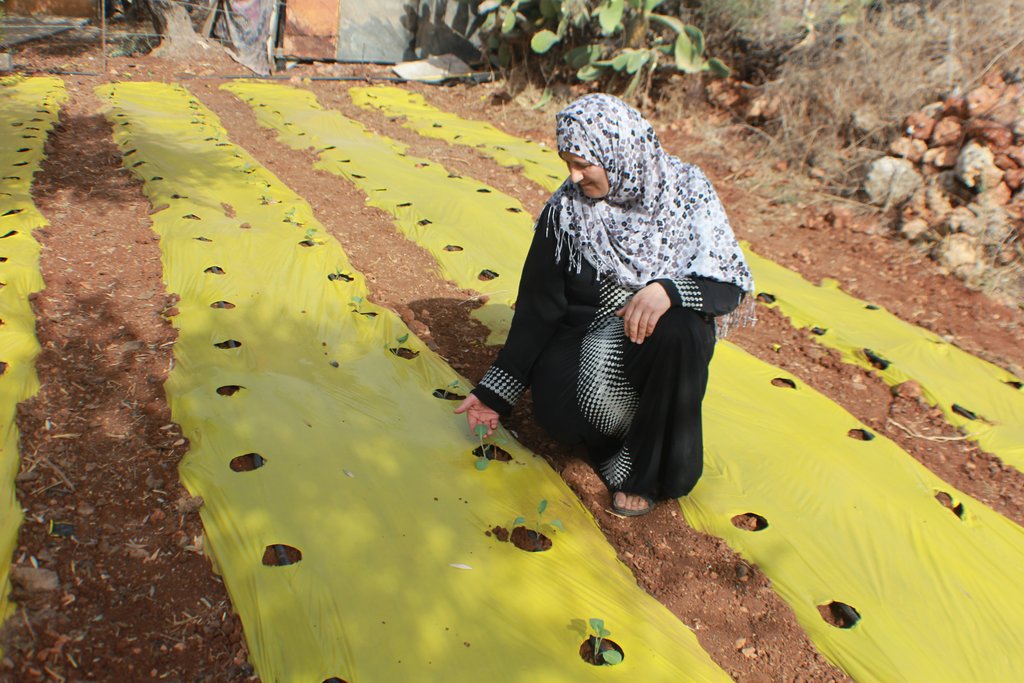
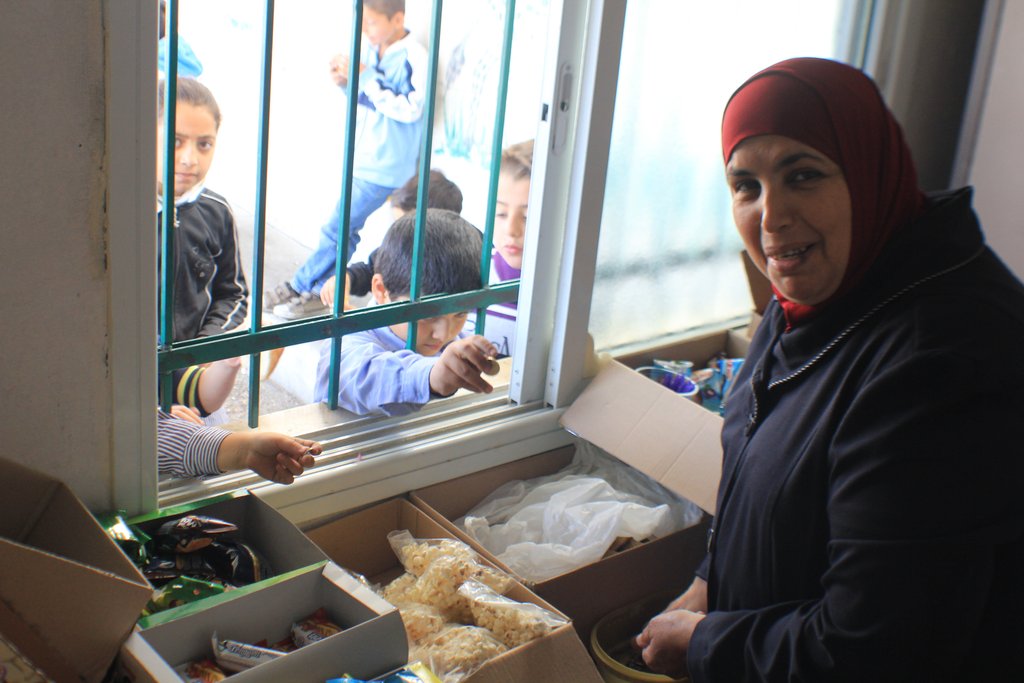
The women will pursue businesses in farming, food processing, and other areas – like craft production or retail shops. They range in age from 25 – 56 years old and have education levels varying from no secondary education to a university degree.
Beyond financial support, NEF will help coach the women at every step of the way as they develop and launch their businesses.
We are also supporting economic development more broadly in the West Bank by bringing community residents together to identify income-generating opportunities for women, based on local needs, skills, and demands.
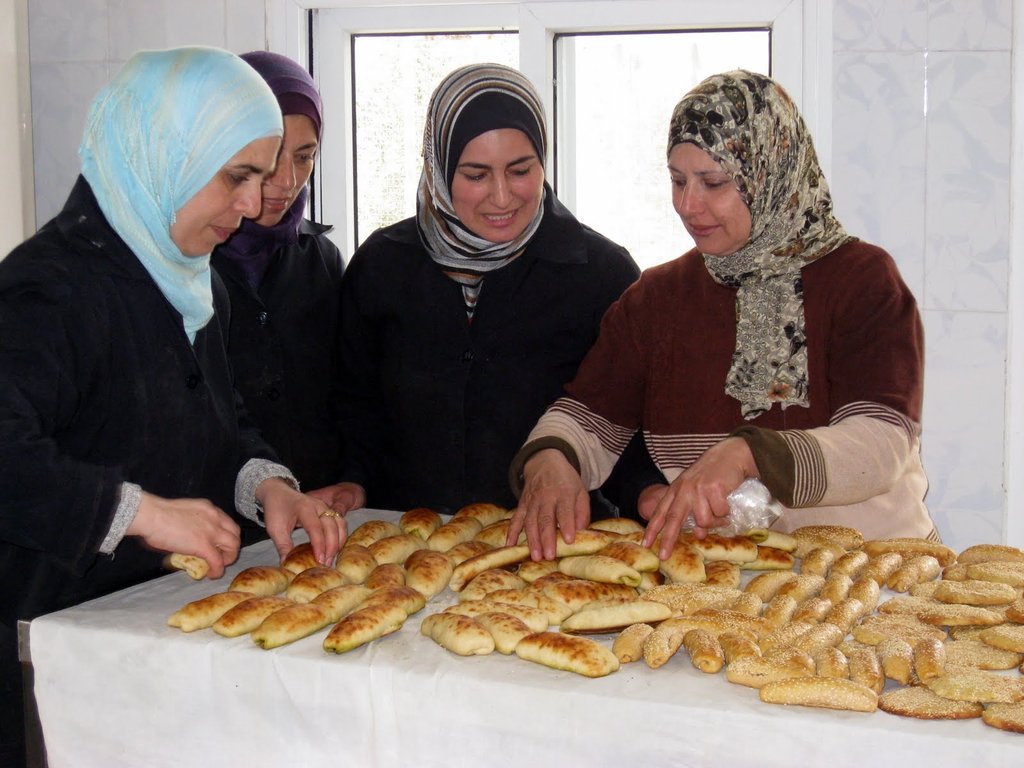
Sometimes these discussions involve brainstorming solutions to barriers that prevent women from working in a certain area – like the women working with stone remnants in Qabatia. In Salfeet, one of the opportunity areas discussed was cooking and baking. While this is a traditional business of both men and women in the West Bank, men generally operate their own retail bakeries to earn an income while women produce at home and sell only when they have pre-orders. The group discussed ways for women to increase sales by better promoting their products.
Beyond providing direct support to women in the West Bank, the NEF team is working to improve the likelihood of success for women’s businesses there by making recommendations to others who can support them. This includes state and local governments, as well as local organizations and businesses – all of whom play a role in fostering economic development activities for women in their community.
In the coming months, we will help women continue their business development and build toward launching their own businesses!
THANK YOU for your support of this vital work to create economic opportunities for impoverished Palestinian women and their families!
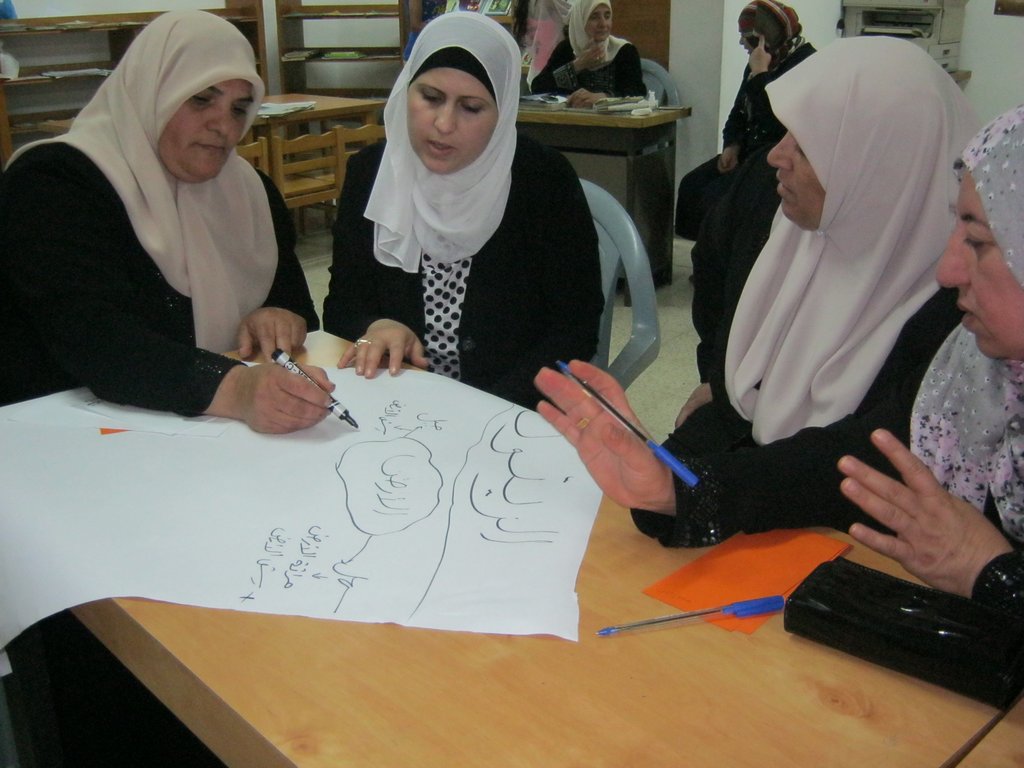
![Women brainstorm business opportunities]()
Women brainstorm business opportunities
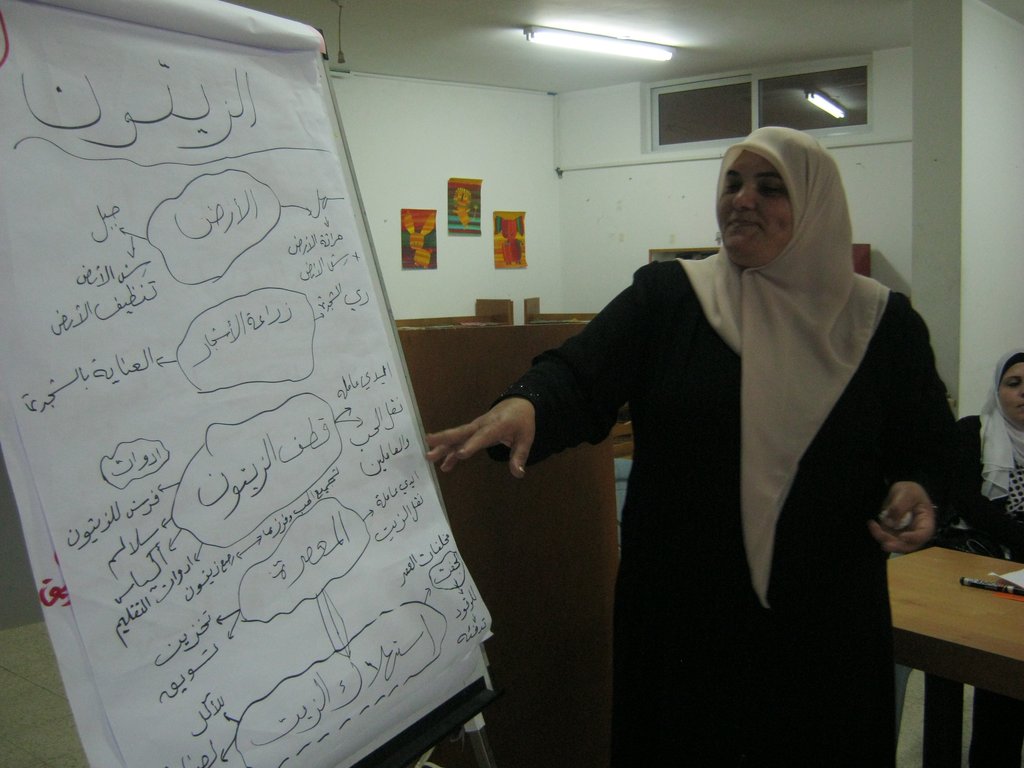
![And share their ideas with other women]()
And share their ideas with other women
![Share on Twitter]()
![Share on Facebook]()