Project Report
| Oct 12, 2017
Last report for Minilibraries!
By Mario Raimondi | Executive director
![]()
Everything evolves, and for some time now you've seen that our Public Minilibraries project grew bigger and bigger with other civic engagement initiatives, like the Happy Cities Festival or the Mobility Lab. At the end of the day, it's about how we can rebuild social capital. What happens between people within society and how we can build trust and confidence to unleash creative solutions. The Public Minilibraries were the start of it and they will continue to be an important part on that mix, but not the only one.
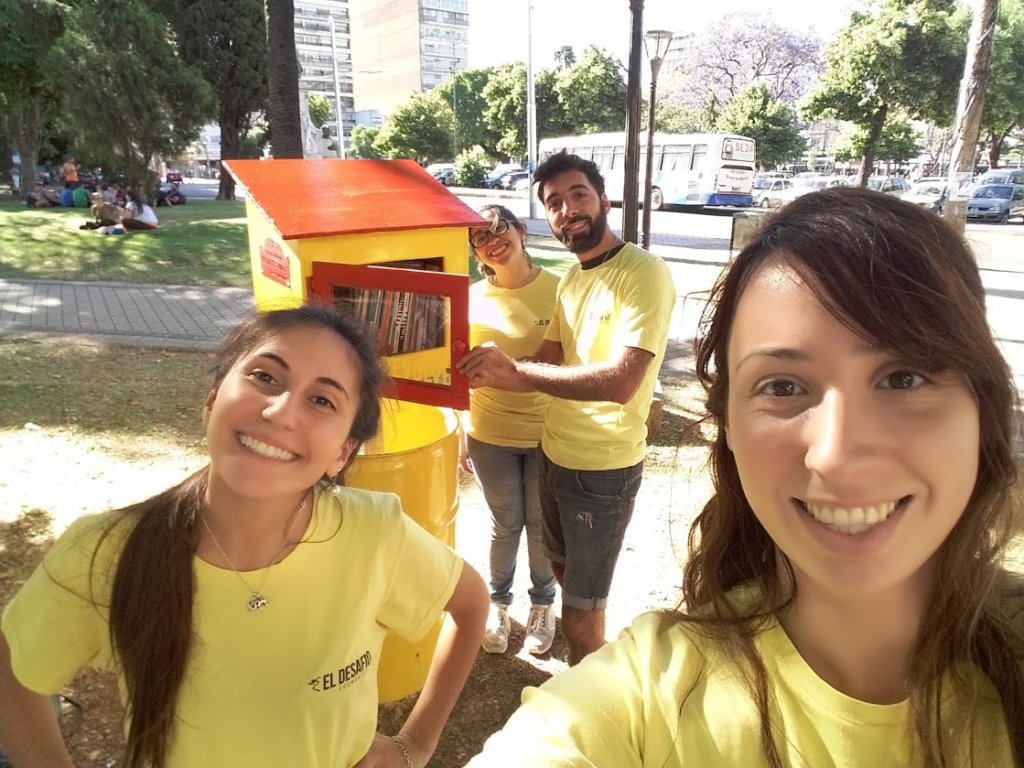
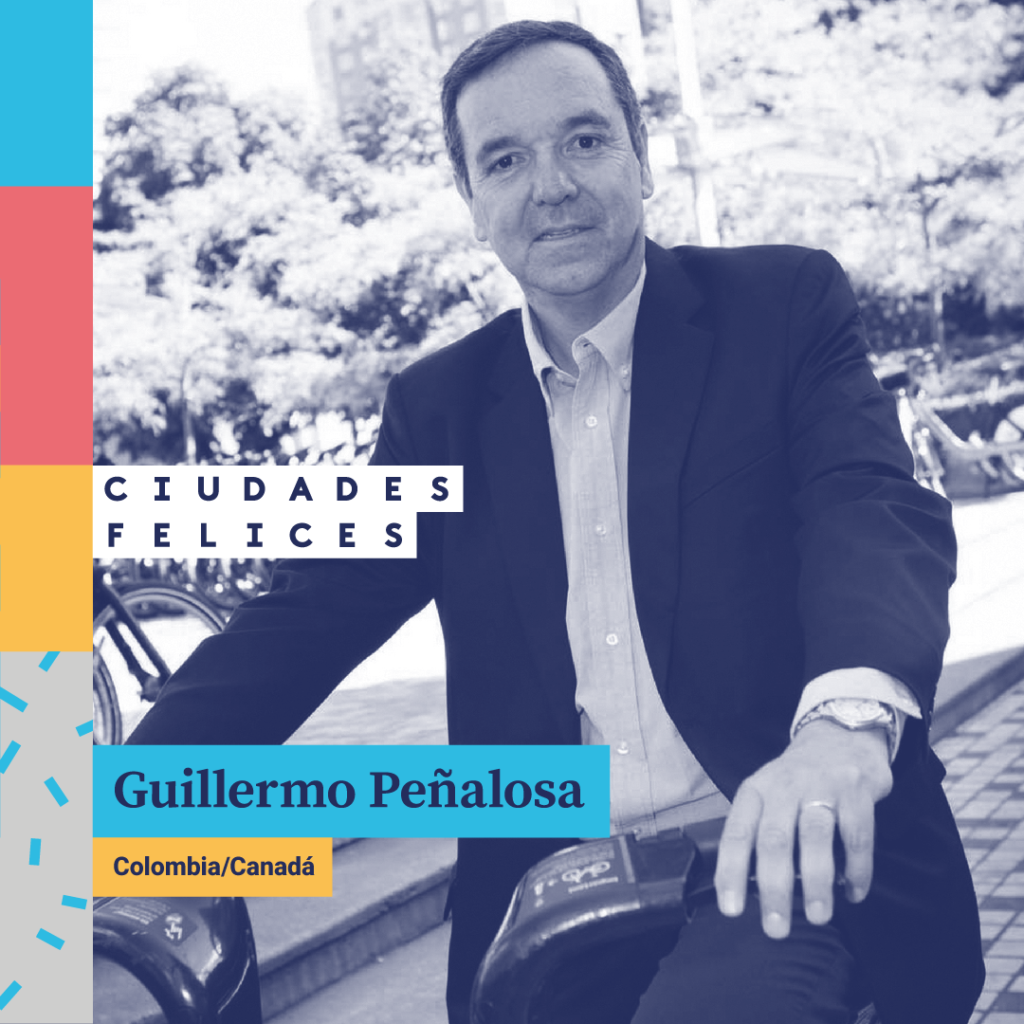
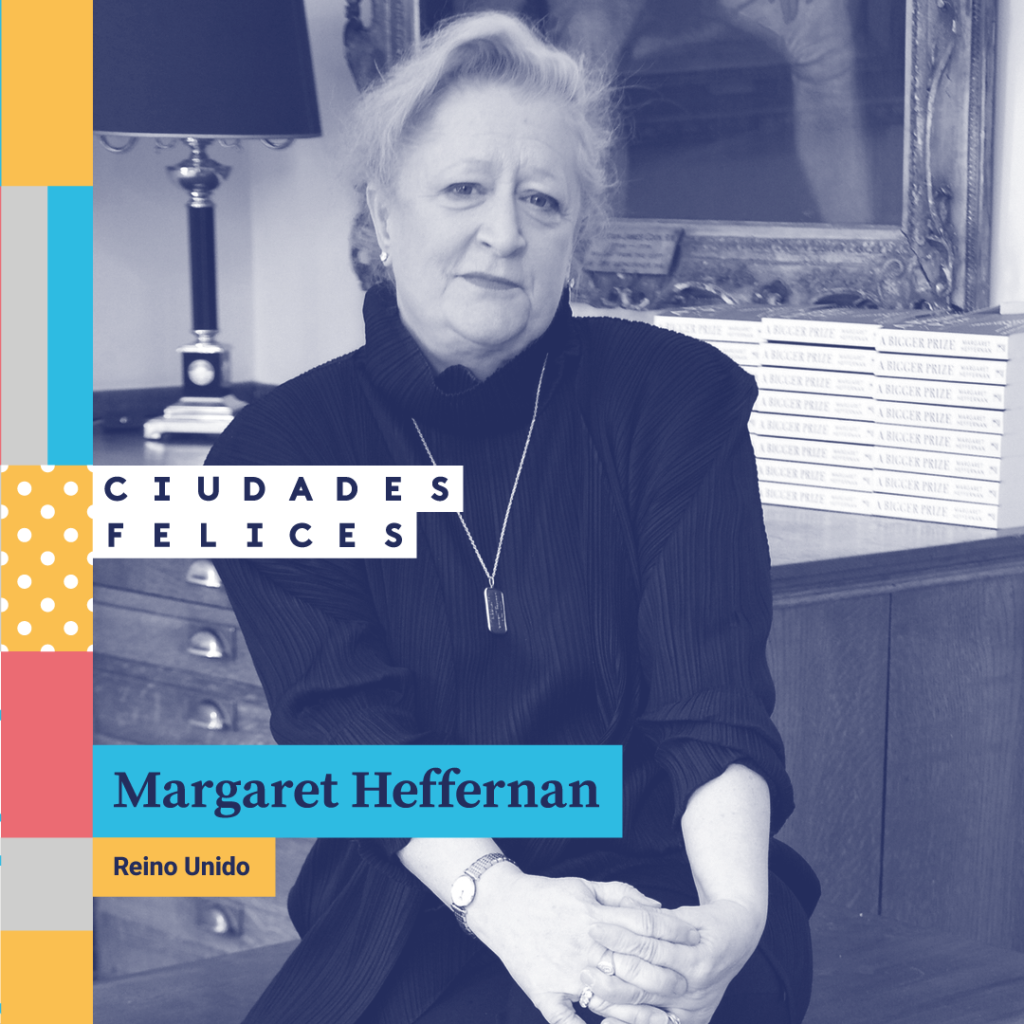
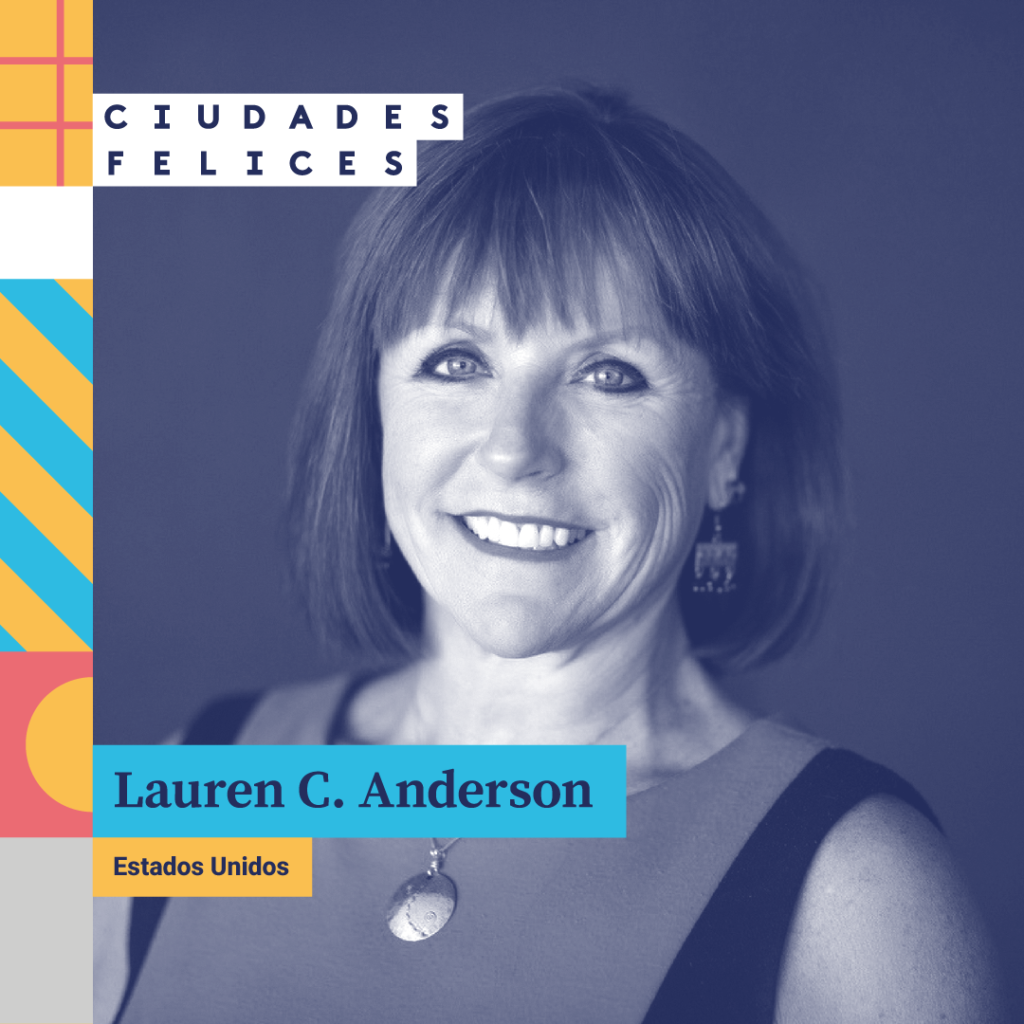
So in two weeks we will host our 3rd Happy Cities Festival in Rosario, with the visits of amazing speakers and inspiring people around the country and the world, like Margaret Heffernan, Gil Peñalosa, Lauren Anderson and LJ Flancers. During two days we will offer the public -completely free for everyone- 4 inspiring kinda TED talks and 24 workshops that will provide tools, ideas and the energy we need to create a solution revolution. Urbanism, mobility, youth development, civic engagement, social impact projects, open data, mindfulness and urban cycling will be some ot the topics that will ignite positive energy. 80 volunteers and staff are working hard to host around 2000 people from all over the country!
Thanks to your support we are able to keep on offering excellence and innovative programs to the city and its inhabitants, keep tuned for more info!
![]()
![]()
![]()
Links:
![Share on Twitter]()
![Share on Facebook]()
Jul 14, 2017
Happy cities
By Mario Ramondi | Executive Director
"Imagine you dropped your wallet somewhere on your street. What are the chances you would get it back if a neighbour found it? A stranger? A police officer? Your answer to that simple question is a proxy for a whole list of metrics related to the quality of your relationship with family, friends, neighbours and the society around you. In fact, ask enough people the wallet question, and you can predict happiness of cities" (Charles Montgomery, from "Happy City", 2013)
Societies are based on trust on one another, without trust and confidence we can only get a dysfuntcional group of people only thinking on how to survive and think in a selfish way. That's why we need to create catalyzers that build trust and confidence, and by doing so we will be increasing our capacity to resolve issues. The benefits of this goes from economy to public health, and increases our quality of life.
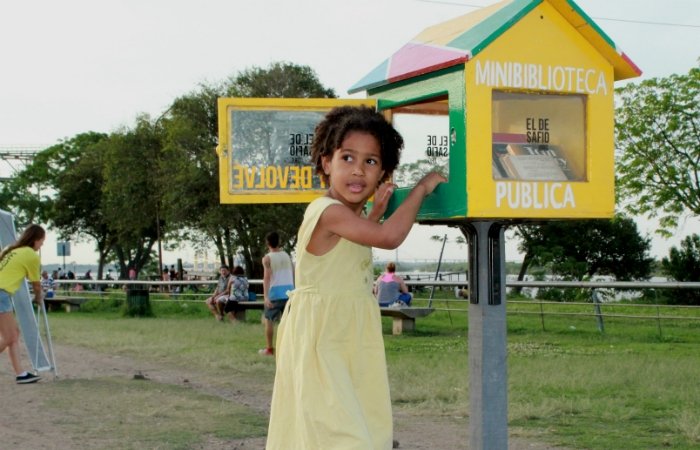
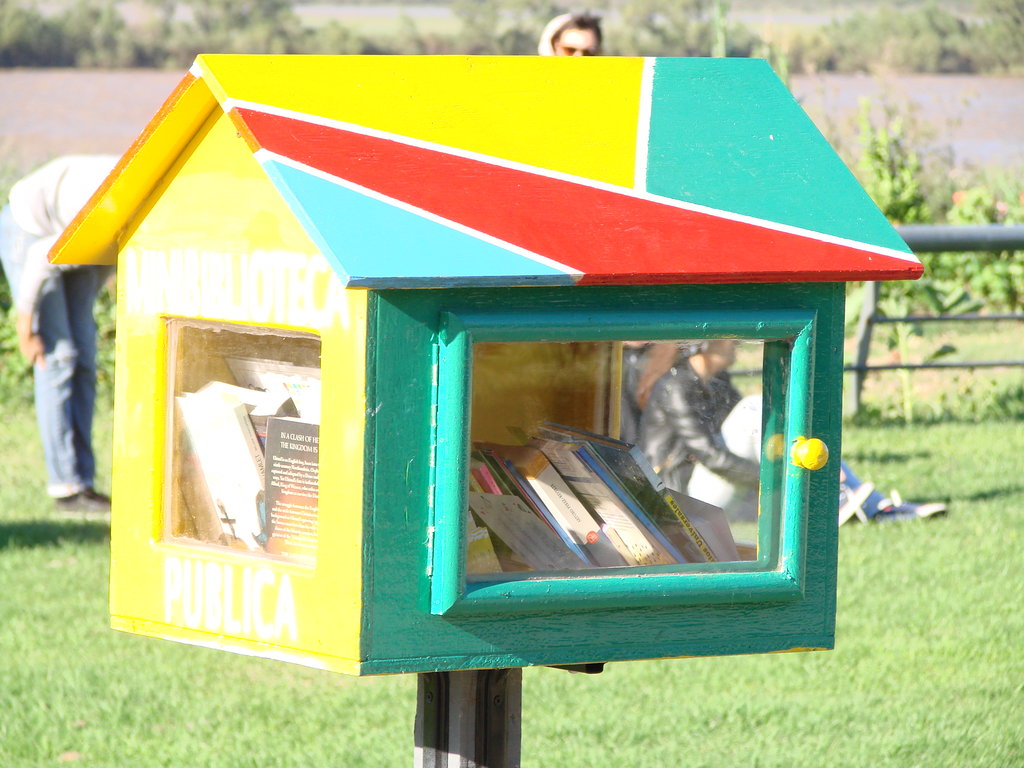
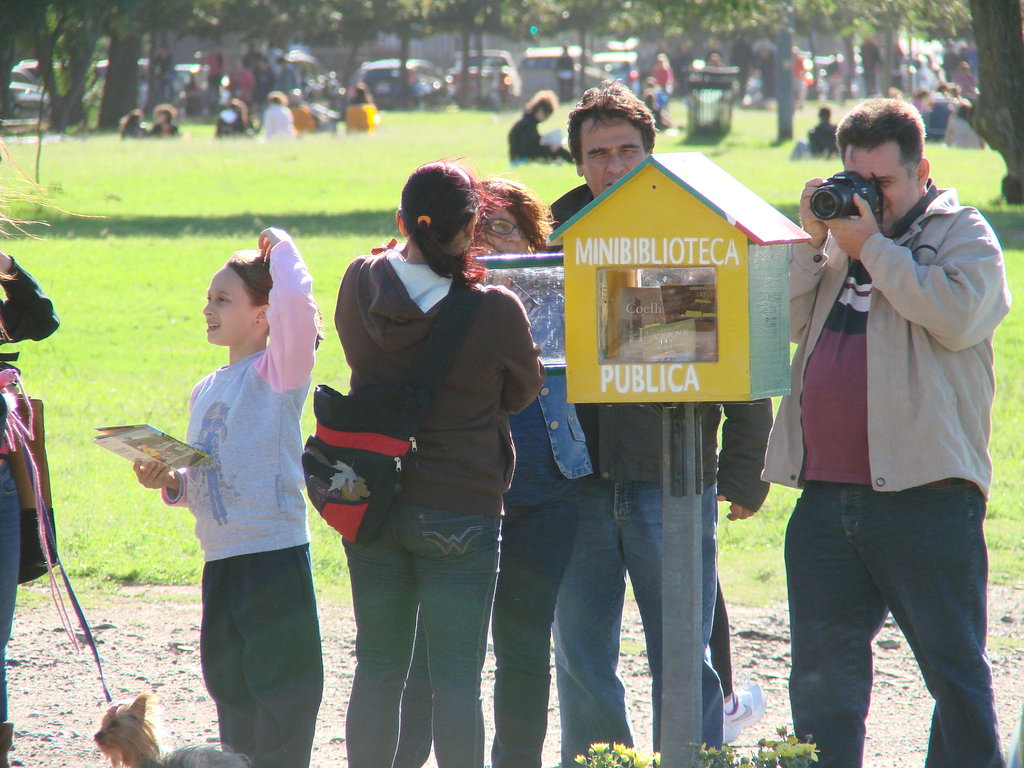
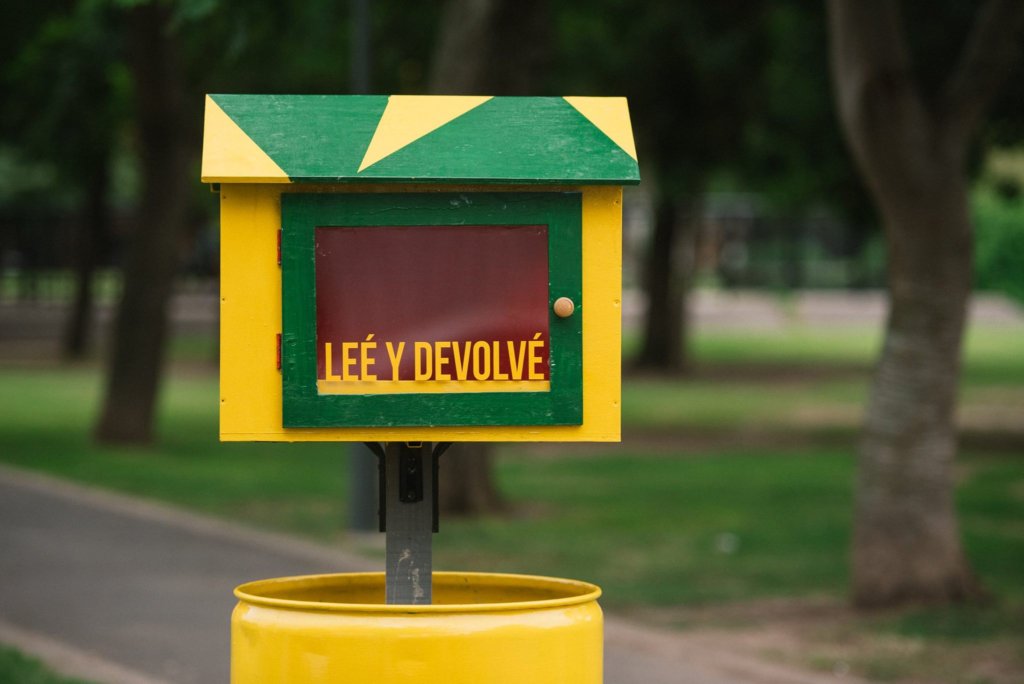
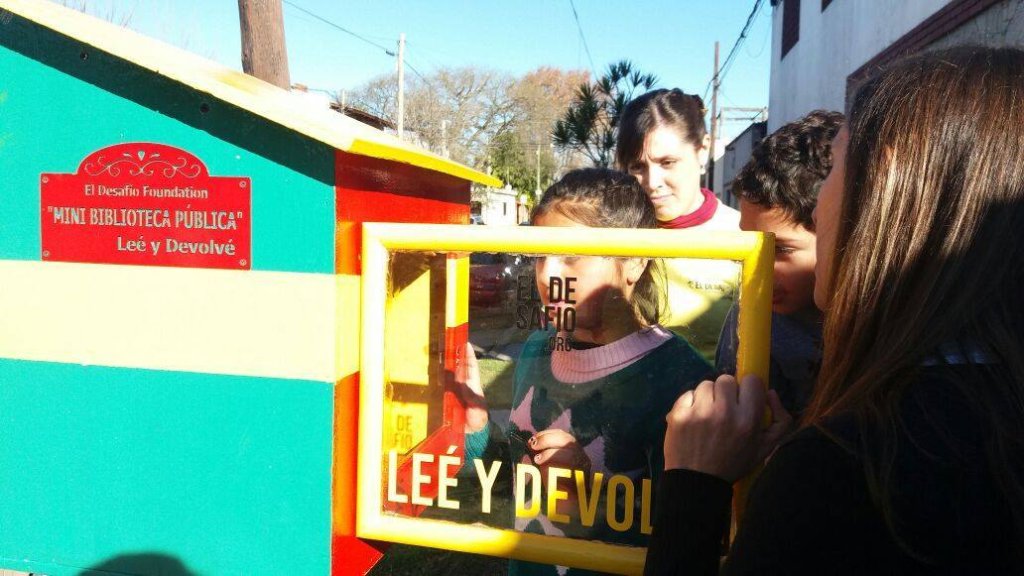
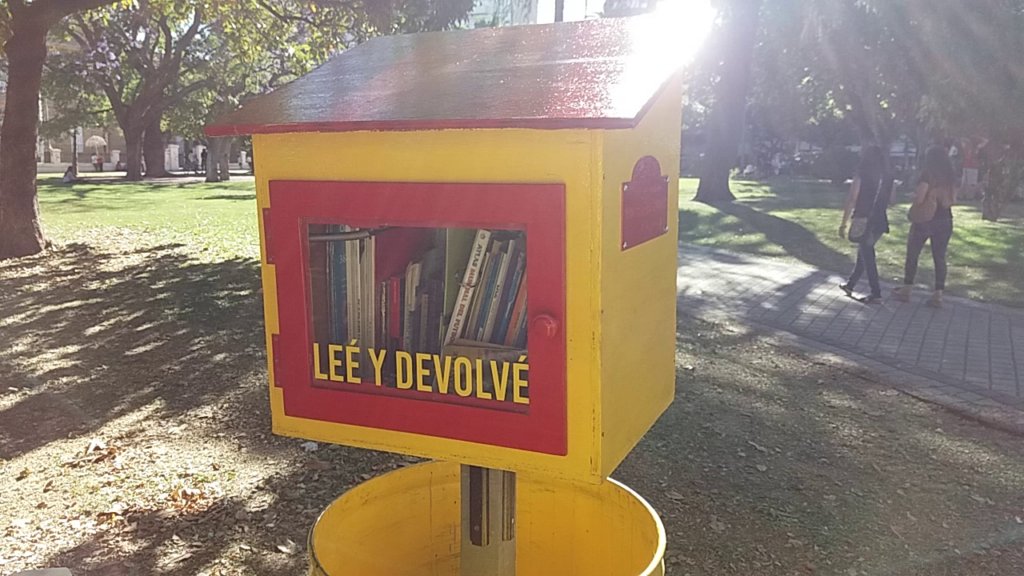
So what can we actually do create trust where there is none? Public mini libraries creates the perfect platform for this. Witnessing the commitment of fellow citizens to it by donating books, fixing, repairing and taking care of the little colourfull books home has a viral effect. And people start to believe and have confidence again.
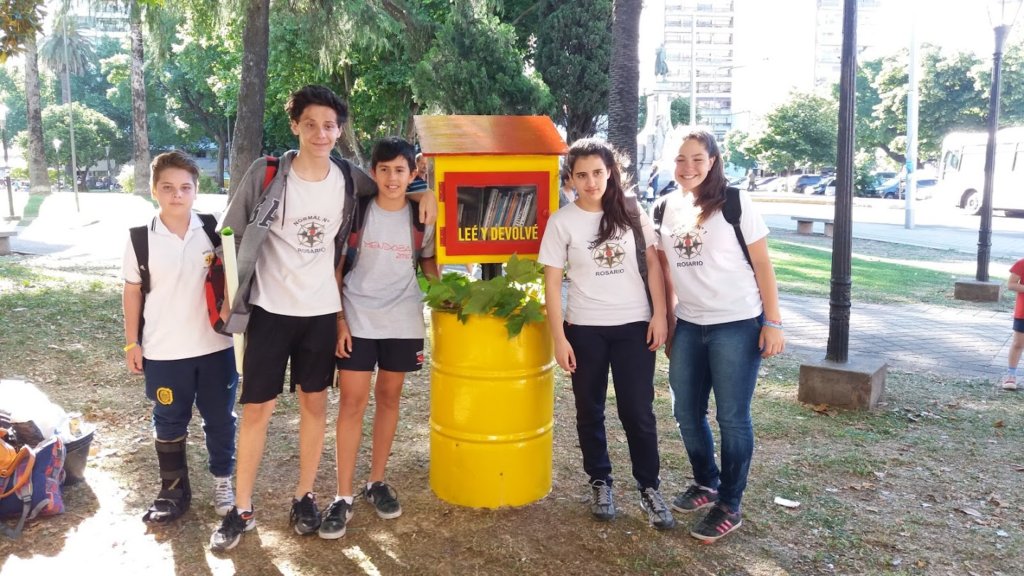
Rosario is full of minilibraries (14 already!) thanks to your incredible support. And if you think that you were only supporting a project for only access to education and culture, well, think again. You are not only supporting that. You are creating happy cities.
![Share on Twitter]()
![Share on Facebook]()
Apr 14, 2017
Why public minilibraries matters?
By Mario Raimondi | Executive director
After a lot of work during the last years, today Rosario city has a network of 14 minilibraries installed. And this are great news. Vandalism, the big 'threat' of the project and fear from some skeptical people, was little. And profits were high, in terms of happiness and well being of the people in contact with them. It is forecasted than by 2030, 70% of people will live in cities. This is an important piece of information since we will need to build cities for people, cities that creates good moments and promote happiness. How do we actually 'feel' about our lifes. Cities can play a big role in this and must be regarded as more than engines of wealth, they must be viewed as systems that should be shaped to improve human well-being.
Public mini libraries promotes trust between the citizens, and trusting our neighbours, police, government and even total strangers has a huge influence on happiness -even more than income does-. There is an incredible amount of data that shows that access to quality public spaces with activities to do and public parks reduces depression, mental illnesses and violence. Therefore, these little libraries may be the top of the iceberg to rethink policy making that prepares cities for the future and puts human well-being in the center of the debate.
![Share on Twitter]()
![Share on Facebook]()