Lifesaving Diabetes Education for Ecuadorian Youth

 
$6,332
$52,658
Raised
Remaining
Apr 5, 2012

March 2012: Outreach activities within Ecuador

Jornadas Familiares, Quito, Ecuador (March 2012)

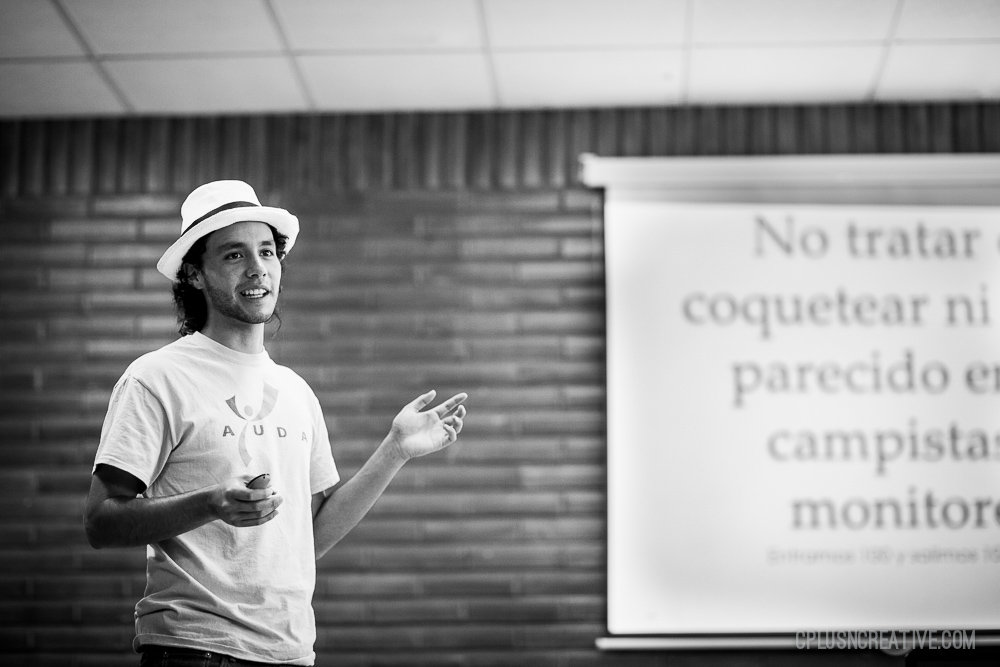
In March 2012, AYUDA's local partner the FDJE (Fundacion Diabetes Juvenil Ecuador) and AYUDA implemented a type 1 diabetes training workshop for local doctors in the region of Santa Elena. A total of 29 doctors attended the program, held in the main public hospital in Santa Elena. Santa Elena was chosen due to the low level of diabetes education among health workers and the high number of children supported by the FDJE in the region. The region currently has just 1 doctor per 10,000 people.

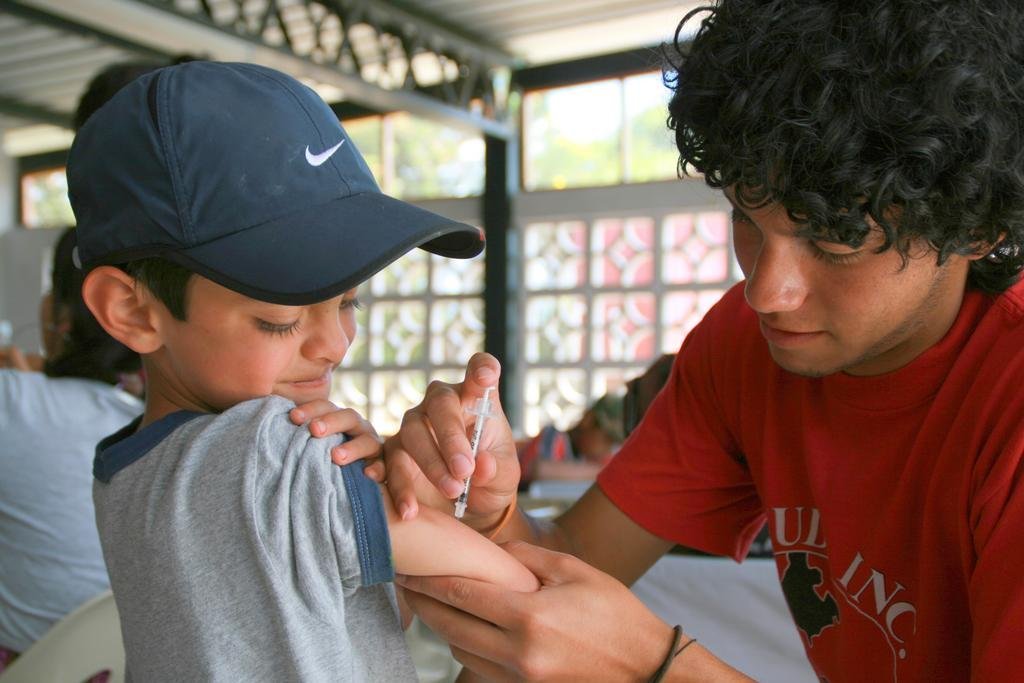
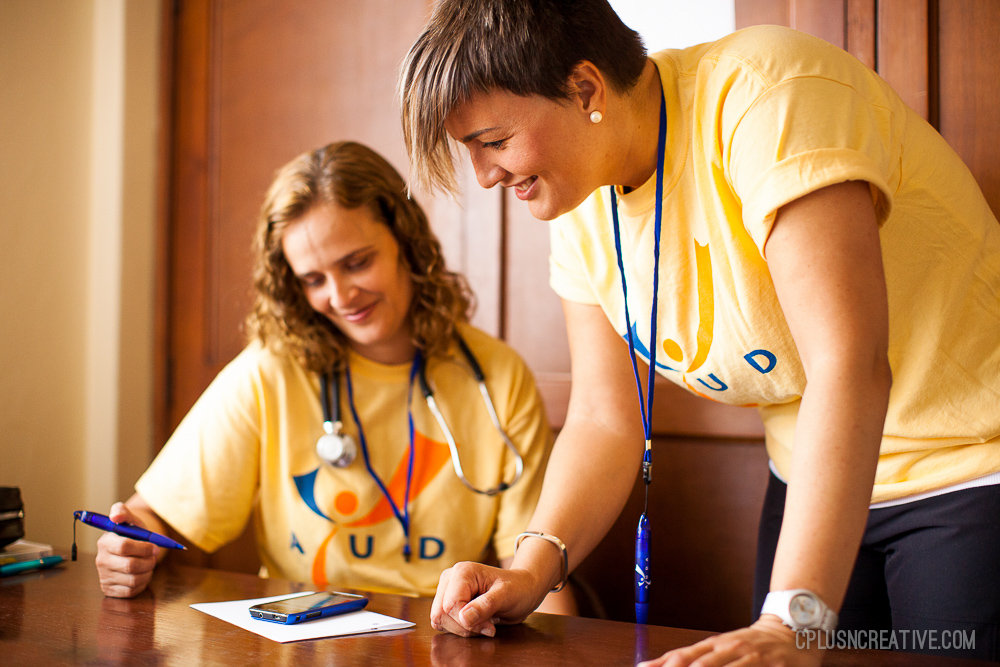
Home visits to a number of the children living with type 1 diabetes and their families were also carried out. In total 50 children are fully supported by the FDJE's sponsorship program for low-income families. The support provided includes diabetes supplies, education and follow up. Since the average monthly income in the Santa Elena region is estimated to be $260 per month, provision of what would otherwise be unaffordable diabetes supplies (such as insulin, syringes and blood glucose strips) is important. Diabetes education however is just as important as insulin and therefore the home visits and local education workshops are crucial.

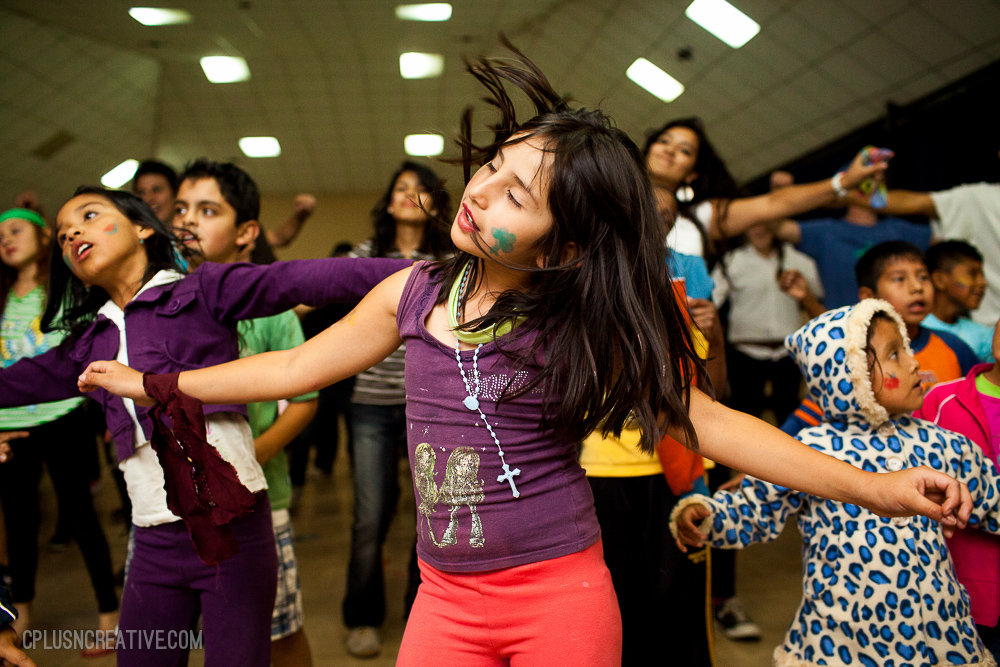
In addition, a weekend family education program was held in Quito, Pichincha. A total of 110 people participated, including children, youth and their parents. AYUDA and the FDJE are currently in preparations for this summer’s activities, including the Volunteer Training Program Summit in Washington which concluded on Sunday April 1st.

New ways to get fruit & veg in your diet!

Links:

Jan 3, 2012

January Activity Report

World Diabetes Day, Quito, some of the FDJE team

The FDJE, AYUDA's local partner organization in Quito carried out some of its ongoing local outreach activities in Santa Elena, one of the poorest communities in Ecuador. The program closely supports 16 children with type 1 diabetes from the area as well as their families (although the number is growing).The program was supported by the FDJE's staff and 2 local young leaders. The education sessions target parents and children separately but also include many dynamic group activities which include the community as a whole. The next activities in the region are planned for February and March in conjunction with AYUDA. Additional family programs will be planned in the Quito region around the same time.

November 14th, World Diabetes Day, saw the FJDE carry out education, awareness and advocacy in one of the main plaza's of Quito's historic centre (see some photos below). The activities were aimed at the general public to raise awareness around diabetes and encourage people to engage in physical activity sessions led by some of the young leaders from the foundation.

AYUDA has been busy recruiting talented volunteers with and without diabetes from the US and even Europe for the summer programs in Ecuador and the Dominican Republic. Recruitment ends February 1st so the office is busy with applications. The next few weeks recruitment and info sessions are happening in the West Coast so look out for us there (for more information see our latest newsletter below).

The next report will follow our upcoming site visits and local programs in March.

Thanks for your ongoing support.

FDJE
FDJE's Majo young leader & nutritionist in action
FDJE
FDJE's nutritionist Mercedes

Links:

Oct 13, 2011

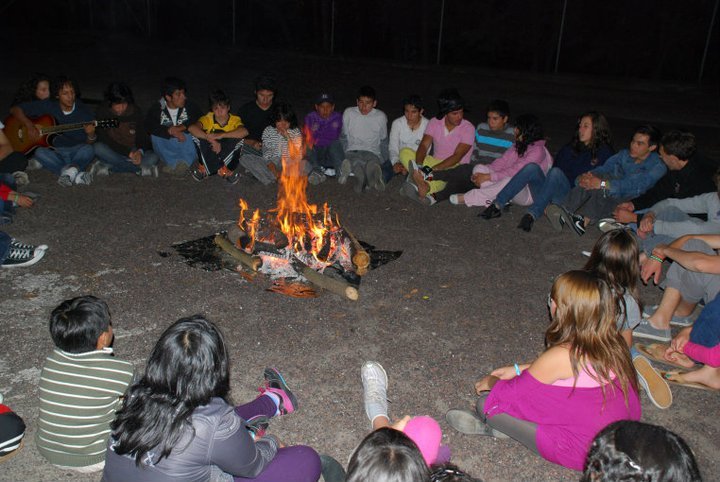
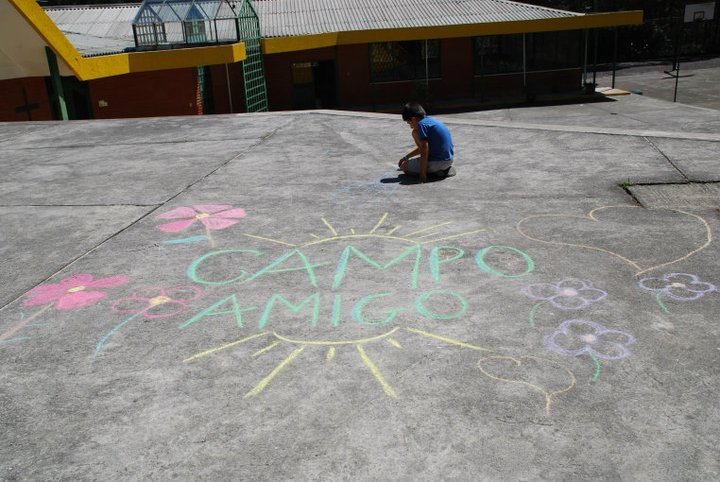
Campo Amigo Ecuador 2011: A Program for children and youth with Type 1 Diabetes in Ecuador

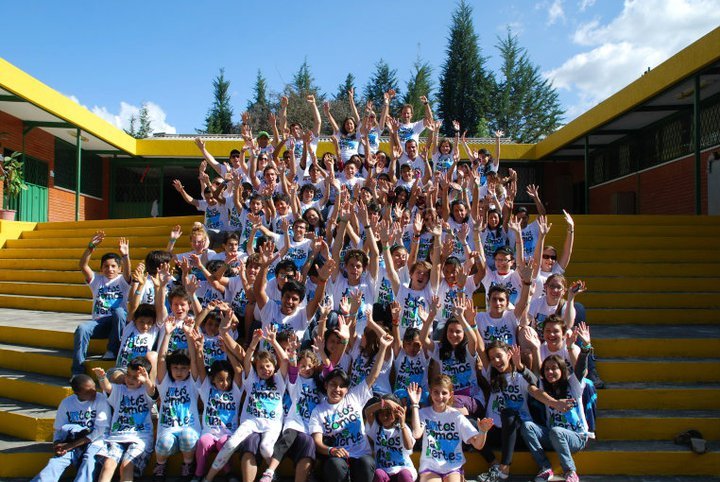
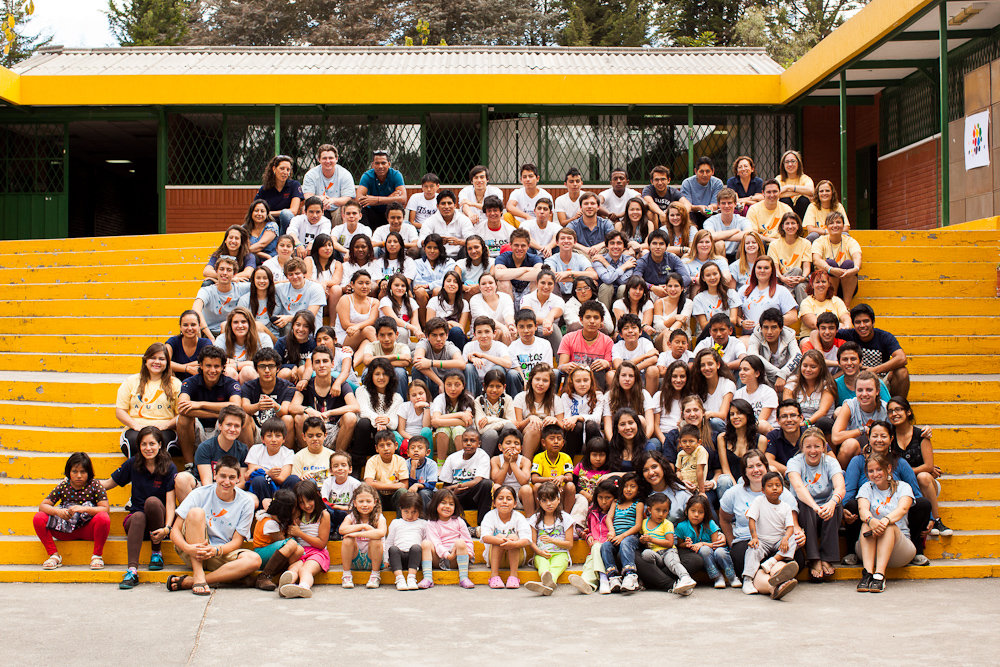
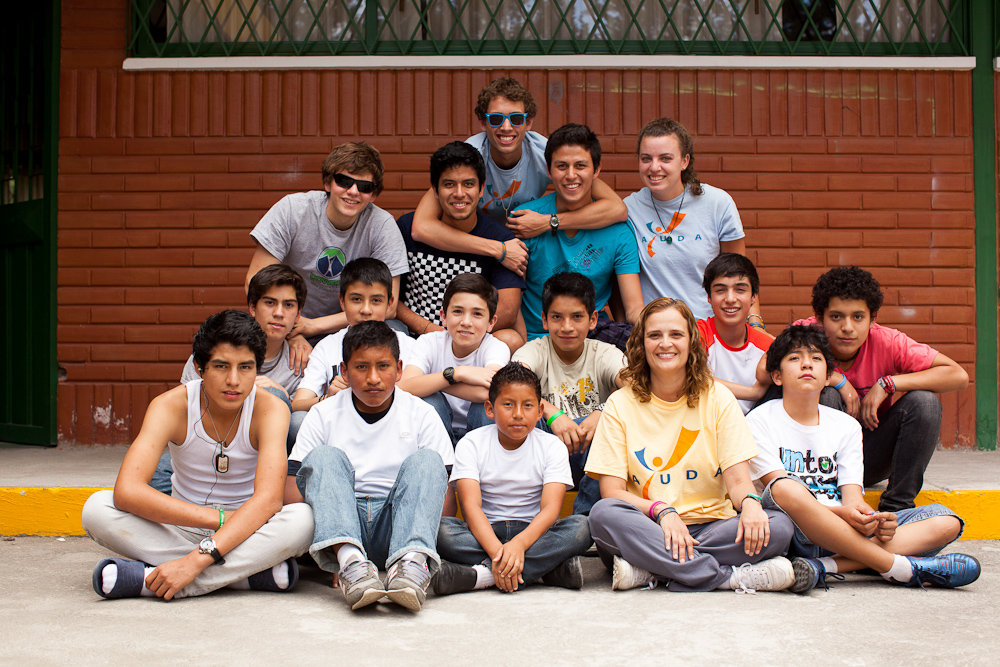
Group Shot - Campo amigo Ecuador 2011

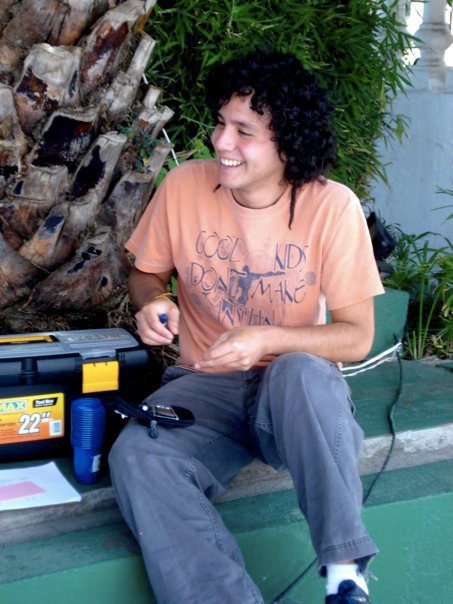
In July 2011, the AYUDA team travelled to Quito, Ecuador to work in conjunction with AYUDA's local partner organization the Fundacion Diabetes Juvenil Ecuador (FDJE), in preparation for Campo Amigo Ecuador, a diabetes education and training program for children and youth with Type 1 diabetes.  The first few days the volunteers engaged in practical sessions with the local youth leaders and built on their previous training. They practiced how to test and read blood sugars, draw and mix insulin and how to inject. In addition, the volunteers were taught multiple ice-breakers and how to play some of the local children’s games so that they would be familiar with them in advance of camp.

The volunteers met daily at the local foundation to review and discuss the initial plans for pre-camp training, diabetes camp  and camp activities that had been outlined by the local youth leaders and FDJE staff members. The volunteers were able to offer feedback and suggestions about how to improve the activities from physical education to nutrition. Multiple themes were chosen and tasks were delegated according to skill-sets.

In addition to the planning activities for pre-camp training and for camp itself, the second week included home visits to children living with diabetes and their parents in the Quito and Pichincha areas. All teams were led by local youth leaders and each team visited on average three separate homes. The goal was to allow the first-time campers the opportunity to meet the volunteers prior to the camp and also for parents to discuss any questions and concerns about their child staying overnight for the first time. It was also a key learning opportunity for many of the volunteers since it provided an insight into the everyday lives of some of the children and youth they would be working with at camp. Many of the children were from low-income backgrounds and were supported by the FDJE sponsorship program. Overall, 100% of volunteers felt that these visits positively contributed to their experience at camp itself. Feedback from the FDJE staff was positive and agreed this was an area for increased support in the future, in particular since the home visits helped to develop the leadership skills of their own young leaders.

The weekend prior to camp, the AYUDA team accompanied the FDJE staff members and local youth leaders to the campsite in the valley of Cumbaya, in the outskirts of Quito. Several counselors-in-training also participated in the pre-camp activities. The focus of pre-camp was to review safety and diabetes protocols as well as to prepare the site for the program. It also provided an opportunity for all youth leaders, new and rising, to engage with the AYUDA team and designate roles for camp. Following pre-camp, the group returned to Quito to prepare for the arrival and registration process of the campers the following day, Sunday 31st July. A team of 5 people remained at camp to prepare the campsite for camp.

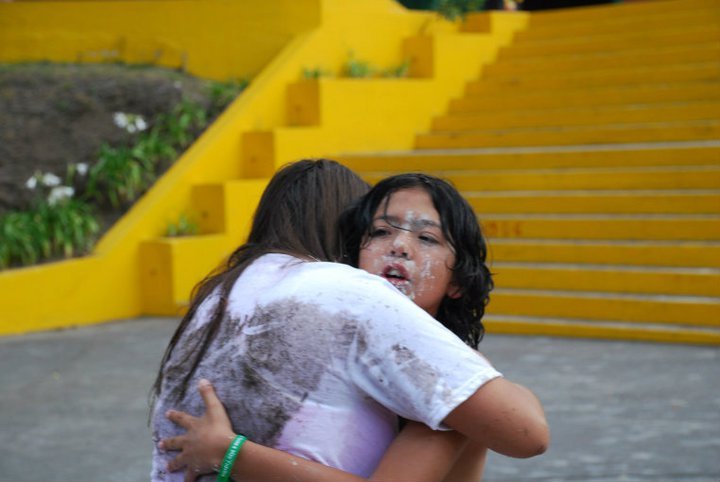
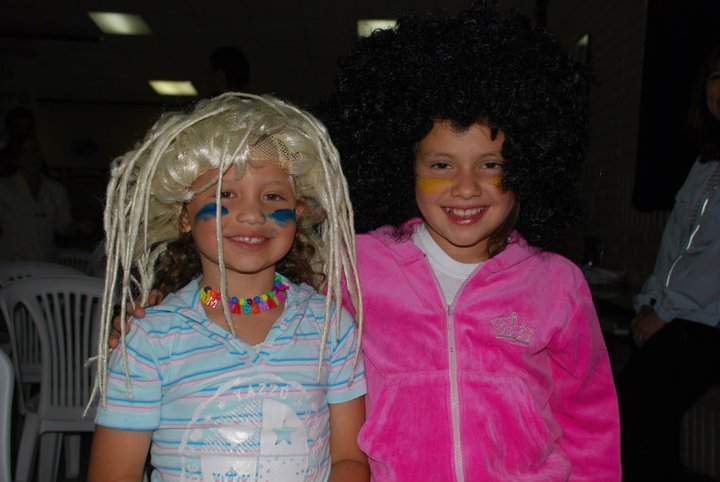
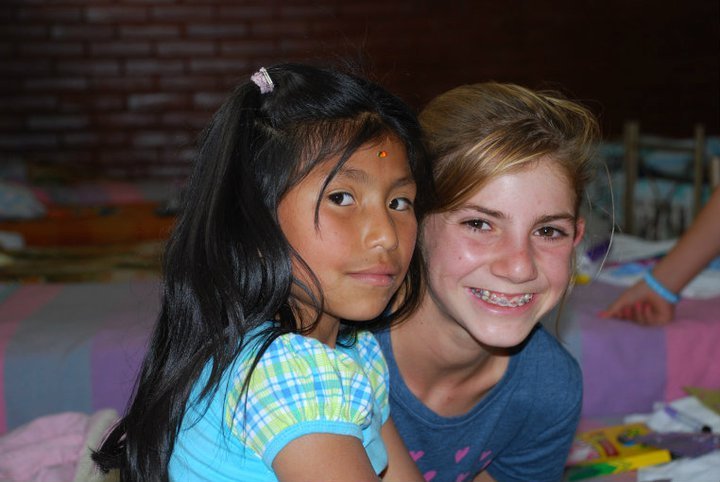
A total of 43 children and youth between the ages of 5 and 18 participated in Campo Amigo Ecuador which was held from July 31st to August 4th in Cumbaya. The campers were led by 19 local youth leaders and counselors in training in addition to the FDJE’s technical staff and AYUDA team. Two Ecuadorian endocrinologists and one local pediatrician lead the medical team which was supported by local medical students in each group. The children and youth were divided into 6 groups according to age and gender. The groups participated in education, nutrition, sports and arts activities on a daily basis. Meal times also served as key learning opportunities with discussions encouraged at each table around portion size and carbohydrate counting. The days were interspersed with many dynamic entertainment activities including a color war, a camp-wide treasure hunt and a camp rally.

During the program, all participants were able to have their HbA1c levels tested as well as receive a full foot examination. (HbA1c tests reflect average blood sugar levels over a period of approximately 90 days and are considered a standard measure for blood sugar control). HbA1c results varied between 6.9% and 14.24% with the average result of 9. 47%. Those campers who had not measured their HbA1cs in many months typically had higher results, reflecting poorer control.

Campo Amigo Ecuador was the first and only time many of the campers had seen a podiatrist (footcare is an important element of diabetes self-care). While the feet of most campers were free from diabetes-related complications the examination enabled participants to learn about appropriate and essential foot care and was intended to encourage them to be active in their own self-care. Each group also received a session with a local psychologist who himself had Type 1 diabetes and proved to be very popular with the children and youth. The issues for discussion were selected in advance and were age-appropriate.

In the evaluation of the program with the FDJE technical team, the staff felt that the size and location were more manageable compared to previous programs. An unanticipated result was that the reduced numbers and the facility’s spacing allowed for greater integration between the different age groups and enabled increased opportunities for leadership from the older groups. Furthermore, the FDJE felt that the AYUDA and FDJE were well integrated and worked well together. The education and nutrition sessions were considered to be the most interactive and successful to date. Plans are currently in progress for 2012 programs. The next local sessions are to be lead by the FDJE in Quito in November 2011 and additional provincial programs in March 2012.

Links:

Aug 28, 2009

Campo Amigo 2009

Campo Amigo 2009
Campo Amigo 2009

Ecuador Volunteer Program

The primary goal of the project, led by AYUDA and the Fundación de Diabetes Juvenil del Ecuador (FDJE), was to empower and educate youth with diabetes to take a more active role in managing their condition while serving as peer mentors to other children and youth with diabetes. Through increasing the participation and commitment of youth leaders in the Foundation and greater diabetes community, the youth can help improve and facilitate access to diabetes education for the local community and serve as key contacts in the local diabetes support network. As children and youth gain leadership skills, become more educated and motivated to support others, their own overall health sees critical improvement.

AYUDA staff and volunteers travelled to Quito, Ecuador on July 17, 2009 to unite with the Ecuadorian team from the Foundation, where they engaged in a program comprising intensive orientation and training, grassroots provincial outreach missions, and Campo Amigo as the keystone program element. In orientation and training, the volunteer team prepared for medical protocol, honed their leadership skills and developed their youth empowerment strategies. On the outreach missions, their objectives were to offer educational and motivational support to children with diabetes and their families, deepen those families’ connections to the Foundation, and find new children for the camp program. Finally, children with diabetes and the AYUDA and Foundation teams came together at Campo Amigo, which was pleased to welcome 76 children with diabetes and a staff of over 50.

Successes & Achievements

Though Ecuador is AYUDA’s longest continually running program, novelty dominated the experience and there remains ample opportunity for impact. The Foundation has grown to expand its ranks of newly engaged youth leaders, and its staff expanded three-fold this year to a “technical team” of six people working year round to expand the reach and effectiveness of the Foundation. This new investment of its team provided new energy, creative ideas, and deeper community connections. Additionally, Campo Amigo welcomed about 40% new campers, largely as a result of the team’s increased efforts in province missions. Most excitingly, three small teams travelled to Ecuador’s poorest province of Manabi and to Guayaquil, a province typically minimally touched by the Foundation. It was from these two provinces where most campers from Campo Amigo harkened and will remain a target for future missions. At Campo Amigo itself the team proudly expanded its educational programme to divide campers into basic and advanced levels in order to more effectively educate and challenge children from all experiences and backgrounds.

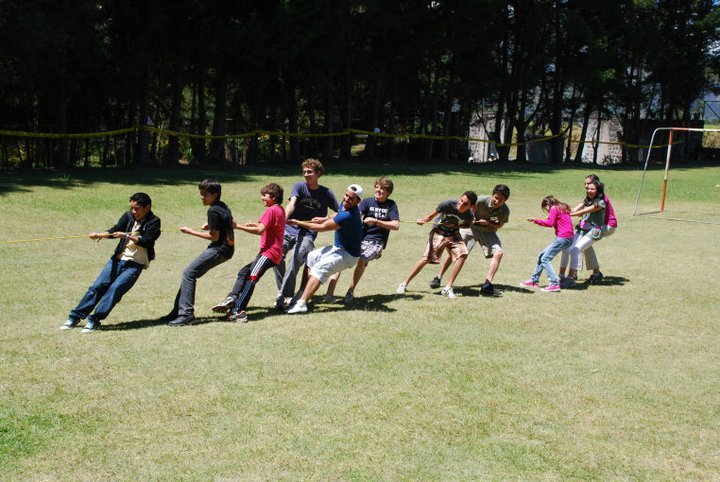
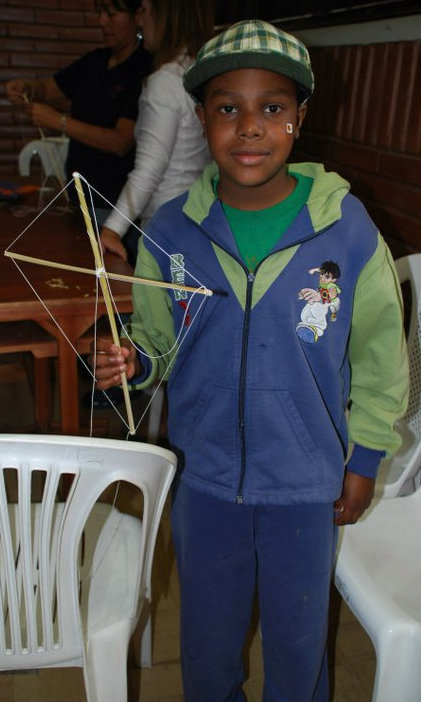
Campers have fun as they learn
Feb 12, 2009

First December Diabetes Education Camp!

From the 20th to the 23rd December, local partner organization, la Fundacion Diabetes Juvenil Ecuador, completed its first December diabetes education programme for children with Type 1 diabetes in Ecuador. This programme was the first weekend programme to be carried out in the December vacation period and was attended by 46 children and adolescentes with diabetes from a number of Ecuadorian provinces: Loja, Azuay, Canar, Tunguragua, Manabi, Guayas, Galapagos, Napo, Imbabura, Carchi and Pichincha.

A total of 24 youth leaders guided the programme supported by a medical team led by local endocrinologist and former camper, Josefa Palacios.

Counsellor Training Programme

Youth leaders gathered in Quito from across Ecuador on the 10th January 2009 to prepare and train for the annual diabetes education camping programme Campo Amigo Ecuador. Counsellors attended from Loja, Cuenca, Bilbian and Portoviejo respectively. The training served as an opportunity for monitoring and evaluation of the first December Diabetes Education Camp and preparation for local diabetes outreach activities for the upcoming months.

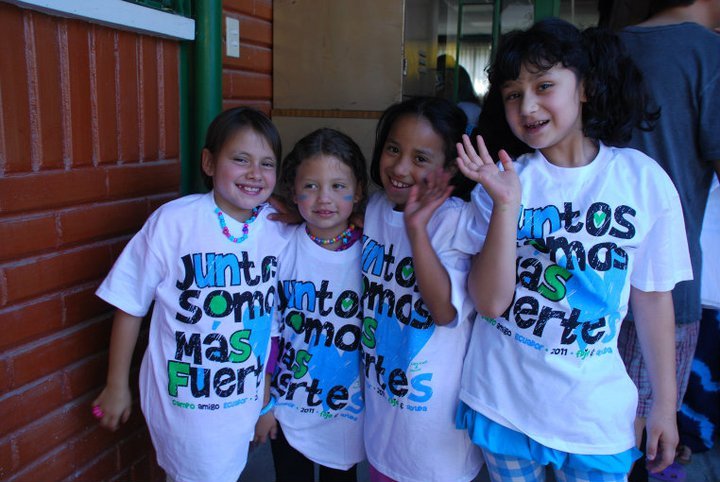
Thank you for continued support! Juntos somos mas fuertes!

About Project Reports

Project Reports on GlobalGiving are posted directly to globalgiving.org by Project Leaders as they are completed, generally every 3-4 months. To protect the integrity of these documents, GlobalGiving does not alter them; therefore you may find some language or formatting issues.

If you donate to this project or have donated to this project, you will get an e-mail when this project posts a report. You can also subscribe for reports via e-mail without donating or by subscribing to this project's RSS feed.

An anonymous donor will match all new monthly recurring donations, but only if 75% of donors upgrade to a recurring donation today.
Terms and conditions apply.
Make a monthly recurring donation on your credit card. You can cancel at any time.
Make a donation in honor or memory of:
What kind of card would you like to send?
How much would you like to donate?
gift Make this donation a gift, in honor of, or in memory of someone?

Organization

AYUDA, Inc
AYUDA, Inc

Arlington, VA, United States
http://www.ayudainc.net

Project Leader

Nicolas Cuttriss

Arlington, VA United States

Where is this project located?

Map of Lifesaving Diabetes Education for Ecuadorian Youth