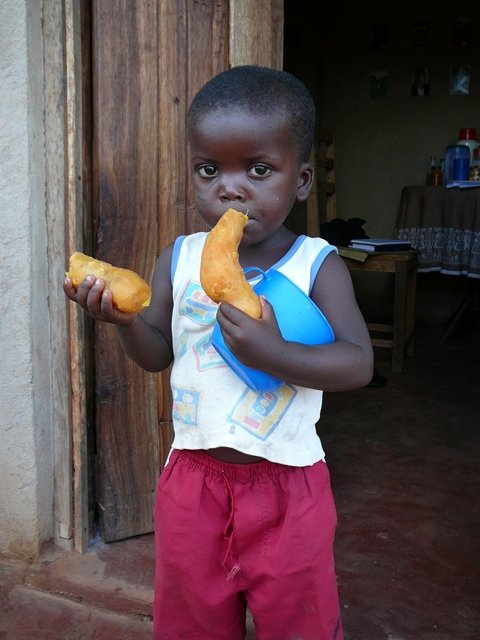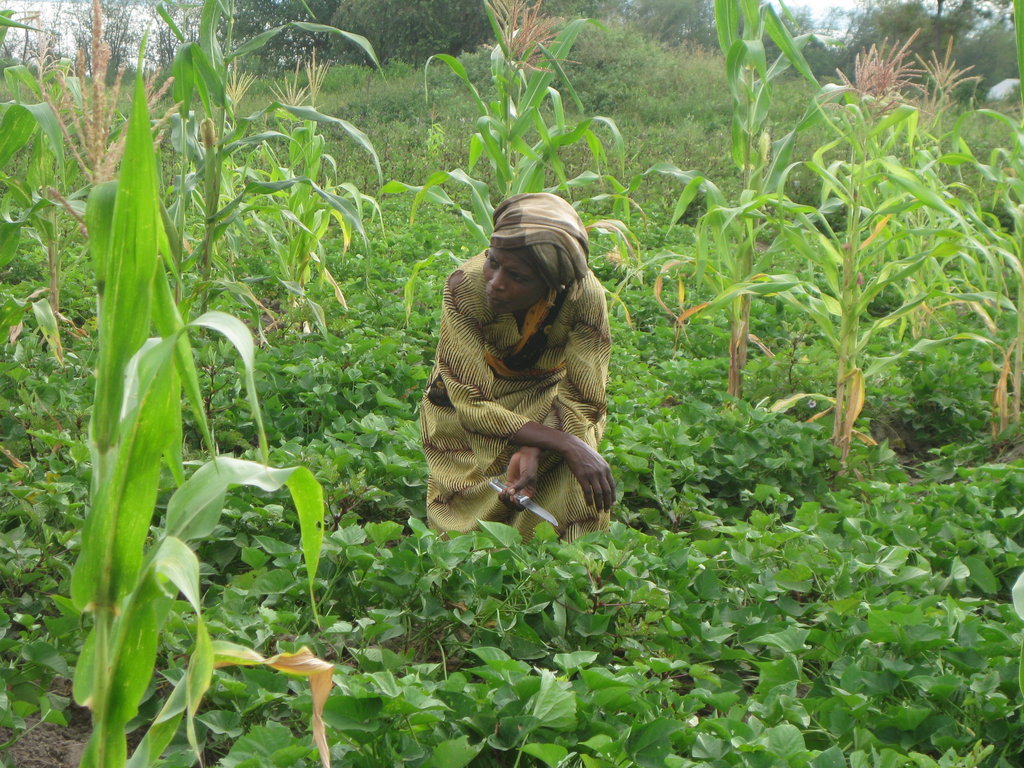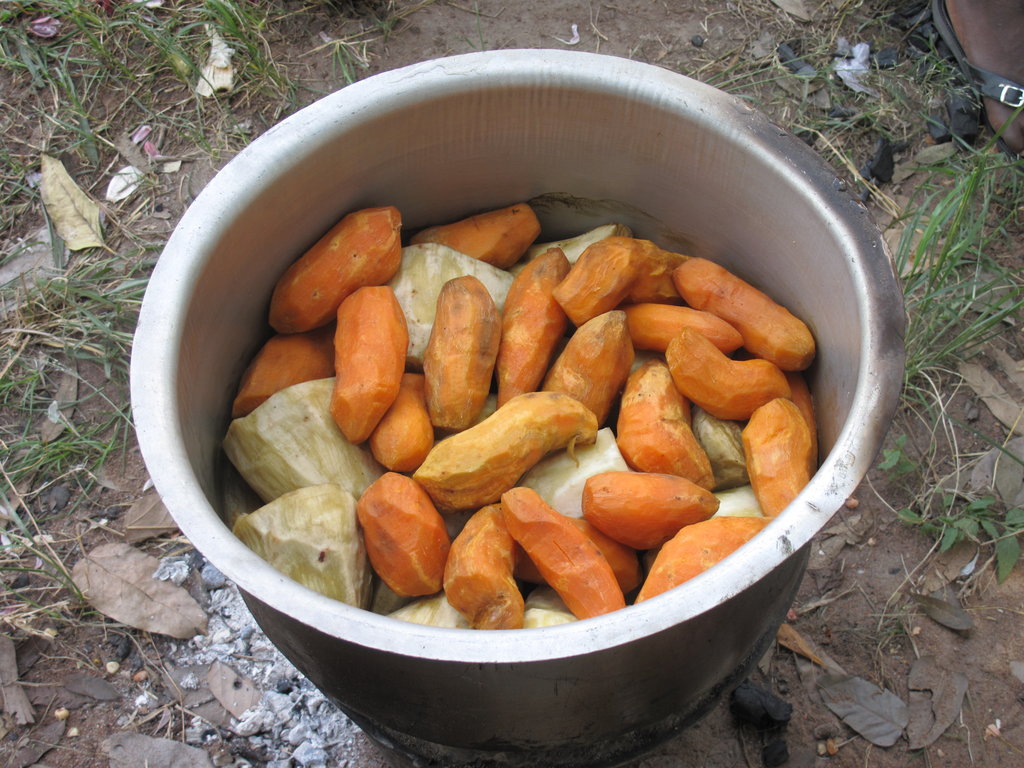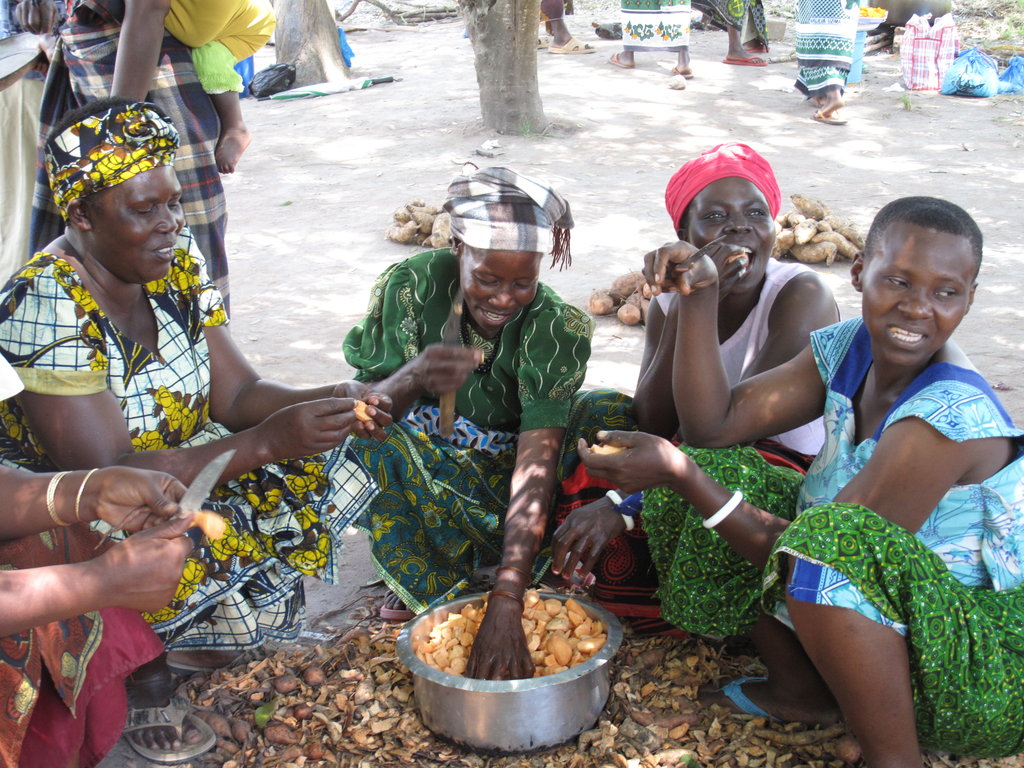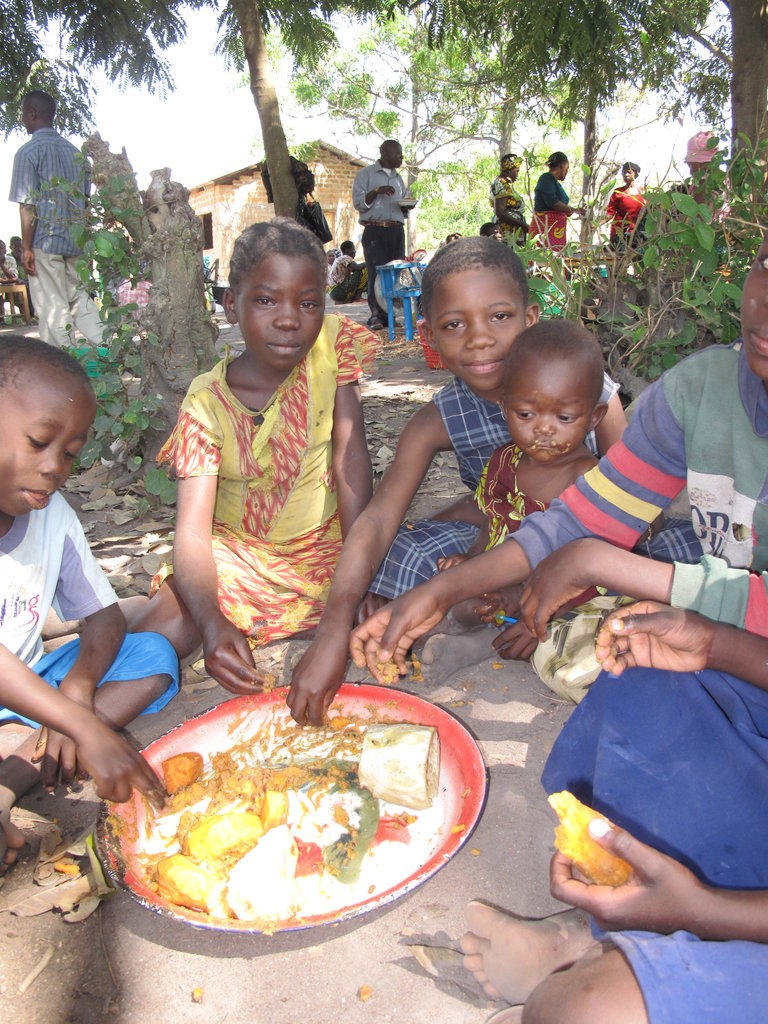
Helen Keller International improves the vitamin A intake of women and children in Burkina Faso through the production and consumption of orange-fleshed sweetpotatoes, a vitamin A rich food.
In Burkina Faso, vitamin A deficiency (VAD) is a serious public health issue. It causes childhood blindness and compromises the immune system, which, in turn, increases the risk of death from diseases such as malaria, measles and diarrhea. In pregnant women, VAD causes night blindness and may increase the risk of maternal mortality. In poor countries like Burkina Faso, many people don't have the resources to grow, and therefore eat, nutritious foods.
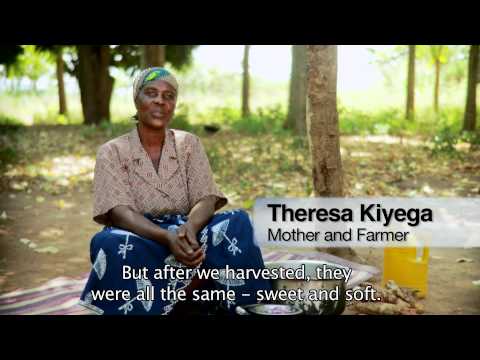
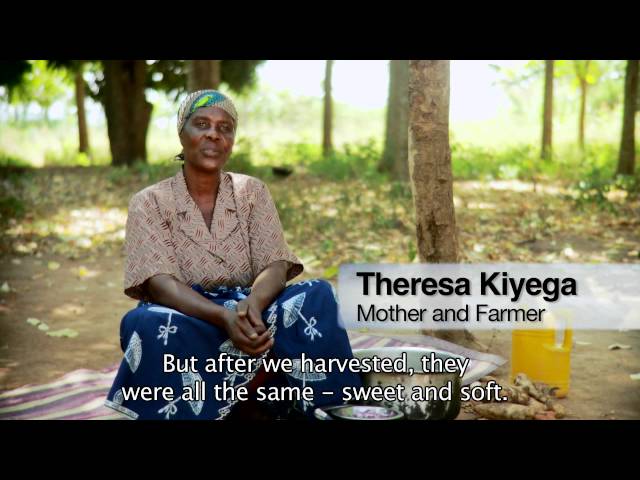
Compared to the traditionally-grown white-fleshed sweetpotato, orange-fleshed sweetpotatoes (OFSP) have high levels of beta-carotene, which the body converts into vitamin A. Research has shown that just one medium-sized potato (125 grams) provides primary school children with over twice the recommended daily allowance of vitamin A. HKI provides training and supervision to community groups and farmers who receive the potato vines to help them understand the importance of vitamin A.
Food-based solutions, like orange-fleshed sweetpotatoes (OFSP), are a promising approach to ensure entire populations get the vitamin A they need. HKI's programs focus on women and children, who are the most vulnerable segment of the population.