Updates from the Field - Help Vulnerable Women Become Leading Change Agents

Updates from the Field

Updates from the Field (or Progress Reports) on GlobalGiving are posted directly to globalgiving.org by Project Leaders as they are completed, generally every 3-4 months. To protect the integrity of these documents, GlobalGiving does not alter them; therefore you may find some language or formatting issues.

Subscribe to "Updates from the Field" by E-Mail
Subscribe to "Updates from the Field" by RSS Feed

New Video from Rwanda

By Gretchen Wallace - 2009 Annual Report, November 25, 2009 12:42 PM

On this eve of Thanksgiving, Global Grassroots wishes to thank you for your invaluable support. Please click on the links below to view our 2009 video annual report to see our impact this year in Rwanda.

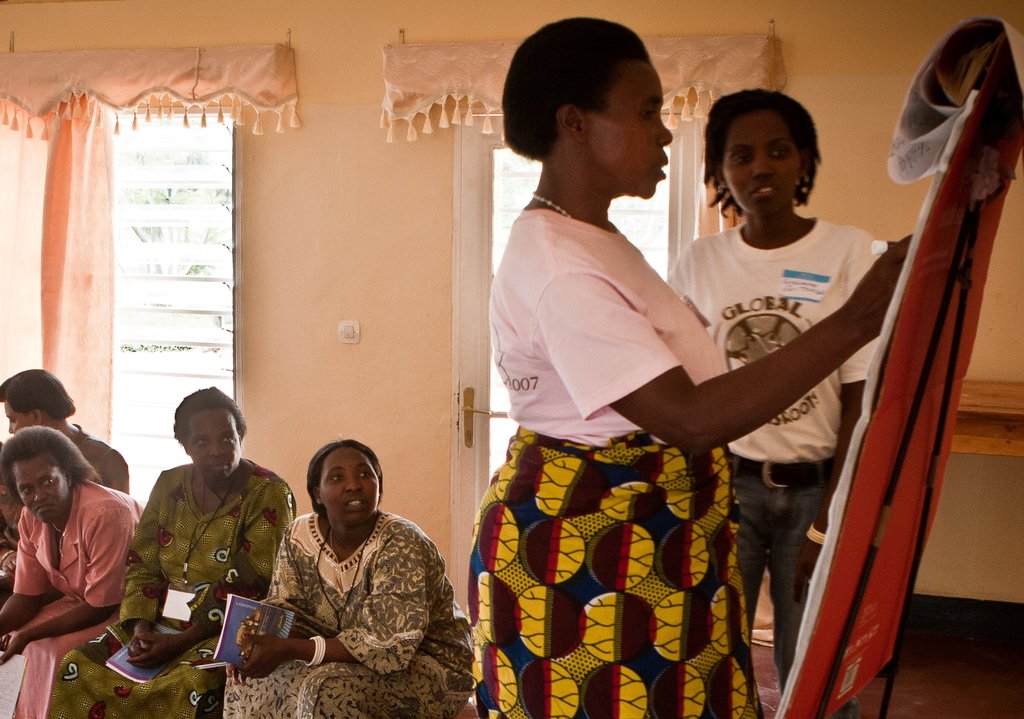
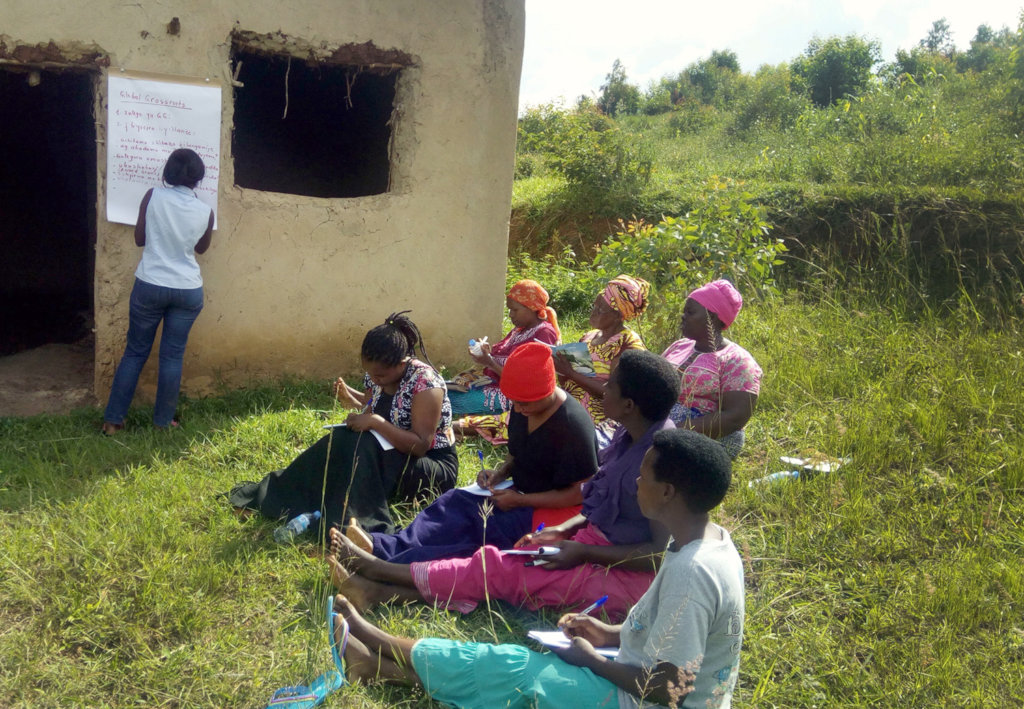
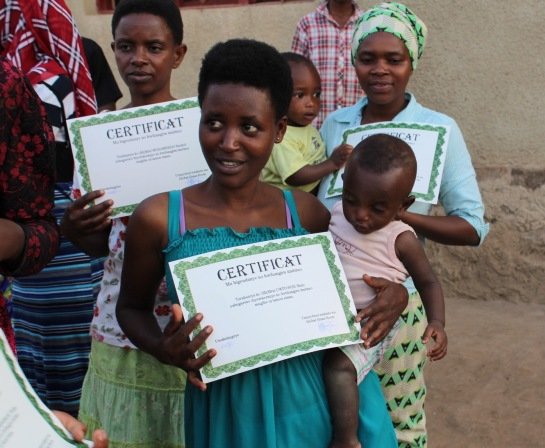
Our 260 graduates of our Academy for Conscious Change served 8000 vulnerable women and girls this year. This would not have been possible without you.

We invite you to join us in 2010 so that we may continue to support conscious social change driven by and for grassroots women.

There is only one week left in the GlobalGiving Give More Get More Challenge, where your year-end donation will be matched. Please consider making a gift today to support our work in 2010.

Thank you.
Gretchen Wallace
Founder & President

Links:

Want to support this project's continued work? give now

Was this report valuable...
vote divider
Loading...
Tell us why (your comments may be shared publicly).
Rules for Comments 
Comments

Global Grassroots Reaches 40,000 Lives

By Gretchen Wallace - Global Grassroots Reaches 40,000 Lives, September 23, 2009 02:01 PM

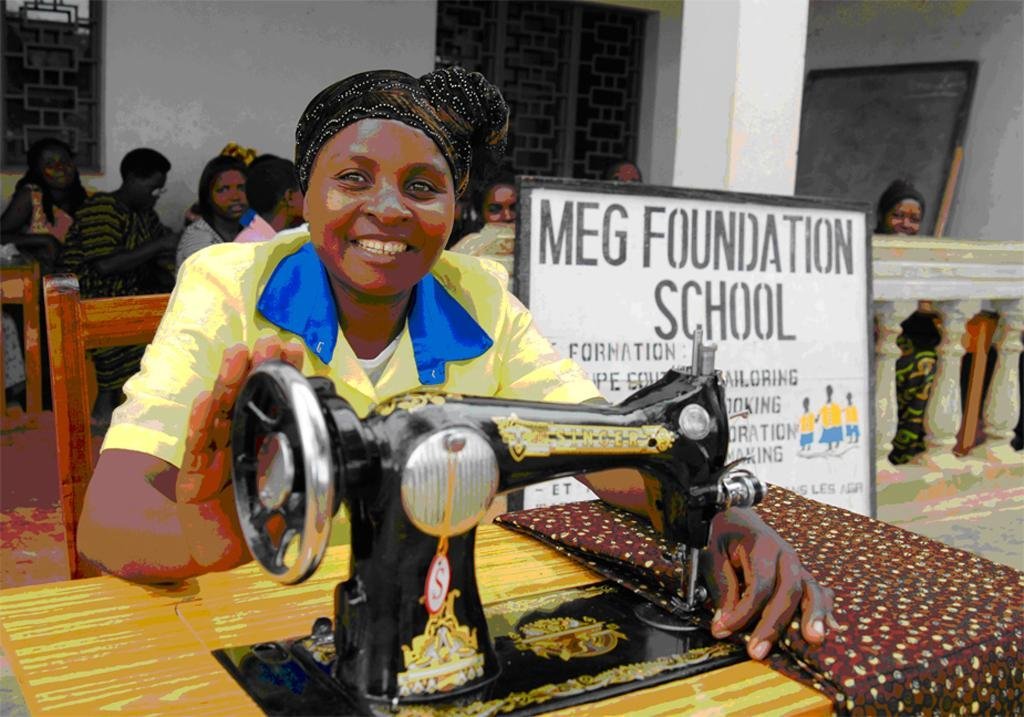
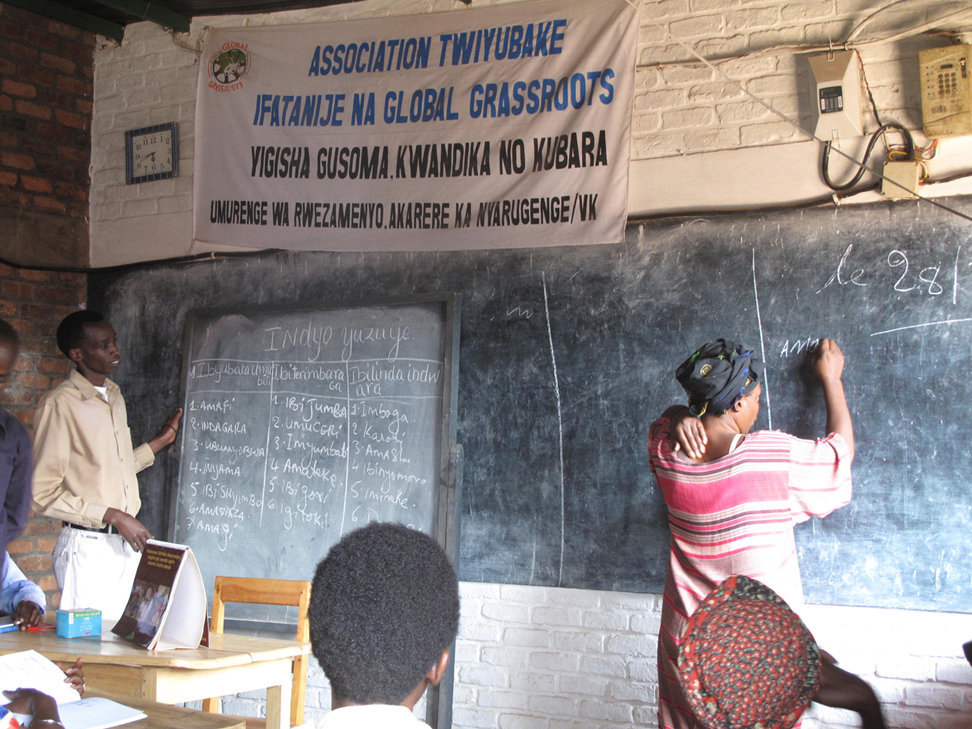
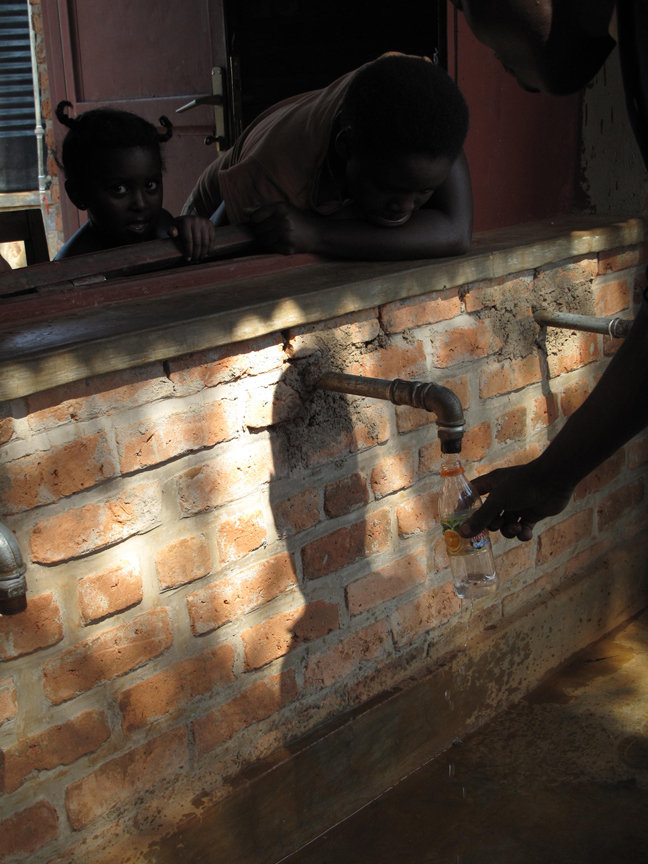
30 women learn to write. Venture: Let Us Build Ourselves90 prostitutes learn new skills. Venture: Meg FoundationWater delivered to 250 families. Venture: Work for Life
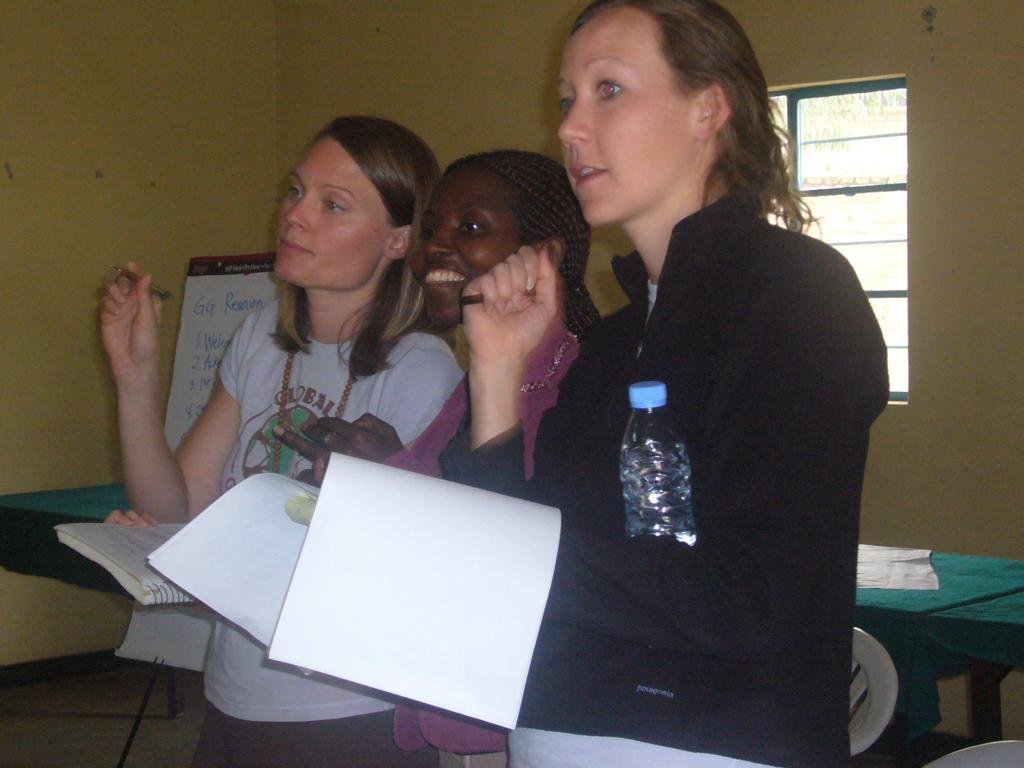
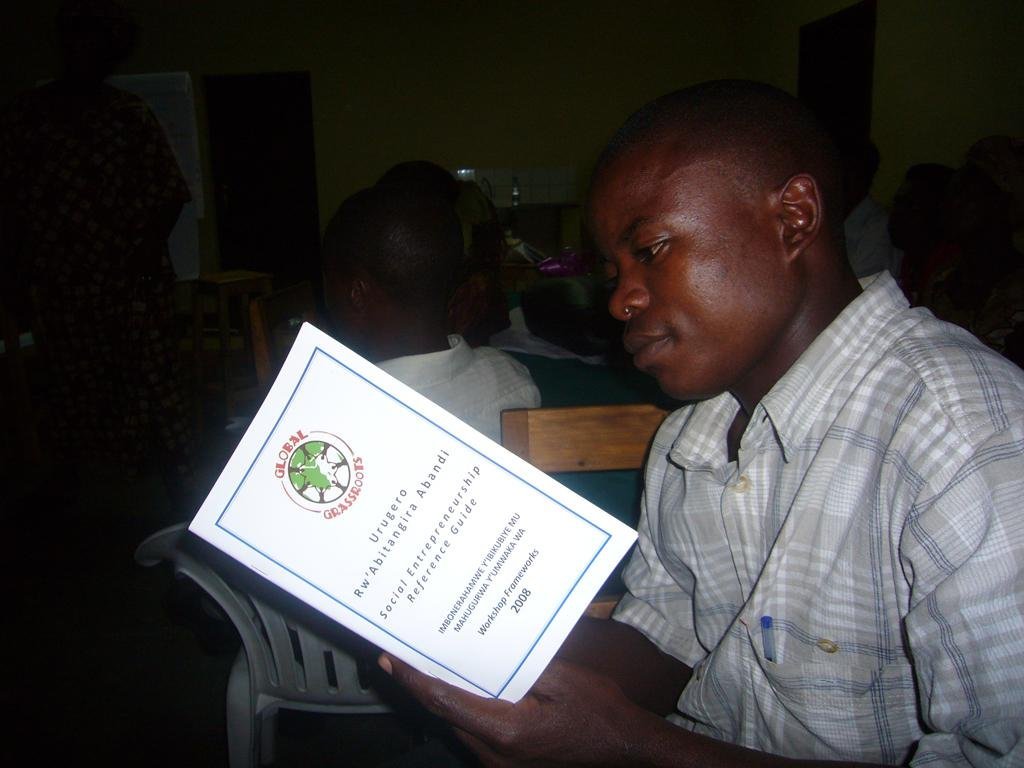
Global Grassroots held its annual Gathering of Graduates from its Conscious Change Academy in Kigali this August. Over 75 grassroots change agents attended, enjoying new workshops on conciousness practices, creative problem-solving and financial sustainability. Joining us from the US were graduate student Lydia Humenycky of Carnegie Mellon University, Melissa Collum - a Fulbright Fellow and social studies teacher from Wisconsin, and Jennifer Holden - former board member, athlete manager and photographer from Utah.

Over the course of 10 weeks in the field, Lydia completed an in-depth Impact Assessment of our Academy program. Her analysis show Global Grassroots is moving steadily towards its goals in supporting marginalized women in becoming leading change agents. In only two years, we have helped establish 11 civil society organizations, 6 of which are moving into their 2nd and 3rd year of operations! Our graduates' ventures have collectively touched upwards of 40,000 lives across Rwanda, combating domestic violence, illiteracy, sexual exploitation and lack of clean water. We invite you to download our 2009 Project Portfolio which we have just posted under our GlobalGiving profile to learn more about each project you have helped make possible by supporting our Conscious Change Academy.

Over a dozen projects remain in our pipeline, which we have also just begun to post separately on GlobalGiving.com. Please consider supporting a specific project by searching under Global Grassroots or projects supporting Women and Girls in Rwanda. Our goal is to launch 10 more projects by year end. Thank you for your continued support of our work.

Pictures:

Want to support this project's continued work? give now

Was this report valuable...
vote divider
Loading...
Tell us why (your comments may be shared publicly).
Rules for Comments 
Comments

A Postcard from Rwanda Conscious Social Change Program

By Alexis Nadin - visitor, July 15, 2009 01:07 PM

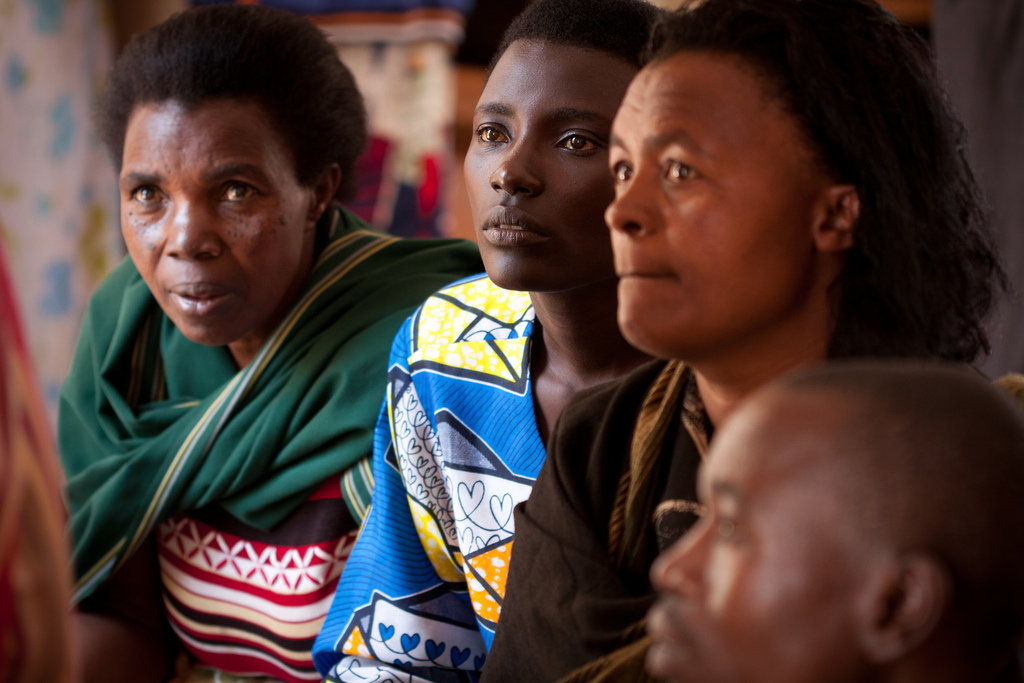
Rwandan women
Alexis Nadin is a student at American University and former intern at GlobalGiving. This summer, she is traveling through Africa and visiting a number of GlobalGiving projects. Alexis visited this project on May 27, 2009. She writes:

During our brief time in Rwanda, we have heard about a broad range of problems: young girls being attacked in latrines; female business owners unable to read, write, or use a calculator; disabled women trading sex for water; women forced into prostitution to afford food for their children; and many others. How can one organization possibly address such a broad range of problems? It’s simple: empower the grassroots to find and implement their own solutions. This is how Global Grassroots has been able to change so many lives. They teach women about the power they have in their own communities, work with them to identify the root causes of their local problems, and how to develop sustainable solutions. Further, this organization equips women with skills to develop a strategic plan, to fundraise independently and to operate as a lasting organization.

At every project we visited, we found women that had gained confidence in themselves, and, consequently, had begun to respond to problems in their local communities. In their own words, they have become “agents of change.” The success of Global Grassroots is best exemplified in the achievements f the four projects we visited during our stay. These projects are briefly described below.

Project 1: Helping School Age Girls Stay Safe

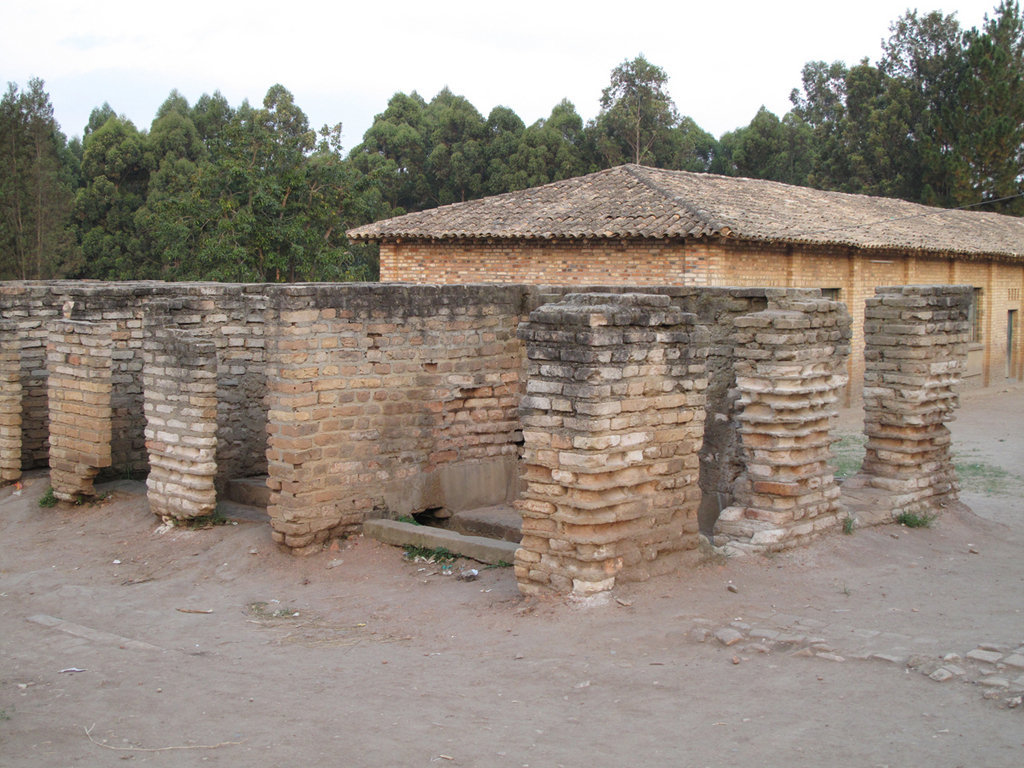
In a community thirty minutes outside of Kigali, a group of teachers noticed that girls were dropping out of school, and others were complaining of being attacked and harassed in the latrines. We saw that the latrines were crumbling, and lacked any privacy (no doors, ceilings, etc). According to the president of the group the boys and girls use the same latrines, which led to the violence. Because of a lack of privacy, girls were too embarrassed to come to school during their period. Today, through a partnership with Global Grassroots, this group of teachers has began to build new latrines (separating boys and girls) and to educate the community about issues facing young girls. Because of the networking skills this group learned through Global Grassroots the local government has also contributed tremendous support, and more latrines.

Project 2: Improving Quality of Life Through Access to Water

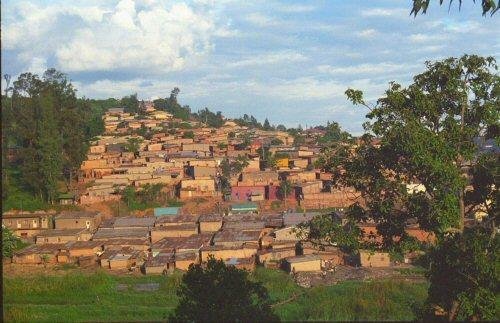
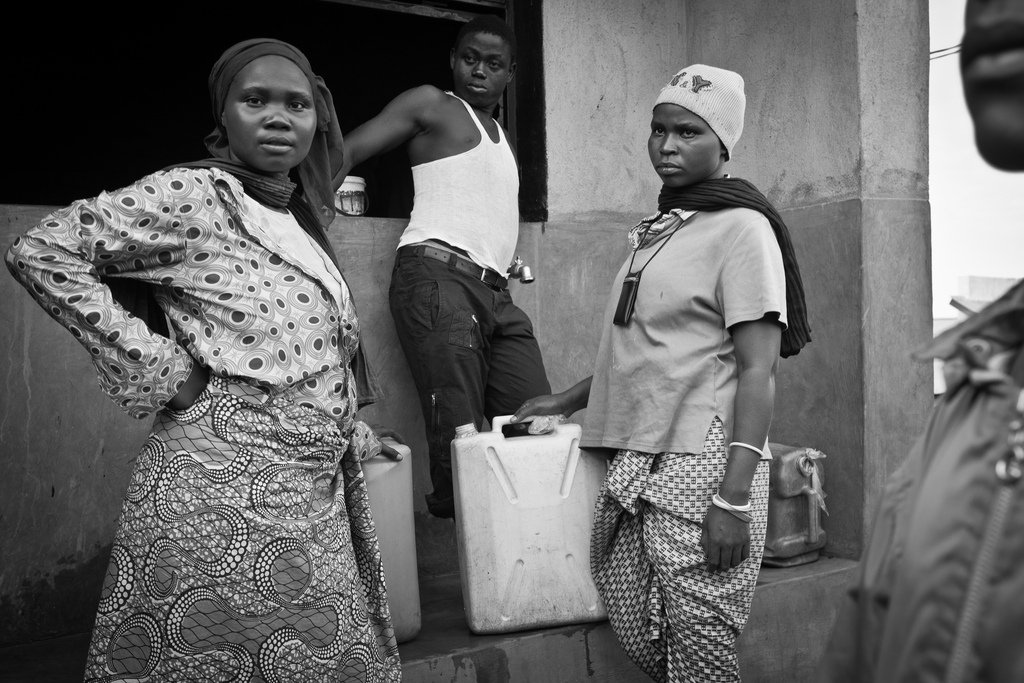
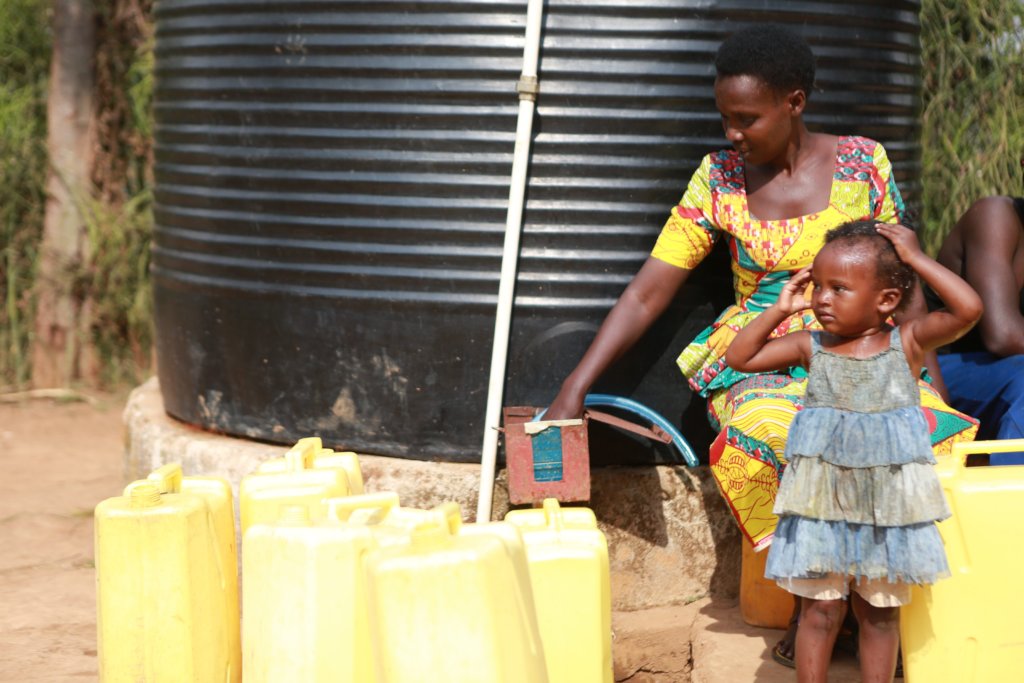
In another community, a lack of access to water forced women to walk two hours to collect water, children to miss school because they were busy collecting water, and handicapped women to trade water for sex. Having attended Global Grassroots training, a group of women from a local church decided to set up a rainwater collection system to provide water access to the community, as well as a source of income from the profits. Aside from providing the training, Global Grassroots provided the otherwise unattainable start up costs (such as tanks) for a project that still serves 200 families today.

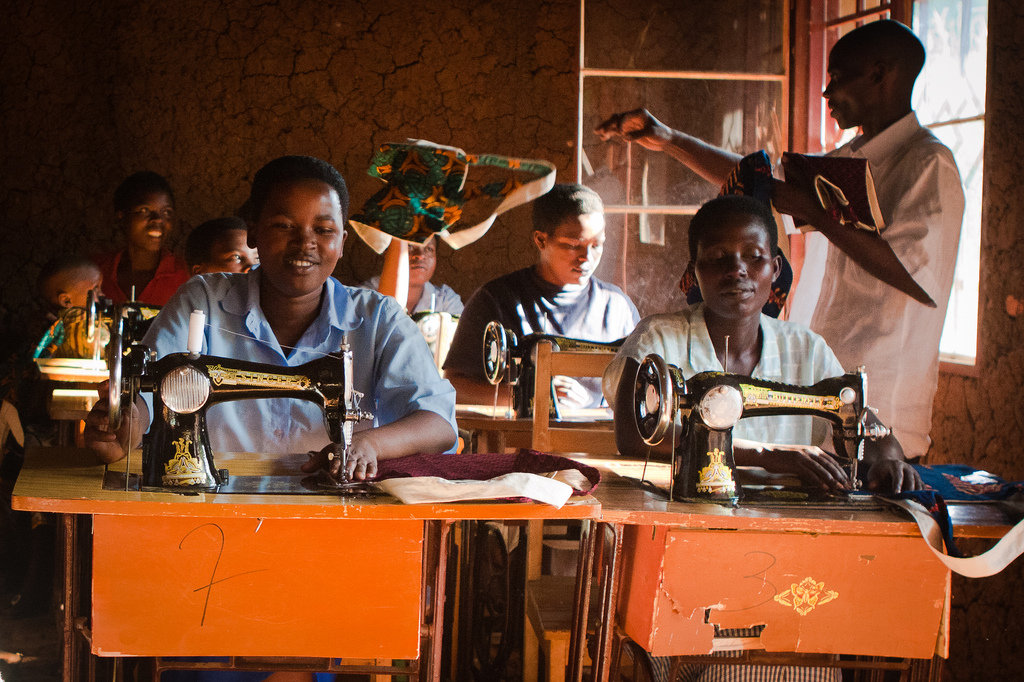
Of the 22 Global Grassroots projects throughout the country, time only allowed us to visit two others. For one project, Global Grassroots helped the group buy 15 sewing machines to teach former prostitutes an income generating project to escape the sex-trade. The last project taught female business owners to read, write, and do basic math, making it possible for them to profitably manage their businesses. One woman, Zahara, happily told us that now she can help her children with their homework. The countless stories about women like Zahara are a testament to the phenomenal work of Global Grassroots.

GlobalGiving is committed to incorporating many viewpoints on our 600+ projects. We feel that more information, especially from eyewitnesses helps donors like you continue to support organizations doing great work in the community.

Pictures:

Want to support this project's continued work? give now

Was this report valuable...
vote divider
Loading...
Tell us why (your comments may be shared publicly).
Rules for Comments 
Comments

Think about the Young Girls Project is building latrines to protect 635 girls from rape in school.

By Gretchen S. Wallace - New Global Grassroots Project Readying for Launch, May 13, 2009 03:15 PM

Project “Think About the Young Girls” (TAYG) recently completed their baseline study to measure the extent of violence facing girls and the need for more protection and reproductive health education for students. They have since followed up with an educational workshop for 94 teachers, 233 young people and six local restaurants in order to begin tackling this enormous issue in their community.

TAYG will soon be setting up anti-violence clubs in schools and performing plays about the issue to reach the general public. As a result of their proactive community education process, the team has already raised the matching funding needed from their own community to construct the latrines. (This matching fundraising challenge was structured to encourage local fundraising for longer-term sustainability and support their desire for local involvement in the latrine building project.) TAYG will begin construction of the latrines at the end of this month, breaking ground on Umuganda – a monthly day of community service in Rwanda.

Want to support this project's continued work? give now

Was this report valuable...
vote divider
Loading...
Tell us why (your comments may be shared publicly).
Rules for Comments 
Comments

HelpWomenHELPWOMEN

By Gretchen Wallace - Founder and Director, February 06, 2009 09:38 AM

HelpWomenHELPWOMEN
By Gretchen Wallace - Founder & President
March 8, 2009 is International Women’s Day. Did you know, globally, 1 out of 3 women has been beaten, coerced into having sex or abused?

Join our HelpWomenHELPWOMEN Campaign to advance grassroots solutions to end violence against women in Rwanda.

Help us raise $25,000 by March 8, International Women’s Day, to:

* launch FIVE social ventures (details below)
* designed by courageous Rwandan women
* to HELP nearly 3000 other vulnerable women, and
* END the domestic violence, sexual violence and discrimination they suffer daily

That’s less than $10 per woman.

HelpWomenHELPWOMEN end the violence in their communities. DONATE NOW to support 1, 2, even 10 abused women.

Our HelpWomenHELPWOMEN Projects include:

LIGHT IN OUR HOME
Expected Impact: 574 people
This group is working on sexual violence against women and girls. The team will begin by creating anti-violence clubs in secondary schools, where sexual abuse and exploitation of minors is a major issue. They will work closely with local leaders to ensure that cases of sexual violence are reported to and followed up on by the legal authorities.

ASSOCIATION DE LA PROMOTION DE LA FEMME ET L’ENFANT RWANDAIS (APROFER)
Expected Impact: 500 people
This project in the rural district of Kibuye is working to educate the community on domestic violence and women’s property rights. Serving estranged couples, youth about to get married, and widows in property disputes with their in-laws, APROFER will train community leaders to follow up on cases of domestic violence with the local authorities.

RELAX
Expected Impact: 815 people
This group is working in the rural village of Mutara, where up to 50% of women are victims of domestic violence. The team will teach women about their rights and identify local representatives who will be given cell phones to report cases of domestic violence when they occur. The team will work closely with the police and local authorities to improve the legal protection of women who experience violence, and seek to change community norms that tacitly condone domestic violence by shifting stigma toward the men who abuse their wives.

HAVE PITY AND COMPASSION
Expected Impact: 555 people
This project will work with couples in the rural community of Mutara District to counsel them on domestic violence and women’s land rights using theater and educational films to fight social norms that accept violence against women. By training a team of counselors to work directly with families, they hope to promote stronger relationships in which men respect their wives.

KIND PEOPLE
Expected Impact: 405 people
This project works in the rural district of Ruhango, where many women are not able to access their land rights, because they did not get legally married, and domestic violence is pervasive. This team will train couples throughout their district on women’s rights and will set up monitoring and reporting teams to help victims report their problems to the local authorities and seek help.

Please help these women help other women by donating now!

Links:

Want to support this project's continued work? give now

Was this report valuable...
vote divider
Loading...
Tell us why (your comments may be shared publicly).
Rules for Comments 
Comments

Cell Phones Protect 2250 Rural Women from Domestic

By Gretchen S. Wallace - Project Update, December 16, 2008 05:45 PM

In 2008, we trained 80 new change agents who have designed 26 social projects that will serve thousands of marginalized women. We've launched ten of these locally-designed projects so far and have another 16 in development.

One project currently ready for launch is in the rural Mwendo district of Rwanda. Here, 50 percent of women experience some form of violence, including denial of property rights, sexual violence (marital rape) and domestic abuse. The "Relax" project will train local women representatives about domestic violence and provide them with cell phones to contact the police when a woman in their community has been beaten. This project team of ten will serve 2250 abused women in their first year, ensuring quick and effective intervention.

Please help us raise $5000 to launch this newest Global Grassroots project.

To read more about this and Global Grassroots' other projects, please visit: www.globalgrassroots.org/projectsummary.htm

Want to support this project's continued work? give now

Was this report valuable...
vote divider
Loading...
Tell us why (your comments may be shared publicly).
Rules for Comments 
Comments

New Latrines Help Rwandan Girls Avoid Rape in School

By Gillian Porcella - Global Program Associate, September 10, 2008 03:13 PM

Help us fund our next social project in Rwanda and save 635 girls from rape in a rural primary school's unisex latrine.

Issue: In most primary and secondary schools, there are only unisex latrines. Not only are many girls embarrassed to use the toilet due to insufficient privacy and sanitation, but many are also targets for sexual assault. As a result, girls suffer from poor academic performance and high drop-out rates.

Solution: This 35 member team, Think About the Young Girls, in rural Byimana will build separate sanitation facilities for girls and educate the community about girl's biological needs.

Impact: Once the separate sanitation facilities are built, 635 girls in the Byimana primary school will no longer be targets for sexual assault while going to the bathroom, nor will they be too embarrassed to go to school once they begin menstruation.

Want to support this project's continued work? give now

Was this report valuable...
vote divider
Loading...
Tell us why (your comments may be shared publicly).
Rules for Comments 
Comments

Social Change Leaders

By Gretchen S. Wallace - Founder and President, August 11, 2008 06:03 PM

We just learned that two of our women project leaders have decided to run for Parliament in the upcoming elections! One of these women is leading a project involving expanding knowledge of property rights among rural women, and the other is working on raising awareness of the rights of women so as to combat domestic violence. Their engagement in national government will help ensure that these same concerns will have consideration among lawmakers and further encourage women’s participation in decision-making at all levels. We anticipate that several more of our women changemakers will decide to participate more actively in local and national government over the next year, as they experience the possibility of creating meaningful social change in their communities.

We have 14 more preparing their project plans for seed funding and implementation, and six more teams in the training we are leading this month. We expect all social ventures will be ready to launch by year end.

Want to support this project's continued work? give now

Was this report valuable...
vote divider
Loading...
Tell us why (your comments may be shared publicly).
Rules for Comments 
Comments

MEG Foundation School

By Gillian Porcella - 2008 Rwanda Social Project Portfolio, June 18, 2008 07:00 PM

We are delighted to share the first project to be launched as part of our 2008 Rwanda Social Project Portfolio. Before year end we anticipate 19 to 24 more social issue organizations will be ready for implementation.

MEG FOUNDATION SCHOOL

THE PROBLEM: A team of 45 men and women have identified women’s involvement in sex work, and in turn exposure to and lack of knowledge about HIV/AIDS as one of the greatest problems facing their community. In Kinamba, Kigali, many women and girls have been left widowed or orphaned from the genocide and have felt forced into prostitution with little to no education and skills to secure other jobs. One team-member states, “After talking to the women, we have helped them to decide to leave prostitution and change their lives, but they need skills training in order to be able to earn a living without prostitution.”

THE SOLUTION: To help vulnerable women earn a sustainable living without exposing themselves to HIV/AIDS through prostitution, the MEG Foundation School plans to offer training in tailoring, workshops on HIV/AIDS prevention and reproductive health as well as literacy and English classes.

THE IMPACT: In year one, the MEG Foundation School will provide 60 prostitutes a sustainable and healthy alternative for themselves and their families.

Please make a donation today in support of our 2008 Rwanda Social Project Portfolio and Conscious Social Change Program.

Pictures:

Want to support this project's continued work? give now

Was this report valuable...
vote divider
Loading...
Tell us why (your comments may be shared publicly).
Rules for Comments 
Comments

Project Leader HACIMANA Seraphine and team have reduced the vulnerability of their neighbors

By Gillian Porcella - Team ABANYAMURAVA's First Water Delivery, January 29, 2008 05:23 PM

HACIMANA Seraphine - ABANYAMURAVAGlobal Grassroots team members, Allison and Gyslaine learning ab
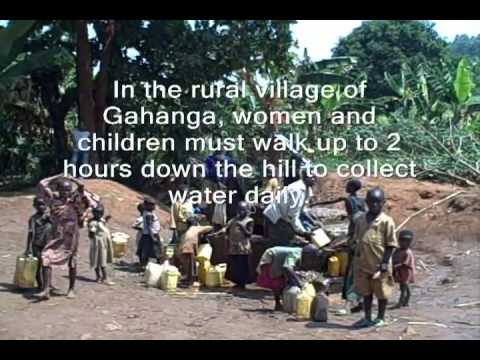
During Global Grassroots' most recent trip to Rwanda in January, we visited Gahanga, a community on the outskirts of mountainous Kigali where project leader HACIMANA Seraphine and the ABANYAMURAVA team gathered their neighbors to speak with us about their first water delivery earlier that week.

Gahanga was formerly forced to rely upon a dirty water source located at the bottom of the valley. Before attending Global Grassroots training, Seraphine noticed that not only was the two-hour water collection too time intensive for her busy community, it often left those physically disabled or infected with HIV from the genocide relying on men with bicycles to collect water in exchange for money or sex. After graduating from our training, Serpahine and her fellow team members realized that they had the power to combat this issue head-on.

This dedicated group of 17 women decided to design a water tank project that could reach over 60 households, including Gahanga’s most vulnerable neighbors by providing clean, reliable and affordable water. However, the quickly-rising price of cement and professional labor meant that our original Global Grassroots grant would no longer cover the construction of the tank foundation. Instead of abandoning their project, ABANYAMURAVA put their newly-learned creative resourcing skills to work and decided to sacrifice their time and wages to come together and build the foundation themselves. They were then able to rely upon the newly designed rain-water collectors during rainy season, and saved what was necessary so that they could ensure their first water delivery once dry season began.

During our visit, community members shared with us that they were incredibly grateful for the water tank. It meant that they no longer had to forfeit part of their busy day to make the arduous journey down the valley to only return with dirty water. Children were now on-time for school and mothers had enough water to cook for their families throughout the day. We also learned that people were now able to clean their houses and themselves much more often, which they told us greatly improved their quality of everyday life. We were especially pleased to hear that with the new tank, many women were no longer sexually exploited because of their need for water.

What was most thrilling to see, was the pride exhibited by these women. With the help of Global Grassroots, these community members learned to properly diagnose an issue and found the solution to promote social change on their own. Seraphine, who is married with seven children at the age of 38, has been approached by several individuals requesting that she share her skills and guidance so that they too may combat issues within their own communities.

We are incredibly proud of the ABANYAMURAVA team who has proven the validity of their project name in Kinyarwanda. These “hard workers” have truly shown us that they are willing to sacrifice in the spirit of improving their community.

Pictures:

Want to support this project's continued work? give now

Was this report valuable...
vote divider
Loading...
Tell us why (your comments may be shared publicly).
Rules for Comments 
Comments