By Heather McKay | Executive Director
Dear Friends,
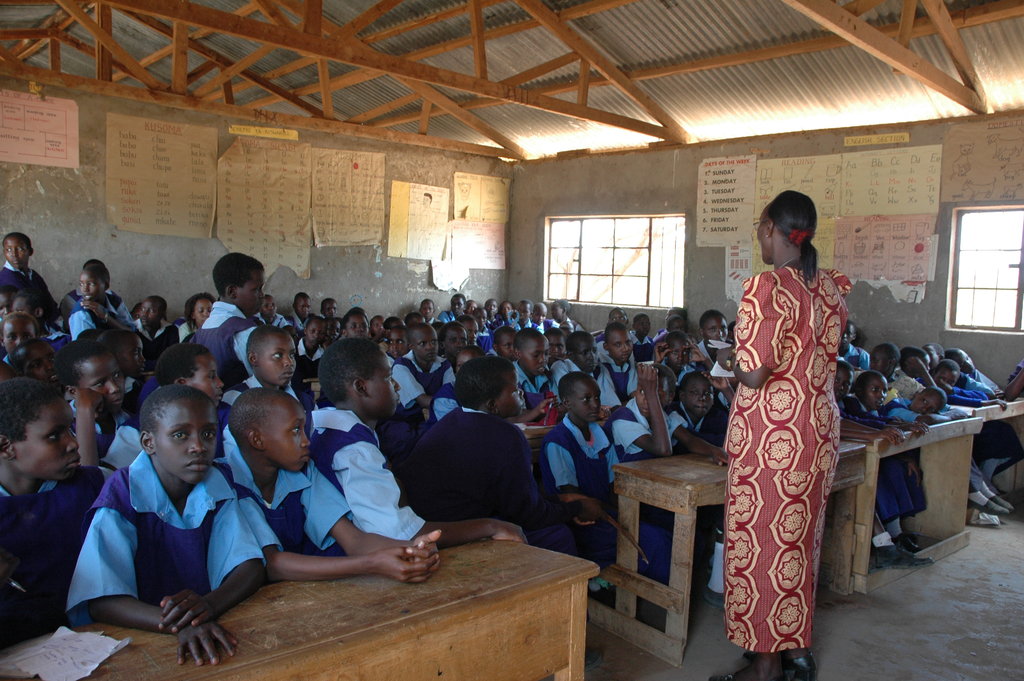
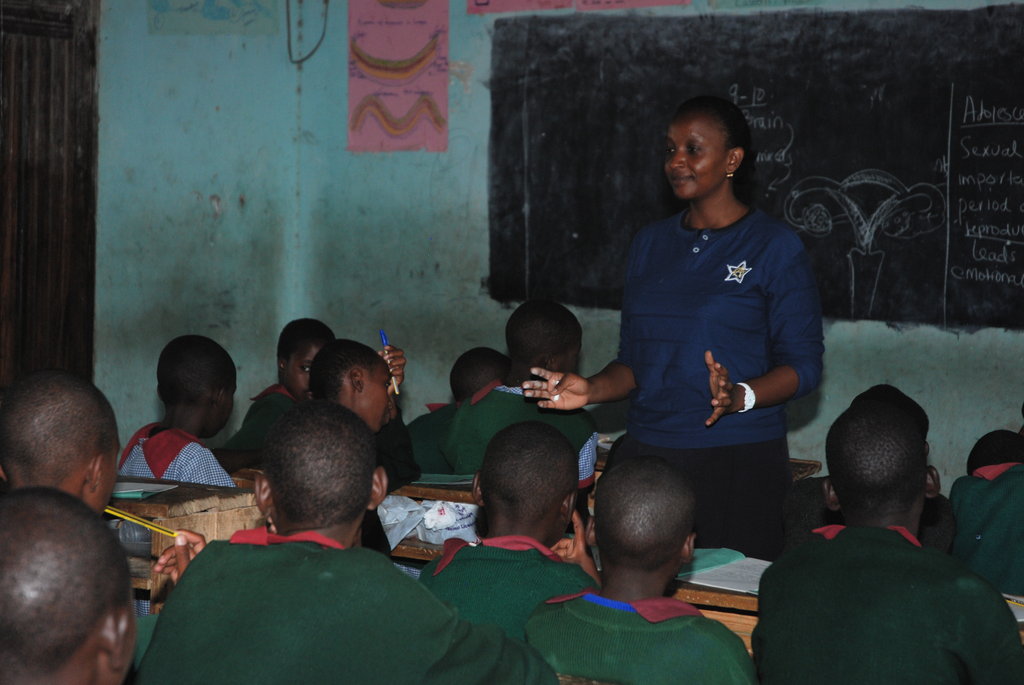
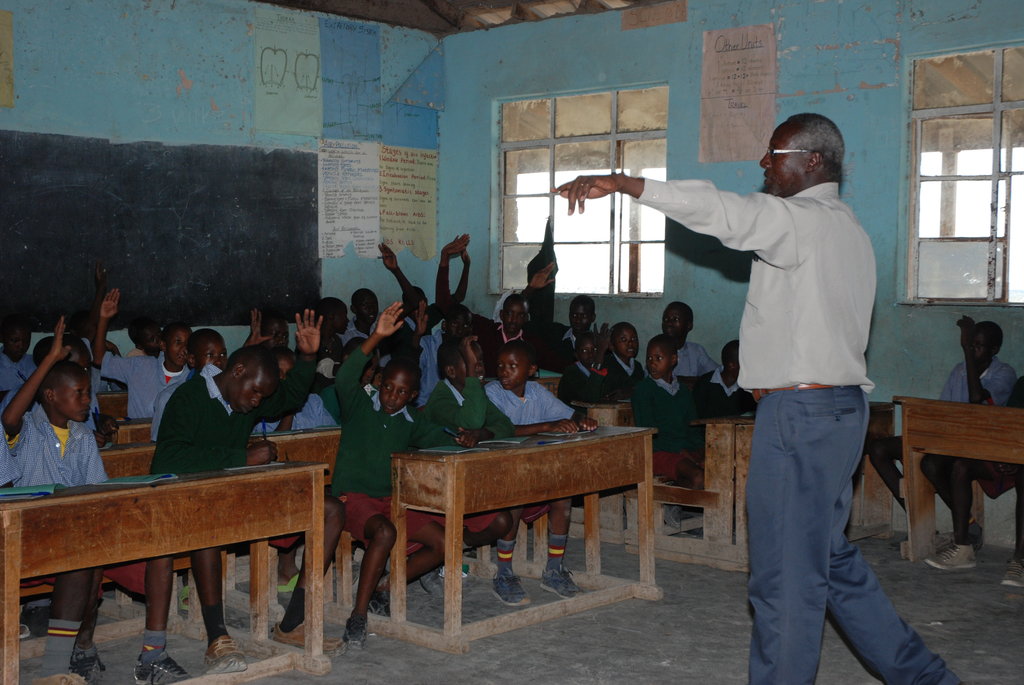
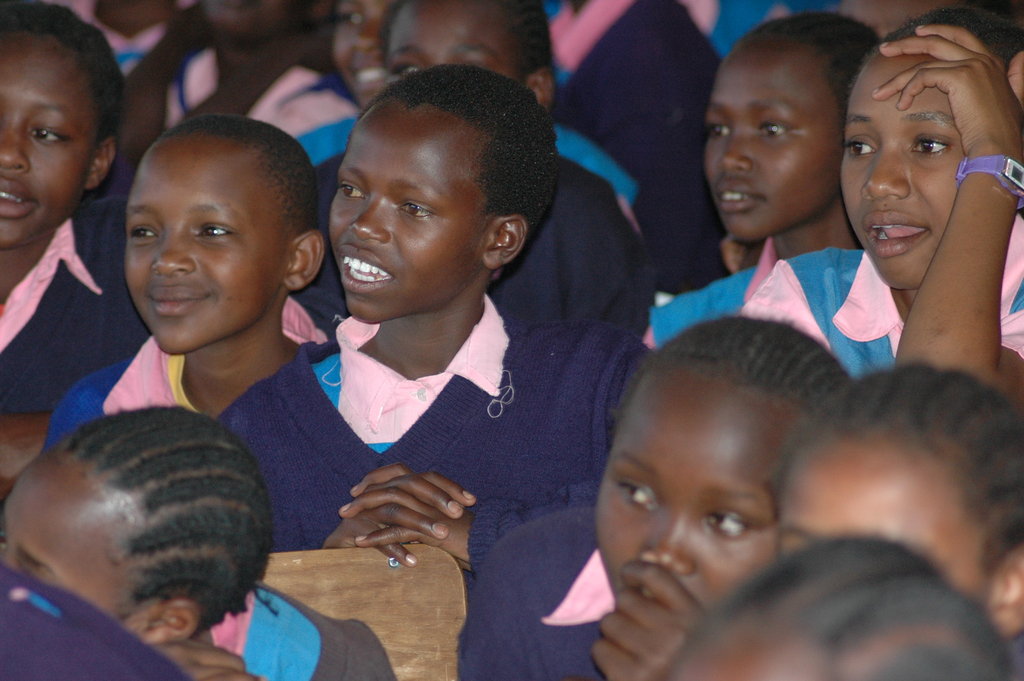
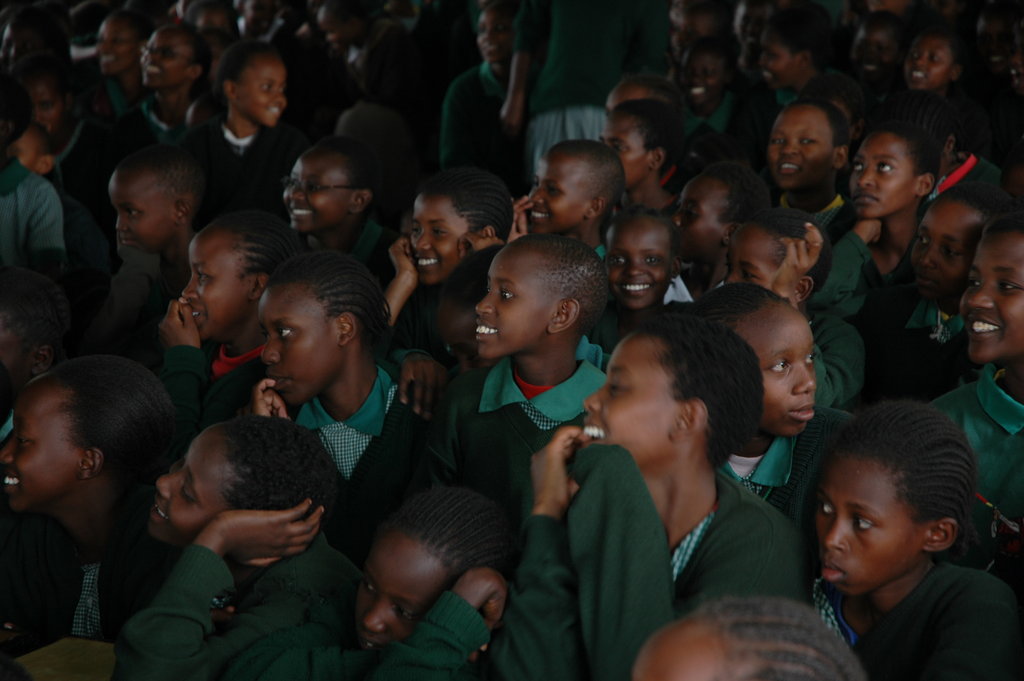
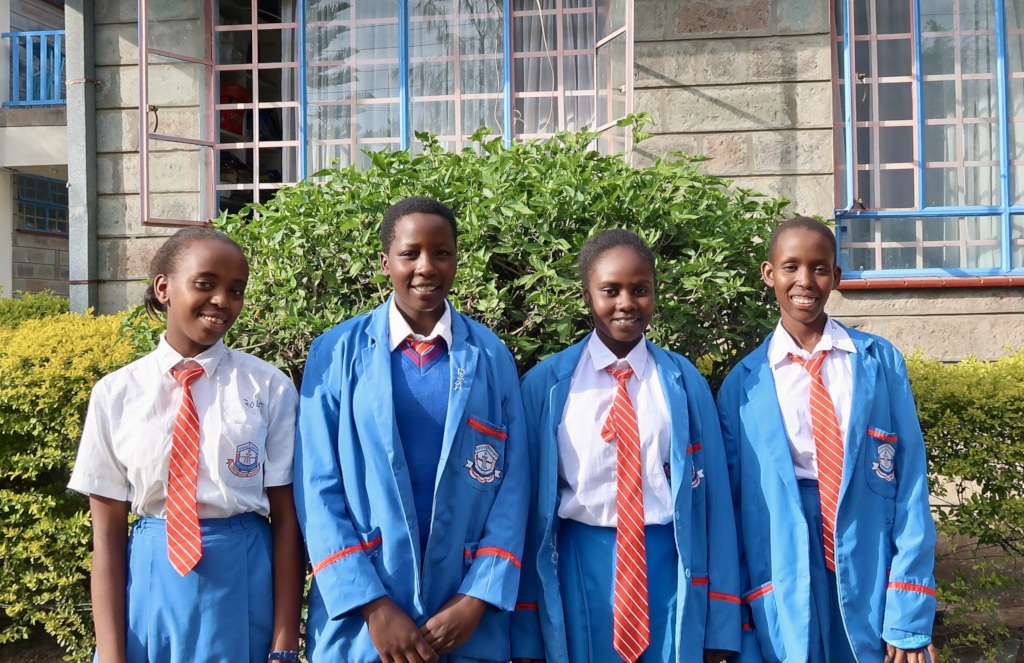
The midterm break for Term 2 has just ended and all the students are back in classes. This is a very short break, but many of the students take full advantage of the time by visiting family, helping with chores and getting ahead on their school work.
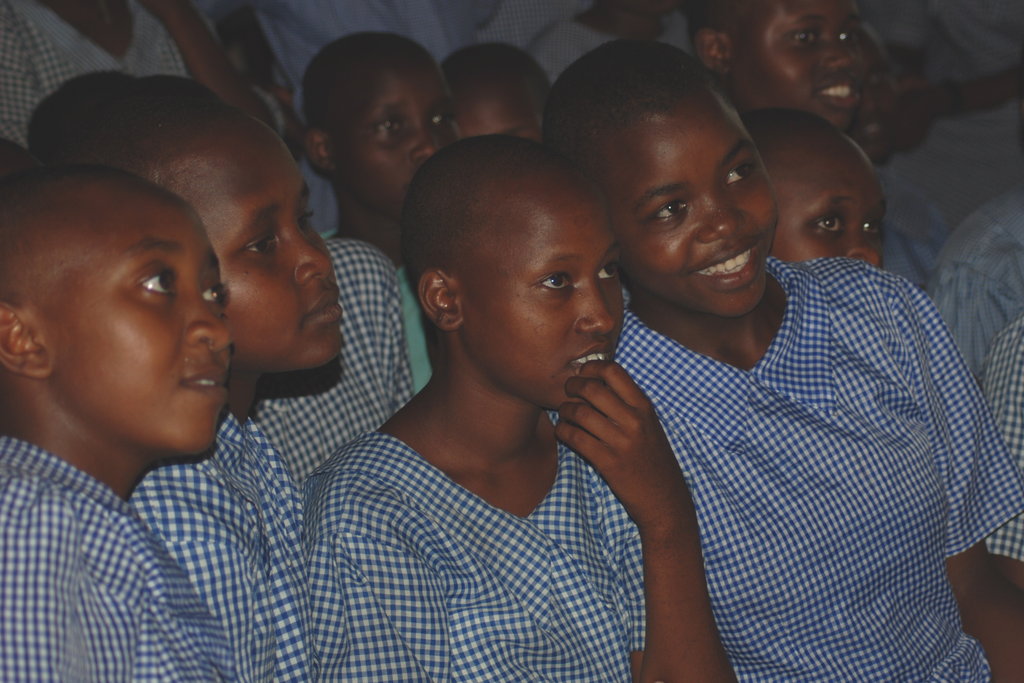
To date, our roster continues to be very robust with 186 active students – 30 primary, 25 junior high, 59 high school, three vocational, 55 post-secondary and 14 pending students who are busy taking computer classes and applying to institutions of higher learning. All the new scholarship recipients have settled into their new schools and are doing well. It has been a very successful school year so far for everyone.
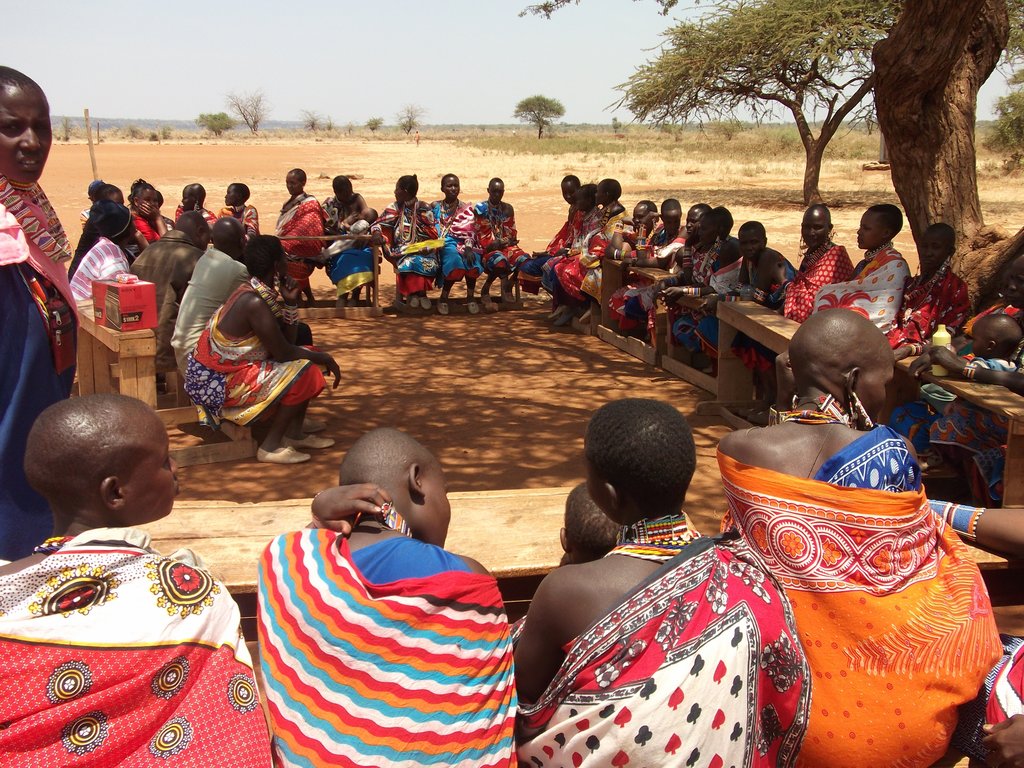
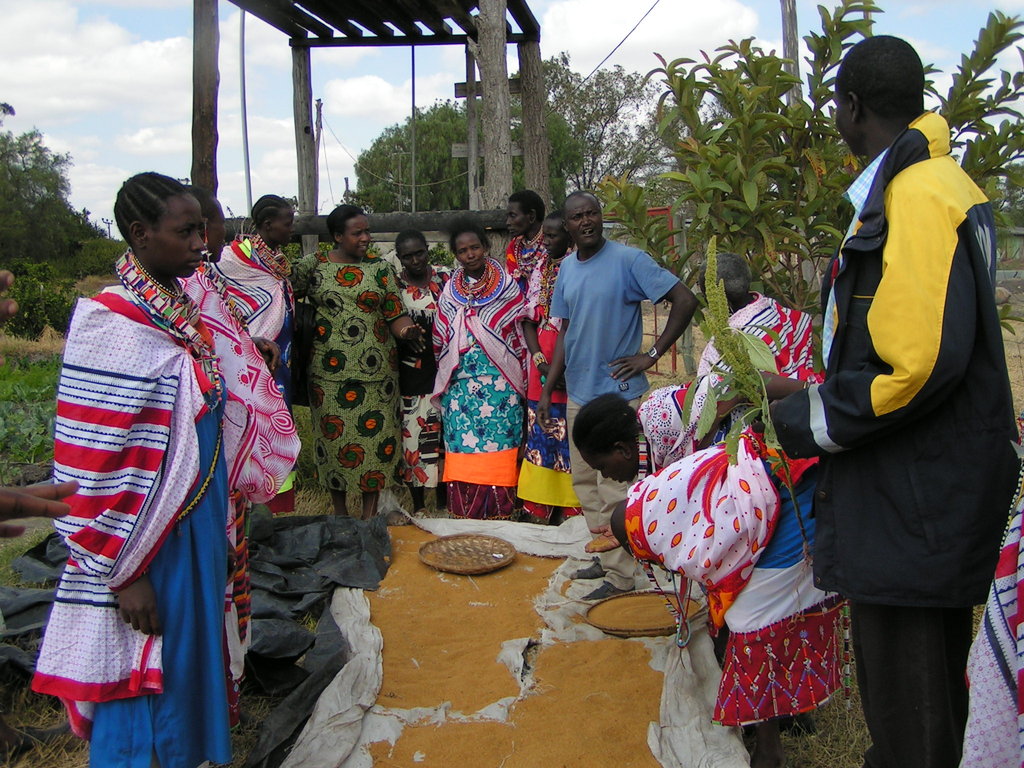
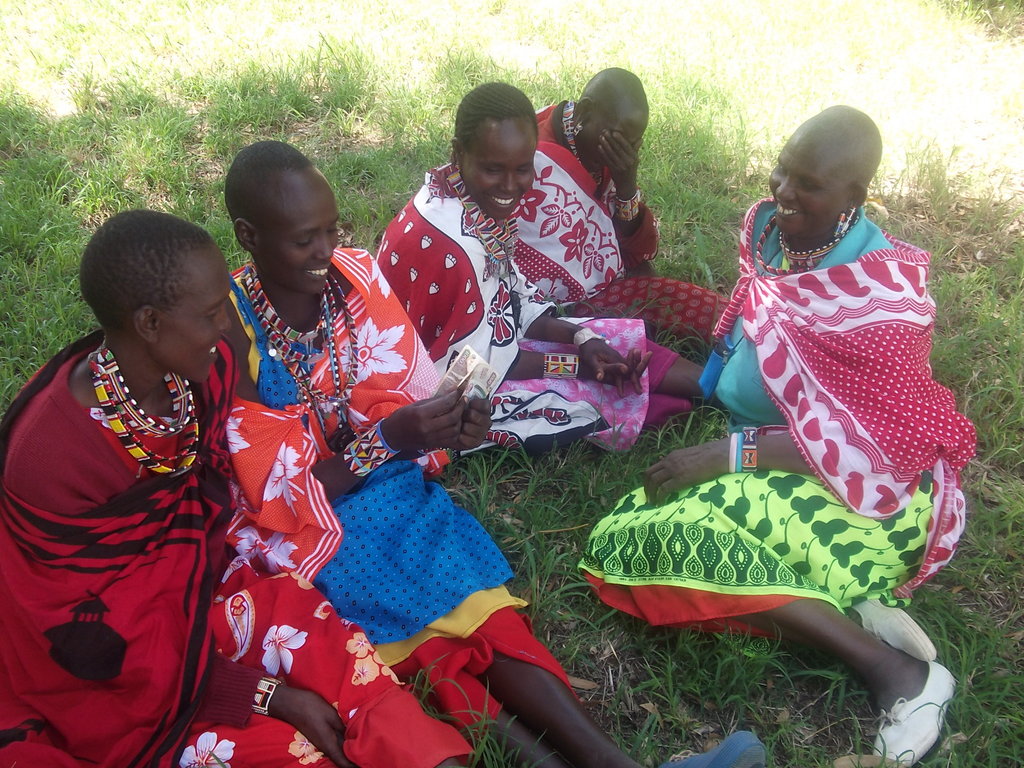
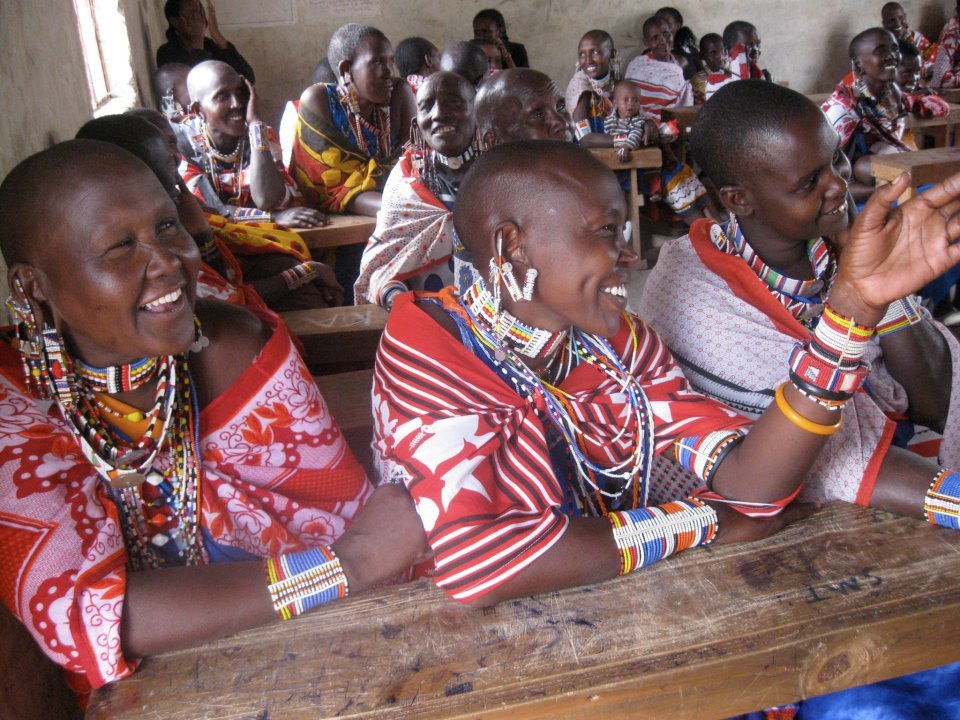
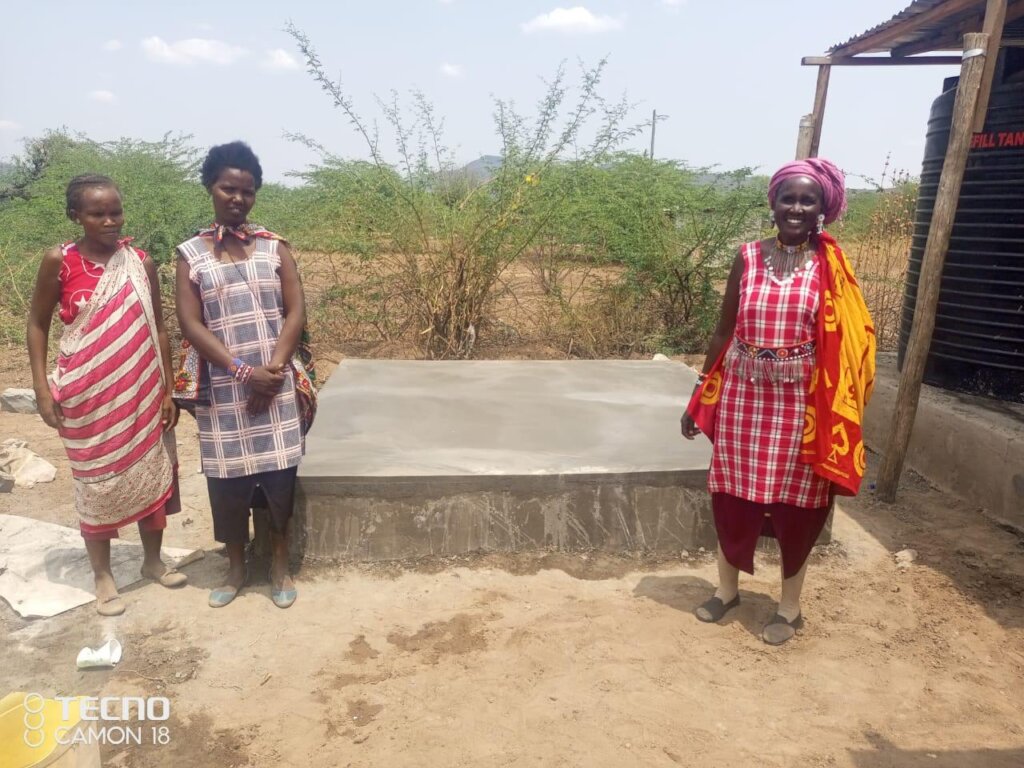
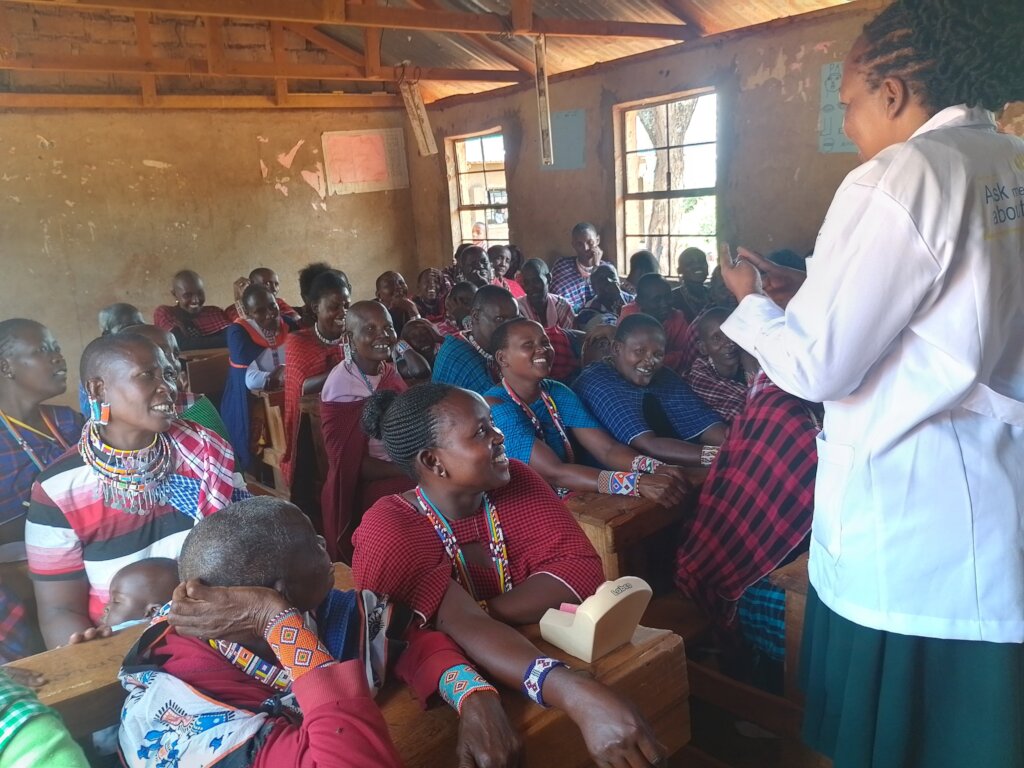
The Women’s Business Training (WBT) workshop has been very busy this year. Cohort 10, known as the Esilanke group, has been successful in staying in business. In 2017, these 30 Maasai women attended a three-day training session during which an MGEF Maasai facilitator presented the basic business ideas and practices they would need to open and sustain their businesses. Topics covered include profit and loss, banking, record-keeping, and the importance of reinvesting.
On the fourth day, the group of 30 was divided into six teams of five, and each team formed a business of their own choosing. The MGEF facilitator, along with all the subgroups, discussed whether the businesses they chose and designed were marketable in their area. Each subgroup then named a team leader (board member) who met with the other five subgroup leaders weekly to share their progress, discuss their challenges, and to vote on decisions concerning each subgroup. When needed, the MGEF facilitator was available to cast the seventh, deciding vote at those meetings.
Through numerous droughts and the pandemic, two of the six businesses kept their original model. The other four pivoted to better suit the demands of their local communities. The businesses are now two beadworks, two petrol, one poultry and one business that fattens and sells rams.
This year, the group decided that they would join together and pull their resources and add 30 rams to fatten and sell as one large business. They would all continue to do their different businesses, but each group would take five of the sheep to divide up the maintenance of the animals and begin fattening them up to sale. This would add to the income of their other businesses. Sheep are a thriving investment in the Maasai community, because they are one of the main sources of meat. The ewes are primarily used for breeding purposes, and the males as a food source.
Earlier this year, they came to MGEF for assistance with their new business proposal. The first week of February, Esther and Lucy, MGEF-Kajiado Managing Director, met with Susan, the local MGEF board member, to discuss the logistics of acquiring the sheep and getting them to the 30 women to divide and take home. They discovered that the price of rams varied and fluctuated, but they finally found a farm that sold sheep at a good price and proceeded to the farm to check on the health of the animals. They had decided that Doper sheep were the best for their purposes. The farmer usually sold sheep in a larger number than 30, but he agreed to give them the same price.
On February 16, Esther, Lucy and two women from the Elisanke cohort (the chairlady and the treasurer) went to the farm to pick out their sheep. MGEF decided to fund 32 sheep instead of 30 in case of possible loss of livestock in the transportation, or a sick sheep.
When the sheep arrived, the 30 women divided the 32 sheep into 5 groups. The women were very happy and eager to start the fattening process. Judging from their ability to adapt and survive as small businesswomen for 9 years through droughts and COVID, we have faith that they will succeed.
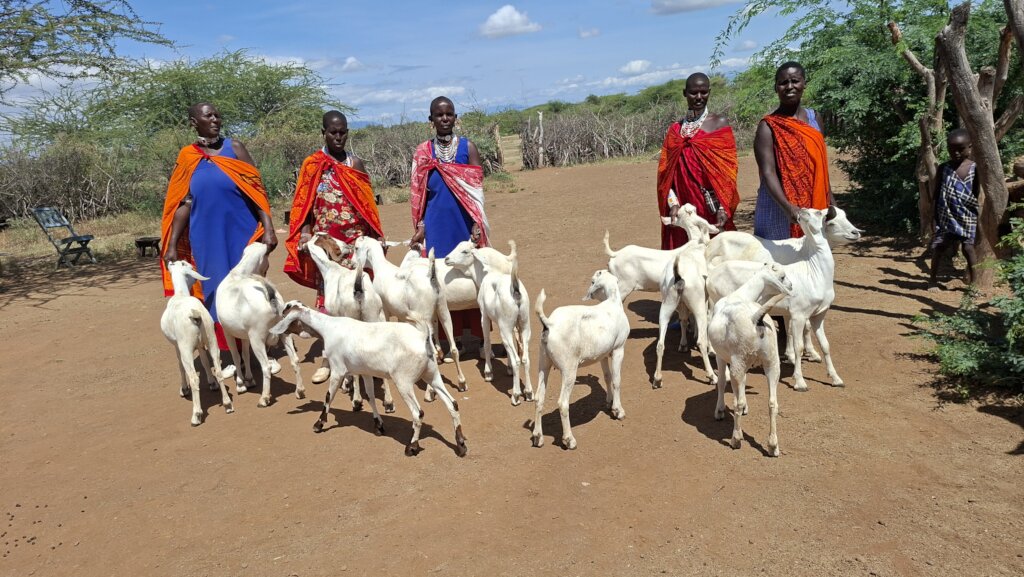
Another success story is from WBT Cohort 4, which was initially held in 2014. The Namelok subgroup, with a membership of five women, has been saving money from their business of bead work and clothing. With some of the seed money from MGEF, they also bought five male goats. Over the years, they sold and bought new goats. This year, they were able to buy 14 female goats to sell the milk and to also reproduce. They gave one goat to the man who had been allowing them to keep the male goats on his land, and gave each of the five members two goats for milk for their families; with any luck, they will also reproduce. The three remaining goats were to be kept as a group to sell the milk and also try to reproduce. We were so happy to see that this group was still using the skills they learned in our workshop to expand their business, and have maintained financial independence as businesswomen for 12 years now.
A very successful year for the MGEF’s scholarship program, and an exciting year for the Women’s Business Training alumnae!
Thanks to your support, we are able to help these young girls and women reach their goals of an education and to break the cycle of poverty.
By Heather McKay | Executive Director
By Heather McKay | Executive Director
Project reports on GlobalGiving are posted directly to globalgiving.org by Project Leaders as they are completed, generally every 3-4 months. To protect the integrity of these documents, GlobalGiving does not alter them; therefore you may find some language or formatting issues.
If you donate to this project or have donated to this project, you can receive an email when this project posts a report. You can also subscribe for reports without donating.



Support this important cause by creating a personalized fundraising page.
Start a Fundraiser