Project Report
| Feb 9, 2016
Climate change adaptation-Panama rural livelihoods
By Rosa Montanez | Director
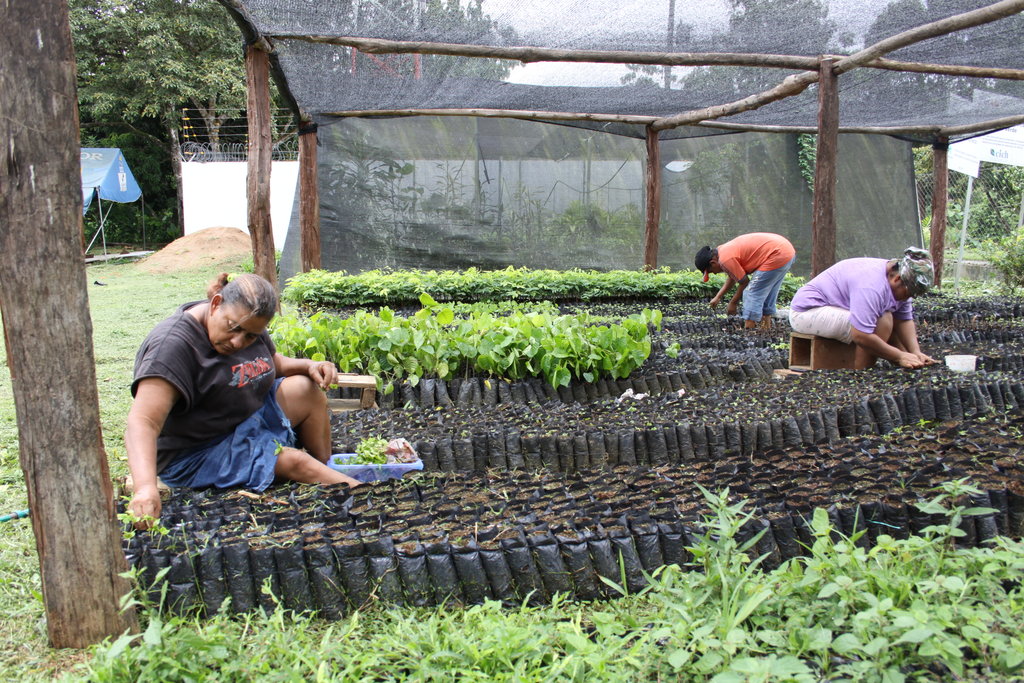
Fundación Natura conclude activities programmed for 2015, matching with funds the initiative proposed to Global Giving in Gallito Micro-watershed, the main course of action is based on the beginning of activities to implement the Conservation Plan Area (PAC) for Gallito, including funds to establish and follow 10 community farms in sensitive area for conservation and restoration purposes. Terms of reference to develop de base line for monitoring conservation objects was done, and is in progress the coordination to establish the process to desing the monitoring program for: lotic ecosystems as Gallito river (tributary of Santa María River Basin), secondary and mature forest and “titi” fish (Sycidium salvini).
PCA publication was done and is in progress to be distribute to key stakeholders in order to join efforts with other key people around the conservation of this watershed. A concept proposal was developed to raise additional funds from other sources to begin the implementation of additional activities related with climate change adaptation and agriculture in the microwatershed as part of PCA effort to be implemented.
On addition, is expected to begin environmental education work in remote communities with the objective to increase the awareness about the Jaguar, one of the most threatened species in the region because the human intervention in their ecosystem.
![Share on Twitter]()
![Share on Facebook]()
Sep 10, 2015
Climate change adaptation-Panama rural livelihoods
By Rosa Montanez | Executive Director
Fundación Natura is advancing the activities programmed for 2015, matching the initiative proposed to Global Giving project since 2012. The Gallito Micro-watershed Conservation Plan Area (PAC) began its implementation, focused on conservation objects identified to monitor threats and pressure in mid and long term, such as: lotic ecosystems as Gallito river which is tributary of Santa María River Basin, secondary and mature forest and “titi” fish (Sycidium salvini).
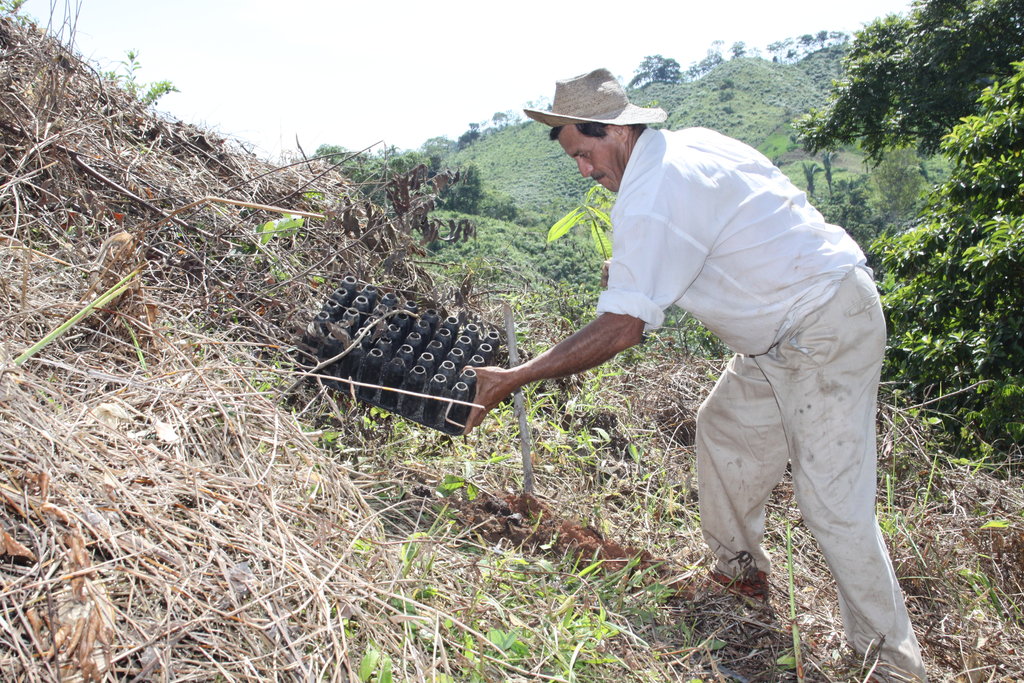
The project entitled "Implementation of measures for the conservation and protection of environmental goods and services in Gallito micro-watershed" follows its timeline on the field using Gallito PCA as guidance, developing and implementing management plans for 10 farms, working directly with local communities in the upper and middle sections of the watershed. The activities executed include: design, distribution and implementation of technical guidance for monitoring, accompanied with training and exchange in communities.
During this quarter, we also follows the design and edition of PCA publication and a new project preparation to call for proposals during the next quarter.
![Share on Twitter]()
![Share on Facebook]()
Mar 19, 2015
Climate change adaptation-Panama rural livelihoods
By Rosa Montanez | Director
Fundación Natura committed with the sustainable development and environmental conservation, through participatory processes, advanced in activities programmed for 2014, and follows the project activities proposed in our Global Giving project since 2012. The Gallito Micro-watershed Conservation Plan Area (PAC) development was concluded. This plan is focused on one of the tributaries of Santa María Basin, and was accompanied by an environmental education project directed to increase the community knowledge about Gallito environmental goods and services. At the end of 2014, and based on this process which provide with guidelines to implement conservation strategies identified by the PCA to attend threats and conservation objects, Natura opened a new project in Gallito with the objective to begin the implementation of the PCA.
The project entitled "Implementation of measures for the conservation and protection of environmental goods and services in Gallito micro-watershed" began in the last quarter of the year, with a duration of 18 months. With this project, we started local activities on the field based on Gallito PCA, impacting in the long term 5,340 acres. During the last months, preparation activities were carried out for field implementation. This project will follows through 2015 with the development and implementation of management plans for 10 farms in the upper and middle sections of the watershed, including the design, distribution and implementation of technical guidance for monitoring, accompanied with training and exchange activities for local participants.
![Share on Twitter]()
![Share on Facebook]()