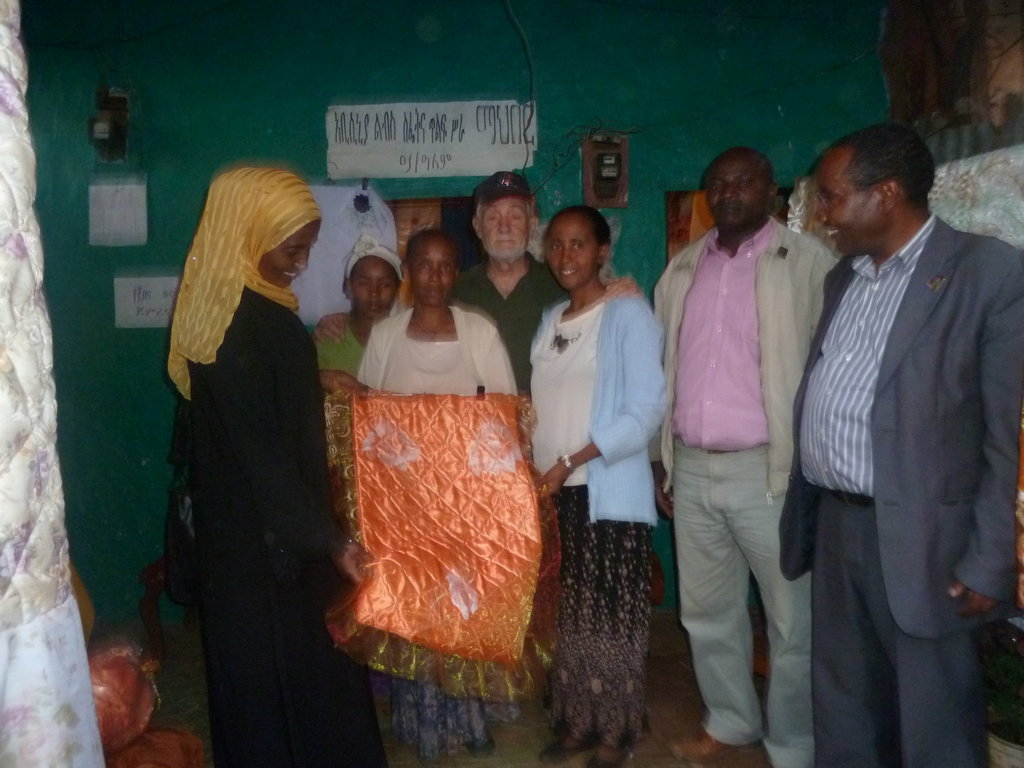
Hawassa city is one of the fast growing cities in Ethiopia where life is becoming difficult for low income women who reside in slum areas and rented houses. The opportunities to improve their livelihood are limited and most of them are illiterate. The project provides the mentoring, training and guidance to 200 disadvantaged women so as to build their capacity to deal with the impacts of poverty and empower them to overcome challenges and build a sustainable response.
The average woman in Ethiopia bears 5.4 children which place an insupportable burden on families, communities, and the country at large. In Hawassa there is high unemployment, and poor urban women cannot afford adequate food to family members especially children. The population pressure, inflation and numerous family roles make the life difficult for urban women at low income level. This also influences their ability to make decisions about their own health care and socio-economic development.
The project will train the beneficiaries on vegetable and horticultural production and marketing, poultry production, pottery making, restaurant and tea shop management, and garbage collection and recycling. The women are also made to form their own savings and credit groups, after which they are provided with seed money on a revolving fund base and linked with micro-finance institution for short or medium term loan.
In a long term, the project will create healthy, educated, employed, and empowered women who can break poverty cycles - not only for themselves, but for their families and communities.
This project has provided additional documentation in a PDF file (projdoc.pdf).






