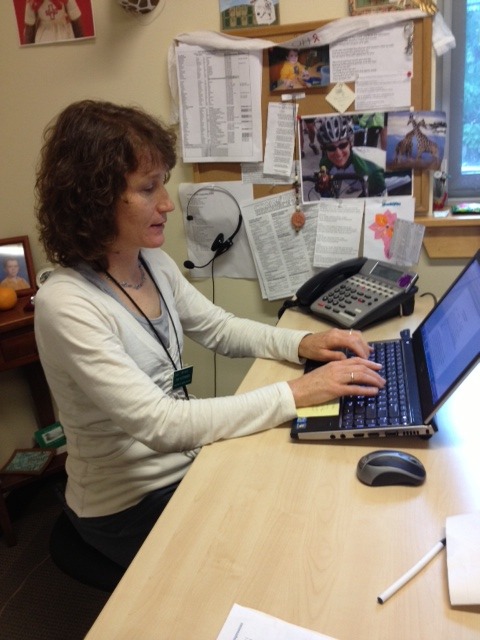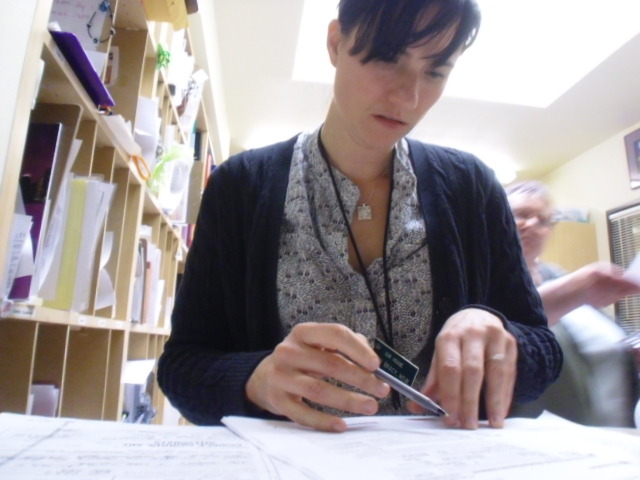
Although we have not yet heard if we will receive a grant to fund this project, we have begun to create the basis for training. Several of the clinical staff have been doing research and have created presentations for meetings, seminars and webinars. This helps us to see how much need there is out in the communities for this service.
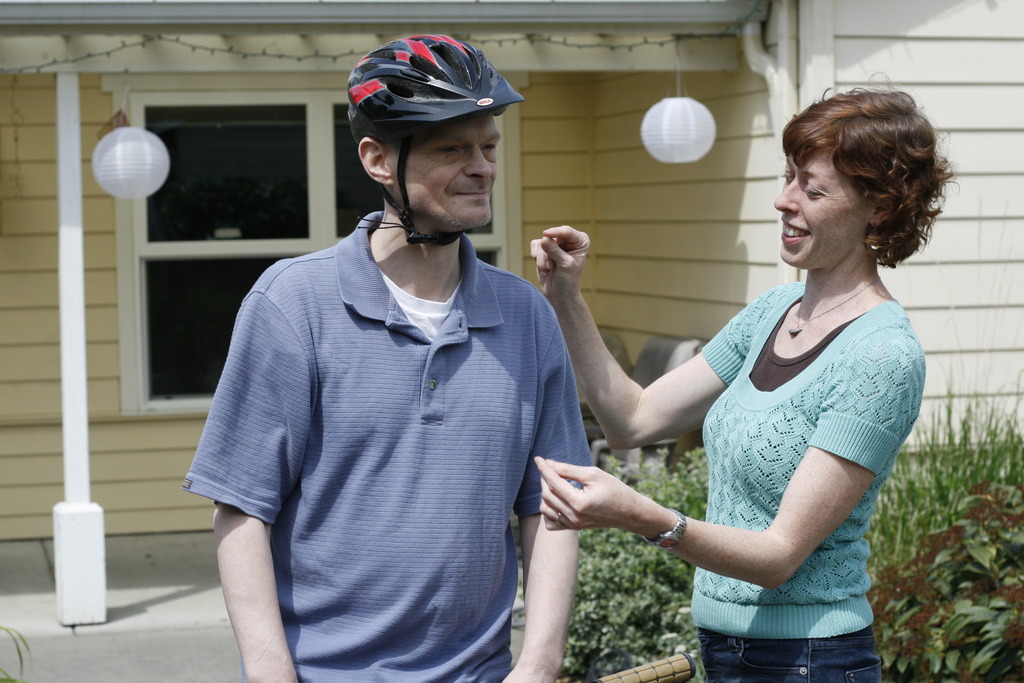
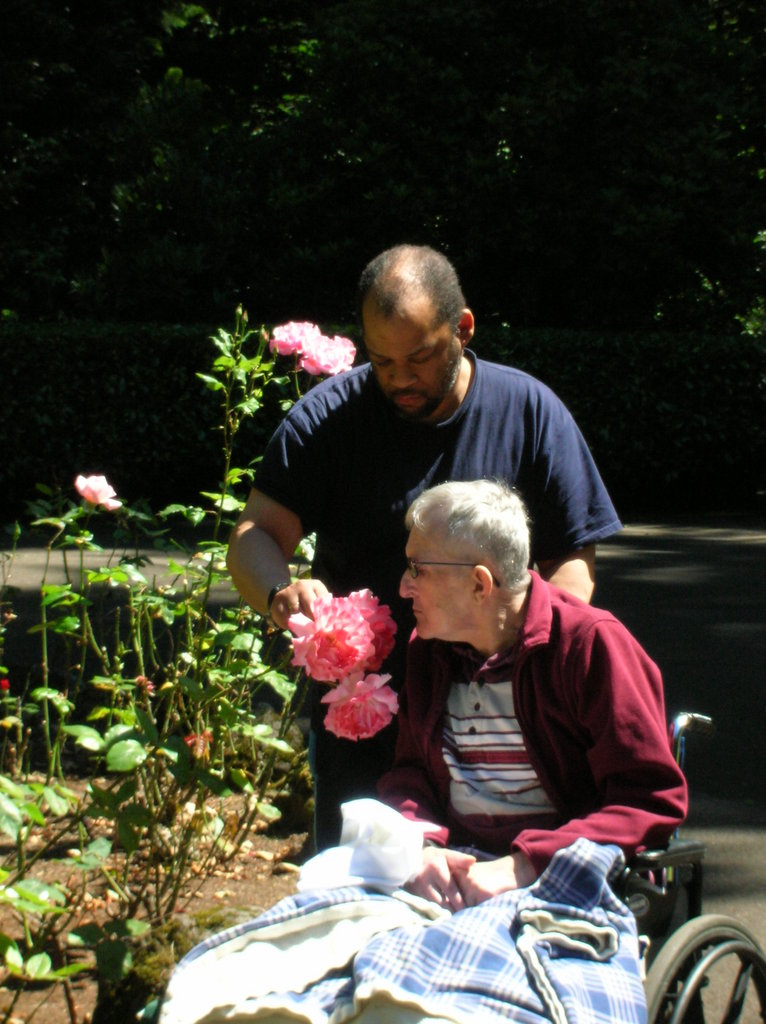
As we provide continue to provide services for people with HIV/AIDS in their homes, we see an increasing need for this type of training - not only for the caregivers, but for the clients themselves. If we can create an environment where medication management, safety, exercise and good nutrition is a priority, we can avoid many more expensive alternatives for care such as hospitalizations or ER visits.
We are also working with some of the organizations who are creating the Coordinated Care Organizations for Oregon (CCO's) where funding this project is a good possibility.
We have applied for the Health Care Innovations Grant from CMS. We requested $1 million in funding for a $2 Million project. IBM will be collaborating with us to provide equipment and consulting services to set up distance learning and virtual care training modules. This project is very consistent with the new Coordinated Care Organizations that are being set up in Oregon and will provide more competent care for people with HIV. It will also reduce overall costs by decreasing visits to the emergency rooms and hospitals. The executive summary is below:
“The United States will become a place where new HIV infections are rare and when they do occur, every person, regardless of age, gender, race/ethnicity, sexual orientation, gender identity or socio-economic circumstance, will have unfettered access to high quality, life-extending care, free from stigma and discrimination” – Vision for the
National HIV/AIDS strategy
In the United States, 1.2 million people are infected with the HIV virus. That number is growing at the rate of one new infection every 9 ½ minutes. As the uncertainty of government funding grows, it is necessary to look at new ways of treating those that are infected with the disease.
Goals of the Project: Reduce Utilization of Higher Cost Care:
Total budget: $2,212,183
Number of projected participants: 2000+
Projected total cost of care savings: $15,309,600
Through a unique partnership with IBM, this project will expand an existing, award-winning, proven model of care and supplement it with caregiver education and training utilizing virtual care and distance learning technology. Through collaborative partnerships, we will increase our workforce with people that have both clinical and training skills as well as expertise with current technology. We will acquire hardware and software that will enable us to provide virtual care as well as distance learning.
It will provide better healthcare to people with HIV by making multi-disciplinary resources available to them both directly and through virtual delivery. It provides better heath to the HIV population by providing education and training to both patients and caregivers to better understand the care that HIV disease requires. It provides lower costs by reaching more people and decreasing use of high cost emergency room and hospital care. Current data from our existing Neighborhood Housing and Care Program proves that providing critical education and services
around symptom and medication management to the HIV population measurably prevents emergency department visits and reduces the length of hospital stays. Evidence has also shown significant decreases in hospitalizations and stabilization of housing through improved adherence to HIV drugs and other therapies.
This project offers a new model of lower-cost, higher-impact care that is scalable both to address the national scope of anticipated HIV disease futures and to further reduce costs and improve health and healthcare for other high-risk populations. Because the virtual care component and caregiver training modules are delivered through internet and cloud computing, there is the potential to greatly expand the number of people with HIV that we are able to serve, as well as their caregivers across the nation. As this population ages, other comorbidities become much more apparent and will be integrated into the model. This program could be a model of care for the new Coordinated Care organizations in Oregon, as well as for the President’s Strategy on HIV/AIDS.
We recently met with a representative of IBM who is expressing very strong interest in creating the technological infrastructure necessary to provide educational materials and consulting to people at various venues. This may include adult care homes, assisted living or nursing facilities. It may also include individuals and/or their caregivers who would require one-on-one consultation. We will be working with them to acquire the funding and equipment to set this up.
We are also meeting with Care Oregon to look at ways to decrease the number of emergency room and hospital visits from people with HIV/AIDS. This can be through education or individual consulting or services to the clients. We are looking to create a model that will be consistent with the goals of the ACO/CCO healthcare structures.

The Caregiver Education and Training project will be a very long term effort. We have been applying for funding from foundations and others and as yet do not have the necessary funds to move as fast as we would like. Our applications for two foundation grants have been denied, but we will continue to pursue funding.
We have been working on collaborations with a variety of providers in the local area as well as other community organizations in order to set up communication links and contacts once the project is underway.
We will be collaborating with a local company to educate and train their staff on HIV issues and address the problem of stigma as well. We also have discused this issue with local government administrators in order to create a collaborative team once the project has momentum.


Project Reports on GlobalGiving are posted directly to globalgiving.org by Project Leaders as they are completed, generally every 3-4 months. To protect the integrity of these documents, GlobalGiving does not alter them; therefore you may find some language or formatting issues.
If you donate to this project or have donated to this project, you will get an e-mail when this project posts a report. You can also subscribe for reports via e-mail without donating or by subscribing to this project's RSS feed.