By Amanda Bolster | Manager, Marketing & Media Alliances, CARE
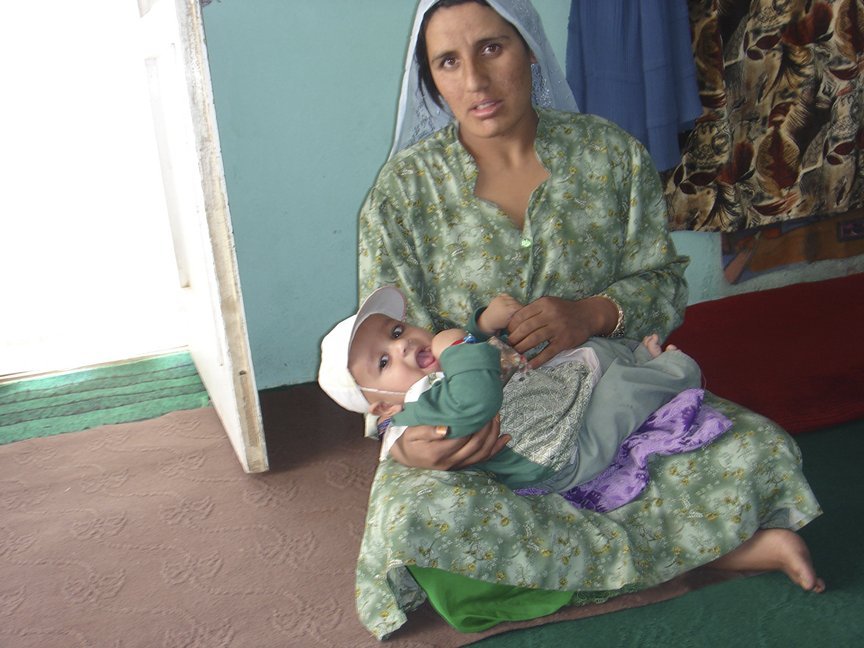
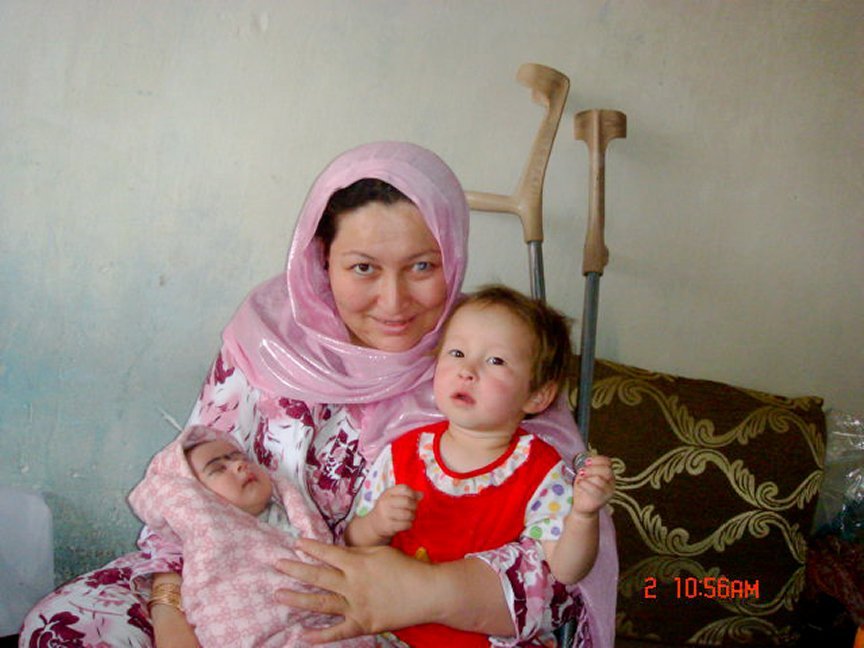
After nearly 30 years of war, Afghanistan has one of the highest maternal mortality rates in the world; on average, one in nine Afghan women die in childbirth. As a result of low contraceptive usage (6 percent) and cultural factors, the country’s fertility rate is very high – an average of 6.6 children per woman, thus increasing the risk of life-threatening complications during pregnancy and delivery.
In response to these pressing health challenges, Afghanistan’s Ministry of Public Health (MoPH) has prioritized the reduction of both maternal and newborn mortality rates. Given the lack of adequate health facilities, this means raising community awareness on the major causes of mortality and promoting behaviors to prevent them.
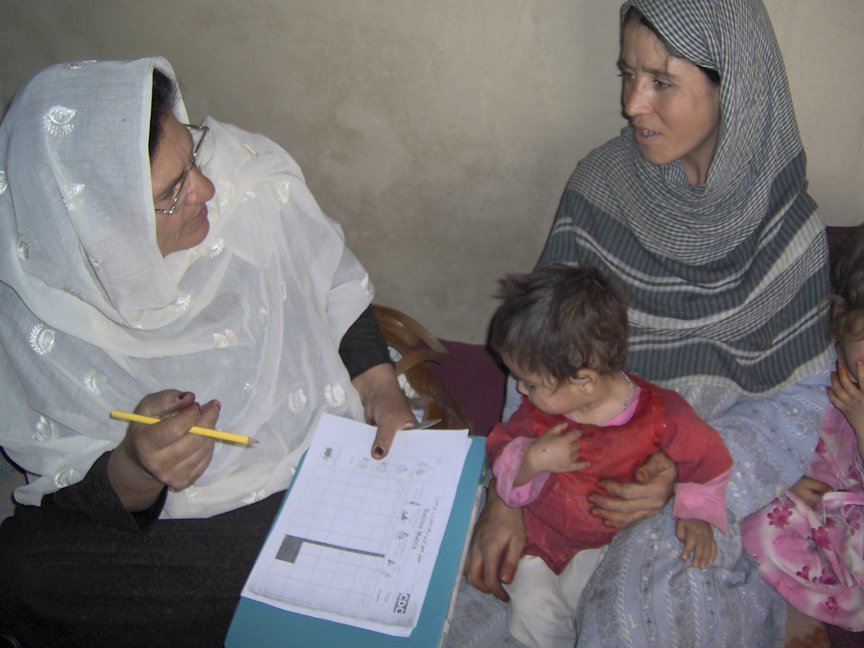
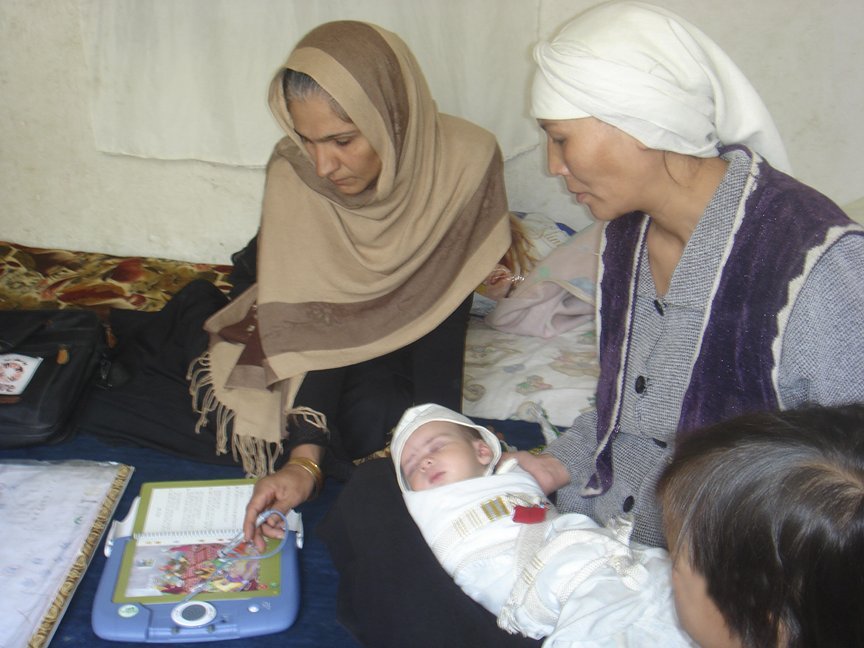
CARE’s Opportunities for Mother and Infant Development (OMID) project was launched in 2005 and now works in 48 communities within four districts of Kabul. The project targets 13,038 people including women of reproductive age and other community members who influence women’s lives, including mothers-in-law and family decision makers. OMID also targets husbands through community support groups (called shuras).
The project works in urban neighborhoods in Kabul that are not reached by the government’s health services. Although hospitals and private health clinics do exist, issues of access and affordability prevent all people who need care from accessing it. OMID therefore focuses on the community level and addresses three primary barriers that limit access and use of maternal and newborn care services:
Level 1: The woman, her family, or her home-birth attendants do not recognize the existence of a pregnancy or childbirth-associated problem, or do not seek care once recognizing it.
Level 2: Family members decide to seek care but have difficulty reaching or obtaining it, either because it is too far away or transportation is unaffordable.
Level 3: Family members access care, but the woman does not receive quality and timely treatment from an appropriate provider on arrival at the health facility.
With the help of donors through GlobalGiving, and other donors, OMID has had the following impact on women’s and children’s health since 2005:
Links:
Project reports on GlobalGiving are posted directly to globalgiving.org by Project Leaders as they are completed, generally every 3-4 months. To protect the integrity of these documents, GlobalGiving does not alter them; therefore you may find some language or formatting issues.
If you donate to this project or have donated to this project, you can receive an email when this project posts a report. You can also subscribe for reports without donating.