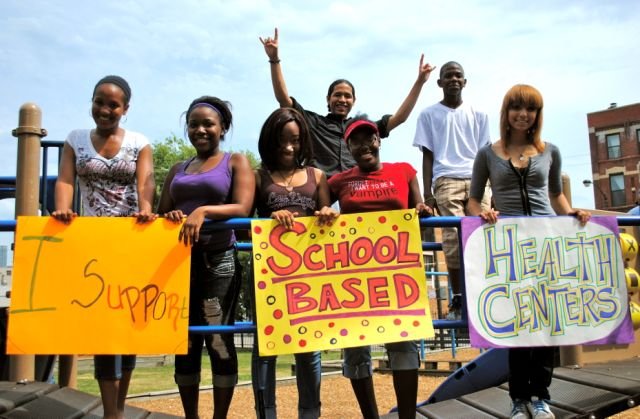
Too many young people, especially those living in poverty, lack access to the health services they need to thrive. If students are sick, can't see the teacher, or are being bullied, they can't focus on doing their best. School-based health care transforms how kids get health care by preventing health problems, finding them early, and treating them quickly - all in the school building. This is the best way to give kids the quality health care and bright futures they deserve.
In the United States ... ... One in four adolescents has not seen a health professional in the past year ...15 million children have unmet mental health needs ...7 million children have asthma ...Childood obesity rates have doubled since 1980. These, and many other, negative outcomes stem largely from the fact that millions of children and adolescents in the United States lack access to quality health care.
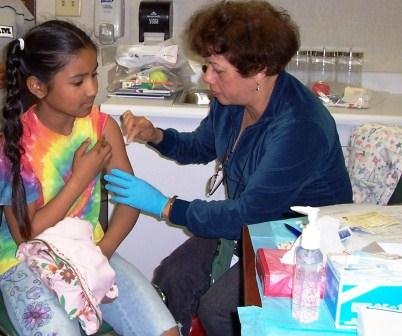
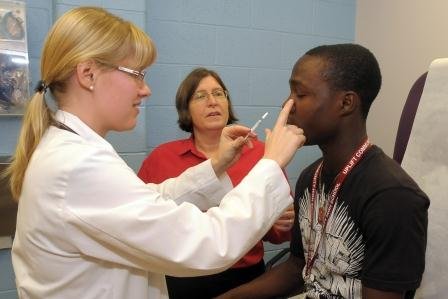
There is a common sense solution to this problem - school-based health care. With school-based health care, kindergarteners through high schoolers can get a flu shot, have an annual physical, have their teeth examined, get their eyes checked, or speak to a mental health counselor in a safe, nurturing, familiar place. School-based health care is the best way for children and adolescents to access health care because it meets them where they spend most of their time: in school.
When you have access to health care in school you are more likely to ... -Graduate from high school. -Avoid dropping out of school. -Get involved in your school's activities and student leadership. -Get the routine physical care you need to stay healthy. You are also less likely to: -Visit an ER for routine care. -Be hospitalized for asthma. -Have disciplinary problems at school. With these advantages, we can build brighter futures for America's children.
This project has provided additional documentation in a PDF file (projdoc.pdf).