Project Report
| Oct 25, 2012
Training to former child labourers
By James Paul | Programmes Officer
![Ram]()
Ram
Over the past year, this project has made a massive difference to child labourers and children who at risk of entering exploitative work in Myagdi district, West Nepal. One such child is Ram.
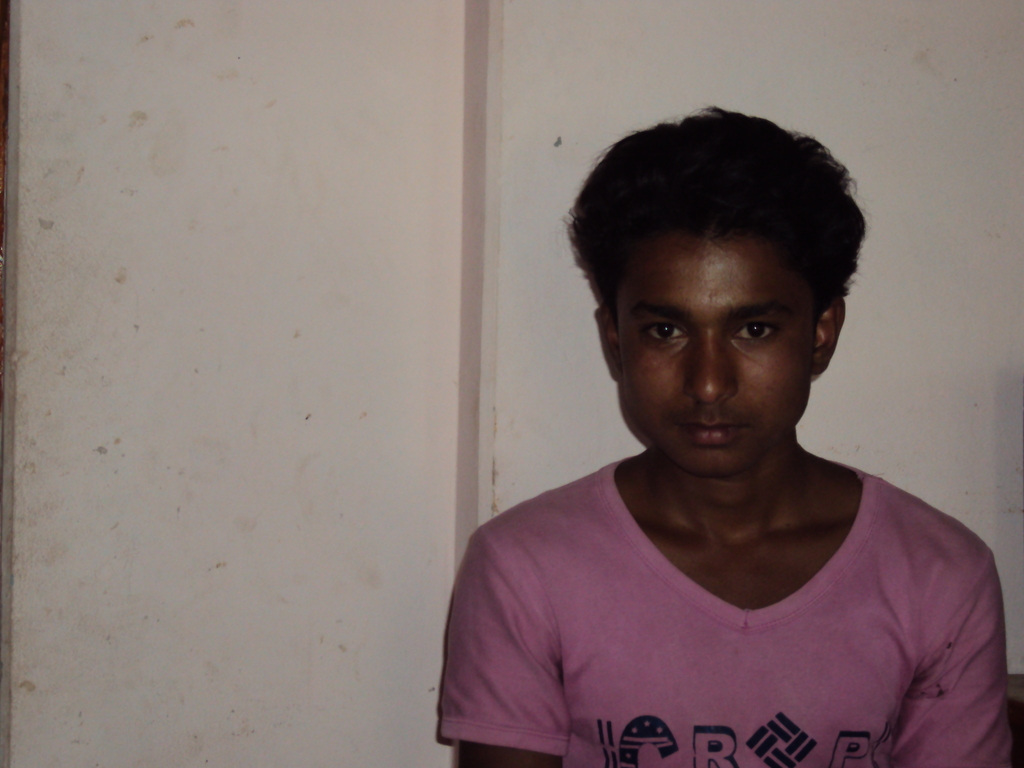
Ram, 16 years old, has lived in the small village of Dhairing in Parbat District all his life. Because of extreme poverty and lack of fertile land, his parents were forced to work on other people’s land offering wages enough for just a hand to mouth existence. Due to this extreme situation, Ram dropped out of school at the age of 11 and began working as a seasonal agricultural labourer and stonebreaker.
One of REEC’s community workers came across Ram and began the long process of rehabilitation, with the aim of giving him an opportunity of a better life. Ram became involved in a Child Rights Club but was unwilling to be enrolled into school. He expressed interest in taking up tailoring training. REEC supported him on a six month tailoring course along with an apprenticeship placement. He successfully completed the training and has now been provided with a sewing machine and all the necessary equipment to set up his own tailoring shop. This will meet not only his needs but also the needs of his family. He is determined that his sister continues her education and does not have to take the tough path that he was compelled to take. He is also involved in savings activities within his Child Rights Club in Dhairing and is also saving with a local cooperative. When he was supported with the sewing machine, he commented:
"The programme conducted by REEC is supporting many child labourers like me so I would like to express my great thanks to REEC and its supporters. This programme is creating awareness on our rights and is changing our life becoming dignified citizens.”
![Share on Twitter]()
![Share on Facebook]()
Jul 27, 2012
Importance of the Drop-in Centre
By James Paul | Programmes Officer
![A child at the drop-in centre]()
A child at the drop-in centre
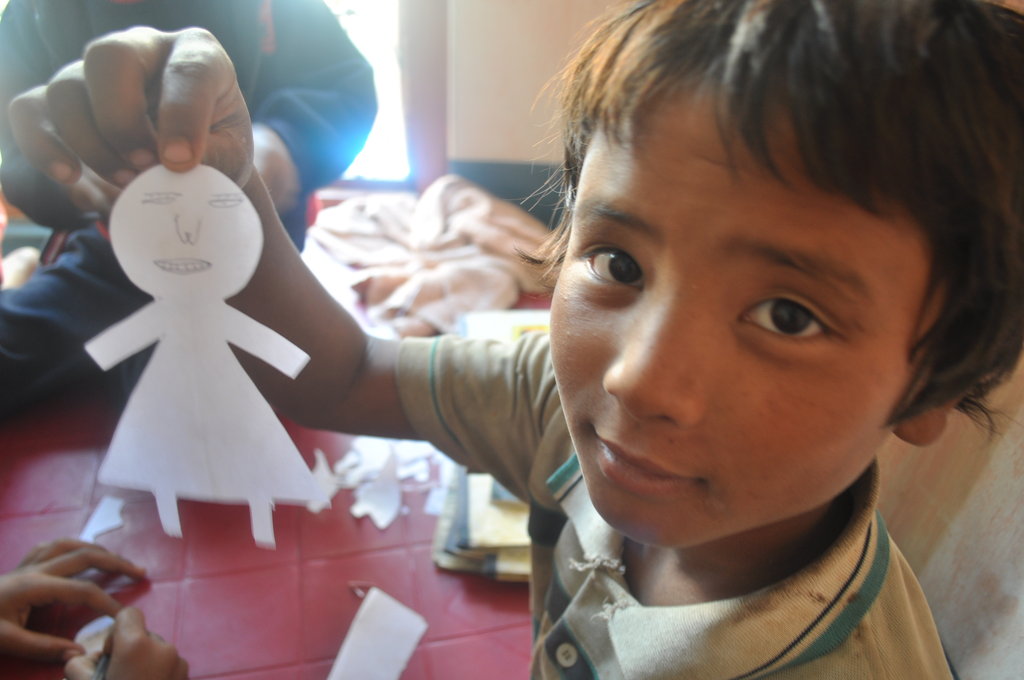
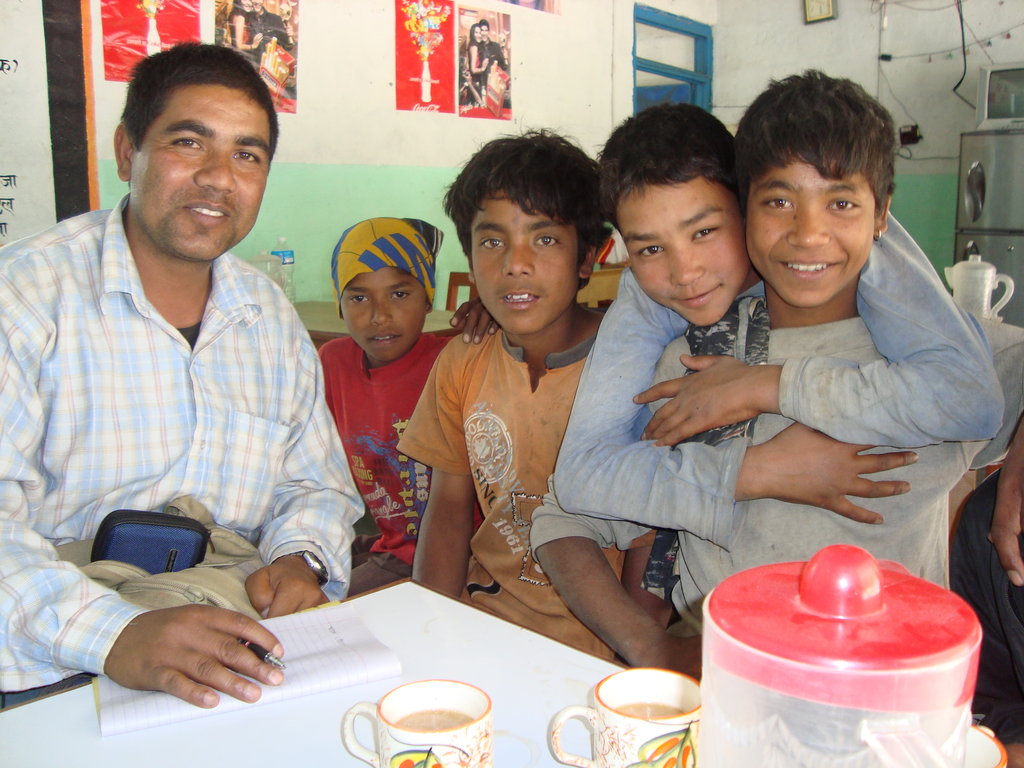
Over the past year, this project has made a massive difference to child laborers and children who at risk of entering exploitative work in Myagdi district, West Nepal. Central to this is the Drop-in Center, run by International Childcare Trust's partner, REEC.
Access to basic services for child laborers through the Drop-in Centre (DIC)
Since March 2011, 438 child laborers (240 boys and 198 girls) had regular access to health services, non-formal education and play and recreation activities at the DIC. The DIC is central to reintegrating separated children back into their families and communities and providing legal aid to children who have suffered abuse and exploitation. The DIC also runs the outreach programme which enables identification and withdrawal of child laborers form the worst form of child laborer by decreasing their working hour and facilitating school enrollment. The DIC also provides essential support to the child laborers and children at risk, providing vital basic services and protecting them from abuse and exploitation.
Health services:
- REEC provides a weekly health check-up to child laborers and children at-risk in the area. 373 children (168 boys and 205 girls) were examined by a health professional and given appropriate treatment for minor illnesses and ailments. Children identified to have major illnesses are referred to the district hospital or sometimes the regional or zonal hospital for specialized care depending on his/her condition and the availability of qualified staff in the local hospital.
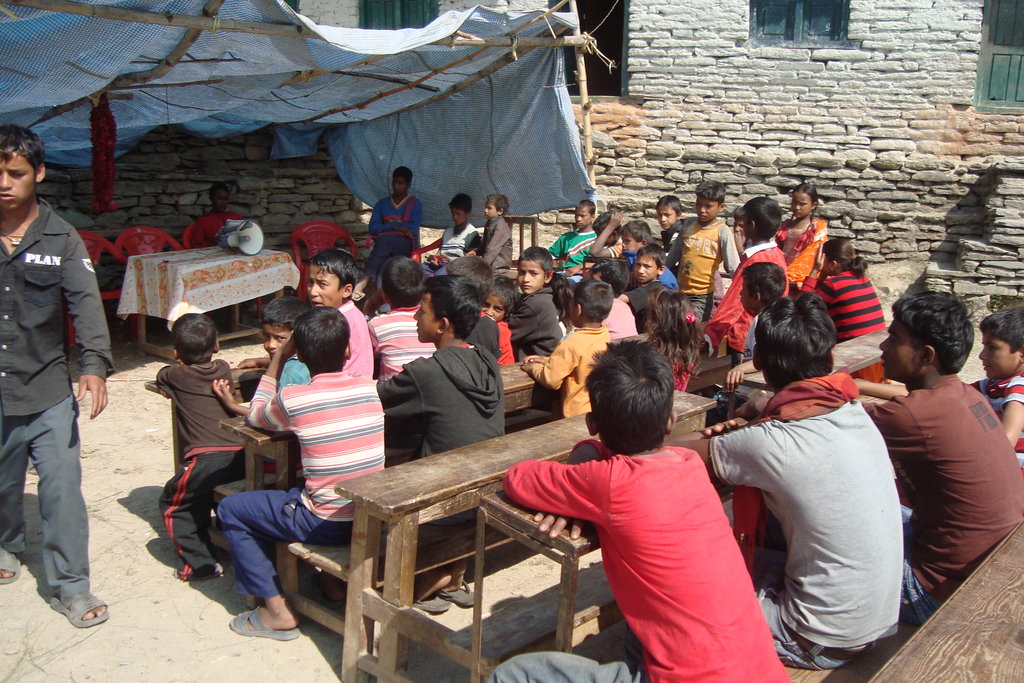
- All 438 children participated in awareness-raising sessions on substance abuse, HIV and AIDS and child rights – a combination of lectures and audiovisual means are used for these sessions followed by interactive question and answer session in which the children are encouraged to actively participate.
- REEC has placed 10 first aid-medicine kits with local community health workers in 5 villages which have improved children and families’ access to minimum basic health care. This has also improved the rapport between community members and the community health workers, who earlier had the basic knowledge of first aid and basic medicine but did not have the resources to deliver the same. 466 children (206 child laborers and 260 children at-risk) and their families now have access to first-aid and basic medicine in these 5 villages through the efforts of REEC.
Non-formal education (NFE):
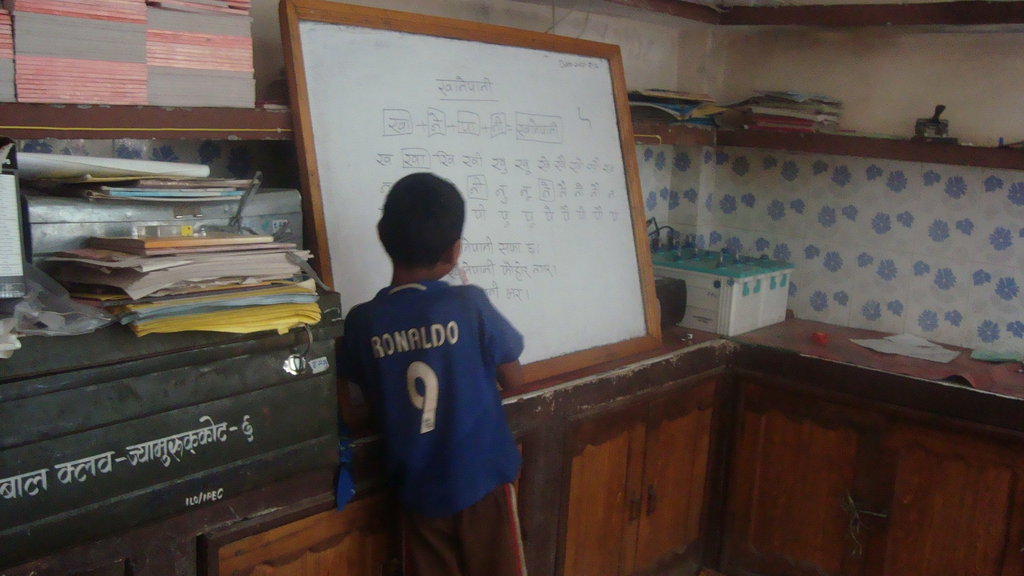
- 18 children are regularly attending NFE at the DIC; NFE comprises of classes on basic literacy, maths and English and hygiene and sanitation. Attending classes at the NFE helps children access basic education and prepares them for entry into formal schooling and potentially reduces the amount of time they spend working.
Recreational activities:
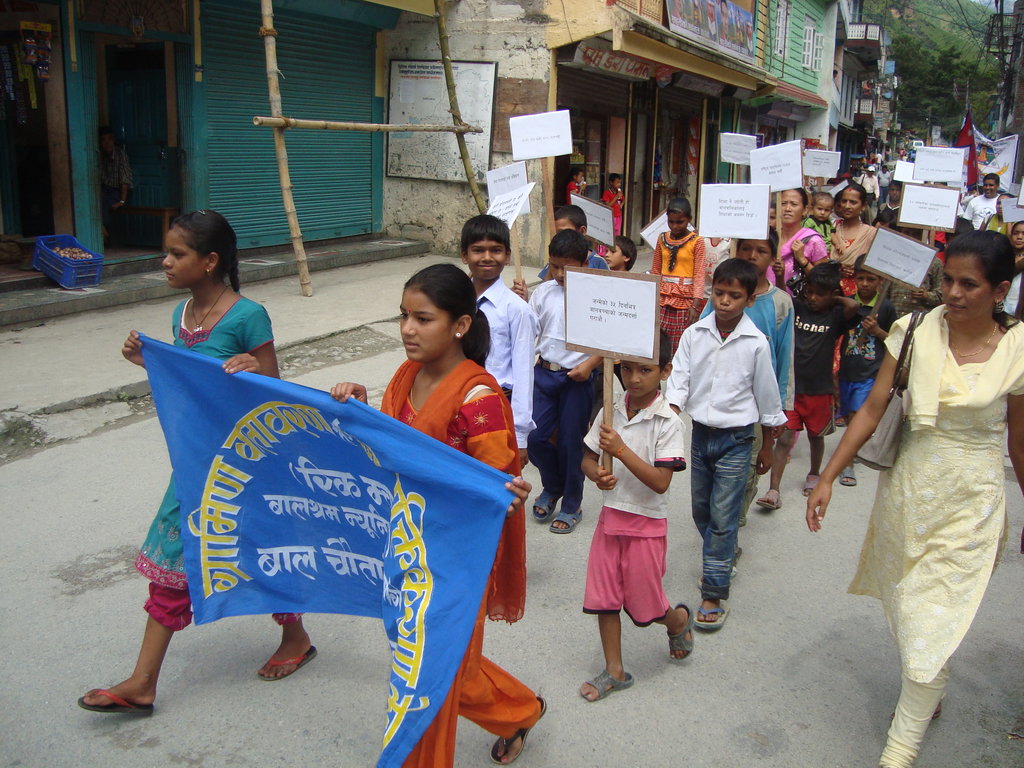
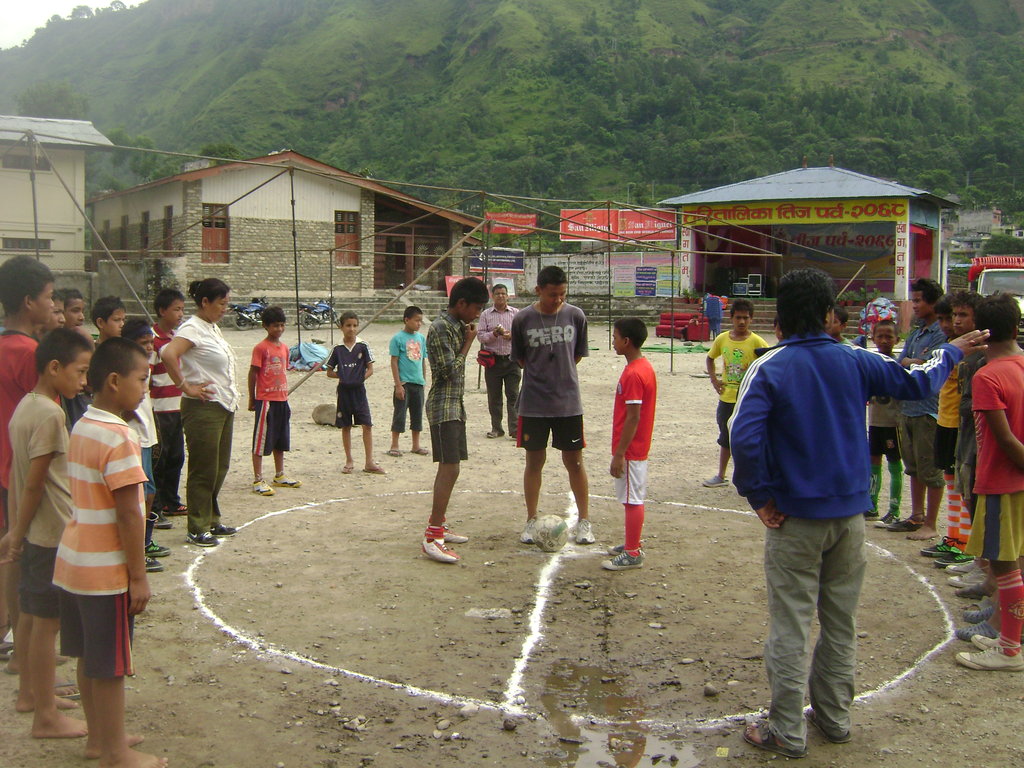
- All children accessing the center participate in sports and recreation activities. The DIC also holds football, volleyball and singing competitions to keep the children engaged and motivate them, increasing their confidence and self-esteem. In the past year, REEC conducted: sports competition including inter-child labour clubs (CLCs) football and volleyball competitions and sprints; singing competitions for girls and boys; and inter-club quiz competitions.
Family reintegration:
- Family reintegration is an important element of our work with child laborers and in line with International Childcare Trust’s (ICT) core strategic focus of protecting children’s rights to be part of families and communities. In the past year, 5 child laborers have been safely reunited with their families within Myagdi and other neighboring districts. REEC works with the child and family to ensure safe reintegration by addressing the root cause of family break-up – this takes series of follow-ups. All reunited children are being followed up to ensure they are enrolled and continue to stay in school.
Legal aid:
- A 12 year old girl child laborer was supported by REEC to take legal recourse against a neighbor, who was sexually abusing her. The perpetrator has since been duly convicted and imprisoned. REEC’s outreach workers continue to follow up on the case with regular meetings with the child and her family focusing on counseling and in due course outlining a plan, in consultation with the child, for her education and safe employment. Cases like this where children bravely come forward to talk about the abuse suffered are few and far between – REEC’s work on making children aware of their rights including child protection issues is vital to safeguarding the children from abuse and exploitation.
- Most children from marginalized communities do not have any legal records of their birth which makes it difficult to get a citizenship card in Nepal, which is important for accessing services within the public system. REEC supported 160 child laborers (91 males and 69 females) to obtain birth registration in this reporting period.
![Share on Twitter]()
![Share on Facebook]()
May 8, 2012
"It changed my life as well as my knowledge..."
By James Paul | Programmes Officer
![Pabitra with other memebrs of the 'CLPG']()
Pabitra with other memebrs of the 'CLPG'
International Childcare Trust has been working in partnership with Rural Environment & Empowerment Centre (REEC) since 2009, supporting Brighter Futures for Child Labourers, a project that aims to provide vital support to child labourers in western Nepal and prevent other vulnerable, at-risk children entering exploitative and hazardous employment.
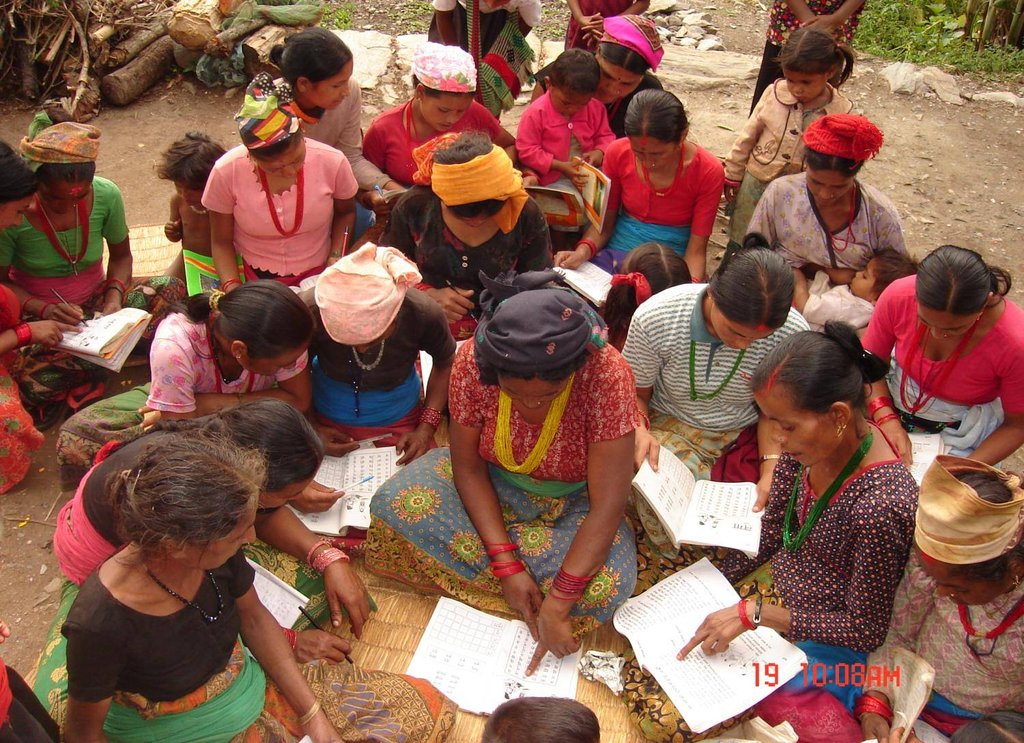
It is evident from REEC’s work with the communities that when families are not economically secure, children end up working to supplement the family income. Family-based livelihood support is therefore crucial to preventing child labour and withdrawing children from exploitative and hazardous employment. As part of the project REEC has established 10 Child Labour Parent Groups (CLPGs) throughout the district, with all women members. Through these groups, REEC raises awareness among parents on child rights and hazards of child labour; the women also receive financial support for income generation activities as well as training on basic business skills and savings and credit concepts.
Pabitra, a member of Shantideep CLPG, is a woman belonging to the historically and traditionally discriminated and marginalised Dalit community. Her only dream was to be free from debt and lead a socially respectable life. As she could not afford to have goats of her own, Pabitra used to take care of other peoples’ goats for meagre wages. Her husband worked as a stone breaker and both their wages put together could not feed their family of seven. When her husband fell ill, her family either had to borrow from others or had to go hungry. One day her youngest son asked her for a notebook and pencil for school, she was compelled to say "go to work instead of wasting your time reading."
She became a member of the parents groups after her son joined a Child Labour Club. She obtained a grant from the group to buy a goat and begin earning money by selling milk. She says that it now much easier to run the household.
"I feel ashamed that my son was nearly to leave school because of poverty but there was no alternative. But nowadays it is easier to run our daily lives and it is not necessary to stop children from gaining from the bright light of education. REEC changed my life as well as knowledge. My children will be one of the good citizens after his education.”
![Share on Twitter]()
![Share on Facebook]()