By Sonia Afrin | Project Manager
CARE Bangladesh is implementing a project for the urban poor to improve water and sanitation services in Dhaka. This project directly improves access to better sanitation, improved hygiene awareness, and safe water services on a sustainable basis for 1,000 households in the Kalshi Balur Math and Kurmitola Relief Camp slums of Mirpur.
Background: In December 2010, CARE hosted a crew from ABC News, filming a series of segments for its “Be the Change, Save a Life” program. ABC News interviewed a female community participant named Parvin, a 35-year-old woman who lost her 3-year-old son due to diarrhea. The story on Parvin aired on ABC News on December 17, 2010, and as a result funds were raised to support Parvin’s slum community, providing long-term solutions for clean water and sanitation.
Activities:
Up to August 15, 2011, CARE Bangladesh has completed the following activities.
Hygiene Promotion Sessions:
In the two slums of Mirpur where CARE is focused, CARE is changing the hygiene behavior of targeted slum dwellers, providing intensive hygiene promotional sessions for women, adolescent girls, and children. To date, CARE has organized 55 hygiene promotion sessions, involving 1,135 participants.
The main objective of these sessions is increase awareness on the importance of personal hygiene, especially hand washing with soap. Different methods were used to disseminate the information – using flip charts, flash cards and playing games with the children. These sessions were conducted at the courtyard of the households, at their homes and sometimes in schoolrooms.
Note: Some hygiene promotion sessions were also conducted one-on-one, especially if male participants were involved.
Health and Hygiene Education Training for Adolescent Girls:
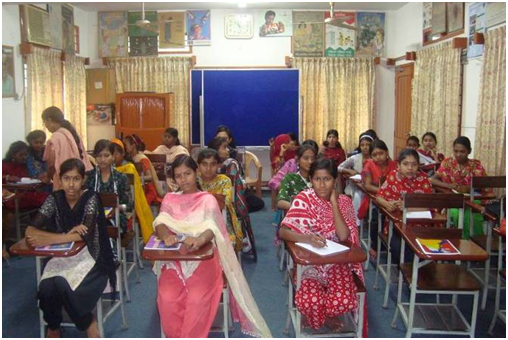
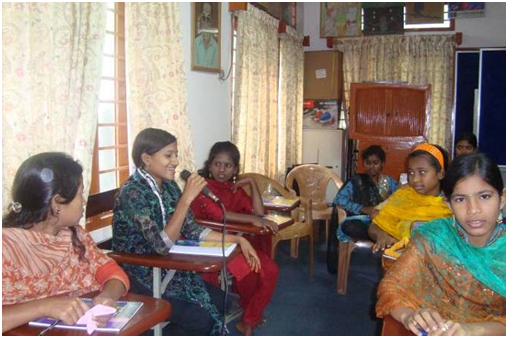
A daylong training session for adolescent girls was organized on May 4, 2011 at the Caritas training venue – 43 girls ranging from 11-16 participated. With this session, CARE aimed for the girls to self-identify the health/hygiene issues of importance to them, and form adolescent groups within their communities to proactively solve problems.
CARE Bangladesh provided the following during the training, which was delivered in a participatory way:
Problems that the girls identified included:
During the evaluation phase of the session, the girls stated they enjoyed the training immensely. During the sessions they were spontaneous and active participants. They demonstrated that they understood the importance of good hygiene promotion, and were willing to use their voices to disseminate to others what they had learned.
Child Sessions on Hand Washing:
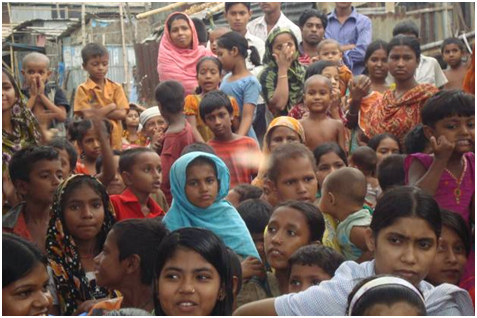
CARE organized child gatherings in two slums on May 24, 2011; almost 600 children attended. The major objective was to increase awareness among the children on personal hygiene, and orient them on how and when they should wash their hands. The children were enthusiastic participants, and developed a wall mural on which they wrote poems, stories, and created messages on water and sanitation.
Installation of Water Points and Sanitary Latrines:
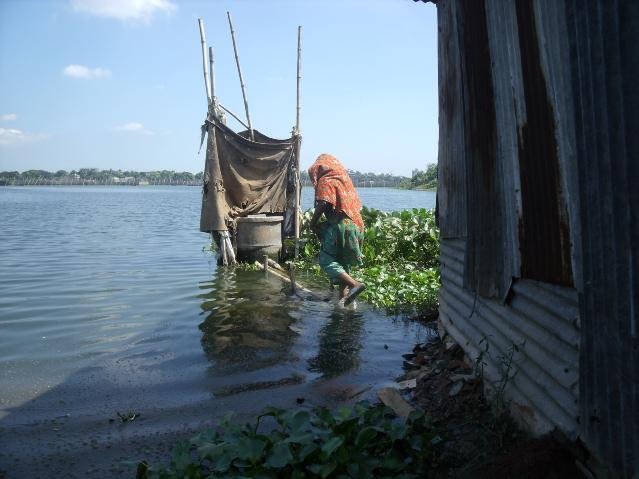
The construction work planned under this project is in full swing – already, CARE Bangladesh has completed six of the planned eight units of planned. Four community latrines, two water points and two drains have been constructed. One water point and one drain are not yet completed.
Along with the construction work, the processes for confirming a legal water connection have been completed. CARE anticipates the water connection will be ensured legally from Dhaka Water and Sewerage Authority (DWASA) very soon. Additionally, CARE has developed coordination between Community Based Organizations and DWASA, so that the CBOs can easily get access for support beyond CARE’s direct involvement.
Infrastructure Maintenance Group Training:
For each infrastructure, two community representatives have been selected for maintenance. Therefore, 12 people are in the maintenance group, to look after the community latrines and water points. Two meetings and a training session were held to form the user maintenance groups.
The major objectives of the training were:
Participants gave their commitment that they will keep the infrastructures in hygienic condition and perform maintenance when necessary to sustain the water points and latrines. This group will be provided refresher training in next month.
Challenges and Lessons Learned:
Project reports on GlobalGiving are posted directly to globalgiving.org by Project Leaders as they are completed, generally every 3-4 months. To protect the integrity of these documents, GlobalGiving does not alter them; therefore you may find some language or formatting issues.
If you donate to this project or have donated to this project, you can receive an email when this project posts a report. You can also subscribe for reports without donating.