By Katherine Zavala | Asia Program Director, IDEX
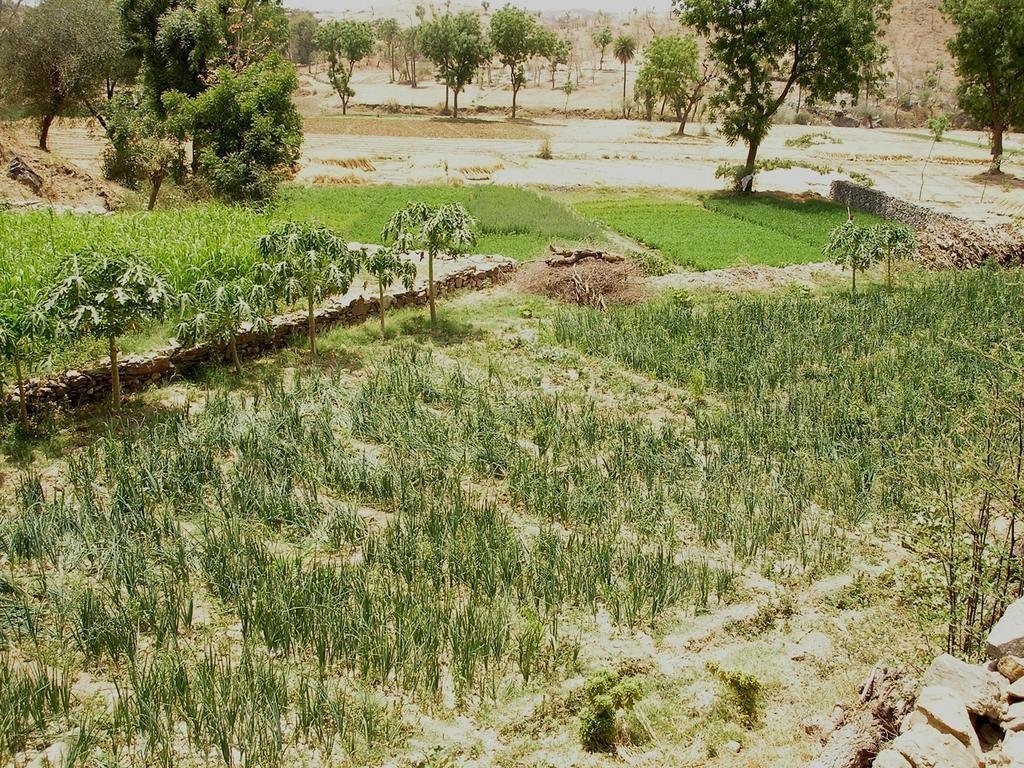
Based in Rajasthan, in northwestern India, Sahyog Sansthan works with tribal groups in the most arid regions of the state. Those regions are ones that had rich forests and productive land conducive to agriculture and livestock rearing but which have deteriorated since unchecked logging began when India gained independence in 1947. As the forest dwindled, soil erosion, and the loss of water and rainfall, among other issues, intensified. Sahyog has been working with communities to redevelop land through organic fertilizing methods, water harvesting, and planting of trees. To date, Sahyog has assisted communities to reclaim some 1,000 hectares of land that now serves as an ongoing source of food production when managed sustainably. Soil regeneration projects are supported through community investments of cash and donations of labor, combined with investments by Sahyog and its funders.
Other activities include sustainable horticulture and livestock rearing initiatives – activities run by women. Strategic purchases are made with loans issued from women’s Self Help Groups, which save collectively. In total, approximately 250 communities have been served with Sahyog’s assistance.
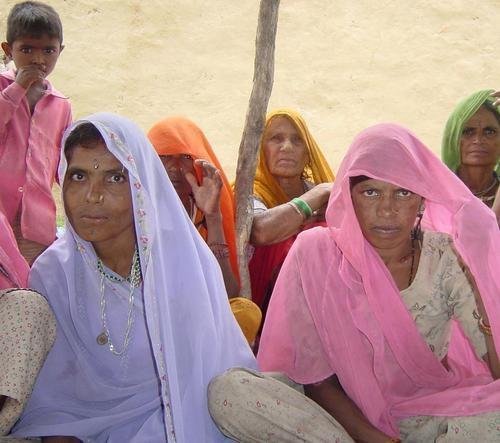
Activities conducted by Sahyog Sansthan: • Self Help Groups (SHGs) – assistance with formation and management of SHGs. SHGs are typically composed of 15 – 20 women per group for the purposes of fostering collective savings and loan issuance at affordable rates for income-generating purposes. • Soil improvement programs • Water harvesting structures • Livestock rearing • Two health education camps for preventative care and treatment
Self Help Groups (SHGs) Sahyog assisted 49 existing SHGs to strengthen their management systems, while assisting with the formation of 20 new SHGs. Trainings included records management, bank linkage development, and monthly leadership meetings for SHG representatives to exchange ideas to increase effectiveness. Regrettably, 10 SHGs of the 49 existing SHGs have become defunct over the year.
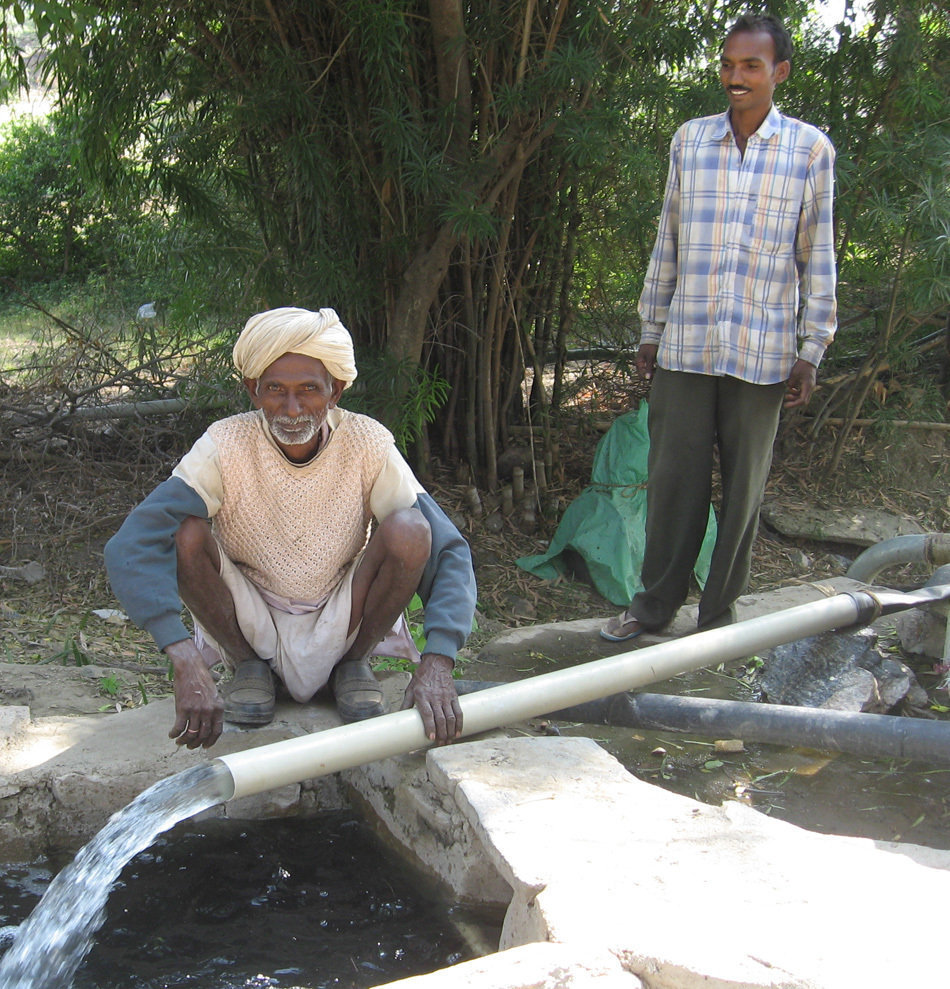
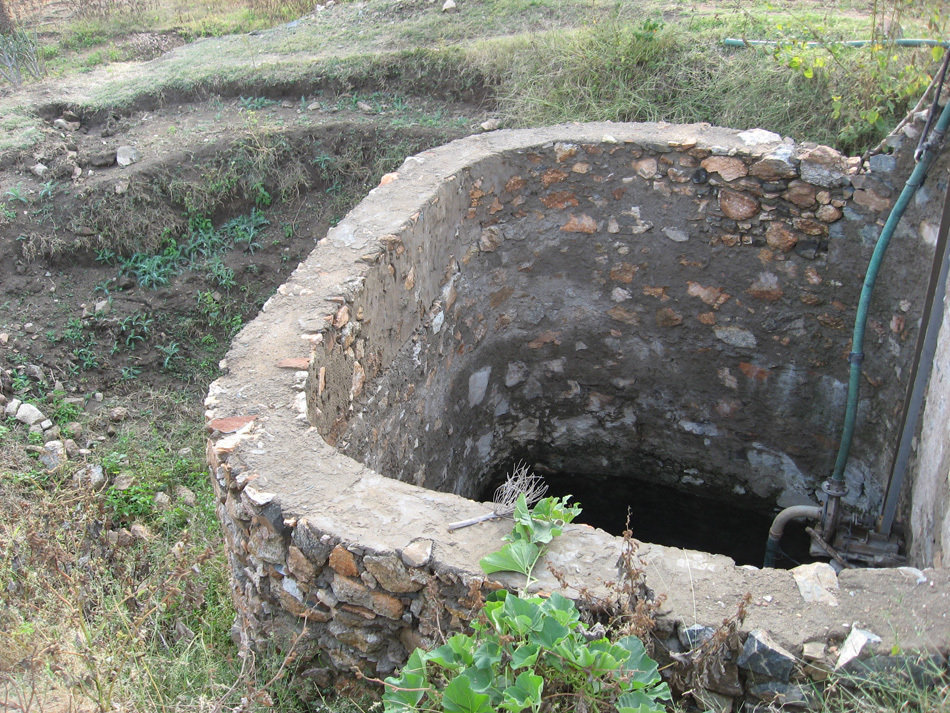
Water resource development Four water-harvesting structures were constructed serving 53 families. Those families now have year-round potable water, saving families (especially women) the labor associated with gathering water from long distances, sparing families of water-borne disease for all concerned, and gaining reliable irrigation for small-scale horticulture projects.
Pastureland development Sahyog assisted 42 families to construct stone checkdams and fencing for soil and water conservation to regenerate 26 hectares of pastureland for animal fodder.
Horticulture promotion 60 farmers in 10 villages planted 1,725 saplings of desert-appropriate fruit trees.
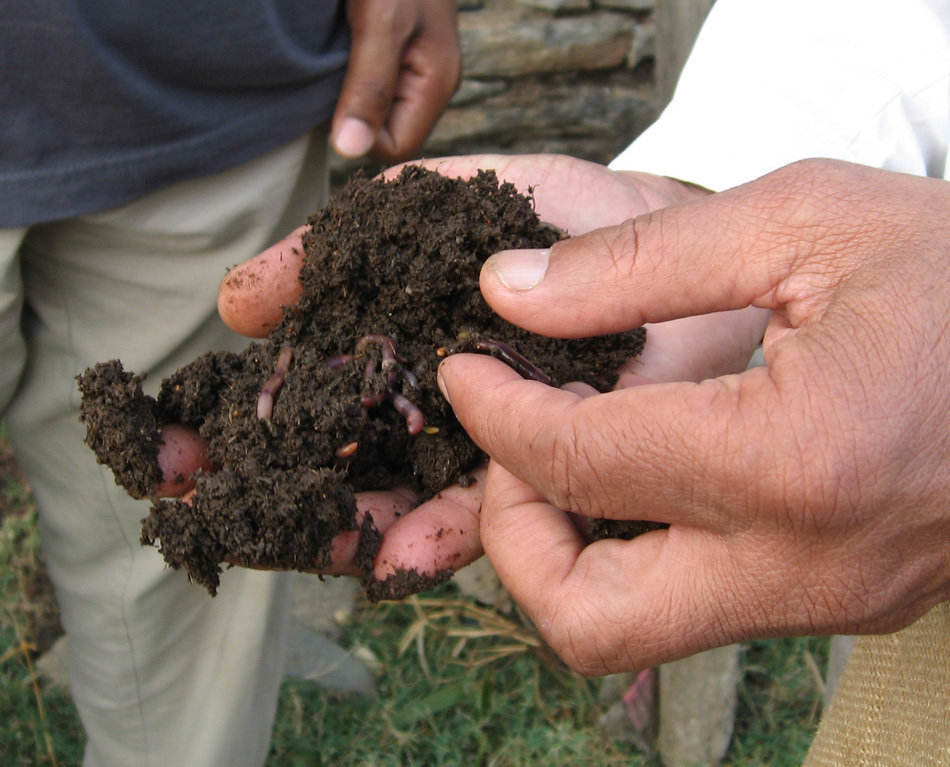
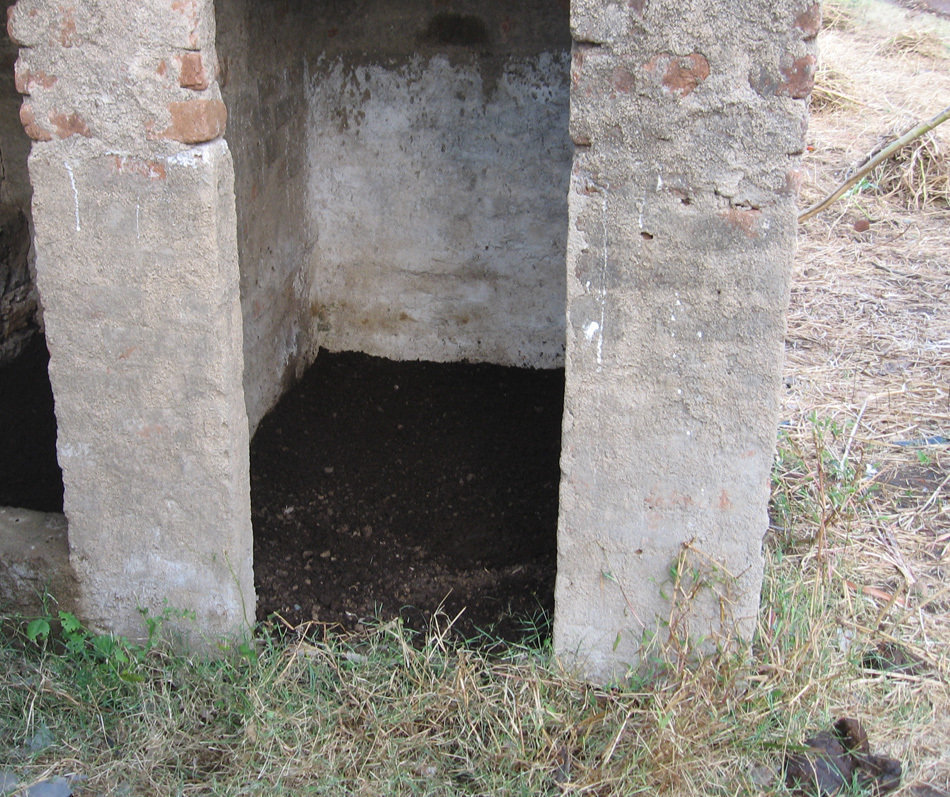
Vermicomposting Two trainings on vermiculture were offered to two communities. Vermiculture is the use of earthworm pits for organic soil fertilizing.
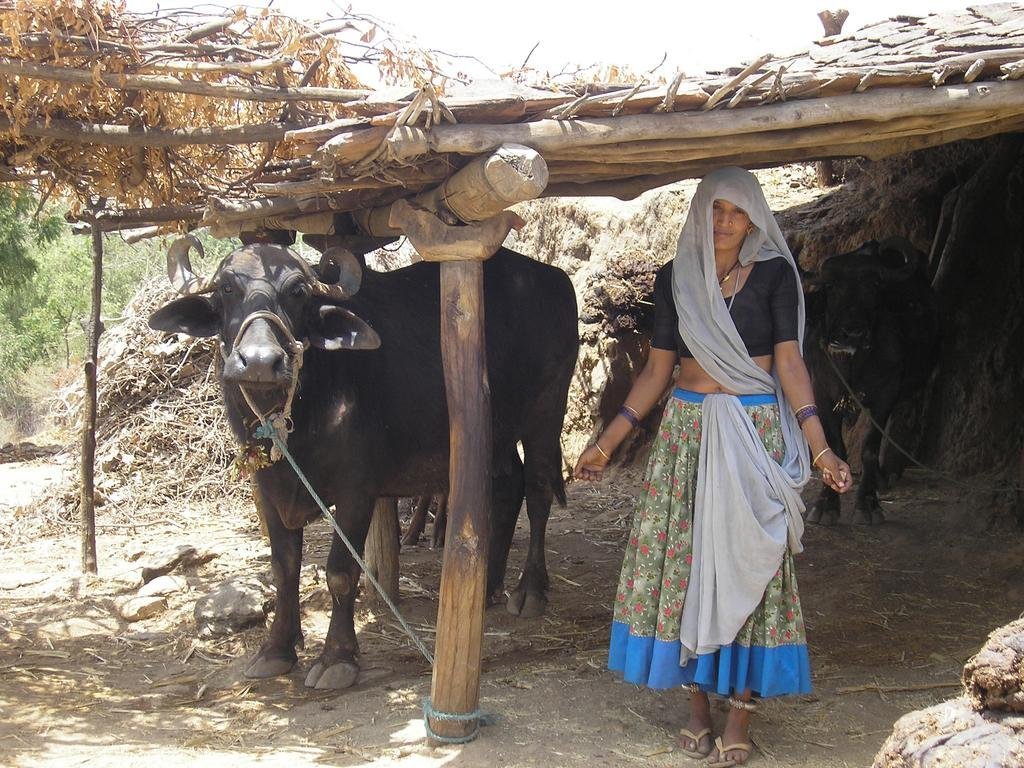
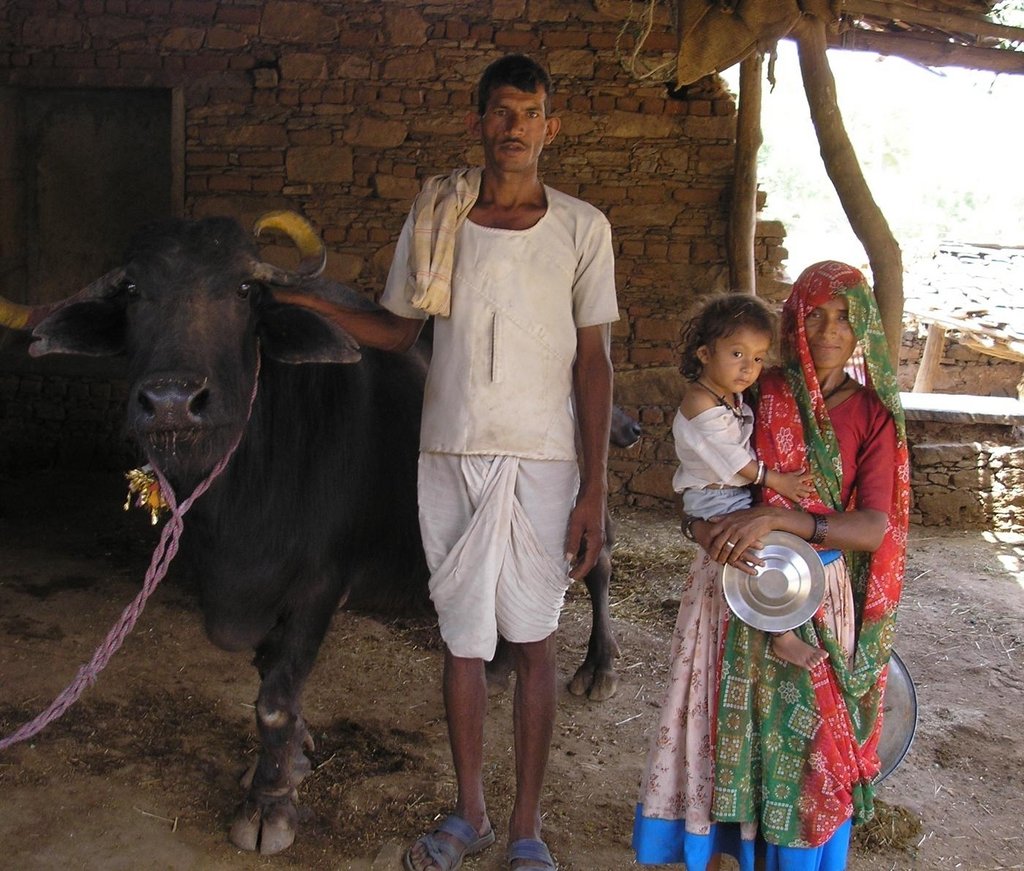
Livestock rearing Sahyog offered two animal treatment and management camps in two villages serving 717 animals. Members of SHGs were able to purchase 50 good breed animals. Two milk collection centers were set up. The cooperative centers provide a reliable avenue for the members to sell their milk and get the right price (based on the fat content). The cooperative then pasteurizes and packages the milk at their central plant and sells it at nearby urban centers.
Project reports on GlobalGiving are posted directly to globalgiving.org by Project Leaders as they are completed, generally every 3-4 months. To protect the integrity of these documents, GlobalGiving does not alter them; therefore you may find some language or formatting issues.
If you donate to this project or have donated to this project, you can receive an email when this project posts a report. You can also subscribe for reports without donating.