By Alex Stott | PR and Communications
Education in Laos reflects its diverse history, from the domination of the temple (vat) education system, through to the colonial era, the revolution, and the present-day drive for economic growth. Under French rule, there was a lack of investment in educational infrastructure for native Laotians, and the traditional vat education system provided the only access to education for ordinary people. Despite increasing investment mid-century, low literacy levels remained until 1975 when the government launched its infrastructure and literacy drive. Literacy levels shot up, but the previous underinvestment in infrastructure and human resources limited how sustainable this growth was.
In 1986, the government launched the ‘New Economic Mechanism’ to move from a centrally planned to a market-oriented economy. This reform explicitly pinpointed education as a prime driver in economic growth. Education levels and infrastructure saw some modest improvement, but again there was a limit to this growth, especially in rural areas. Market-orientated reforms continued throughout the 1990s and despite some successes, there was actually an increase in educational inequality. This was most apparent in the increasing urban/rural divide, dating back to colonial days and the vat system before that.
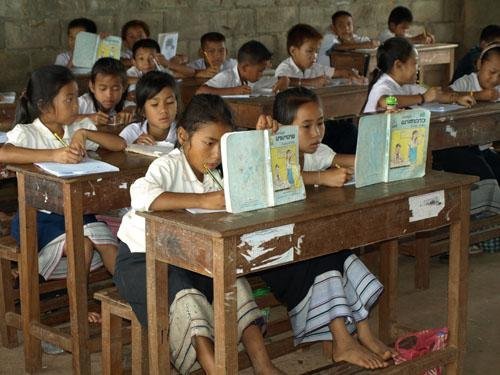
Merely 64.5% of males and 59.6% females in rural areas are in primary education; however, the figure for urban children is as high as 82% for both males and females. This leaves just 57.3% of rural males and 51.3% of rural females in attendance in primary education. The disparity becomes even starker once socio-economic class is taken into account.
How Is SEDA Fighting This?
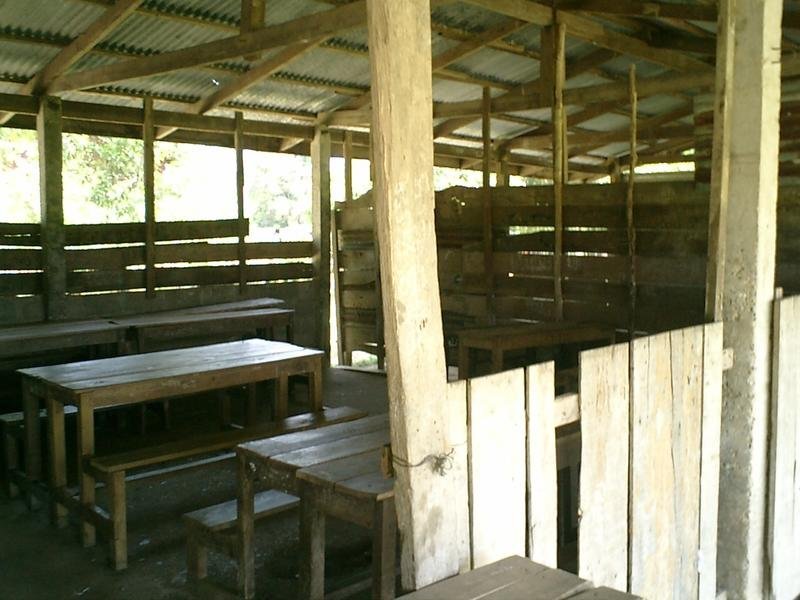
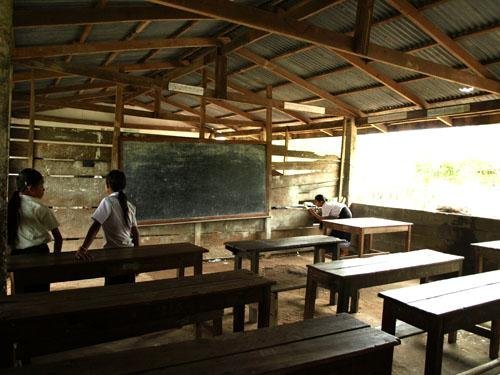
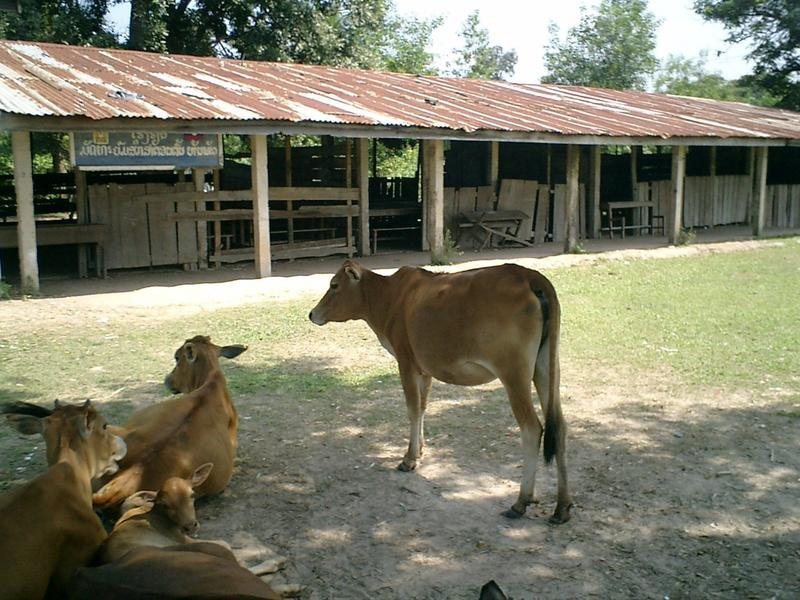
SEDA believes the lack of sustainable growth in Lao education systems is caused not by a lack of will but by a lack of infrastructure to consolidate government investment and strategy. This is particularly true in rural, outlying communities. The lack of historical investment in rural Lao infrastructure will no longer be an excuse to deny Lao children a primary education.
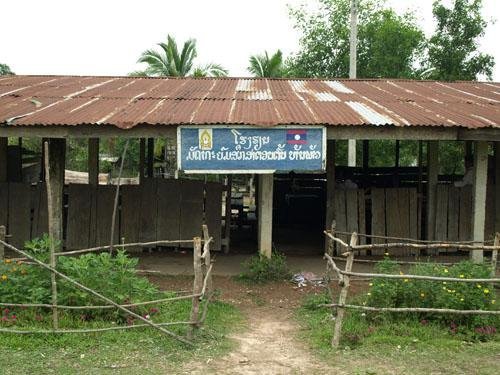
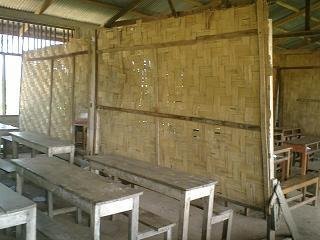
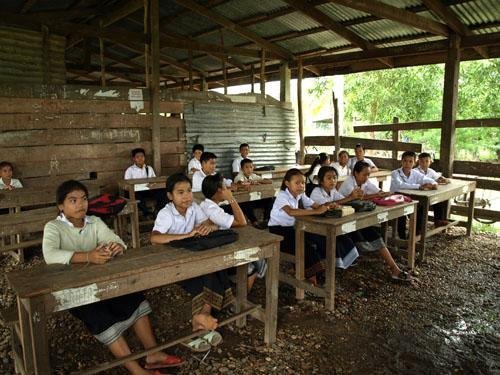
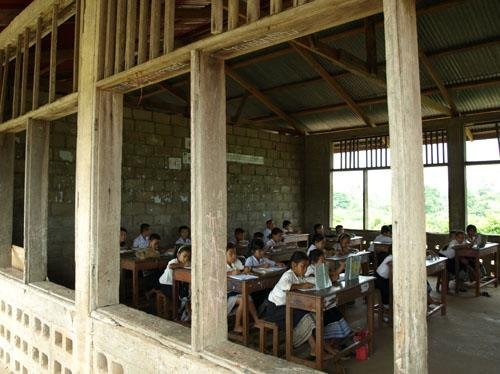
SEDA recognizes this and is deep in consultation with Ban Oun-Yai Village, Lao Ngarm District, and Salavan Province. We have selected one school in the village, and we are working closely with the School Principle, Village Committees, and the District of Education to select and deliver construction materials for school renovation. Upon successful completion of this project, SEDA will engage with the other schools in the Lao Ngarm District in need of infrastructure development. We are currently in need of funds to allow us to reach as many rural children as possible, and we are in the process of beginning consultation with village committees. SEDA realizes the scale of the project ahead but will not use that as an excuse not to fight for the right of every rural child to a primary education. This project is essential if SEDA is to do its part to achieve Goal 2 of the Millennium Development Goals—the right to universal primary education.
Please show your support for the children of Ban Oun-Yai Village by donating through Global Giving or directly to SEDA through our PayPal account.
Project reports on GlobalGiving are posted directly to globalgiving.org by Project Leaders as they are completed, generally every 3-4 months. To protect the integrity of these documents, GlobalGiving does not alter them; therefore you may find some language or formatting issues.
If you donate to this project or have donated to this project, you can receive an email when this project posts a report. You can also subscribe for reports without donating.