Through micro-credit lending and sustainability trainings, this project will enable 200 families to take themselves out of poverty. New farming practices will result in more income and higher yields.
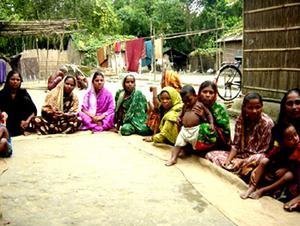
In Kalihati, Bangladesh more than 75% of the population depends on agriculture for survival. Most subsistence farming families only raise one crop and are heavily dependent upon genetically-engineered seeds, fertilizers and pesticides. Many are entirely dependent upon monsoon season. This causes sources of food and income to be very sporadic and seasonal. This project will provide both income and food security year-round to 200 families (some of which survive on as little as $6 a month).
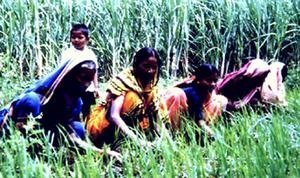
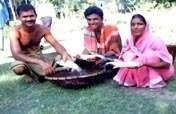
They will be trained to raise fish and vegetables in rice paddy fields and organic farming methods (composting and green manure), and will provide health care for 25 pregnant women and 50 children.
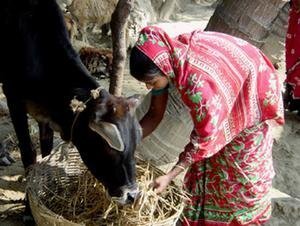
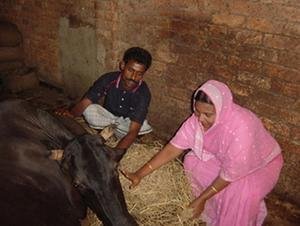
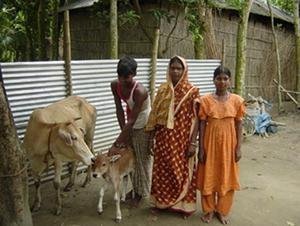
Over three years, 200 women in Kalahati will be provided with small loans for income generation activities, such as cow rearing, backyard poultry, and vegetable cultivation and vending.
This project has provided additional documentation in a Microsoft Word file (projdoc.doc).