Not Just Soccer for Youth/Coaches in Mozambique

project picture

Updates from the Field:

Updates from the Field (or Progress Reports) on GlobalGiving are posted directly to globalgiving.com by Project Leaders as they are completed, generally every 3-4 months. To protect the integrity of these documents, GlobalGiving does not alter them; therefore you may find some language or formatting issues.

Keep Up-to-Date

Subscribe to "Updates from the Field" by E-Mail
Subscribe to "Updates from the Field" by RSS Feed

Newly Trained Coaches Cover Gurue District and Sarita Comes For a Visit

By Murilo Oliveria - Project Manager, Zambezia Province, December 16, 2008 05:47 PM

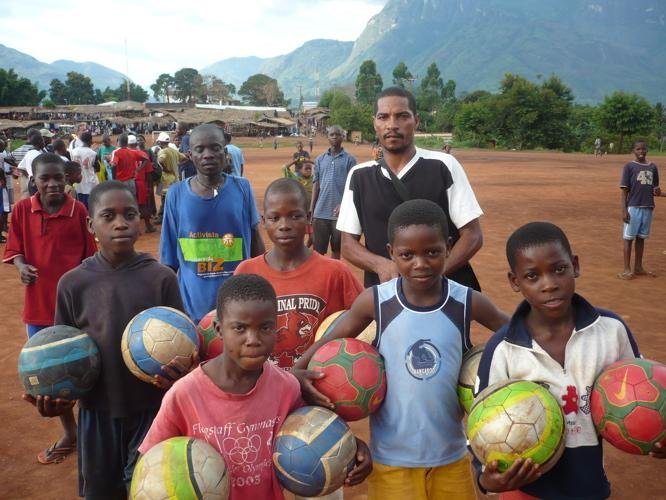
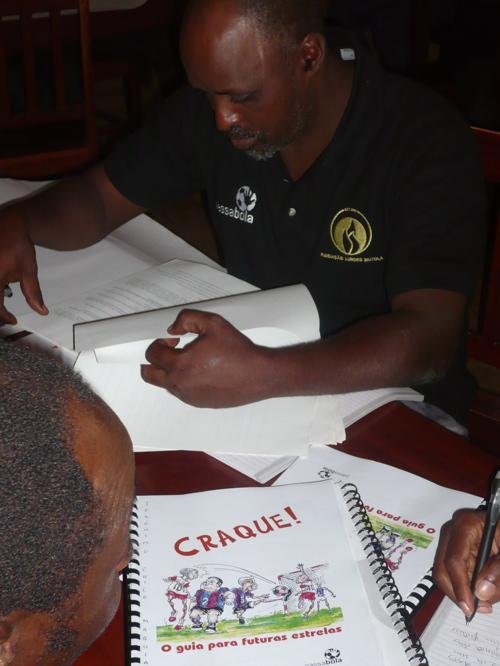
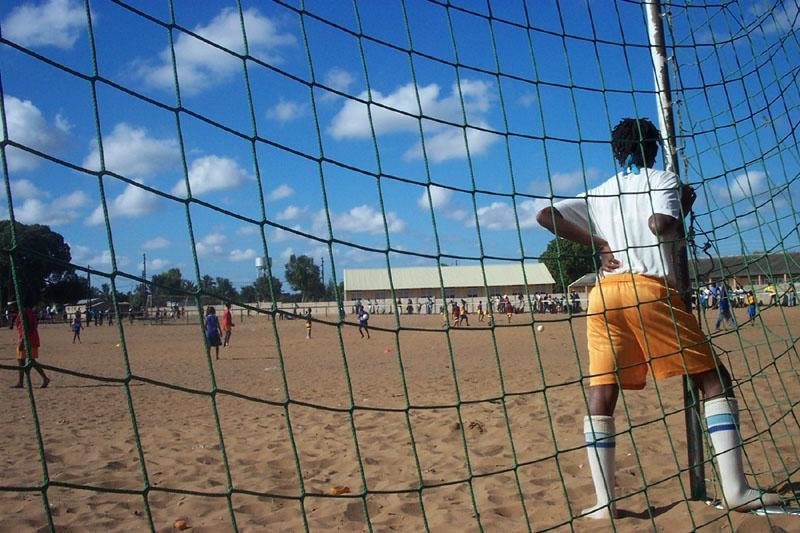
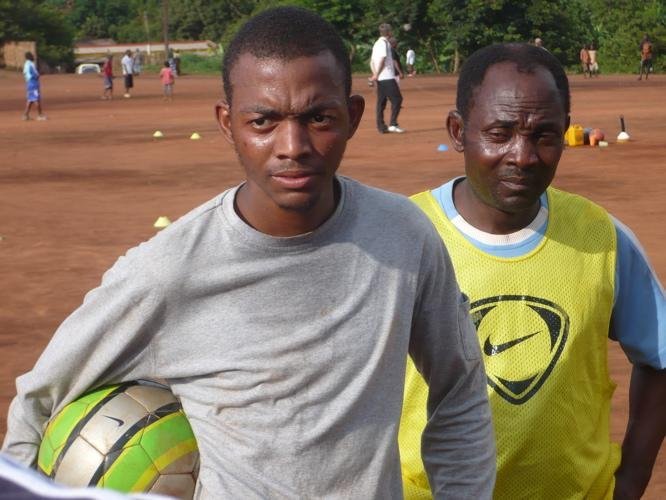
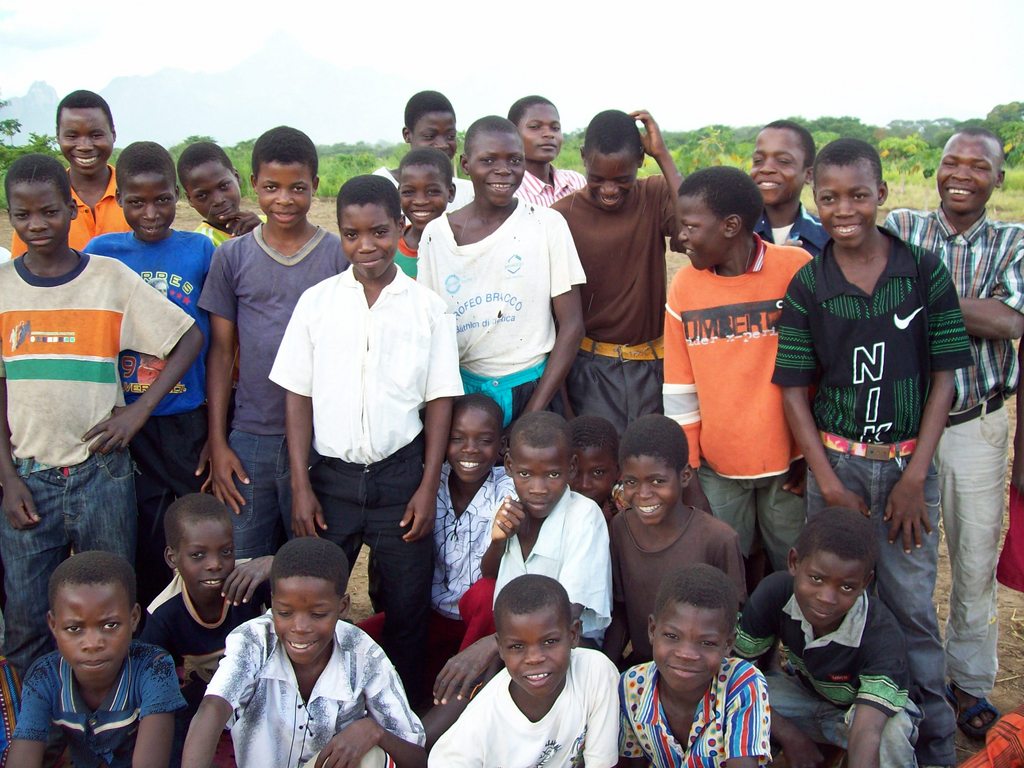
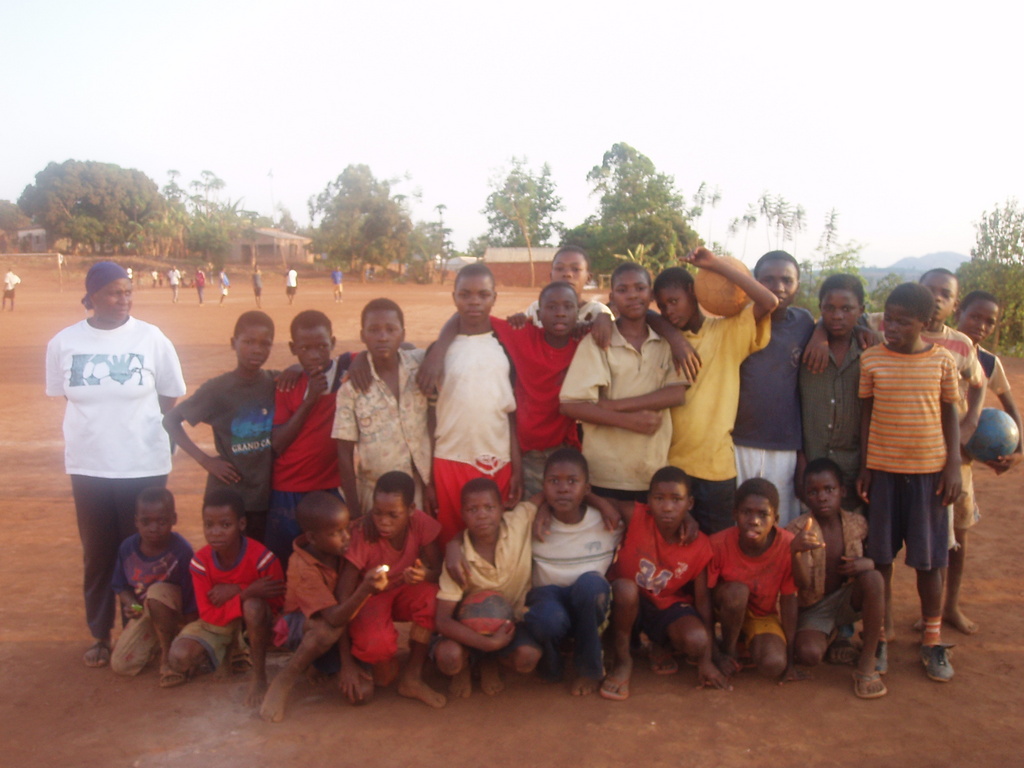
The Foundation did a series of trainings in Mepuagiua, Lioma and Gurue Sede with increase of 25 new fields or "polos". 57 new coaches were trained in the "Craque!" Manual and "Desporto da vida" Project. Our aim was to have between 70-75 new volunteers but due to the holidays and the problems of communication between schools and communities some people wasn't aware of the training or was already on leave. Anyway, the number is really good and now DDV covers geographically the entire District and all the 19 ZIPs (Pedagogic Influence Zone) from the Ministry of Education. Apart from teachers, we also had a good number of students and community volunteers in the trainings.

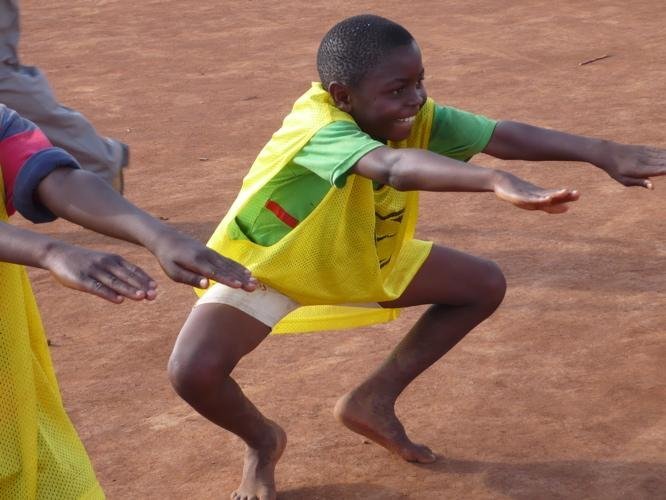
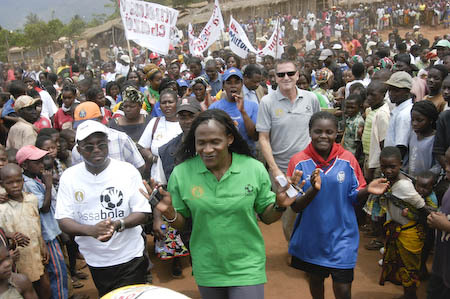
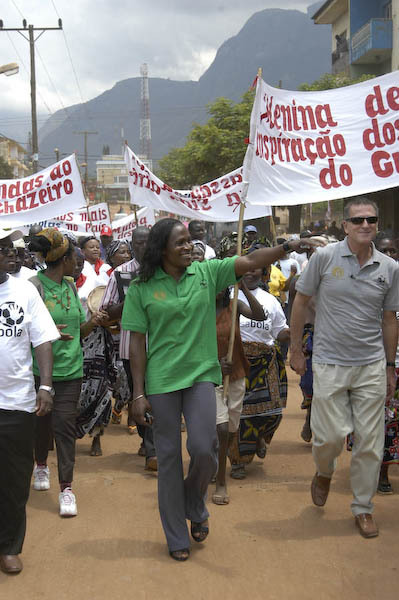
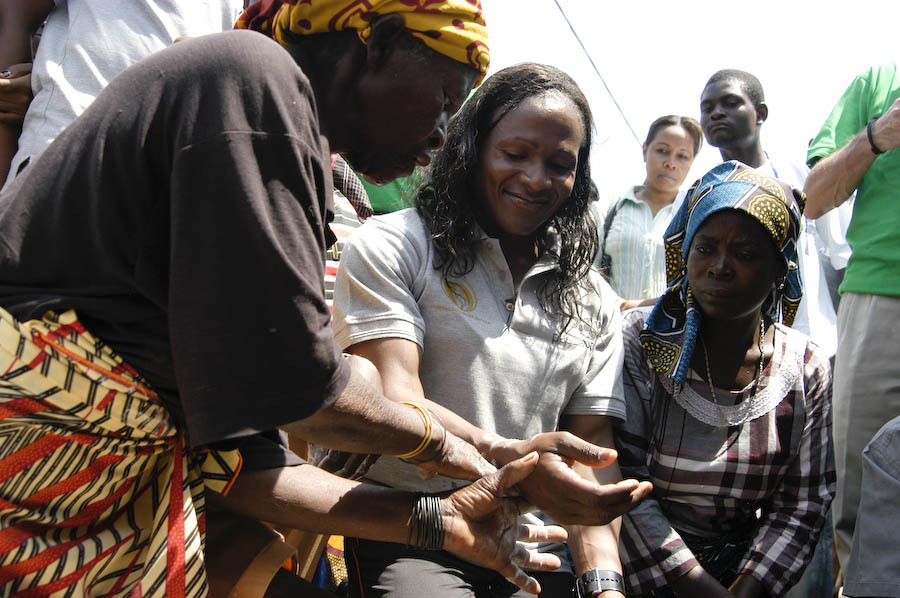
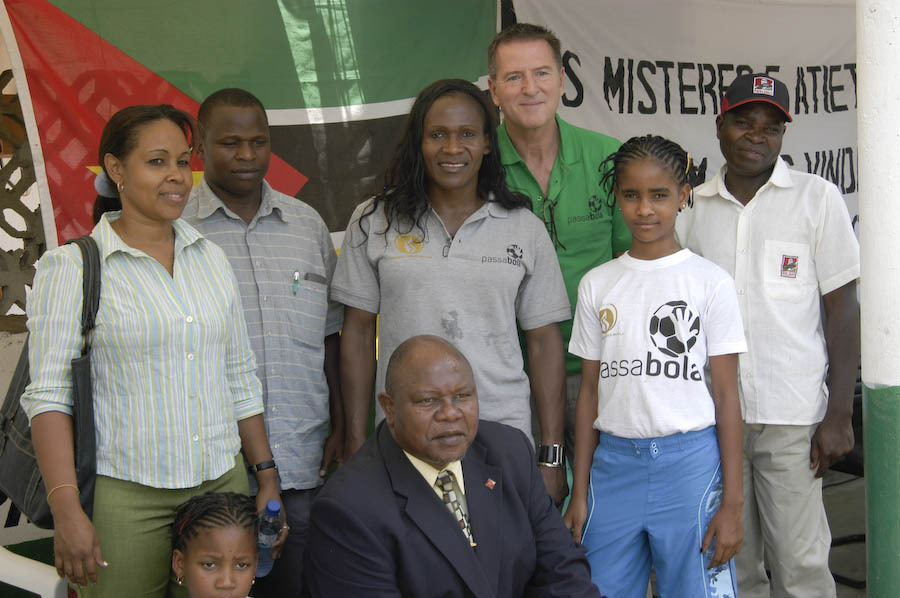
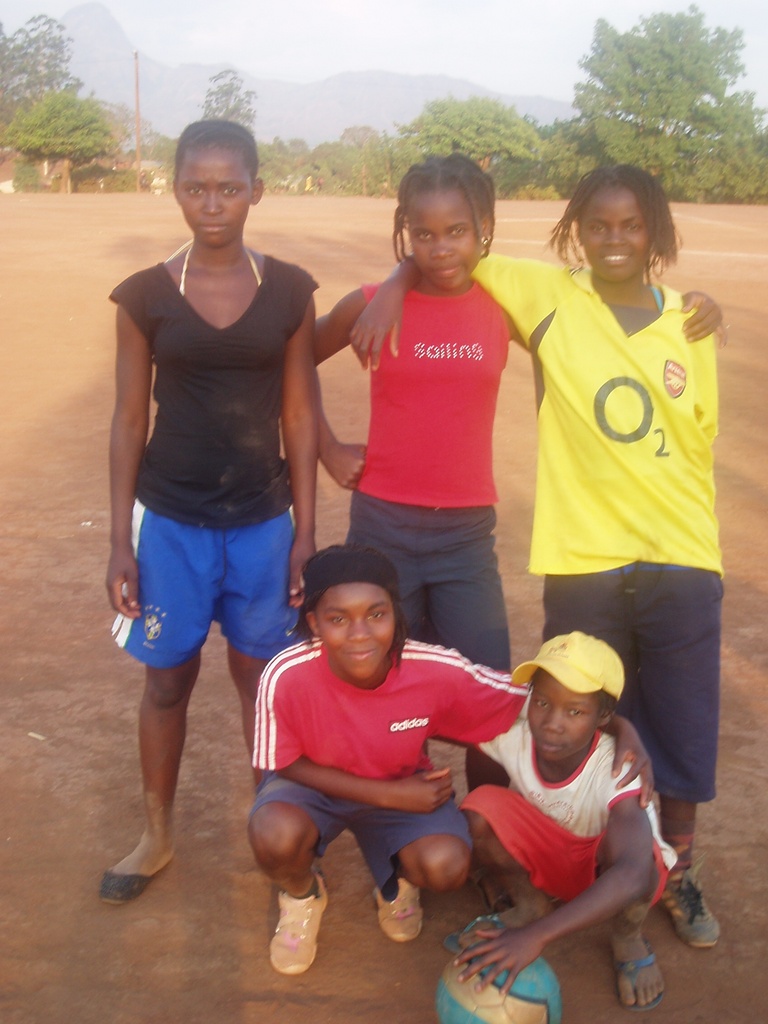
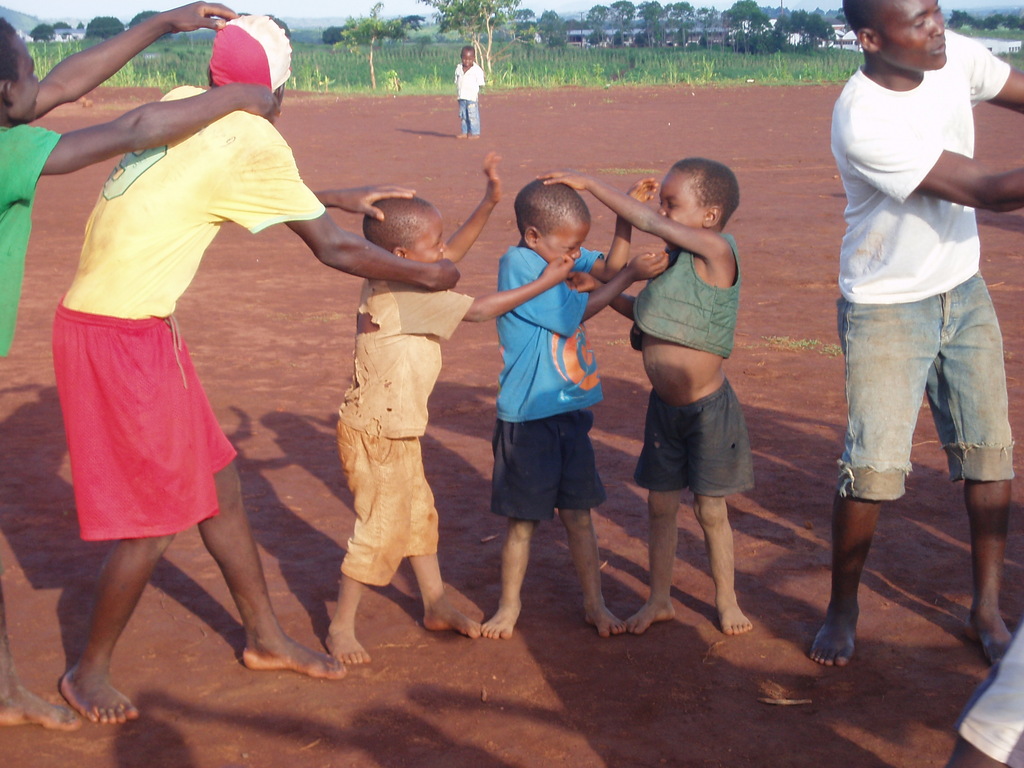
The visit of Sarita, one of the Foundation's scholarship athletes, that is a runner turned soccer player, spent two weeks in Gurue, showing off her skills and cheering up the volunteers and children in the field (see photo #1). She also helped during practical sessions on trainings sharing her experience and knowledge with participants and giving tips and new ways to improve training sessions in the field. We all learned a lot and the inspiration of seen an real athlete was something that will be in the memories of these young players for a long time. Meetings organized with volunteers and community and interviews with the local radio station gave us the opportunity to explain the importance of women in sports and in schools, and the benefits not only for them, but, for society in general.

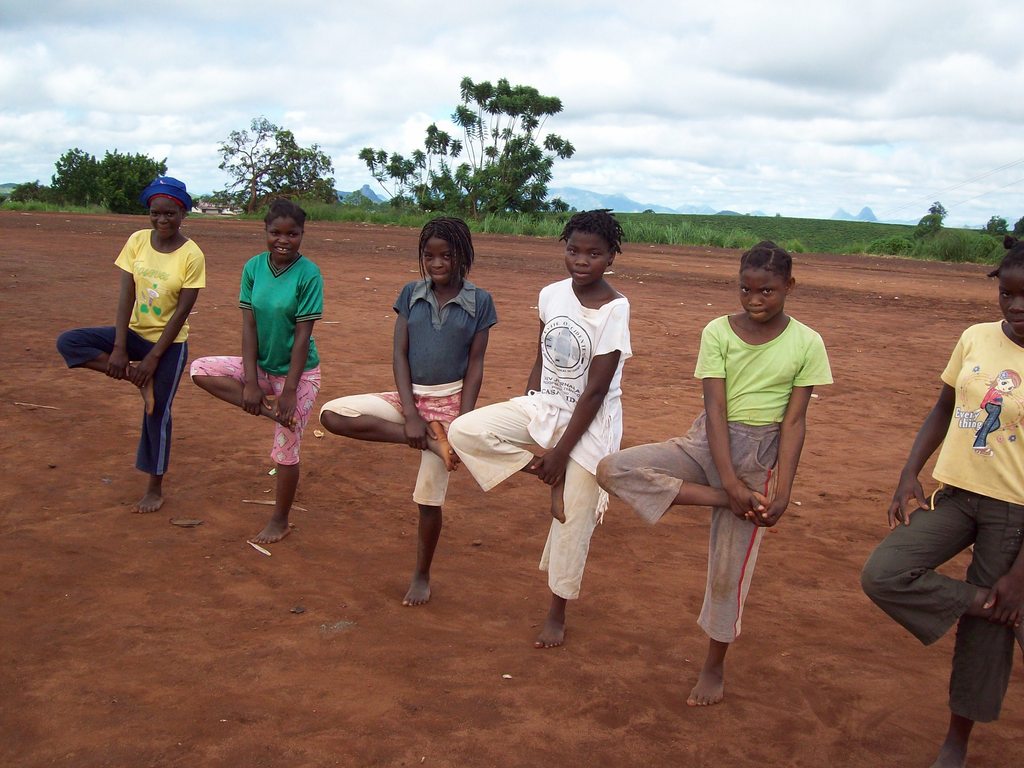
The overall result of the trainings was very positive. During the trainings the idea was to make sport for development concept not only a topic discussed, but felt by the participants in many ways. Exercises and practical sessions mixed with conversations and experience sharing allowed our new volunteers to get the necessary inspiration and motivation to start something different, to build in their own knowledge and give to children the opportunity of grow up with happier and meaningful experiences.

The work with the existing polos is still challenging but with some important victories. Most of them now agree with the importance of frequency for good results and are adapting to this reality. We also made a system of "rewards" for the coaches who maintain frequent activities to children, every month that a coach stays active with his/her children, he/she will earn a point, and those points allow the coach to receive small gifts from the Foundation like T-Shirts, clipboards, whistles, pens, etc. as a form of acknowledge and thank their effort for volunteering in the community. We are still working on that system and how it will operate and different small gifts can be added in the near future.

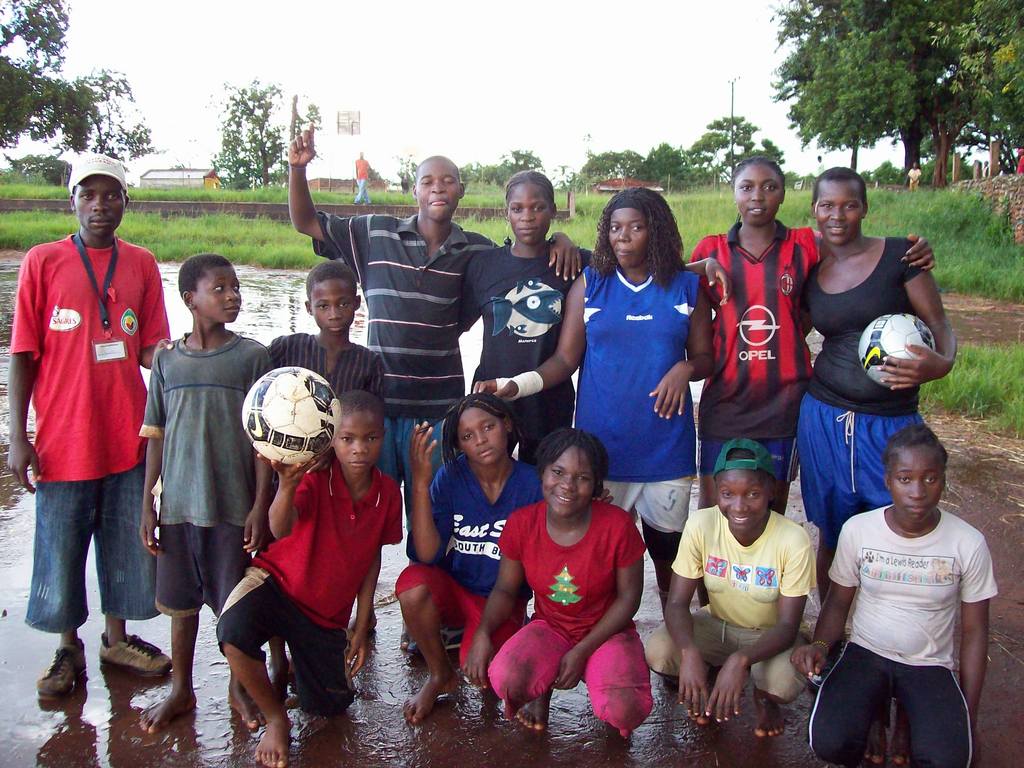
The competitions between the teams are heating up as matches are becoming a more frequent fixture in the lives of the players. Many coaches come every week to ask the Foundation to help them in organizing matches against other teams. This type of competition keeps the motivation among the children and coaches and also helps them to measure the team evolution in several aspects of soccer and teamwork. During these events the FLM – Gurué team is always present using the opportunity to reinforce health and motivation messages and give training and "in game" tips.

Sarita, in yellow, shows young players how to control the ball with her instep. She is a scholarship recipient of the Foundation


Links:


Attachments:

Was this report valuable...
vote divider
Loading...
Tell us why (your comments may be shared publicly).
Rules for Comments 
Comments

Soccer Balls are Rolling all around Gurue

By Gabriel Fossati-Bellani - Project Coordinator, March 26, 2008 06:08 PM

Organization
Manuel Monteiro of LMF, Bert Sonnenschein of Iris Imaginações and Martinho Fernandes, the Technical Director for the Mozambican Football Federation, arrived in Gurúe on Sunday December 2. They were met by Miguel Raso, head of the Municipal Department of Sports, local organizer of the event, a Geração Biz activist and eventual volunteer coordinator for the implementation of the program.

The conditions and logistics for the workshop were well prepared, as were the participants.

Participants
Initially, there were sixty people who showed interested and signed up for the course with Miguel Raso, 17 of whom were women. Five of these women were chosen to participate in the training; only two of them showed up for the course. In the end, 24 people participated in the workshop. Most are Physical Education teachers; others are also in one way or another involved in sports in the district capital, some as active athletes and others in a more organizational role. The interest, background, capacities and experiences of the non-PE teachers complemented well those of the PE teachers and contributed to the positive outcomes of the week.

As mentioned, out of the 24 participants, only two were female. This gender inequality was not seen or experienced as a negative point. There were initially a push to include the intended amount of women after there was a dearth, but the test in Namaacha showed that there would be a low level of understanding and implementation with people who did not fit the basic requirements detailed above. The DDV program explicitly wants to explore and build upon existing motivation of people rather than to bring in alien motives and set-up parallel structures for football and HIV education. More equal gender participation cannot be brought in from the onset, but should be a point of attention for the future of the program.

The first day had the usual delay in appearances and official opening ceremonies by the Director of the District Services for Education, Culture, Youth, Sports, Science and Technology. All other days, the participants showed up on time and motivate and participation was high, much higher and much more enthused than the Namaacha trial.

The Program
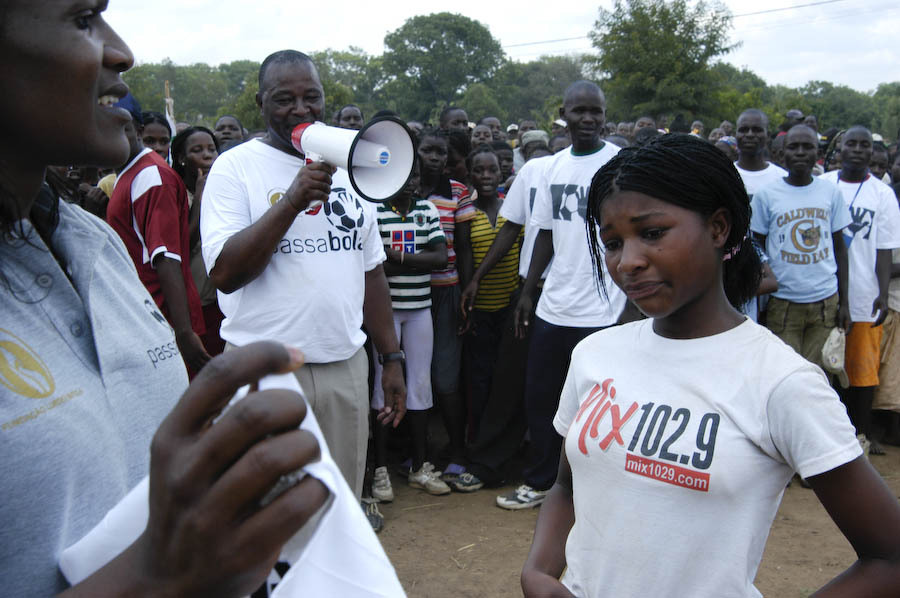
The morning program was reserved for interactive concept and knowledge building, while the afternoons were dedicated to practical training sessions. The first two days training sessions were lead by the facilitators, from the third day onward, the participants facilitated the training sessions, with practical implementation with the participation of more than 100 children each day.

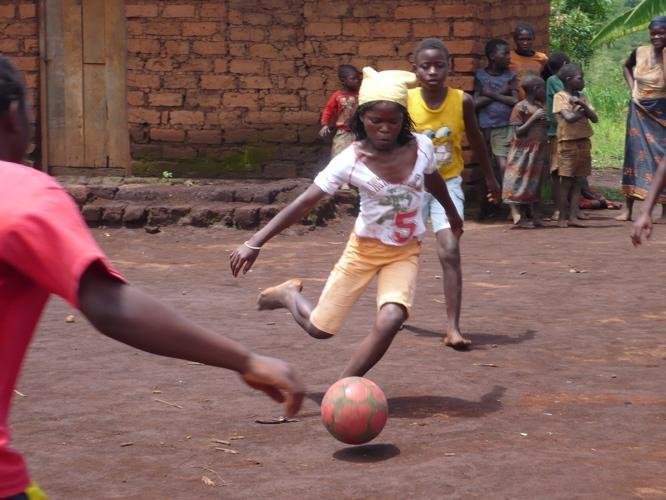
Contrary to the case with workshop participants, equal gender participation was achieved among the children in a natural way: out of the approximate 100, 40 were female.

The training calendar had the following role out during the week:

Monday
-   Knowledge test
-   The tasks of a trainer
-   The characteristics of a star athlete
-   The philosophy of soccer training

Tuesday
-   Football and life skills training integrated

Wednesday
-   Communication skills
-   Communicating messages
-   Motivating the athletes

Thursday
-   Discussing the existing sports organization and activities in the district and how to build and adapt on them using this training and the Champ! manual
-   Setting-up a plan for implementation of the “Movimento Passa Bola”, a collaboration network set-up by workshop participants, in the district.

Friday
-   Elaboration of the plan.
-   Knowledge test

Saturday
-   Test with all coaches on large field with many children
-   Distribution of materials

Methodology
The methodology used for the workshop was one of interactive concept and knowledge building. Instead of feeding new concepts, knowledge and language into the participants, the participants were taken onto a journey where they shared concepts and knowledge available among them. Based on this, the participants created new concepts, knowledge and a common language and goals that will enable them not only to understand and communicate with each other, but also to work together in an organized form towards a common goal.

Each day started with an evaluation game in which participants were asked about the aspects of the day before. This included, for example, whether they had enjoyed the day before, whether they had learned something useful the day before and whether they would be able to apply what they had learned the day before. Any doubts that arose from these questions were answered among the participants themselves before entering the program agenda for that particular day.

This evaluation game worked very well and made it possible to clarify and address specific needs and concerns of the participants.


Read the Rest of the Report in the File Link.

Links:


Attachments:

Was this report valuable...
vote divider
Loading...
Tell us why (your comments may be shared publicly).
Rules for Comments 
Comments