Teach 4200 women in the Congo (DRC) basic literacy
|
|
Summary
We will teach women in the Democratic Republic of the Congo how to read and write. Using these skills, they will participate in the reconstruction of their communities and establish peace in the DR
read updates from the field
|
Received $1,674 from 27 donations from people like:
|
More Information About this Project
Project Needs and Beneficiaries
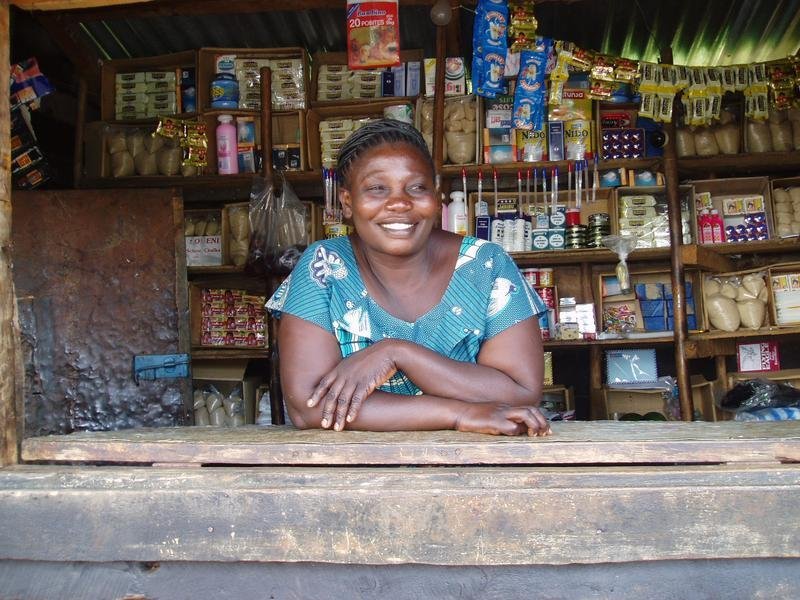
Over 30 years of war has shattered the DRC’s infrastructure, economy, and ability to provide basic services such as education. Once a woman learns to read and write in our program, she can run her own business, join a woman’s cooperative and pass her literacy skills on to her children. We are helping women not just to live but to the thrive.
Activities
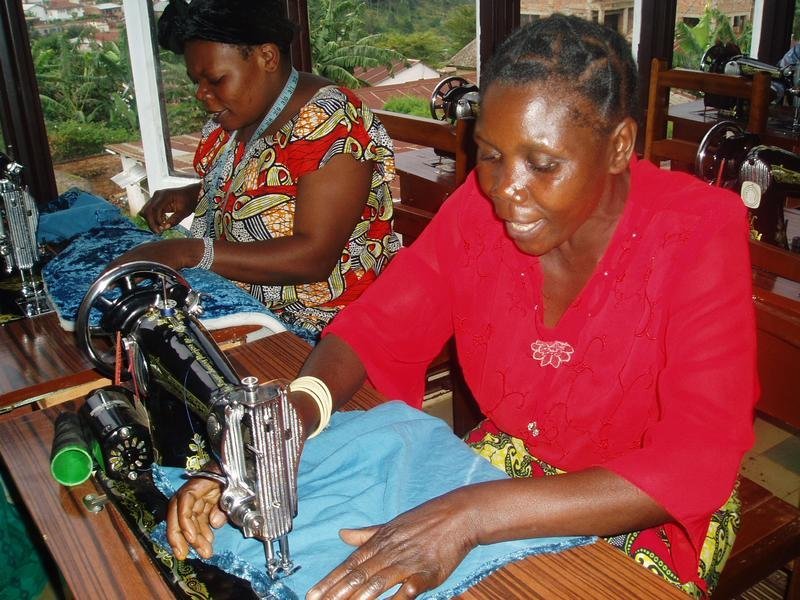
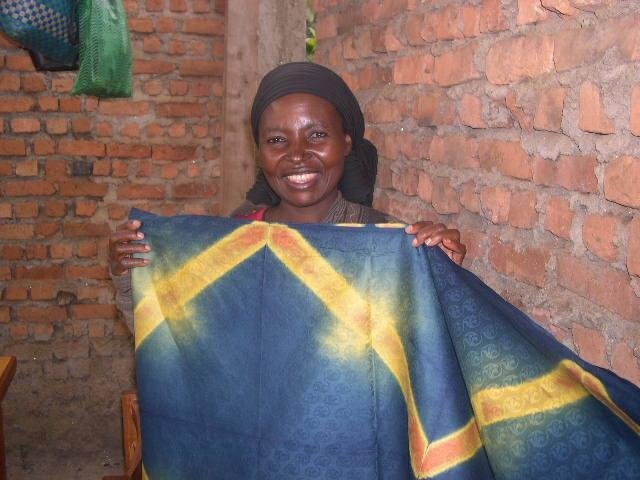
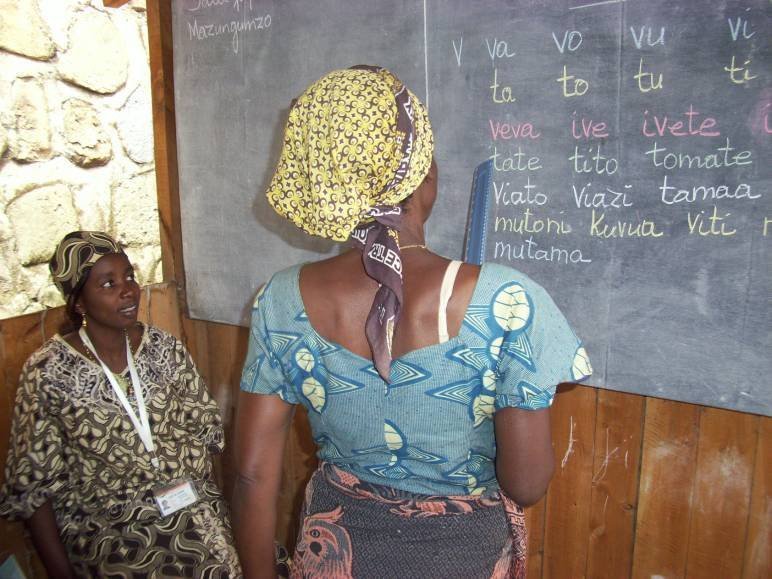
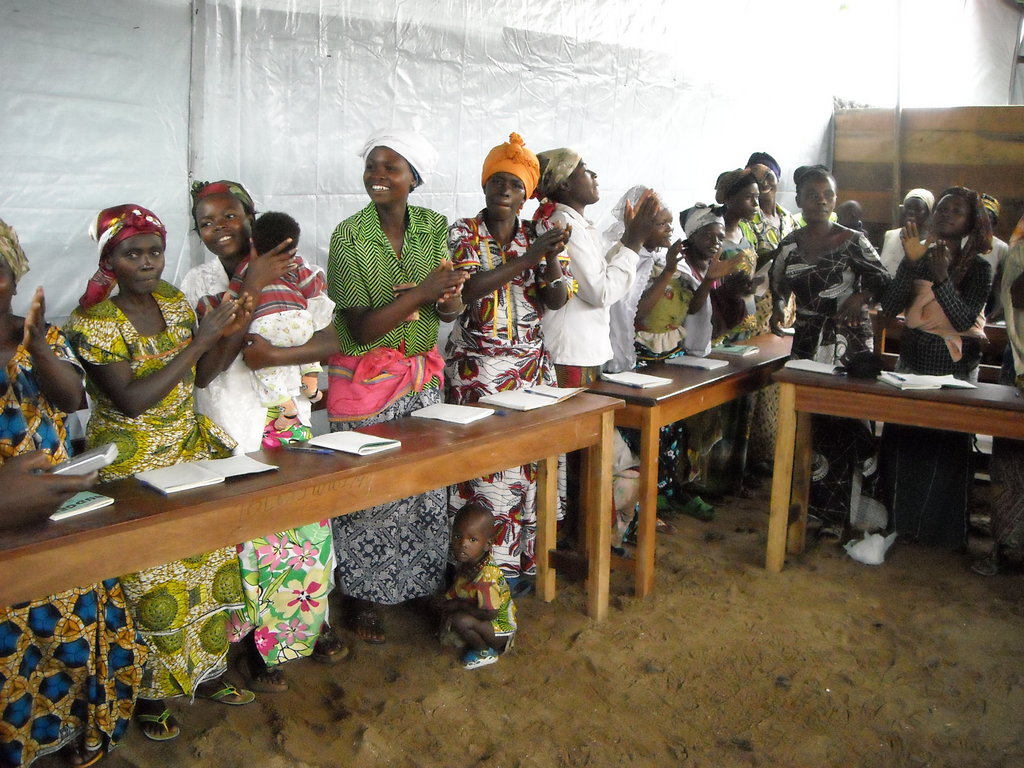
As seen on 60 Minutes, our program teaches women literacy and writing skills. Program graduates have become businesswomen, farmers and community leaders; supporting our conviction that stronger women build stronger nations.
Funding Information
Total Funding Received to Date: $1,674
Remaining Goal to be Funded: $187,326
Total Funding Goal: $189,000
Additional Documentation
This project has provided additional documentation in a PDF file (projdoc.pdf).

Resources
Why this Project is Important
Potential Long Term Impact
Creating a literate society in the DRC is a way of engaging women in creating lasting change and stability within the country. If we can stabilize the women we serve, they can in turn help stabilize their communities and their countries.
Project Message
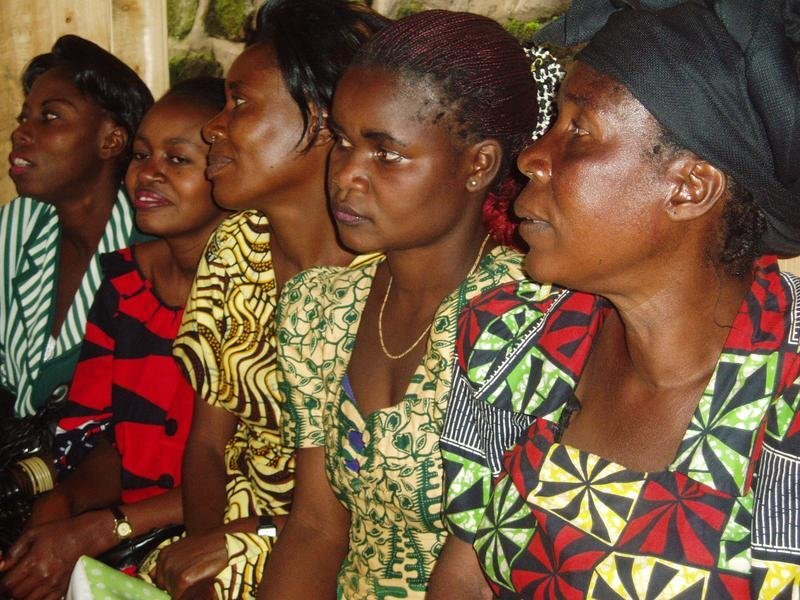
"I feel like I am someone important. The recognition that I have been given today has made me realize that I am a valuable member in my community."
- Honorata, participant in the DRC program
Who is Running This Project
Contact
Lateisha Garrett,
Project contact
4455 Connecticut Ave NW Ste 200 Washington, DC 20008
United States
202-737-7709
Email:
Project Sponsor
Women for Women International
Women for Women International's Current Projects on GlobalGiving
When this Project was Updated
Last Updated
This project was last updated on November 11, 2008.
Date Added to GlobalGiving
This project was added to the GlobalGiving project catalog on August 17, 2007.
Latest Update from the Field
Call for Action to Stop Fighting in DR Congo
By Shannon O'Donnell - Online Marketing Manager, November 11, 2008 05:13 PM
Experts on the Democratic Republic of the Congo are calling for assistance and strong international leadership to prevent further deterioration of the devastating humanitarian situation in the country's eastern provinces. Panel discussion hosted by Women for Women International in New York Thursday. "The climate of impunity is problematic and an obstacle to a stable peace in eastern Congo. Although the challenges of reforming and building a functioning law enforcement and justice system are huge, it will be the key of stopping violent attacks - including sexual violence - on civilians"
Experts on the Democratic Republic of the Congo are calling for assistance and strong international leadership to prevent further deterioration of the devastating humanitarian situation in the country's eastern provinces. Congo Panel, Women for Women International Oct 2008
Tony Gambino, an expert on development issues in the Democratic Republic of the Congo, said in New York at a panel discussion hosted by Women for Women International that the five permanent members of the UN Security Council need to take a 'No More Victims' approach towards the humanitarian crisis in Congo. "Because it is clear that the Congolese authorities are incapable of protecting the population, we need to get engaged. The universally accepted principle of 'the responsibility to protect' applies to Congo and we must follow through on it," Gambino said.
Gambino is the author of 'Congo: Securing Peace, Sustaining Progress', a special report published this week by the Council on Foreign Relations in which he argues that the U.S. should focus on ending rampant violence and insecurity in eastern Congo and promoting broad-based environmentally sound sustainable development. "The current UN mission in eastern Congo needs the necessary personnel and mandate to fulfill its central role in stopping rampant violence and helping to build capable security forces," Gambino said on Thursday. "Without this civilians won't find protection and peace."
Tens of thousands of civilians are currently fleeing a rebel advance on the provincial capital of Goma, bringing the number of recently displaced people to over 150,000. Neither the 17,000-person strong UN peacekeeping force nor the Congolese forces have been able to prevent a breakdown of the ceasefire that has brought the province close to full-scale war. The displaced are leaving behind most of their belongings and are staying in makeshift camps without access to water, food, and basic health care.
Also addressing the panel, Women for Women International Country Director Christine Karumba said that fear among women in eastern Congo is rising. Many have endured and witnessed gross sexual violence and are afraid that mass rape will further increase if the country returns to war. "The women we are working with don't want to lose what they have achieved," Karumba said. "It is very precious to them." She warned that the area would be hit by a serious food shortage if people are unable to harvest their crops due to displacement. Any loss of income would worsen the situation of the desperately poor civilian population in the eastern part of the country, Karumba added.
In the Democratic Republic of the Congo rape has been used by almost all parties of the conflict as a weapon of choice and observers have found that it is now also spreading among civilians as a means of intimidation, torture, and exercising power. The lack of protection through local law enforcement and security authorities is increasing fears of sexual violence escalating. The effects of brutal attacks on women are long-lasting and frequently leave them with severe physical and psychological problems that often remain untreated. The stigma of rape makes many survivors and their children destitute after they are rejected by their families and communities.
Mike VanRooyen, Co-Director of the Harvard Humanitarian Initiative (HHI)--which is conducting both clinical work for rape victims and research in eastern Congo--said during the panel discussion that focus group discussion with survivors have shown the need for economic support to women who are trying to rebuild their lives. The HHI research has also found that although men do not often speak out against the rape epidemic, they are deeply affected by the fact that they are unable to protect women and girls from the attacks.
Panelists agreed that perpetrators need to be brought to justice. "The climate of impunity is problematic and an obstacle to a stable peace in eastern Congo. Although the challenges of reforming and building a functioning law enforcement and justice system are huge, it will be the key of stopping violent attacks - including sexual violence - on civilians," VanRooyen added.
Since 2003, Women for Women International has served more than 18,991 Congolese women and another 102,551 family and community members in this region. Through a holistic program that includes rights awareness and life skills training, income generation assistance, and vocational and skills development, women are able to create stability and self-sufficiency amidst an otherwise chaotic and volatile environment. In 2007 alone, the program reached 9,489 women in the communities of Bukavu, Goma, Fizi and Baraka in the Kivu provinces of eastern Congo. Women for Women International also conducts Men's Leadership Training programs that aim at educating religious, traditional, and civic leaders about the consequences of sexual violence on women and whole communities, with the aim of turning men into advocates of women's rights.
Links:
Attachments:
Read 2 more "Updates from the Field" |
Comment on this update
Subscribe to "Updates from the Field" by E-Mail
|