By Jacqueline Frost | Development and Communications Manager
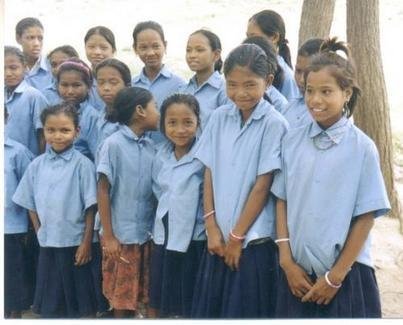
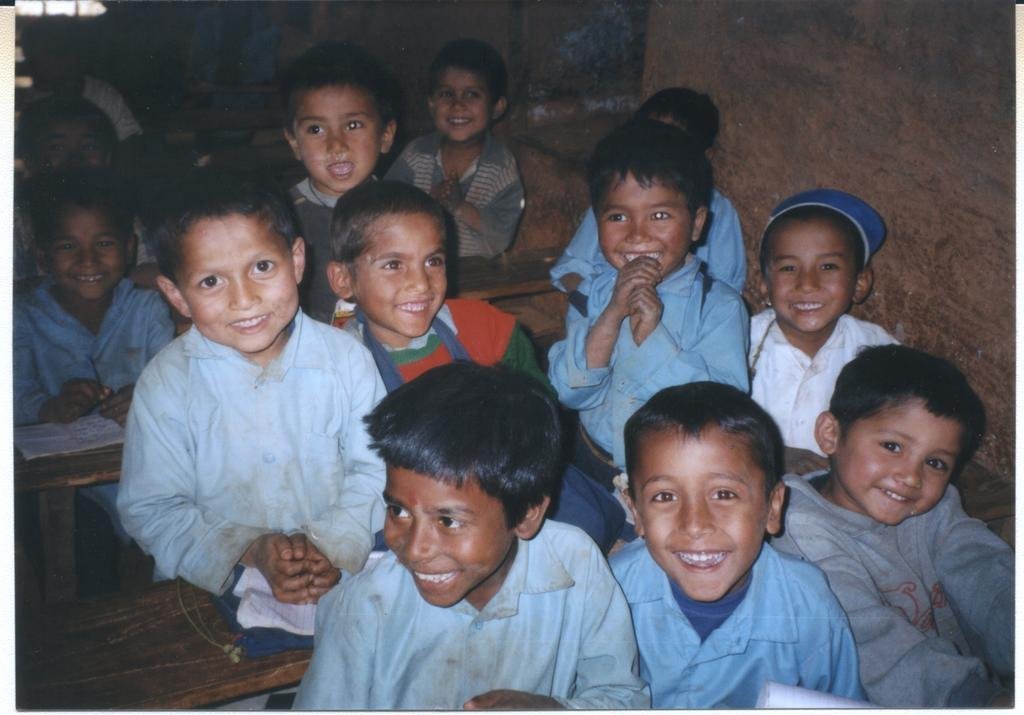
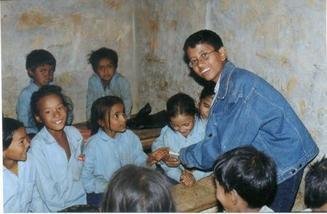
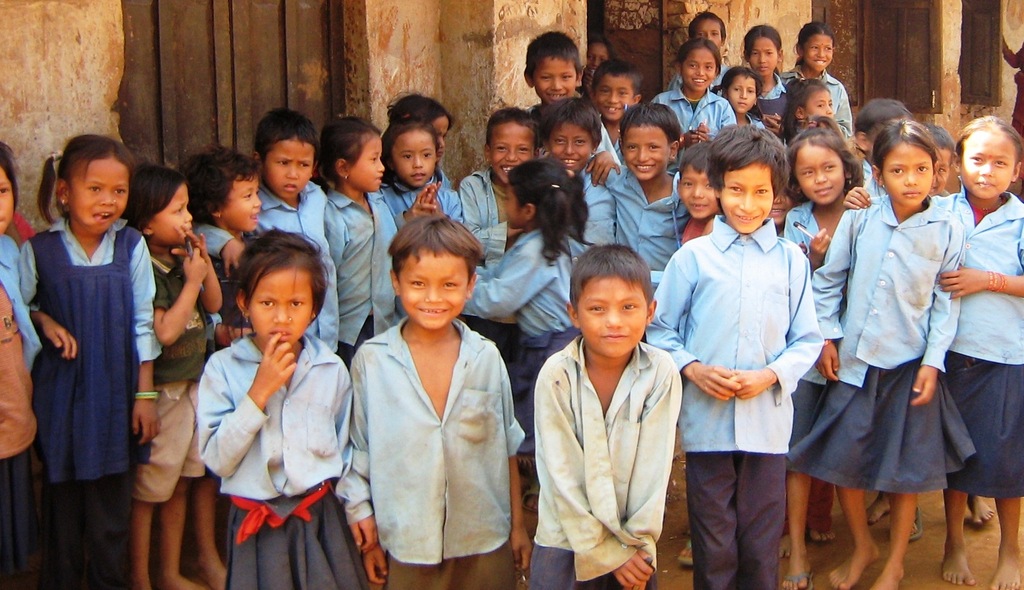
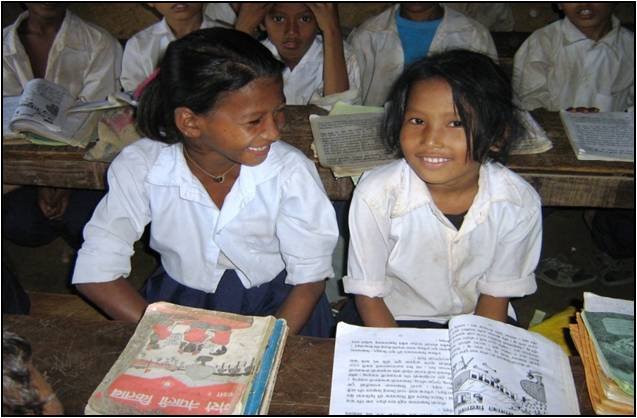
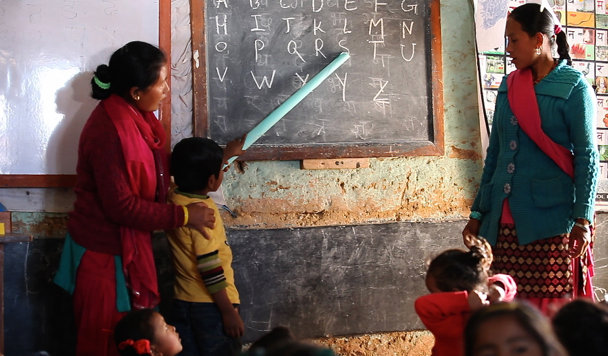
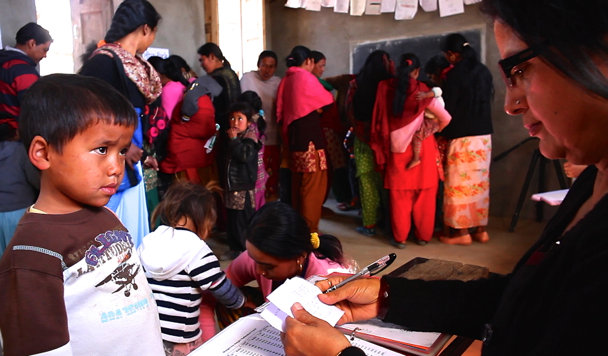
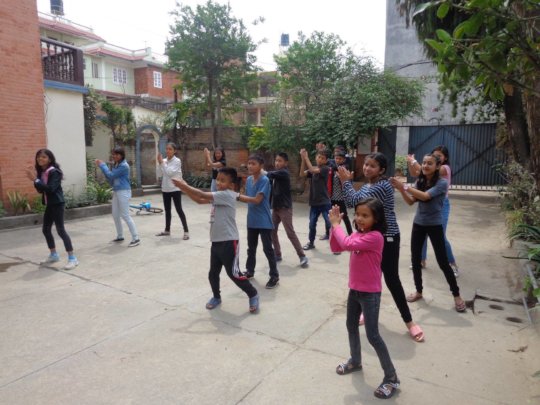
Thank you for your support of our project to Send Deserving Children to School in Rural Nepal. Your generosity has changed the lives of some of the most destitute children in Nepal by giving them the gift of an education.
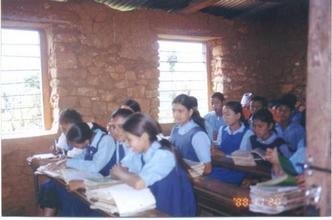
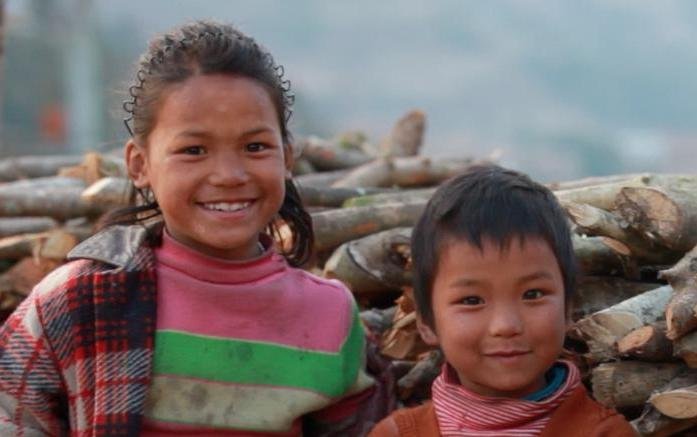
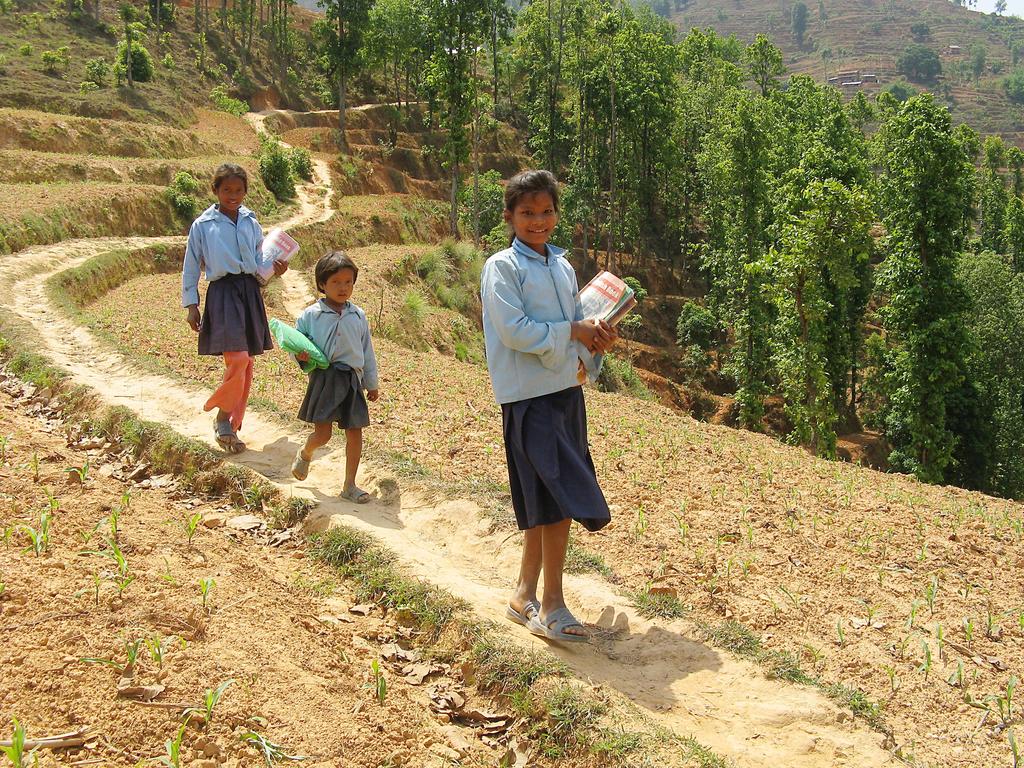
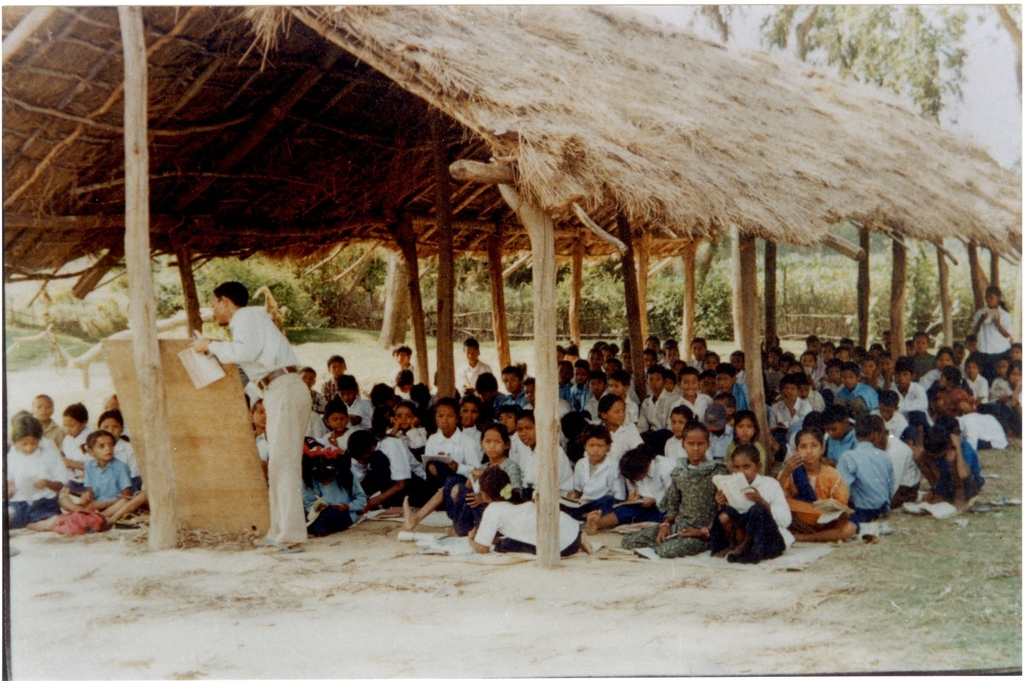
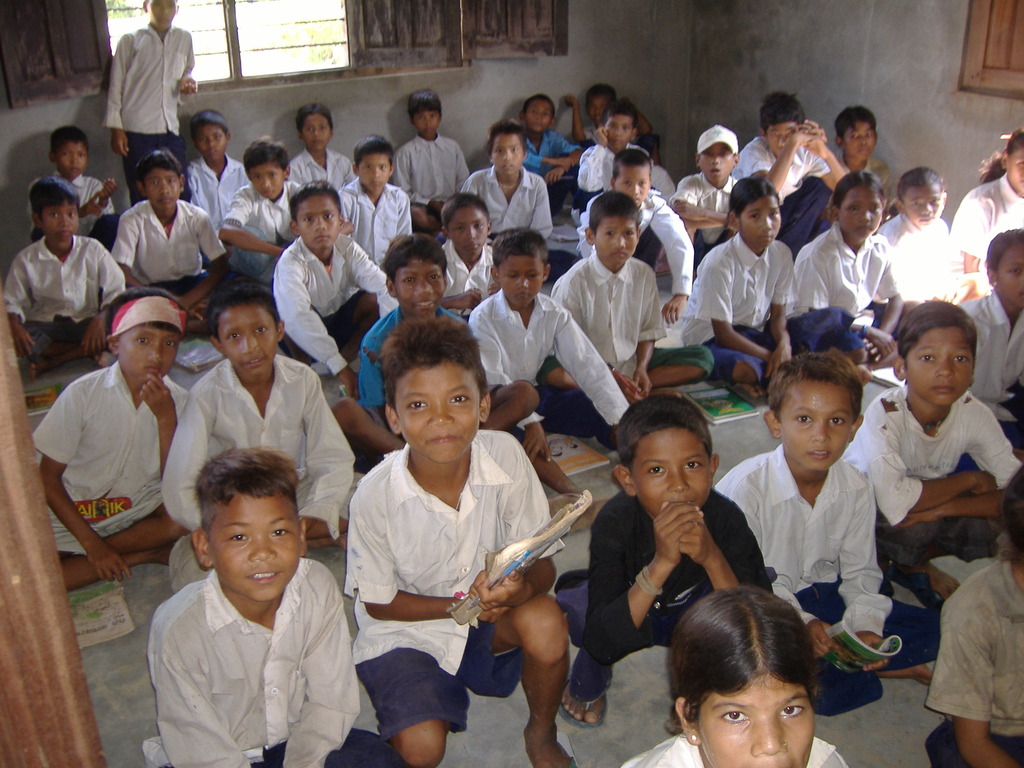
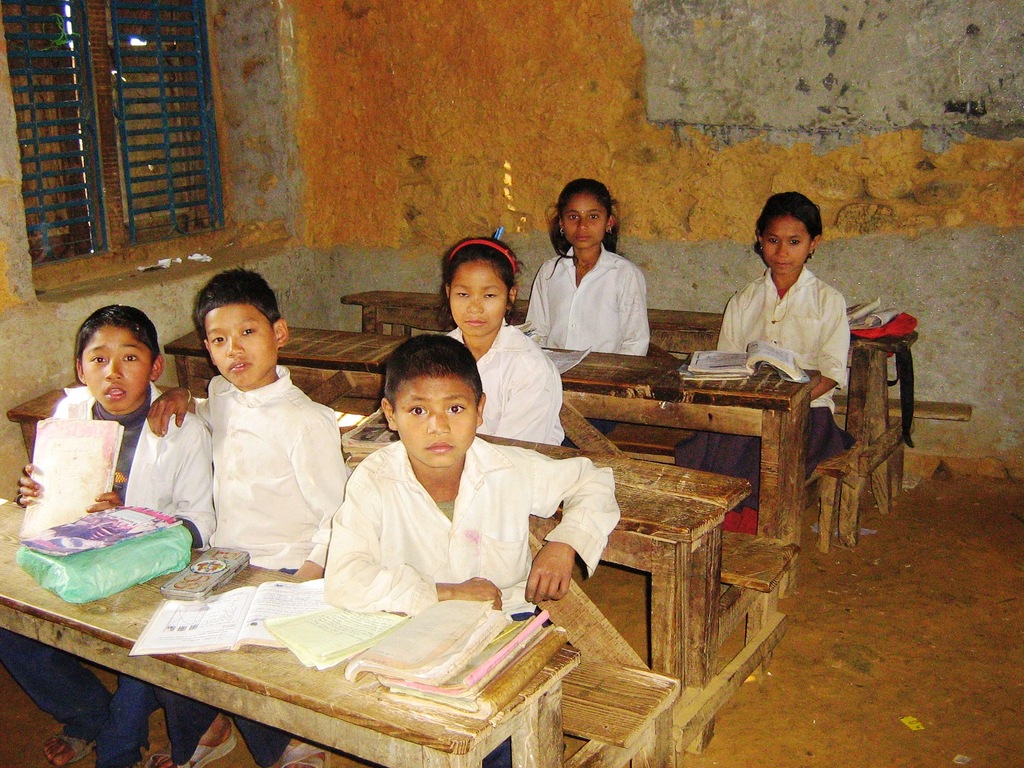
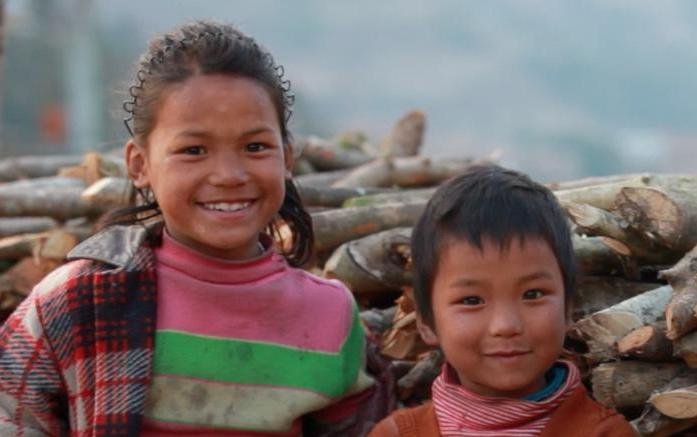
These children come from families so poor that the cost of school uniforms, supplies and even a modest school fee is far beyond their meager budgets. They live in remote villages where access to education is difficult. In addition, many parents need their children to work on the family farm or perform household chores and some believe school is beyond their reality, and sadly beyond their dreams.
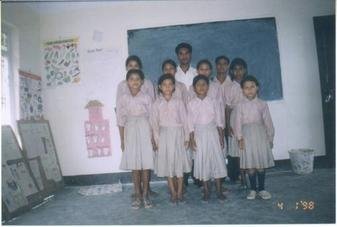
In several rural districts in Nepal, NYF grants scholarships to children to cover their school expenses. This is the first generation in most of these areas to receive an education. The cost – about $100 a year per child – is an incredible investment. An education will best prepare these youngsters for the very difficult future that awaits them.
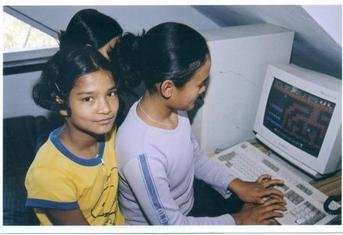
NYF supports children until they can support themselves. After they graduate from high school, we provide them with college scholarships or vocational training. There are currently 28 children in the program.
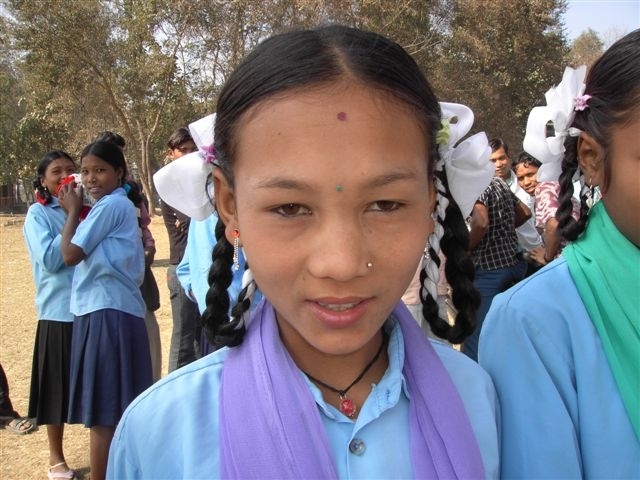
We asked some of the rural scholarship girls to reflect on their lives and ambitions:
Pushpa, a student in class five wrote; “Despite the … adversities, I am not hopeless… I am studying hard because I am determined to become a nurse and take care of the poor.”
Kamala, an 8th grader, said; “After getting this scholarship I have been able to go to school regularly and keep myself neat and clean.”
Menuka wrote; “I am happy that this scholarship has provided an opportunity for us to get education on an equitable basis with other rich and high class people. We can also become a renowned person if we get equal access of education.”
Your support gives young girls like Pushpa hope for a better future.
Namaste!
Links:
By Jacqueline Frost | Development and Communications Manager
By Jacqueline Frost | Manager, Development and Communication
Project reports on GlobalGiving are posted directly to globalgiving.org by Project Leaders as they are completed, generally every 3-4 months. To protect the integrity of these documents, GlobalGiving does not alter them; therefore you may find some language or formatting issues.
If you donate to this project or have donated to this project, you can receive an email when this project posts a report. You can also subscribe for reports without donating.