Fuel Efficient Stoves for Darfur
Actions
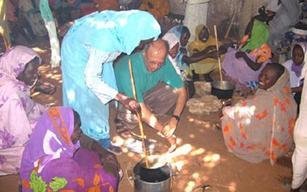
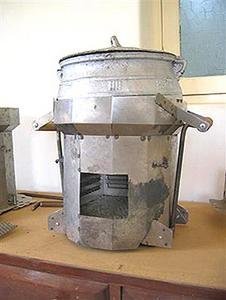
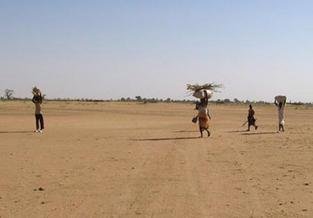
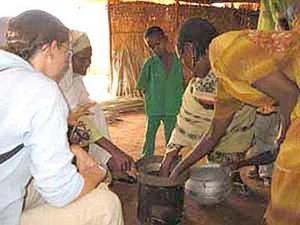
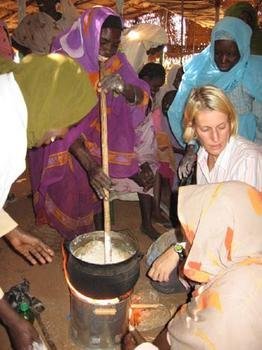
Share & SaveMore Information About this ProjectProject Needs and BeneficiariesWomen and the families of internally displaced persons in Darfur risk rape and mutilation as they make long trips to collect fuel. Women buying fuelwood face hunger and malnutrition from skipped meals because: they have insufficient funds to purchase wood or they have sold part of their food rations to get money for wood. A more fuel-efficient stove reduces the number of wood-collecting ventures made by IDP women and increases the number of cooked meals possible from purchased wood. ActivitiesDesigned through a collaboration between the Lawrence Berkeley National Lab, Engineers Without Borders, and CHF International, the new model is being produced in Darfur and being distributed to displaced families in the camps. Funding InformationTotal Funding Received to Date: $41,059 Additional DocumentationThis project has provided additional documentation in a Microsoft Word file (projdoc.doc). ResourcesWhy this Project is ImportantPotential Long Term ImpactThe stoves need 75% less fuel than current stoves. They pay for themselves in about two months. They reduce exposure to rape, hunger, physical hardship, and humiliation. Also, they help in the recovery of the nearby vegetation and local environment. Project Message

The stoves, which are 75% more fuel-efficient than traditional models, are making a major impact, particularly for women from the camps who would otherwise spend several hours a day collecting wood. Who is Running This ProjectContact
Erin Mote, Project SponsorOrganization
Learn more about CHF International and the project team. CHF International's Current Projects on GlobalGivingWhere this Project is LocatedCountry
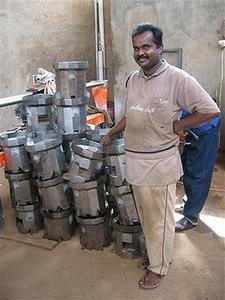
This project is located in For more information about Sudan, read the Human Development Report on Sudan or the Wikipedia entry for Sudan. When this Project was UpdatedLast UpdatedThis project was last updated on October 16, 2008. Date Added to GlobalGivingThis project was added to the GlobalGiving project catalog on December 14, 2006. Latest Update from the FieldStoves & Baskets and a Story of InspirationBy Erin Mote - Manager of Resource Development , October 16, 2008 01:22 PM In February, CHF hired additional laborers [thanks to the overwhelming support of our individual donors through Global Giving and beyond], that increased production to 35-45 stoves per day (approx 1000/month).The demand for the stove among the internally displaced people (IDPs) is high because the stove is durable, effective, and tangibly beneficial to their lives. The project is going strong. In addition, the Stove project has spurred another economic livelihoods project for the women and youth of Darfur. Many have now begun to participate in our Baskets for Darfur project which creates revenue for the family. Women in the program are using the income to purchase more food for their families, schooling for their children, and livestock. One Story of Inspiration Hajja Suaad, 55, is a displaced woman from Tawila, in Darfur, Sudan. Living in a relief camp with her family, Hajja is one of thousands of women who have had to leave their villages due to the ongoing conflict in the region over the past three years. CHF International is working with more than 250,000 internally displaced people (IDPs) to provide them with the services, tools, and skills they need to earn a living and be prepared for their eventual return to their home villages. Hajja has become a role model in CHF's basket production activities in the relief camps. In September 2005, she was selected for a two-month training in traditional handicrafts and has since excelled in basket weaving. CHF organized an exhibition in December 2005 to display the IDP-produced traditional handicrafts for the development community of professionals in the area. Hajja Suaad was a pioneer in designing a market strategy to sell most of her products during the two-week exhibition. In addition, after graduating from the CHF course, she organized a group of five women from her team and started a self-funded basket project. Hajja now has a successful basket production business with the group and produces crafts at her own pace from her own home. She has become a self-sufficient IDP thanks to CHF livelihoods and training program, selling her products and earning between SDD 20,000 to 25,000 a month (US$100 to US$120). For more about CHF's programs in Darfur, Sudan, please visit the link below. h Links: Attachments: Read 5 more "Updates from the Field" | Comment on this update How Else You Can HelpSpread the Word on your Profile, Blog, or WebsitePut a widget for this project on your profile, blog or website to turn your friends into givers. Using our widget, it's quick and easy to add this widget to your profile or blog! Get this widget on: |
||||||||||||


Sudan
Environment