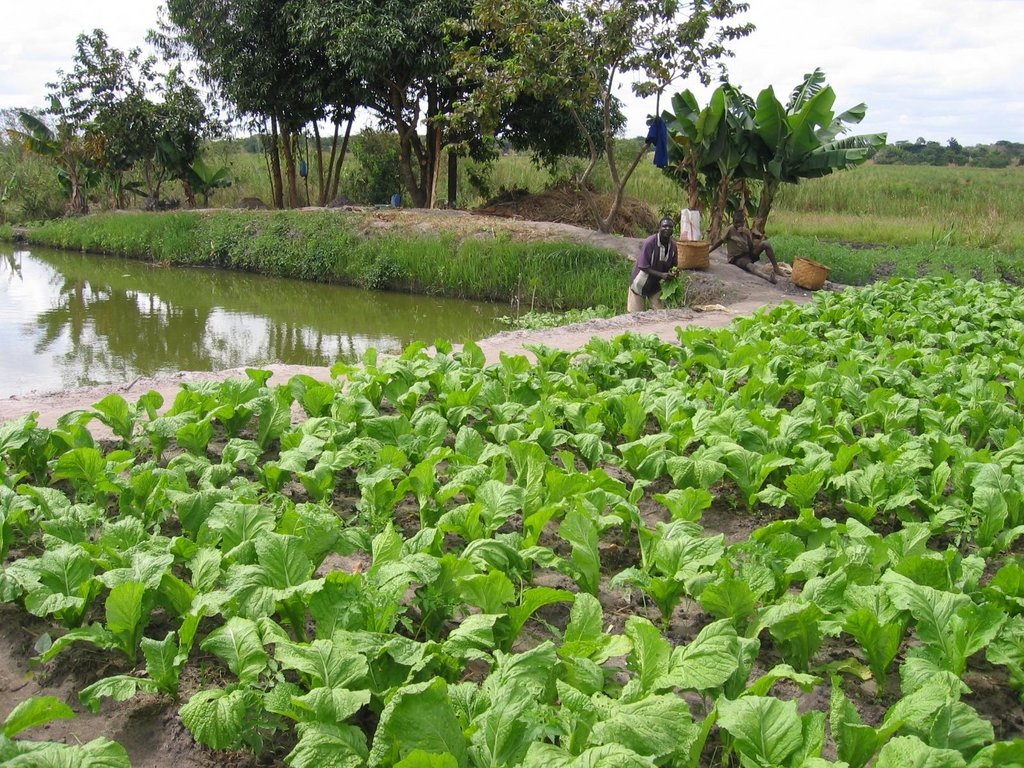
Fish to Feed HIV affected families in Malawi
Actions
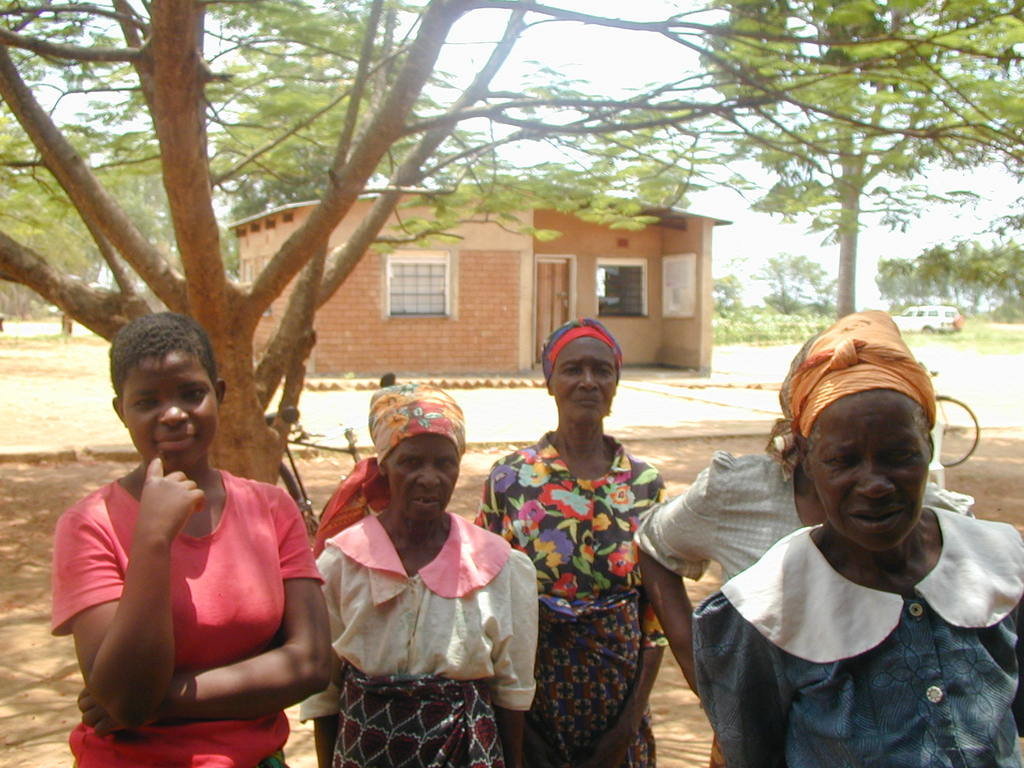
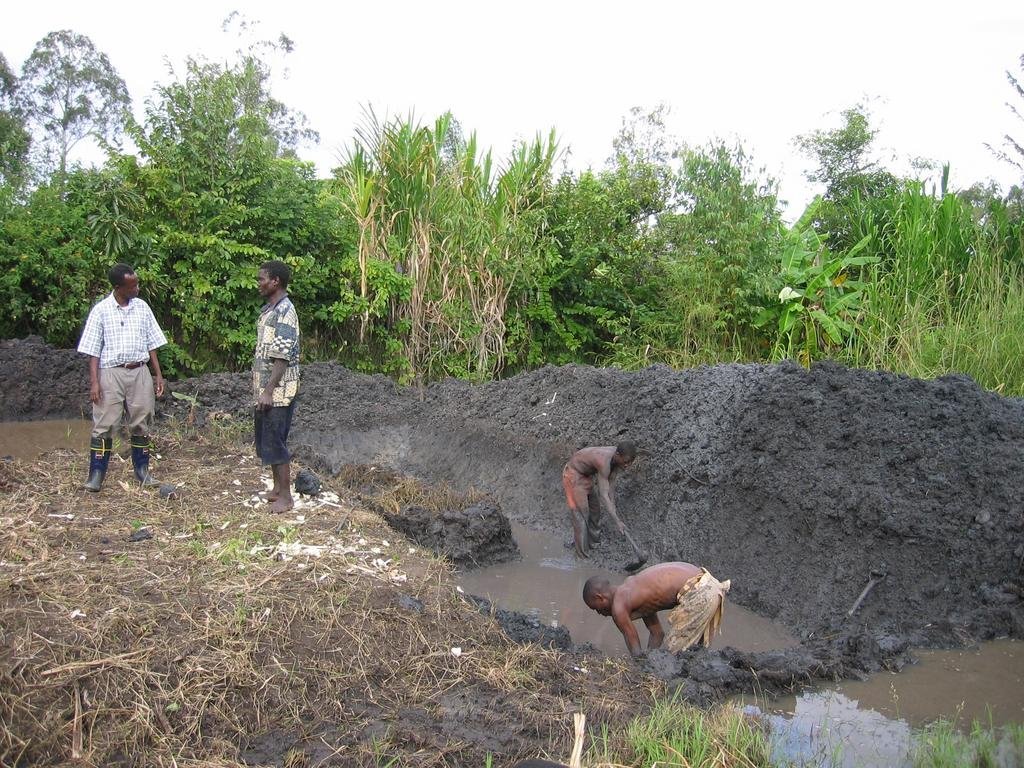
Share & SaveMore Information About this ProjectProject Needs and BeneficiariesThere are currently 12.1 million people in Malawi, most of whom are subsistence farmers with less than 1 acre of land to farm. Marginal land use and frequent droughts make food security an issue. Famine is recurring and food aid is only temporary relief. This project will enable 1000 poor farmers, including women and HIV/AIDS sufferers to live a better life with nutritious food on the table and money in their pockets for necessities. ActivitiesThe project trains families affected by drought or HIV/AIDS to farm fish for income and improve nutrition. Ponds will be constructed and farmers taught to manage fish and ponds and harvest fish in a way that lets the fish pond thrive for many years. Funding InformationTotal Funding Received to Date: $5,289 Additional DocumentationThis project has provided additional documentation in a Microsoft Excel file (projdoc.xls). ResourcesWhy this Project is ImportantPotential Long Term ImpactThis project will increase fish production. Nutrients from the pond improve crop production too. Farmers become more skilled at managing water and are better able to resist drought. All these outcomes translate into more income and food. Project Message

We’ve seen the monetary and nutritional returns the ponds are beginning to bring into our pockets and homes. My people have begun to break the poverty trap in which they had been held for so long. Who is Running This ProjectContact
Daniel Jamu, Project SponsorOrganization
Learn more about The WorldFish Center and the project team. Where this Project is LocatedCountry
This project is located in
For more information about Malawi, read the Human Development Report on Malawi or the Wikipedia entry for Malawi. When this Project was UpdatedLast UpdatedThis project was last updated on August 07, 2008. Date Added to GlobalGivingThis project was added to the GlobalGiving project catalog on August 14, 2006. Latest Update from the FieldFish for the elderly and orphaned childrenBy Daniel Jamu - Project Leader, August 07, 2008 05:04 PM
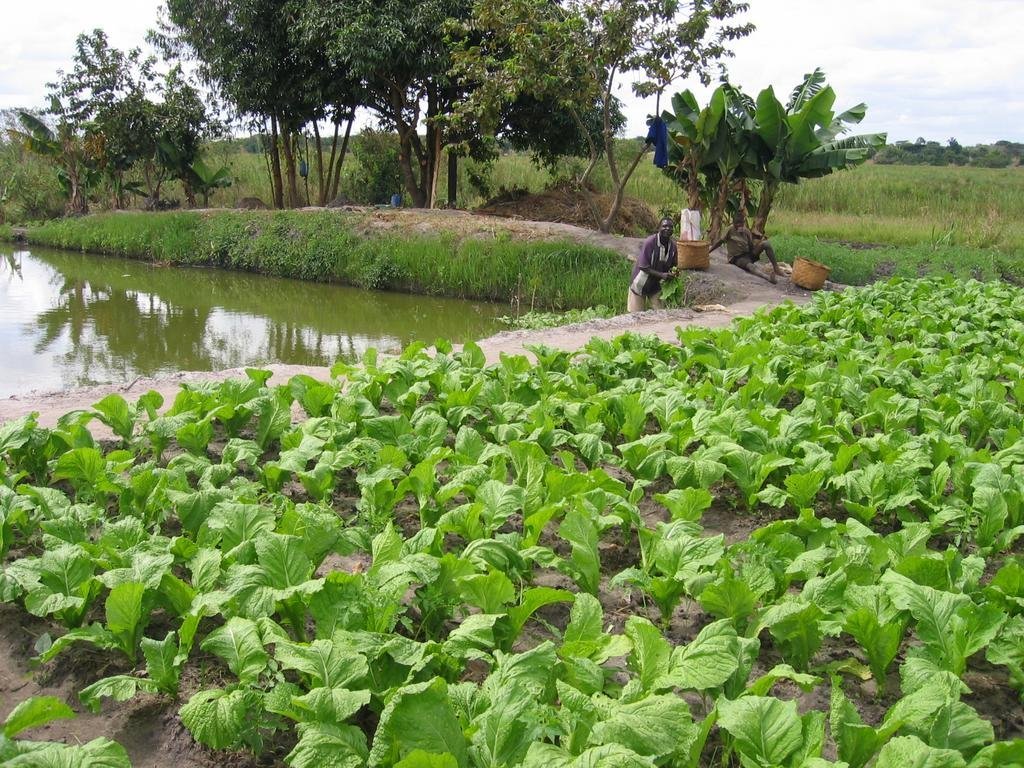
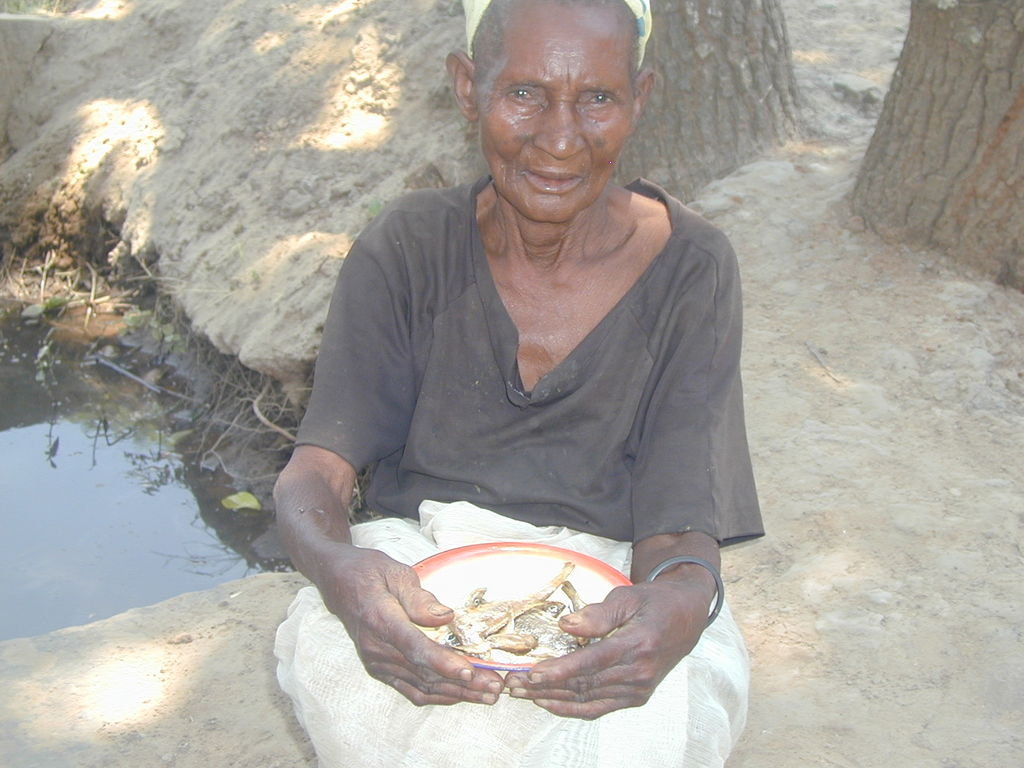
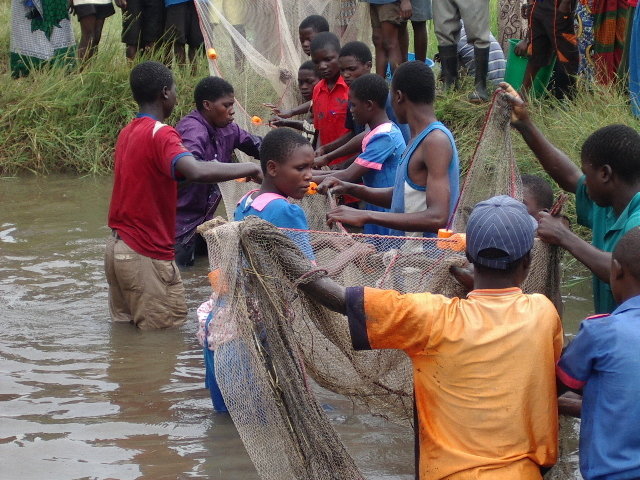
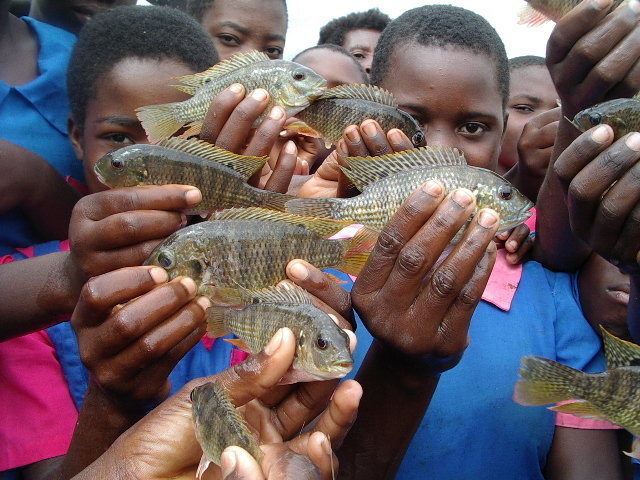
As fish caught from natural lakes and streams have traditionally been an important part of the diet in landlocked Malawi, increasing population and declining catches reduced annual per capita fish consumption from 14 kilograms in the 1970s to 4.2 kilograms in 2005. Aquaculture has since been seen as an exit option to relieve pressure from dwindling capture fisheries and increase fish production and consumption. The project “Fish to feed HIV affected families in Malawi” implemented by WorldFish Center in collaboration with World Vision with funding through Global Giving in southern Malawi, helps HIV/AIDS affected and infected poor families including women to live a better life with nutritious food on the table and money in their pockets through appropriate adoption of Integrated Aquaculture-Agriculture (IAA) technologies to the needs of the affected families. Over the past twelve months, the WorldFish Center, with the Global Giving Fund has made remarkable contribution to improving income and food security through the promotion of Integrated Agriculture Aquaculture (IAA) in primary schools. Nineteen (19) ponds have now been constructed and stocked with fish. One school, Samalani, enjoyed its first harvest in June with over 30kgs of fish harvested from a 300 square meter pond. All schools have now opened maize and vegetable fields that are being irrigated from the pond water. The optimism in reducing food and nutritional insecurity increased even more with the adaptation of the IAA technologies to improve incomes and nutritional status of the HIV- affected elderly and orphaned households. Read 1 more "Updates from the Field" | Comment on this update How Else You Can HelpSpread the Word on your Profile, Blog, or WebsitePut a widget for this project on your profile, blog or website to turn your friends into givers. Using our widget, it's quick and easy to add this widget to your profile or blog! Get this widget on: |
||||||||||||


Malawi
Economic Development