By using ecologically, socially, economically, and culturally compatible species, Analogue Forestry allows 12 communities to protect ecosystems, grow food and profit from selling forest products.
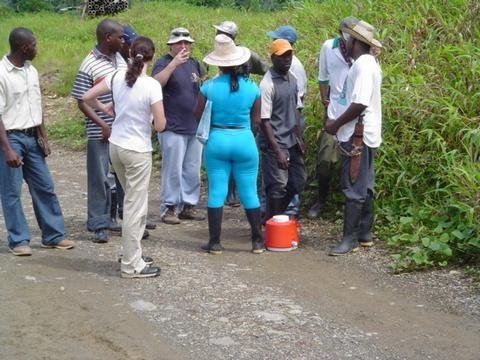
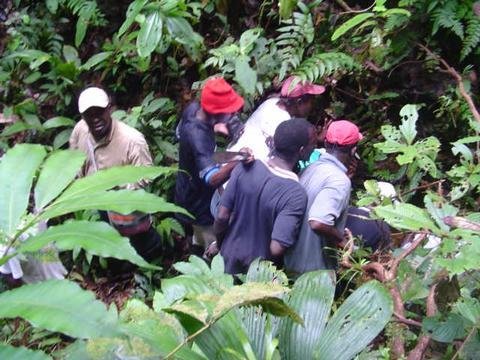
The Chocó region is a world biodiversity hotspot that has suffered from excessive and uncontrolled exploitation of its natural resources. This has caused the loss of biodiversity and the impoverishment of Afro-Colombian communities through income loss and food insecurity. Analogue forestry involves local communities in the restoration of ecosystems, creating food security as well as economic benefits for their families.
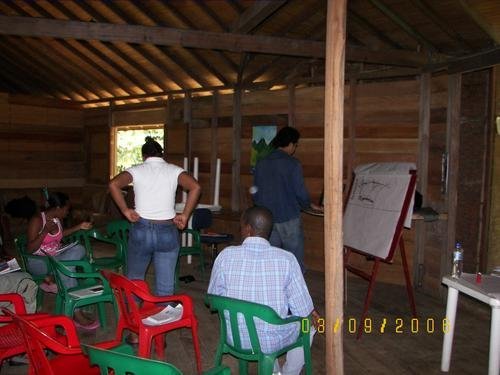
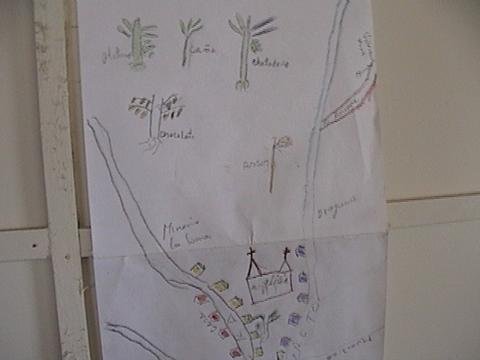
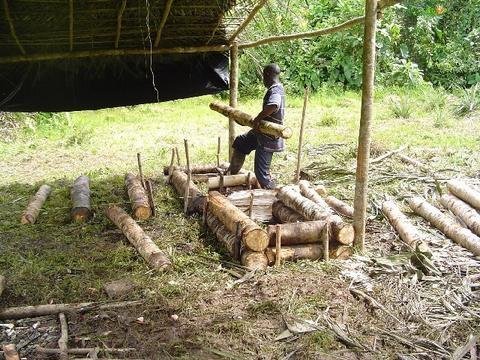
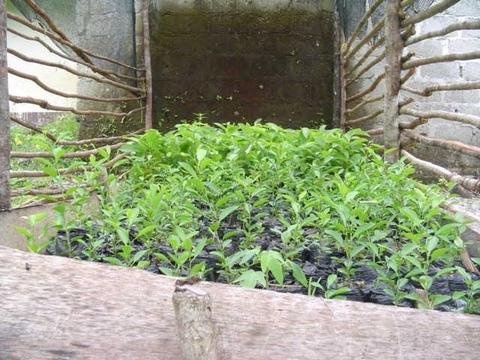
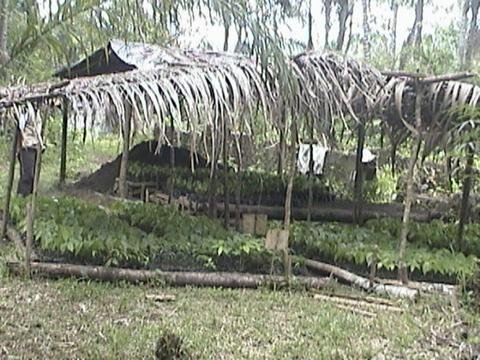
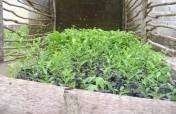
Participatory planning and mapping to diagnose ecosystems; build nurseries and collect seeds; planting in response to social, economic and ecological conditions; demonstration areas and seed banks for communities; market research to ensure sale.
Sustainable management of collective lands; Increased biodiversity; land management plans implemented by local communities; increased food security and health; income generation through commercialization of analogue forestry products.
This project has provided additional documentation in a Microsoft Word file (projdoc.doc).